The Incredible Hulk Budget
Updated
Synopsis
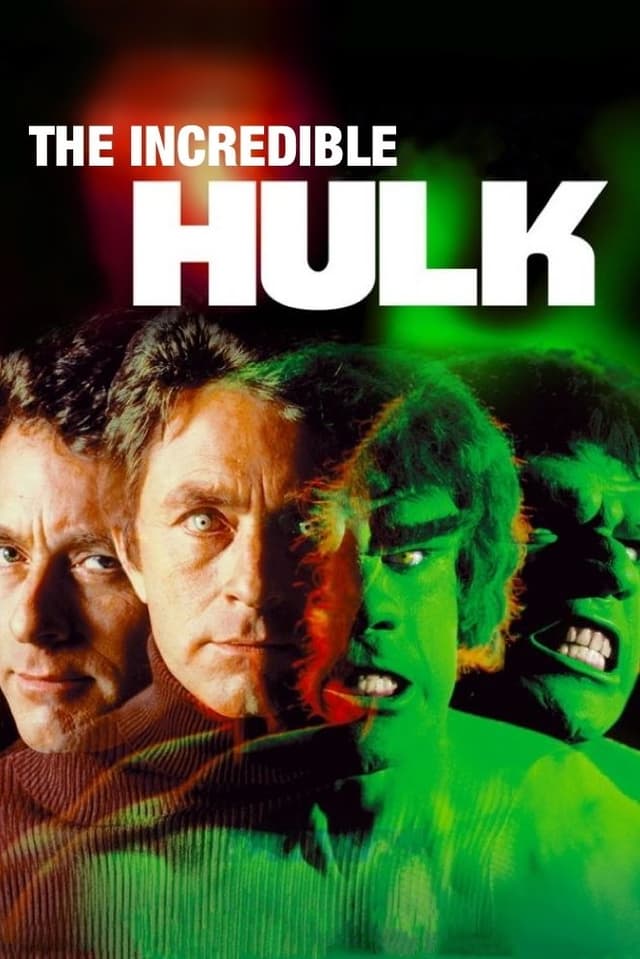
Scientist Dr. David Banner, searching for a way to tap into the hidden strengths all humans possess, accidentally exposes himself to a massive dose of gamma radiation. Now, whenever Banner experiences extreme anger or stress, he transforms into a massive, green-skinned creature of incredible strength called the Hulk, while a relentless tabloid reporter trails him across the country.
What Is the Budget of The Incredible Hulk (1977)?
The Incredible Hulk (1977) is a live-action television series developed by Kenneth Johnson for CBS, not a single theatrical feature, and a specific per-episode production budget was never officially disclosed by Universal Television. Industry reporting from the late 1970s estimated that hour-long action drama episodes on the broadcast networks ran between $400,000 and $600,000 per episode, placing the series' five-season output of 80 episodes plus five made-for-TV movies in the rough $40,000,000 to $55,000,000 range across its full production run from November 1977 through May 1982.
The original two-hour pilot, which aired November 4, 1977, and the second pilot movie, "Death in the Family," each carried elevated budgets befitting their feature-length runtime and effects requirements. After CBS picked the show up to series in March 1978, Universal moved production to its standard hour-long episodic model, with budgets calibrated to absorb prosthetic makeup, body-paint, optical compositing, and the contractually mandated two Hulk transformations per episode.
Key Budget Allocation Categories
The Incredible Hulk's per-episode production cost was distributed across several core areas specific to the show's transformation premise:
- Above-the-Line Talent: Lead Bill Bixby, already a familiar television star from My Favorite Martian and The Courtship of Eddie's Father, commanded a top-tier series-regular rate, and bodybuilder Lou Ferrigno earned a co-star salary along with weekly stipends for makeup endurance. Creator Kenneth Johnson received an executive producer fee, a creator royalty per episode, and a writing fee on the episodes he scripted.
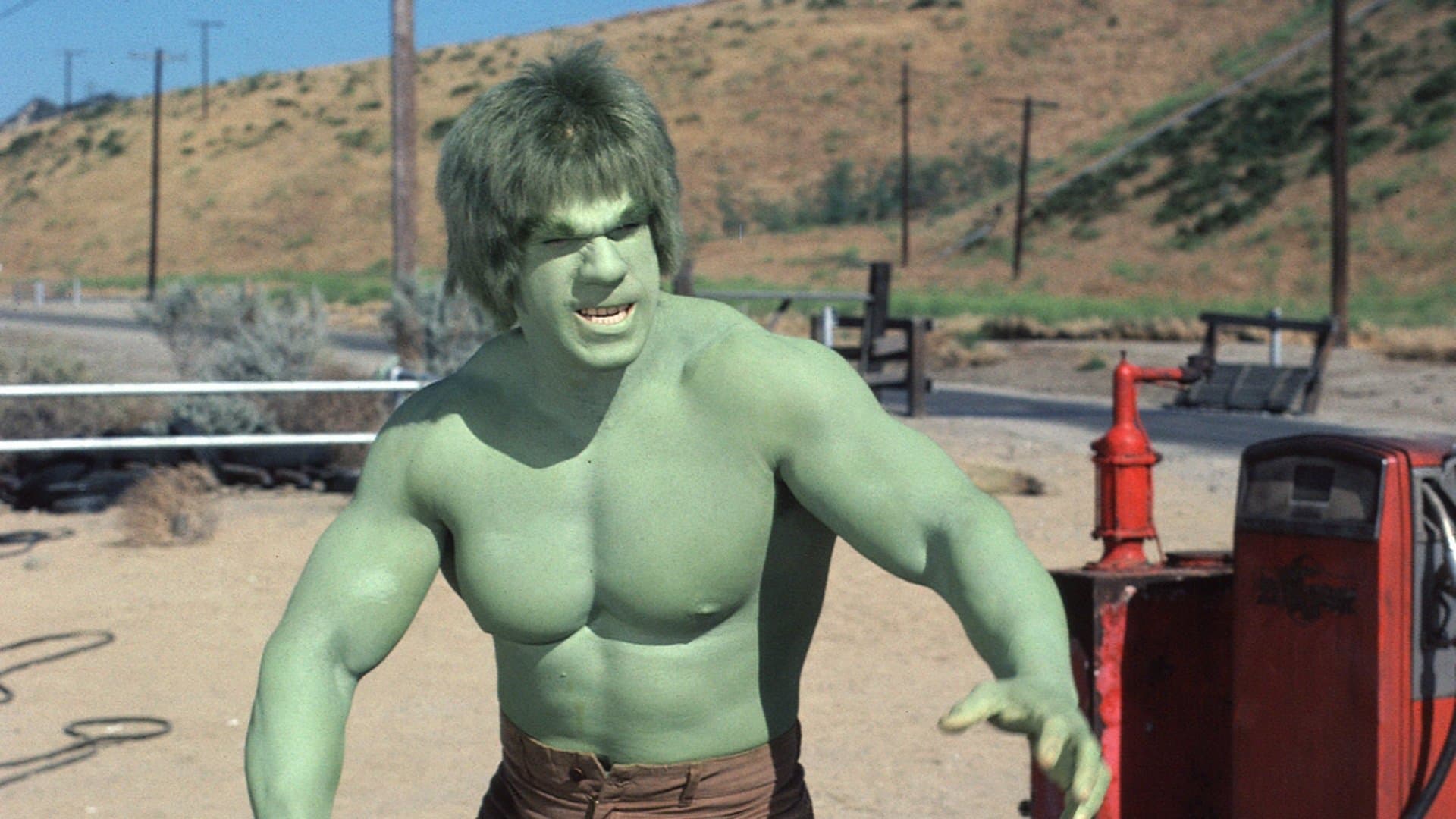
- Hulk Makeup and Body Paint: Werner Keppler designed and applied Ferrigno's green body paint and prosthetic appliances, including a forehead and brow prosthetic that defined the character's silhouette. The application process ran roughly three hours per shooting day, requiring dedicated makeup staffing, specialty paint formulation that would not run under hot studio lights, and full-body cleanup time.
- Optical Effects and Eye Coloring: The white-eye effect that signaled the transformation was achieved through opaque scleral contact lenses, a costly and physically uncomfortable practical effect for Bixby and Ferrigno. Additional optical work covered the bulging-eye close-ups, the in-camera fade between Banner and Hulk, and the slow-motion photography used in many destruction sequences.
- Stunt Coordination and Destruction Gags: Each episode required at least one major action set piece in which the Hulk threw a stuntman, overturned a vehicle, or destroyed breakaway furniture and walls. Stunt coordinator Frank Orsatti and his team built reusable break-away set elements, foam rubber prop weapons, and rigged wire-pulls for crashing objects, all of which added recurring per-episode costs.
- Music and Theme: Composer Joseph Harnell delivered the underscore for the bulk of the series, including the iconic piano theme "The Lonely Man" that closed every episode. Music rights, recording session costs, and royalties on the theme were a recurring line item across the full five-season run.
- Location Shooting and Cars: The premise placed David Banner in a different town each week, requiring frequent location work around Los Angeles County and the picture-car department to source and destroy a steady supply of period sedans, pickup trucks, and one-off rigs. Universal's Backlot doubled for small-town America in many episodes to control costs.
How Does The Incredible Hulk's Budget Compare to Similar TV Productions?
At an estimated $400,000 to $600,000 per episode in 1977-1982 dollars, The Incredible Hulk sat in the upper-middle band of network drama production for its era. Comparable series help illustrate the position:
- The Six Million Dollar Man (1973-1978): Budget approximately $400,000 to $500,000 per episode | ABC. Universal's earlier superhero-adjacent series used optical slow-motion bionic shots in place of Hulk's prosthetic work and ran for five seasons on roughly comparable budgets.
- Wonder Woman (1975-1979): Budget approximately $400,000 to $550,000 per episode | ABC/CBS. The Lynda Carter vehicle carried similar costume, optical, and stunt costs and is the closest direct DC television comparison to the Hulk's Marvel adaptation.
- The Bionic Woman (1976-1978): Budget approximately $400,000 to $500,000 per episode | ABC/NBC. Universal's Six Million Dollar Man spinoff used the same lot and many of the same vendors and offers the cleanest sibling comparison to Hulk on the studio cost ledger.
- Battlestar Galactica (1978-1979): Budget approximately $1,000,000 per episode | ABC. The visual-effects-heavy Universal space opera ran roughly twice the Hulk per-episode cost and demonstrates the price ceiling of effects-driven 1970s network drama.
The Incredible Hulk Box Office Performance
As a network television series, The Incredible Hulk did not generate theatrical box office revenue. Its commercial performance is measured in Nielsen ratings, advertising sales, and downstream syndication and home-video earnings rather than ticket sales. The series' five-season run on CBS averaged a top-30 ranking, peaking at number 26 for the 1977-1978 season, and consistently delivered the kind of family-friendly Friday-night audience that drove premium ad rates for Universal Television.
The financial picture is best understood through reach, syndication, and licensing:
- Estimated Total Production Cost: approximately $40,000,000 to $55,000,000 across 80 episodes plus pilot movies
- Original CBS Run: November 4, 1977 to May 12, 1982 (five seasons)
- Theatrical Gross: not applicable, network television series
- Worldwide Distribution: sold to broadcasters in more than 70 countries through Universal Television
- Syndication Value: continuous worldwide syndication for over four decades, with rights bundles routinely re-licensed
- Home Video and Streaming: released on VHS, DVD, and currently available on multiple streaming platforms including Peacock
The series delivered Universal Television a multi-decade annuity through international sales, syndication, and home-video releases that has comfortably exceeded its original production outlay. Three reunion TV movies on NBC followed in 1988, 1989, and 1990, extending the property's commercial life beyond its primetime cancellation.
The Incredible Hulk Production History
Universal Television acquired the rights to adapt Marvel's Incredible Hulk in late 1976, with producer Kenneth Johnson, fresh off The Bionic Woman, attached to develop the show. Johnson made several radical departures from the source comics in his series bible, most notably changing the protagonist's first name from Bruce to David, removing the character's ability to speak in Hulk form, dialing back the Hulk's strength to something approaching plausibility, and grounding the narrative in the framework of the 1960s television fugitive drama The Fugitive. Marvel Comics editor Stan Lee endorsed the changes on the grounds that they made the character "somewhat plausible" for a weekly live-action format.
The original two-hour pilot aired November 4, 1977, on CBS and drew strong ratings, leading to a second TV movie, "Death in the Family," in November 1977 and a regular series order in March 1978. Bill Bixby was cast as David Banner after Johnson saw him in The Magician, and Lou Ferrigno, then a recent Mr. Universe winner, was cast as the Hulk after the production rejected Arnold Schwarzenegger on the grounds of his height. Jack Colvin played tabloid reporter Jack McGee for the full series run.
Production was based at Universal Studios in Los Angeles, California, with extensive location shooting throughout Los Angeles County and occasional excursions to standing sets and outdoor backlots. Episodes ran on a six-day shooting schedule, with the Hulk transformation sequences typically blocked and shot together to minimize the number of times Ferrigno needed full body-paint application. The series wrapped May 12, 1982, after CBS dropped it from the schedule for the 1982-1983 season.
Awards and Recognition
The Incredible Hulk received three Primetime Emmy Award nominations across its run. Mariette Hartley won the 1979 Emmy for Outstanding Lead Actress in a Drama Series for her guest turn in the season two episode "Married," a rare drama win for a guest performer and the only acting Emmy the series produced. The pilot and series also received Emmy nominations in technical categories including makeup and special effects.
Bill Bixby was widely praised by critics and peers for his understated, melancholic performance as Banner, and his characterization is often credited as the emotional spine that allowed the show's blunt premise to register dramatically. Lou Ferrigno received Saturn Award genre recognition for his physical performance, and the series has been routinely listed by retrospective critics as one of the strongest Marvel screen adaptations of the pre-MCU era.
Critical Reception
The Incredible Hulk has held up critically in retrospective evaluation. The 1977 pilot holds a 57% approval rating on Rotten Tomatoes, while the show's first season carries a stronger 75% rating from the same critics. Contemporary reviews credited Bill Bixby's grounded performance and Kenneth Johnson's decision to treat the premise with sincerity rather than camp, distinguishing the series from the more tongue-in-cheek superhero adaptations of its era.
TV Guide ranked the show among the top live-action superhero series of all time in multiple retrospective polls, and writer-creator Kenneth Johnson has been the subject of academic and fan-press analysis for using a comic-book property to tell what was effectively a melancholy character study of grief, loneliness, and the loss of personal agency. The decision to close every episode with "The Lonely Man" piano theme over Banner walking down a highway is widely cited as one of the most distinctive emotional signatures in 1970s American network television.
Frequently Asked Questions
How much did it cost to produce The Incredible Hulk (1977) TV series?
A specific budget was never officially disclosed, but industry estimates put hour-long network drama episodes of the late 1970s at roughly $400,000 to $600,000 each. Across the show's 80 episodes plus pilot movies, the full five-season production cost likely ran approximately $40,000,000 to $55,000,000 in original-era dollars.
When did The Incredible Hulk (1977) air on CBS?
The two-hour pilot aired November 4, 1977, on CBS, followed by a second TV movie later that month. The regular series ran from March 10, 1978, through May 12, 1982, for five seasons and 80 episodes. Three reunion TV movies followed on NBC in 1988, 1989, and 1990.
Who created The Incredible Hulk TV series?
Kenneth Johnson developed the series for Universal Television, adapting the Marvel Comics character created by Stan Lee and Jack Kirby. Johnson changed the lead character's first name from Bruce to David, removed the Hulk's ability to speak, and structured the show as a fugitive drama in the mold of the 1960s series The Fugitive.
Who played the Hulk on the 1977 TV series?
Bodybuilder Lou Ferrigno, a recent Mr. Universe winner, played the Hulk. Bill Bixby played his alter ego, Dr. David Banner. The production briefly considered Arnold Schwarzenegger but rejected him on the grounds that he was not tall enough for the role.
How was the Hulk's green appearance achieved?
Makeup designer Werner Keppler applied full-body green paint and prosthetic forehead and brow appliances to Lou Ferrigno before each shooting day. The process took approximately three hours per application. The white-eye effect that signaled the transformation was achieved with opaque scleral contact lenses.
Did The Incredible Hulk win any Emmy Awards?
Yes. Mariette Hartley won the 1979 Primetime Emmy for Outstanding Lead Actress in a Drama Series for her guest performance in the season two episode "Married." The series received two additional Emmy nominations in technical categories across its run.
How did The Incredible Hulk rate against other 1970s network dramas?
The series averaged a top-30 ranking on CBS and peaked at number 26 in the 1977-1978 season. Its budget was roughly comparable to The Six Million Dollar Man, Wonder Woman, and The Bionic Woman, and lower than the visual-effects-driven Battlestar Galactica, which ran around $1,000,000 per episode.
Where was The Incredible Hulk (1977) filmed?
Production was based at Universal Studios in Los Angeles, California, with extensive location shooting throughout Los Angeles County. The Universal backlot doubled for the small-town American settings David Banner passed through each week.
Who composed the iconic Incredible Hulk closing theme?
Composer Joseph Harnell wrote the underscore for the bulk of the series, including the piano theme "The Lonely Man" that closed every episode over a shot of Bill Bixby walking down a highway with his thumb out. The cue is widely cited as one of the most distinctive emotional signatures in 1970s network television.
What did critics think of The Incredible Hulk (1977)?
Critical reception was positive, with Bill Bixby's grounded performance singled out for praise. In retrospective evaluation the pilot holds a 57% approval rating on Rotten Tomatoes and the first season holds 75%. The show has been routinely cited as one of the strongest Marvel screen adaptations of the pre-MCU era.
Filmmakers
The Incredible Hulk

Official Trailer
Build budgets like this one in Saturation
Start from an industry-standard feature film template, import the schedule and rates you already have, and let the cost report keep itself current as you spend. Real-time collaboration, no spreadsheets.