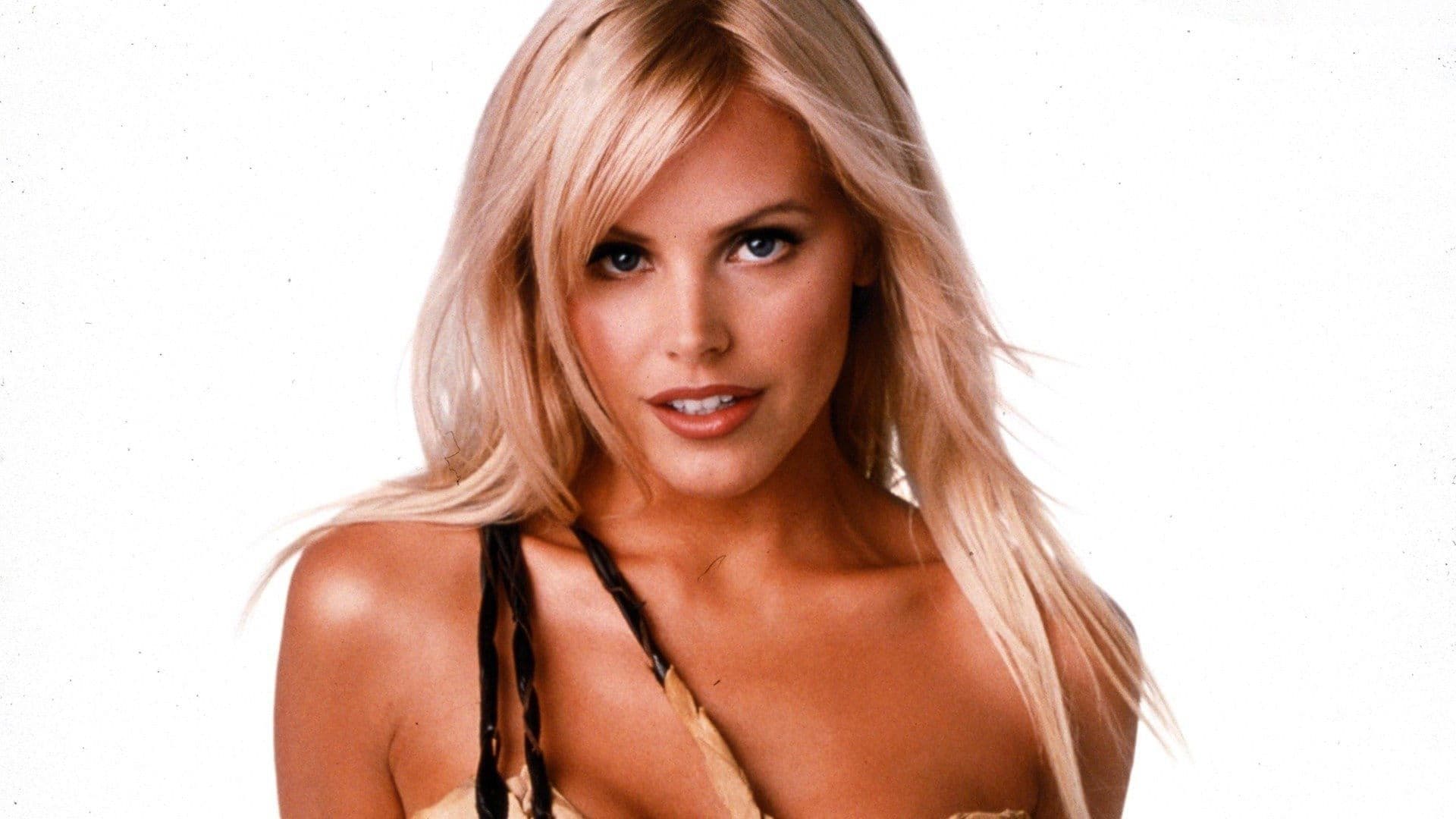
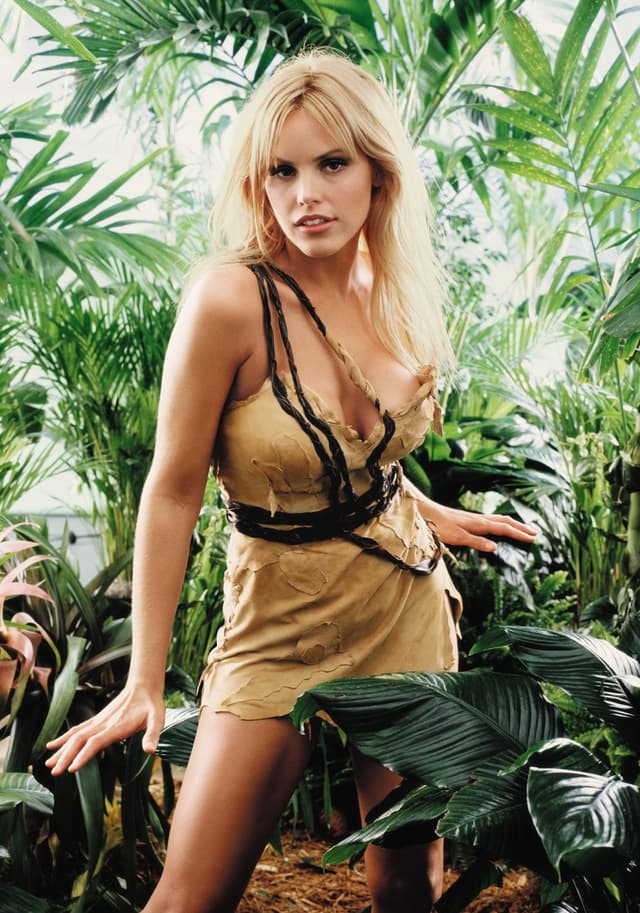
Sheena Budget
Updated
Synopsis
Sheena (1984) follows orphaned American Sheena (Tanya Roberts), raised in Kenya by a Zambouli mystic shaman after her parents are killed on safari, who must protect the legendary holy mountain Gudjara from a corrupt prince and a mining cartel when a visiting Western journalist (Ted Wass) stumbles into the conflict. The John Guillermin-directed Columbia Pictures adaptation of the Will Eisner-and-S.M. Iger 1937 comic-book character was shot across Kenya in summer 1983 and positioned by the studio as a four-quadrant pulp-adventure tentpole in the wake of Conan the Barbarian and the broader 1980s pulp-revival cycle.
What Is the Budget of Sheena (1984)?
Sheena (1984), directed by John Guillermin and distributed by Columbia Pictures, was produced on a reported budget of $25,000,000. The jungle-adventure adaptation of the Will Eisner and S.M. "Jerry" Iger Sheena, Queen of the Jungle comic-book character (which debuted in 1937) cast Tanya Roberts as the orphaned American daughter raised in Kenya by a Zambouli mystic shaman after her parents are killed on safari. Producer Paul Aratow developed the project for Columbia as a high-concept jungle-action feature in the wake of Conan the Barbarian (1982), Raiders of the Lost Ark (1981), and the broader 1980s pulp-revival cycle.
The mid-1980s tentpole budget reflected the cost of extensive on-location production in Kenya, a substantial wildlife-and-livestock unit (including elephants, big cats, and a recurring zebra-paint horse), an international crew assembled around director John Guillermin (The Towering Inferno, King Kong 1976), and the action-set-piece logistics of a pulp-jungle adventure. The financial math assumed Sheena would clear roughly $60,000,000 worldwide to break even after marketing, a target the film missed by more than $50,000,000 and that closed its theatrical run as one of the most decisive Columbia bombs of the year.
Key Budget Allocation Categories
Sheena's reported $25,000,000 budget was distributed across several core production areas:
- On-Location Kenya Production: Principal photography took place across multi-week shooting blocks in Kenya, with the production basing out of Nairobi and traveling to remote bush locations across the country. International crew travel, lodging, security, equipment shipping, and local-crew costs added meaningful production overhead compared with a fully studio-bound jungle adventure.
- Above-the-Line Talent: Tanya Roberts, fresh off That '70s Show predecessor Charlie's Angels (1980 to 1981) and the 1985 James Bond appearance in A View to a Kill, commanded an emerging-leading-actress fee. Director John Guillermin, an experienced action-and-disaster-feature veteran, drew a director-rate consistent with his The Towering Inferno (1974) and King Kong (1976) track record. Supporting cast Donovan Scott, Ted Wass, France Zobda, and Trevor Thomas drew character-actor compensation.
- Wildlife and Livestock: The film required extensive on-camera wildlife work including elephants, lions, leopards, baboons, and a recurring painted-zebra-horse that Sheena rides through the production. Animal trainers, wranglers, and on-set safety personnel ran across the entire Kenya shoot, with international wildlife-handling protocols and insurance running well above a typical mid-1980s adventure-feature animal budget.
- Action Set Pieces and Stunts: The film features pulp-jungle action sequences including helicopter sequences, bow-and-arrow combat, river crossings, and large-scale Zambouli-tribe ritual sequences. Stunt coordination, helicopter pilots, and the recurring rigging and safety personnel for action work ran across the production.
- Production Design and Wardrobe: The mythical-Zambouli-tribe sets, the legendary Gudjara holy mountain locations, and the practical jungle-village dressing required substantial art-department work. Wardrobe ran across multiple cultural and ritual register: Sheena's minimal jungle wardrobe (a key marketing visual), the Zambouli tribal costumes, and the contemporary safari and military wardrobe for the supporting cast.
- Score and Music: Composer Richard Hartley provided the original orchestral score, with the music budget covering orchestra-recording sessions, source-music research for the Zambouli ritual sequences, and trailer-music workflow integration. The score budget ran at a standard mid-1980s adventure-tentpole tariff.
How Does Sheena's Budget Compare to Similar Films?
At $25,000,000, Sheena sat in the mid-tier of early-1980s jungle-adventure and pulp-revival features. The comparison set illustrates how its commercial outcome diverged from its budgetary peers:
- Greystoke: The Legend of Tarzan, Lord of the Apes (1984): Budget $33,000,000 | Worldwide $45,861,191. The Hugh Hudson Tarzan adaptation, released the same year as Sheena, cost roughly 30% more and earned nearly eight times the worldwide gross.
- Conan the Barbarian (1982): Budget $20,000,000 | Worldwide $130,508,392. John Milius' Arnold Schwarzenegger-led pulp-revival adventure cost 20% less and earned more than twenty-two times the worldwide gross.
- Conan the Destroyer (1984): Budget $18,000,000 | Worldwide $31,022,915. The Conan sequel, released the same summer as Sheena, cost roughly 30% less and earned more than five times the worldwide gross.
- Red Sonja (1985): Budget $17,900,000 | Worldwide $6,938,790. The Brigitte Nielsen-Arnold Schwarzenegger pulp-revival fantasy adventure cost 30% less and earned a comparable theatrical gross to Sheena, illustrating that the 1980s female-warrior subgenre faced consistent commercial challenges.
- King Solomon's Mines (1985): Budget $9,000,000 | Worldwide $14,500,000. The Richard Chamberlain-led Cannon Group African-treasure-adventure cost roughly one-third as much as Sheena and earned more than twice the worldwide gross.
Sheena Box Office Performance
Sheena opened on August 17, 1984 to $2,094,103 across 1,196 theaters, a soft opening-weekend per-theater average of approximately $1,751 that signaled immediate commercial trouble for the picture. The opening placed Sheena tenth for its weekend, well behind Ghostbusters (which was still leading the late-summer corridor), Red Dawn, The Karate Kid, and Tightrope. Here is the financial breakdown:
Box Office Breakdown
Sheena

Sheena returned approximately $0.14 in theatrical revenue for every $1 invested when measured against total estimated production and marketing spend, ranking it among the most decisive jungle-adventure bombs of the 1980s. The Box Office Mojo record shows essentially the entire reported gross coming from the domestic United States, with international box office not reported as a significant line, indicating Columbia effectively wrote off international theatrical and routed the film to home-video and pay-cable secondary windows abroad.
The commercial collapse foreclosed any further Sheena film development at Columbia. A 2000 to 2002 syndicated television series starring Gena Lee Nolin attempted to revive the property, and various subsequent feature reboot attempts (including a Ridley Scott-attached project in the 2010s) never reached production. Sheena (1984) stands today as a defining studio-bomb cautionary tale of the early-1980s pulp-revival cycle.
Sheena Production History
The Sheena, Queen of the Jungle character was created by Will Eisner and S.M. "Jerry" Iger in 1937 for the British comic Wags before transferring to American Jumbo Comics, where the character ran across the 1940s and 1950s as the first popular female-warrior comic-book lead (predating Wonder Woman by four years). The property had been the subject of multiple radio, film-serial, and television adaptations across the 1940s through 1970s, including a 1955 to 1956 syndicated television series starring Irish McCalla.
Producer Paul Aratow developed the feature adaptation for Columbia Pictures across the late 1970s and early 1980s, ultimately committing to a high-concept jungle-adventure feature in the wake of Conan the Barbarian (1982) and the broader pulp-revival cycle. David Newman and Lorenzo Semple Jr. wrote the screenplay, with Semple bringing his pulp-feature track record (Three Days of the Condor, King Kong 1976, Flash Gordon 1980) to the adaptation.
John Guillermin (The Towering Inferno, King Kong 1976, Death on the Nile, the Death of the Hindenburg) joined as director on the strength of his large-scale adventure-and-disaster track record. Casting Tanya Roberts as Sheena was the production's defining commercial bet, with Roberts coming off her Charlie's Angels (1980 to 1981) season-five run and ahead of her 1985 James Bond turn in A View to a Kill.
Principal photography took place across summer 1983 in Kenya, with the production basing out of Nairobi and traveling to bush locations across the country. The extensive on-location wildlife work (elephants, lions, leopards, baboons, painted zebra-horses), the practical Zambouli-tribal sets, and the action-set-piece logistics ran a substantial multi-month production schedule. The Kenya production used local crew alongside the international above-the-line team, with the Kenyan government and local communities providing logistical and cultural-consulting support.
Columbia positioned the film for an August 17, 1984 release with a marketing campaign emphasizing the Tanya Roberts jungle-warrior visuals and the pulp-adventure premise. The campaign deliberately leaned into the comic-book heritage and the exotic-location production design, with trailers and television spots framing the picture as a four-quadrant adventure-tentpole alternative to the Conan and Tarzan releases of the same window.
Awards and Recognition
Sheena received decisively negative awards recognition. At the 5th Golden Raspberry Awards covering the 1984 calendar year, the film received five Razzie nominations including Worst Picture, Worst Director (John Guillermin), Worst Actress (Tanya Roberts, who won), Worst Screenplay (David Newman and Lorenzo Semple Jr.), and Worst Original Song ("Sheena"). Tanya Roberts' Worst Actress win was the film's most visible awards-circuit outcome.
The 1984 Razzie ceremony was dominated by Bolero (which won several major categories) and Rhinestone, with Sheena absorbing the share of attention typical for a high-profile commercial bomb in the cycle. The film did not register at the Academy Awards, Golden Globes, BAFTAs, or any of the major industry ceremonies, with the year's adult-drama and adventure-craft awards slate dominated by Amadeus, A Passage to India, and The Killing Fields.
Retrospective Razzie reappraisal has remained largely negative, with the film still cited in surveys of the 1980s pulp-revival cycle as one of the most decisive commercial-and-critical failures of the period. Defenders point to the cinematography of the Kenyan landscapes (Pasqualino De Santis) as a craft strength and to Tanya Roberts' physical commitment to the role as a sincere performance against difficult material.
Critical Reception
Sheena received decisively negative reviews. The film holds a 25% approval rating on Rotten Tomatoes based on 24 critic reviews, with no Metacritic score available for the pre-Metacritic-era 1984 release. Critics broadly objected to the screenplay's narrative structure, the pacing of the jungle-adventure set pieces, and the central premise as a contemporary feature.
Roger Ebert awarded the film one and a half stars, writing that "the movie has no idea what it wants to be and no resources for being it" and that "even the elephants seem embarrassed." Variety's reviewer described the picture as "an expensive jungle adventure that fails on virtually every commercial and creative level." The New York Times's Janet Maslin called the film "an unintentional jungle comedy in which the wildlife substantially out-performs the human cast." Pauline Kael declined to review the picture.
Defenders of the film have pointed to cinematographer Pasqualino De Santis' work on the Kenyan landscapes, to the practical wildlife handling, and to certain pulp-adventure visual passages as craft strengths even against the broader critical consensus. Sheena (1984) is now most often cited in surveys of the early-1980s pulp-revival cycle as a defining commercial-and-critical failure, alongside Red Sonja (1985) and the Robert Vaughn Battle Beyond the Stars (1980) wave of pulp-adventure-tentpole bombs.
Frequently Asked Questions
How much did Sheena (1984) cost to make?
Sheena was produced on a reported budget of $25,000,000. Columbia Pictures financed the production in partnership with Delphi II Productions and Coast Industries, with the budget reflecting extensive on-location Kenya production, a substantial wildlife-and-livestock unit, and the international above-the-line package assembled around director John Guillermin.
How much did Sheena earn at the box office?
The film grossed $5,778,353 domestically in the United States. No significant international theatrical box office was reported, with Columbia effectively writing off the international theatrical window and routing the film to home-video and pay-cable secondary windows abroad. It opened to $2,094,103 across 1,196 theaters on August 17, 1984, finishing tenth for the weekend.
Was Sheena a box office bomb?
Yes. Against a $25,000,000 production budget and an estimated $12,000,000 to $18,000,000 in marketing spend, Sheena returned approximately $0.14 in worldwide gross for every $1 invested. It is widely cited as one of the most decisive jungle-adventure bombs of the 1980s and as a defining commercial failure of the early-1980s pulp-revival cycle.
Who directed Sheena (1984)?
John Guillermin directed Sheena from a screenplay by David Newman and Lorenzo Semple Jr. Guillermin had previously directed The Towering Inferno (1974), King Kong (1976), and Death on the Nile (1978), with a track record of large-scale adventure-and-disaster features that informed his attachment to the Sheena project.
Is Sheena based on a comic book?
Yes. The film adapts the Sheena, Queen of the Jungle comic-book character created by Will Eisner and S.M. "Jerry" Iger in 1937 for the British comic Wags before transferring to American Jumbo Comics. The character was the first popular female-warrior comic-book lead, predating Wonder Woman by four years, and had previously been adapted in a 1955 to 1956 syndicated television series starring Irish McCalla.
Where was Sheena filmed?
Principal photography took place across summer 1983 in Kenya, with the production basing out of Nairobi and traveling to bush locations across the country. The extensive on-location wildlife work (elephants, lions, leopards, baboons, painted zebra-horses), the practical Zambouli-tribal sets, and the action-set-piece logistics ran a substantial multi-month production schedule.
Who plays Sheena in the 1984 film?
Tanya Roberts plays Sheena. Roberts came to the role after her Charlie's Angels season-five run (1980 to 1981) and ahead of her 1985 James Bond turn in A View to a Kill. The casting was the production's defining commercial bet, with Columbia positioning the picture around Roberts as an emerging-leading-actress jungle-adventure lead.
Did Sheena win any awards?
Sheena received five Golden Raspberry Award nominations at the 5th Razzies covering 1984, including Worst Picture, Worst Director, Worst Actress (Tanya Roberts, who won), Worst Screenplay, and Worst Original Song. Tanya Roberts' Worst Actress win was the film's most visible awards-circuit outcome. The film received no positive awards recognition.
How does Sheena compare to Conan the Barbarian or Greystoke?
Sheena cost $25,000,000 against Conan the Barbarian's $20,000,000 (Worldwide $130,508,392) and Greystoke's $33,000,000 (Worldwide $45,861,191). Sheena earned only $5,778,353 worldwide, less than 5% of Conan's gross and approximately 13% of Greystoke's, illustrating the picture's decisive commercial underperformance against its 1980s pulp-revival peers.
What did critics think of Sheena?
The film received decisively negative reviews, with a 25% Rotten Tomatoes approval rating based on 24 reviews. Roger Ebert awarded the film one and a half stars and wrote that "even the elephants seem embarrassed." Variety described the picture as "an expensive jungle adventure that fails on virtually every commercial and creative level." The New York Times called it "an unintentional jungle comedy in which the wildlife substantially out-performs the human cast."
Filmmakers
Sheena

Official Trailer
Build budgets like this one in Saturation
Start from an industry-standard feature film template, import the schedule and rates you already have, and let the cost report keep itself current as you spend. Real-time collaboration, no spreadsheets.