The Devils Budget
 DramaHistoryHorror1h 52m
Updated
Synopsis
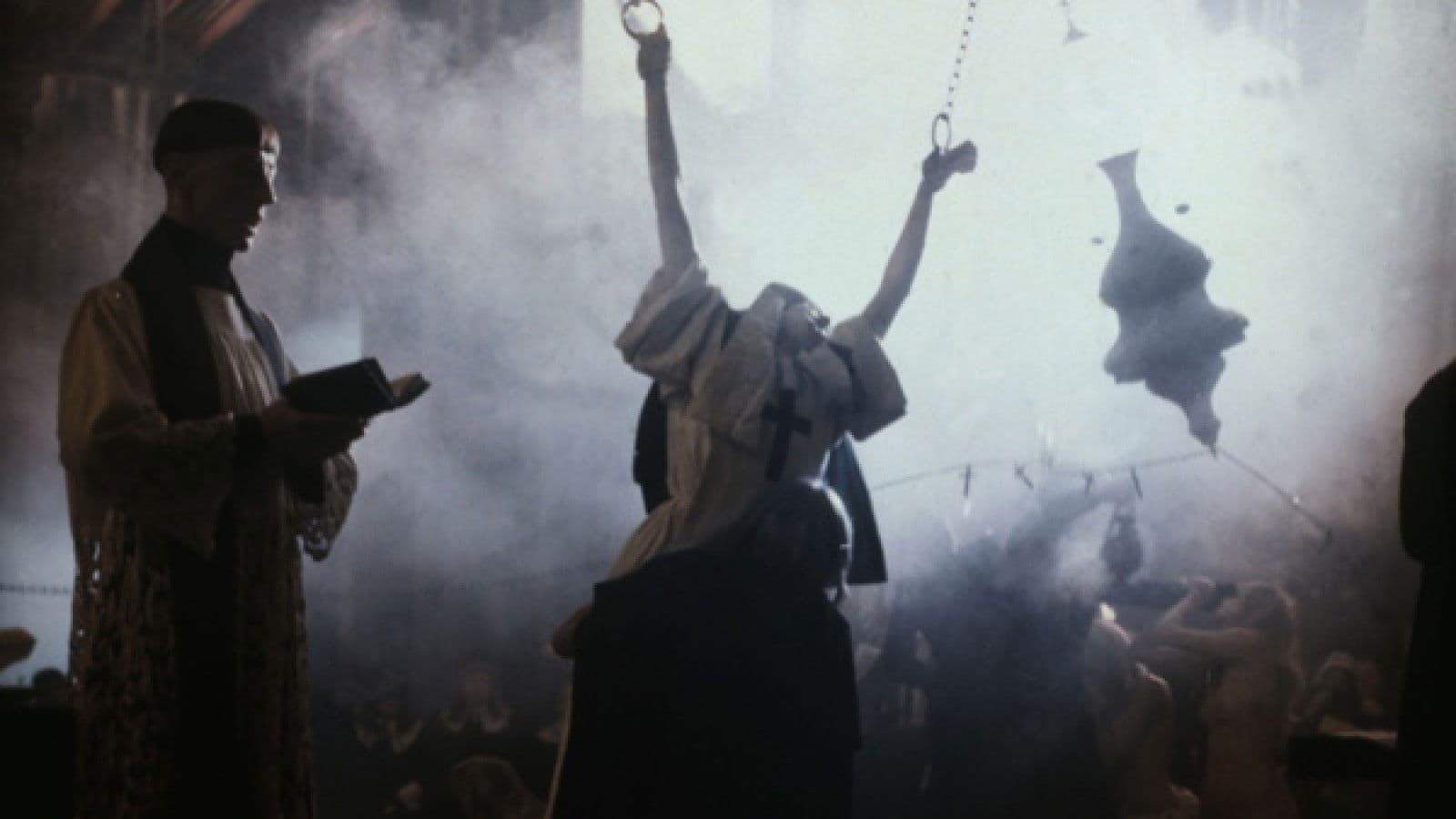
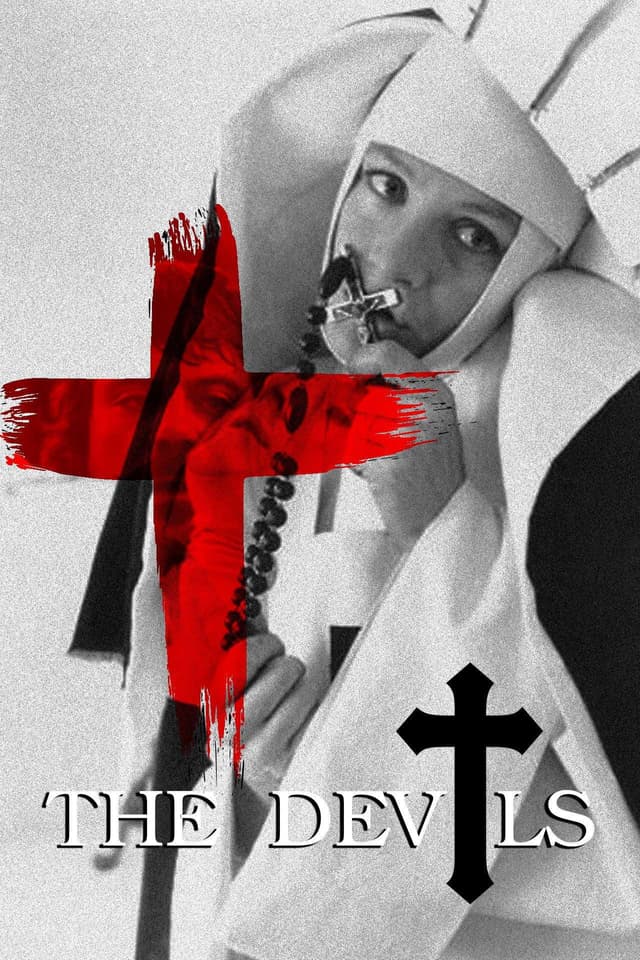
A charismatic 17th-century French priest becomes the target of a sexually obsessed nun’s witchcraft accusations, which corrupt church and state officials are all too happy to exploit.
What is the budget of The Devils?
"The Devils," a drama released in 1971, was directed by Ken Russell and stars Vanessa Redgrave, Oliver Reed. The production budget was $2,000,000, placing it in the micro-budget range for drama productions of the 1970s.
Key Budget Allocation Categories
While specific budget breakdowns are not publicly available, typical cost drivers for a drama production like this include:
- Above-the-Line Talent: Drama films live or die on the strength of their performances.
- Location Filming & Period Production Design: Authentic locations , whether contemporary or historical , require scouting, permits, travel, lodging, and often significant dressing to match the story's time period.
- Post-Production, Color Grading & Score: The editorial process for dramas is typically longer than genre films, with careful attention to pacing and tone.
- Casting: Oliver Reed, who had worked with Russell previously on Women in Love, was cast as Urbain Grandier, the philandering doomed priest.
What were the major cost factors in The Devils?
Several factors contributed to the overall production costs of "The Devils."
- Above-the-Line Talent: Above-the-Line Talent is one of the primary cost drivers in drama productions of this scale.
- Location Filming: Location Filming & Period Production Design is one of the primary cost drivers in drama productions of this scale.
- Post-Production: Post-Production, Color Grading & Score is one of the primary cost drivers in drama productions of this scale.
How Does The Devils's Budget Compare to Similar Films?
At $2,000,000, The Devils sits in the micro-budget range. Here is how it compares to productions with a similar budget:
- Seven Samurai (1954): Budget $2,000,000, Worldwide Gross $105,000,000
- The Great Dictator (1940): Budget $2,000,000, Worldwide Gross $11,000,000
- Sing Sing (2024): Budget $2,000,000, Worldwide Gross $3,401,789
- The Lives of Others (2006): Budget $2,000,000, Worldwide Gross $77,672,685
- Anatomy of a Murder (1959): Budget $2,000,000, Worldwide Gross $8,000,000
The median budget for wide-release drama films in the era ranges from $30 to 80M for mid-budget to $150M+ for tentpoles.
The Devils Box Office Performance
"The Devils" earned $2,000,000 domestically and $11,000,000 worldwide at the box office. Against a production budget of $2,000,000, the film performed strongly at the box office.
A film typically needs to earn approximately twice its production budget to cover marketing and distribution costs. For "The Devils," that break-even threshold was roughly $4,000,000. With worldwide earnings of $11,000,000, the film cleared that threshold comfortably.
Box Office Breakdown
The Devils

At 450%, "The Devils" earned roughly $5.5 for every $1 invested in production.
The Devils Production History
Oliver Reed, who had worked with Russell previously on Women in Love, was cast as Urbain Grandier, the philandering doomed priest. Richard Johnson, who had portrayed Grandier in a stage production of The Devils, had originally been attached to the project in 1969, but eventually dropped out of the production. Russell later claimed that he felt Jackson had actually turned down the role because it had been truncated from his original screenplay.
Filming began 17 August 1970 in London at Pinewood Studios. The Devils marked Jarman's debut in the film industry; having previously worked in theatre, he was introduced to Russell by his friend, Hornsey College of Art teacher Janet Detuer and agreed to work on the film after seeing Women in Love. His set for Loudun, which took three months to design, was the largest set constructed on Pinewood's backlot since Cleopatra (1963), and was influenced by the works of neoclassical artists such as Claude Nicolas Ledoux, Étienne-Louis Boullée and Giovanni Battista Piranesi.
The film's score was composed for a small ensemble by Peter Maxwell Davies. Russell was reportedly intrigued by Davies' composition Eight Songs for a Mad King, which had provoked strong reactions when it was premiered in 1969. Davies reportedly took the job because he was interested in the late medieval and Renaissance historical period depicted in the film.
Awards and Recognition
4 wins total
Critical Reception
The Devils received significant negative critical reaction upon its release due to its "outrageous", "overheated", and "pornographic" nature. The film was publicly condemned by the Vatican, who, though acknowledging that it contained some artistic merit, asked that its screenings at the Venice International Film Festival be cancelled. Judith Crist called the film a "grand fiesta for sadists and perverts", while Roger Ebert of the Chicago Sun-Times gave the film a rare zero-star rating, sarcastically mocking it as overly self-important.
Frequently Asked Questions
How much did it cost to make The Devils (1971)?
The production budget was $2,000,000, covering principal photography, cast and crew salaries, locations, sets, post-production, and music. Marketing and distribution (P&A) costs are estimated at an additional $1,000,000 - $1,600,000, bringing the total studio investment to approximately $3,000,000 - $3,600,000.
How much did The Devils (1971) earn at the box office?
The Devils grossed $2,000,000 domestic, $9,000,000 international, totaling $11,000,000 worldwide.
Was The Devils (1971) profitable?
Yes. Against a production budget of $2,000,000 and estimated total costs of ~$5,000,000, the film earned $11,000,000 theatrically - a 450% ROI on production costs alone.
What were the biggest costs in producing The Devils?
The primary cost drivers were above-the-line talent (Vanessa Redgrave, Oliver Reed, Dudley Sutton); talent compensation, authentic period production design, and meticulous post-production.
How does The Devils's budget compare to similar drama films?
At $2,000,000, The Devils is classified as a micro-budget production. The median budget for wide-release drama films in the era ranges from $30 - 80M for mid-budget to $150M+ for tentpoles. Comparable budgets: Seven Samurai (1954, $2,000,000); The Great Dictator (1940, $2,000,000); Sing Sing (2024, $2,000,000).
Did The Devils (1971) go over budget?
There are no widely reported accounts of significant budget overruns for this production. However, studios rarely disclose precise budget overrun figures publicly. The reported production budget reflects the final estimated cost.
What was the return on investment (ROI) for The Devils?
The theatrical ROI was 450.0%, calculated as ($11,000,000 − $2,000,000) ÷ $2,000,000 × 100. This measures gross revenue against production budget only - it does not account for P&A or exhibitor shares.
What awards did The Devils (1971) win?
4 wins total.
Who directed The Devils and who were the key crew members?
Directed by Ken Russell, written by Ken Russell, shot by David Watkin, with music by Peter Maxwell Davies, edited by Michael Bradsell.
Where was The Devils filmed?
The Devils was filmed in United Kingdom. Filming began 17 August 1970 in London at Pinewood Studios. The Devils marked Jarman's debut in the film industry; having previously worked in theatre, he was introduced to Russell by his friend, Hornsey College of Art teacher Janet Detuer and agreed to work on the film after seeing Women in Love.
Filmmakers
The Devils

Official Trailer
Build budgets like this one in Saturation
Start from an industry-standard feature film template, import the schedule and rates you already have, and let the cost report keep itself current as you spend. Real-time collaboration, no spreadsheets.