The Amazing Spider-Man Budget
 ActionAdventureScience Fiction2h 16m
Updated
Synopsis
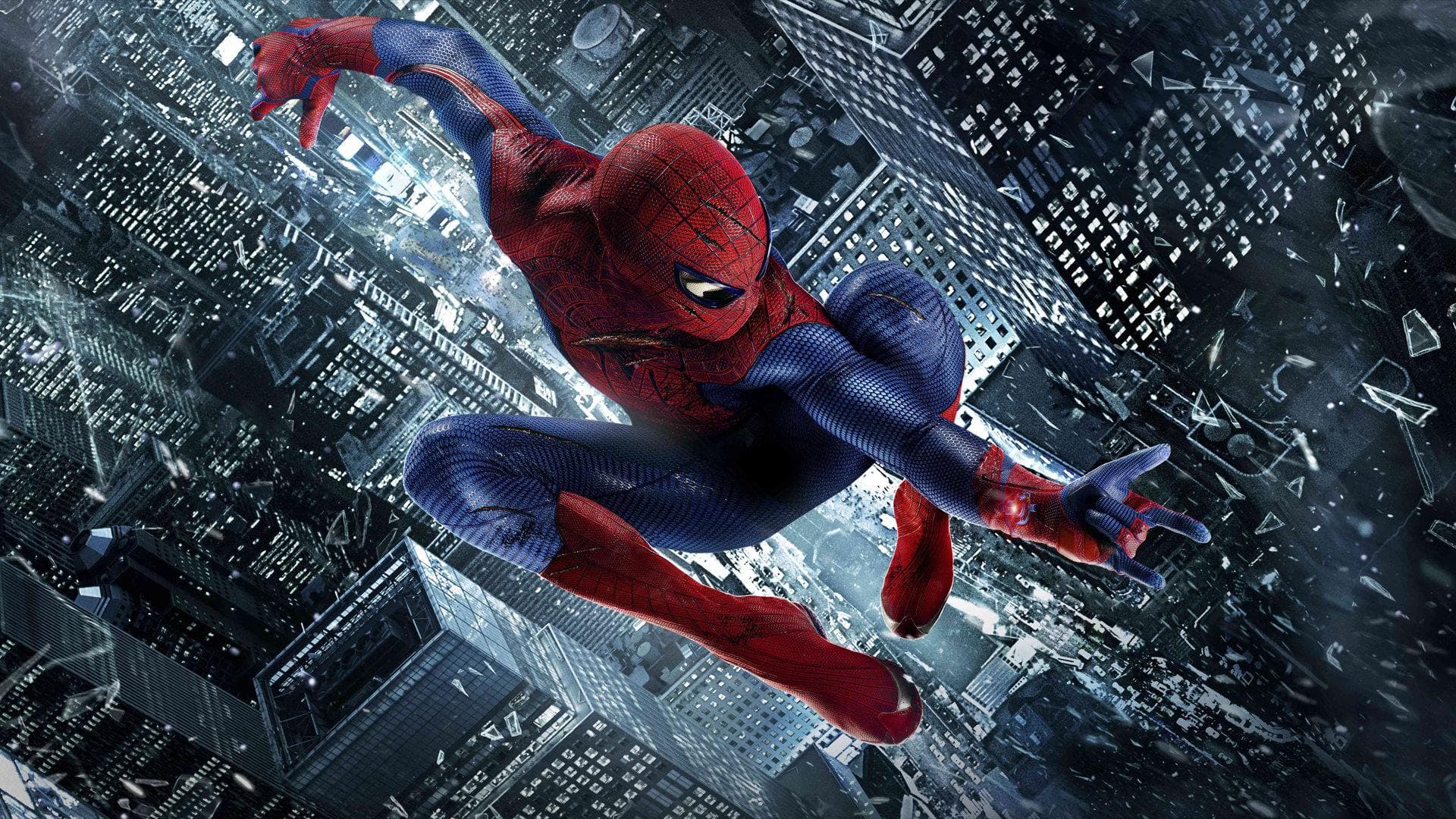
Peter Parker, a brilliant but bullied high school student, investigates the mysterious disappearance of his scientist parents and discovers his father's former research partner Dr. Curt Connors at Oscorp. After being bitten by a genetically engineered spider at the lab, Peter develops superhuman abilities and crafts the identity of Spider-Man. When Connors' experimental cross-species regeneration serum turns him into the monstrous Lizard, Peter must protect his girlfriend Gwen Stacy, her police-captain father, and the city of New York while wrestling with the moral weight of his new powers.
What Is the Budget of The Amazing Spider-Man (2012)?
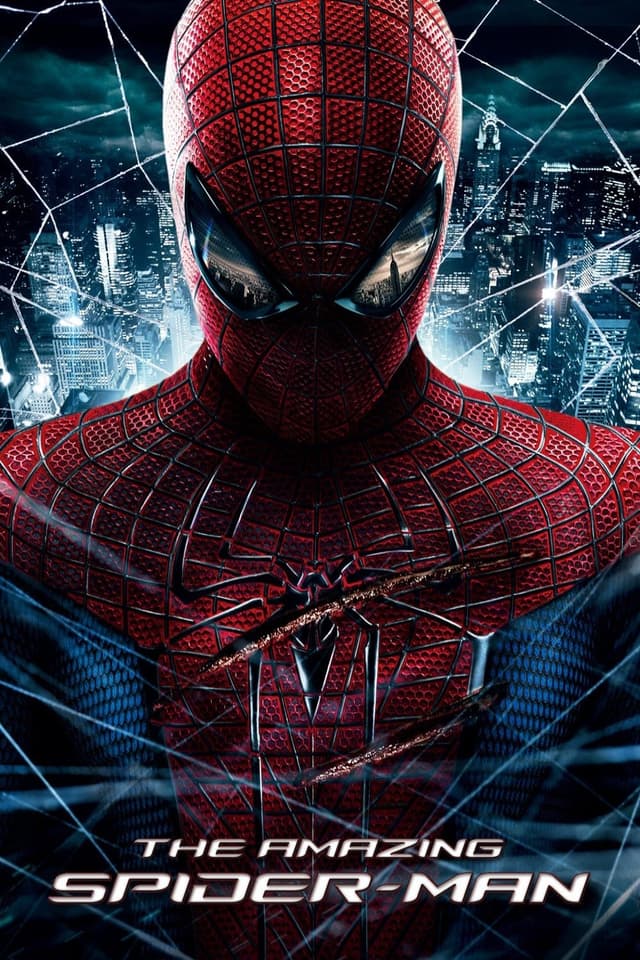
The Amazing Spider-Man (2012), directed by Marc Webb and released by Columbia Pictures (Sony), was produced on a budget of $230 million. The film served as a complete reboot of the Spider-Man franchise following the cancellation of Sam Raimi's planned Spider-Man 4, which had been in active development with Tobey Maguire and John Malkovich attached before Sony pulled the plug in January 2010. Andrew Garfield stepped into the role of Peter Parker, with Emma Stone as Gwen Stacy and Rhys Ifans as Dr. Curt Connors / The Lizard.
Sony moved swiftly on the reboot to retain its film rights to the character under its agreement with Marvel, a contractual deadline that shaped both the timeline and the scope of the production. The studio handed the project to Marc Webb, whose only prior feature was the indie romantic dramedy (500) Days of Summer (2009), a counterintuitive hiring meant to bring a more grounded, character-driven sensibility to the superhero origin story. The screenplay was credited to James Vanderbilt, Alvin Sargent, and Steve Kloves, drawing on the Ultimate Spider-Man comics for its modernized take on Peter's origins.
Key Budget Allocation Categories
The $230 million budget was distributed across several major production areas:
- Visual Effects and Digital Spider-Man: The film leaned heavily on a hybrid of practical stunts and CGI, including a fully digital Lizard creature and extensive web-swinging sequences. Sony Pictures Imageworks led VFX, with significant work also from Imageworks subsidiaries on the first-person POV swinging shots through Manhattan. The Lizard's scale, anatomy, and skin texture required extensive R&D, with several design iterations before the final reptilian-humanoid look was approved.
- Cast Compensation and Talent Deals: Andrew Garfield reportedly earned around $500,000 for the first film, with significant back-end participation contingent on franchise continuation. Emma Stone, Rhys Ifans, Denis Leary, Martin Sheen, and Sally Field rounded out the principal cast at standard A-list day rates. Producer Avi Arad and Matt Tolmach commanded substantial fees as franchise stewards alongside Laura Ziskin, who oversaw the original Raimi trilogy before her death in 2011.
- Production Design and Practical Sets: Production designer J. Michael Riva (who also died during postproduction on the sequel) built extensive practical sets at Sony Pictures Studios in Culver City, California, including the Oscorp lab, Connors' research facility, the Stacy family apartment, and Peter's bedroom. The Williamsburg Bridge sequence and the climactic Oscorp tower battle required large-scale set construction supplemented with digital extensions.
- Location Filming and Stunt Coordination: Principal photography took place in Los Angeles (with significant tax credit benefit under California's film incentive program), New York City for plate photography and select location work, and at Sony's Culver City lot. Stunt coordinator Andy Armstrong led the wire-rig web-swinging work, with Garfield performing many of his own stunts in harness.
- 3D Conversion and Native Stereo Photography: The film was shot natively in 3D using RED Epic cameras and the 3ality Technica stereoscopic rig, one of the earliest major studio films to commit to native 3D capture rather than postproduction conversion. This added significant per-day costs to the shoot in equipment, on-set stereographers, and lighting infrastructure required to compensate for the polarized rig's light loss.
- Composer and Score Production: James Horner composed the score, his first superhero film, in a deal worth several million dollars including orchestral recording at Sony Scoring Stage. Horner's thematic, melodic approach (familiar from Titanic and Avatar) replaced Danny Elfman's Raimi-era brass-heavy bombast with a softer, more romantic palette suited to Webb's grounded tone.
- Marketing and Reboot Positioning: Sony spent an estimated $150 million on global prints and advertising, with a particularly aggressive viral and online campaign designed to differentiate the reboot from the Raimi trilogy still fresh in audience memory. Trailers emphasized Peter's skateboarding, the first-person POV swinging, and the romance with Gwen Stacy as visual hooks distinct from the Maguire films.
How Does The Amazing Spider-Man's Budget Compare to Similar Films?
At $230 million, The Amazing Spider-Man was among the most expensive superhero films of its era. Comparing it across the Spider-Man franchise and contemporaries:
- Spider-Man (2002): Budget $139,000,000 | Worldwide $825,000,000. Sam Raimi's original cost 40% less than the 2012 reboot and earned $67 million more worldwide, a vivid illustration of how franchise origin stories were getting more expensive per cycle even as audience appetite remained roughly constant.
- Spider-Man 2 (2004): Budget $200,000,000 | Worldwide $789,000,000. Raimi's widely-regarded high point of the original trilogy cost $30 million less than the reboot and still outgrossed it. The comparison was uncomfortable for Sony given the reboot's less rapturous critical reception.
- Spider-Man 3 (2007): Budget $258,000,000 | Worldwide $895,000,000. The most expensive Raimi entry was also the franchise's commercial peak before the reboot. The Amazing Spider-Man's $230M budget reflected Sony reining in costs slightly from this previous high while maintaining premium production values.
- The Amazing Spider-Man 2 (2014): Budget $200,000,000 | Worldwide $709,000,000. The direct sequel cost $30 million less but earned $49 million less worldwide, marking the diminishing returns that ultimately led Sony to reset the franchise again with Tom Holland and Marvel Studios.
- The Avengers (2012): Budget $220,000,000 | Worldwide $1,519,000,000. Marvel's team-up event released seven weeks before The Amazing Spider-Man cost slightly less and earned twice as much. The contrast underscored how Marvel Studios had redefined audience expectations for superhero spectacle in a single release cycle.
- Spider-Man: Homecoming (2017): Budget $175,000,000 | Worldwide $880,000,000. The second reboot under the Sony-Marvel co-production agreement cost $55 million less than the 2012 version and earned $122 million more, validating the strategic pivot to integrate Spider-Man into the MCU.
- Spider-Man: No Way Home (2021): Budget $200,000,000 | Worldwide $1,921,000,000. The third Holland film cost $30 million less than the 2012 reboot and earned 2.5 times as much by leveraging multiverse cameos that brought Garfield and Maguire back together with Holland.
The Amazing Spider-Man Box Office Performance
The Amazing Spider-Man was a solid commercial success but underperformed industry expectations given the franchise pedigree. The film opened on July 3, 2012, two days earlier than typical Wednesday releases to capitalize on the July 4 holiday corridor, and faced direct summer competition from The Avengers (still in theaters), The Dark Knight Rises (released two weeks later), and Ice Age: Continental Drift.
The full financial breakdown:
Box Office Breakdown
The Amazing Spider-Man

The film earned approximately $3.29 for every $1 invested in production, or roughly $1.99 for every $1 of total estimated investment including P&A. Domestic gross totaled $262 million against $496 million internationally, a 35/65 domestic-to-international split that was healthy but slightly under the Raimi trilogy's historical 40/60 ratio.
Sony executives publicly characterized the result as a franchise win, but internal expectations had pegged the film closer to the $890 million ceiling of Spider-Man 3 (2007). The five-day domestic opening of $137 million was front-loaded toward the Independence Day window and dropped sharply after The Dark Knight Rises arrived on July 20, contributing to a relatively shallow theatrical tail. Home video, streaming, and licensing revenue eventually pushed the film comfortably into profit, but the muted theatrical performance set the commercial pressure that would shape The Amazing Spider-Man 2 (2014).
The Amazing Spider-Man Production History
Development of The Amazing Spider-Man began in January 2010 when Sony Pictures officially cancelled Sam Raimi's Spider-Man 4. Raimi had spent over a year developing the sequel with screenwriter James Vanderbilt and was eyeing John Malkovich as the Vulture and Anne Hathaway as the Black Cat, but creative disagreements with Sony over the screenplay's readiness for a planned May 2011 release led to a mutual exit. Sony, under pressure to retain its Spider-Man film rights under its agreement with Marvel Entertainment (which required regular theatrical releases), pivoted to a full reboot strategy within weeks of the cancellation.
Marc Webb was hired as director on January 19, 2010, an unconventional choice given that his only feature credit was the $7.5 million indie (500) Days of Summer. Webb won the job by pitching a grounded, character-driven take on Peter's origin emphasizing the emotional weight of the missing-parents mystery and the Gwen Stacy romance. Casting began in mid-2010, with Andrew Garfield (then best known for The Social Network and Never Let Me Go) beating out contenders including Logan Lerman, Jamie Bell, and Anton Yelchin. Emma Stone was cast as Gwen Stacy in October 2010 after a chemistry read with Garfield.
Principal photography began on December 6, 2010, primarily on the Sony Pictures Studios lot in Culver City, California, where the production qualified for the state's film tax credit program. The Los Angeles-based shoot used sound stages for the Oscorp lab interiors, the Stacy apartment, Peter's bedroom, and the climactic tower set. Second-unit photography captured Manhattan plates and exterior establishing shots, with select location days in New York City for Williamsburg Bridge and street-level webslinging beauty shots. The shoot ran for approximately four months and wrapped in April 2011.
Postproduction stretched over fourteen months, an unusually long window driven by the heavy VFX work on the Lizard and the native-3D color and stereo finishing. James Horner began scoring in late 2011 and recorded the orchestral sessions at Sony Scoring Stage in early 2012. Horner crafted a melodic, romantic-leaning theme that consciously avoided the brass bombast of Danny Elfman's Raimi-era score, aligning with Webb's indie-grounded sensibility. The film completed its DI and final stereo pass in May 2012, just six weeks before its July 3 release.
Awards and Recognition
The Amazing Spider-Man received modest awards recognition, primarily in technical and youth-targeted categories. The film earned a Saturn Award nomination for Best Comic-to-Film Motion Picture and competing nominations for Best Supporting Actress (Emma Stone) and Best Make-Up at the 39th Saturn Awards. At the 2013 Kids' Choice Awards, the film won Favorite Movie and Andrew Garfield won Favorite Movie Actor, reflecting strong franchise traction with younger audiences despite muted critical enthusiasm.
The Visual Effects Society nominated Sony Pictures Imageworks' Lizard work in the Outstanding Animated Character category, though it lost to The Hobbit: An Unexpected Journey's Gollum. The film also received a Teen Choice Award nomination for Choice Summer Movie. The Academy Awards passed on the film entirely, an outcome consistent with the broader industry pattern of Best Picture-tier prestige eluding most superhero entries before Joker (2019) and Black Panther (2018).
Critical Reception
The Amazing Spider-Man received a mixed-to-positive critical response, earning a 71% approval rating on Rotten Tomatoes (based on 314 reviews) and a Metacritic score of 66 out of 100 indicating generally favorable reviews. Audience response was warmer than critical: CinemaScore polling gave the film an "A-" grade, signaling broad audience approval despite reviewer reservations about the reboot's creative necessity.
Supporters praised Andrew Garfield and Emma Stone's chemistry, with Roger Ebert calling Stone "the find of the film" and noting that the Peter-Gwen relationship gave the reboot a romantic specificity the Raimi trilogy never quite achieved. The first-person POV web-swinging sequences drew technical praise, particularly the native-3D presentation, and James Horner's score was singled out as a refreshing departure from superhero genre conventions. Manohla Dargis of the New York Times described Webb as "the rare director who can make a $230 million machine feel personal."
Detractors argued that the reboot arrived too soon after Raimi's trilogy and offered insufficient creative differentiation to justify retelling the origin story a second time. Critics including A.O. Scott and David Edelstein flagged the underdeveloped Lizard villain, the abandoned setup of the Peter's parents mystery (which the film opens but never resolves), and pacing issues in the final act. Many reviews positioned the film as competent but redundant, with Variety's Justin Chang summarizing the consensus that "this Spider-Man swings, but barely surprises." The lukewarm critical reception combined with the box office underperformance relative to Spider-Man 3 (2007) seeded the commercial pressure that would intensify on The Amazing Spider-Man 2 (2014) and ultimately end the Webb-Garfield iteration after just two films.
Frequently Asked Questions
How much did it cost to make The Amazing Spider-Man (2012)?
The Amazing Spider-Man had a production budget of $230 million. The costs were driven by heavy visual effects work on the digital Lizard creature, native-3D photography using RED Epic cameras and stereoscopic rigs, extensive practical sets built at Sony Pictures Studios in Culver City, and the rebooting franchise infrastructure that Sony committed to following the cancellation of Sam Raimi's Spider-Man 4.
How much did The Amazing Spider-Man earn at the box office?
The film grossed approximately $262 million domestically and $496 million internationally for a worldwide total of $757,930,663. It was the seventh highest-grossing film of 2012.
Was The Amazing Spider-Man a box office success?
Yes, though with caveats. Against its $230 million production budget and an estimated $150 million in marketing, the film earned $758 million worldwide for a healthy 3.29x return on production budget. However, it underperformed Sony's internal expectations, which had been calibrated against Spider-Man 3 (2007)'s $895 million worldwide total.
Why did Sony reboot Spider-Man in 2012?
Sony cancelled Sam Raimi's planned Spider-Man 4 in January 2010 after creative disagreements with the director over the screenplay's readiness for a 2011 release. Contractually, Sony was required to release Spider-Man films on a regular cadence to retain its character rights under its agreement with Marvel Entertainment, so the studio pivoted to a full reboot with new director Marc Webb and a younger cast led by Andrew Garfield.
Who directed The Amazing Spider-Man?
Marc Webb directed the film. Sony hired him in January 2010 despite his only prior feature being the $7.5 million indie (500) Days of Summer (2009). Webb won the job by pitching a grounded, character-driven take on Peter's origin centered on the Gwen Stacy romance and the missing-parents mystery.
Where was The Amazing Spider-Man filmed?
Principal photography took place primarily on the Sony Pictures Studios lot in Culver City, California, beginning December 6, 2010 and wrapping in April 2011. The production qualified for California's film tax credit program. Second-unit photography captured Manhattan plates and exterior establishing shots in New York City, with select location days for Williamsburg Bridge and street-level webslinging beauty shots.
Who composed the music for The Amazing Spider-Man?
James Horner composed the score, his first superhero film. Horner crafted a melodic, romantic-leaning theme recorded at Sony Scoring Stage that consciously avoided the brass bombast of Danny Elfman's Raimi-era score, aligning with Webb's grounded indie sensibility.
How does The Amazing Spider-Man compare to the Raimi trilogy?
The reboot cost more than Spider-Man (2002) at $139M or Spider-Man 2 (2004) at $200M, but slightly less than Spider-Man 3 (2007) at $258M. Worldwide, the reboot's $758M trailed all three Raimi films, which earned $825M, $789M, and $895M respectively. Critically, the reboot's 71% Rotten Tomatoes score landed between Spider-Man 3's 63% and Spider-Man's 90%.
Was The Amazing Spider-Man shot in 3D?
Yes. The film was shot natively in stereoscopic 3D using RED Epic cameras with the 3ality Technica rig, making it one of the earliest major studio releases to commit to native 3D capture rather than postproduction conversion. The decision added significant per-day costs but was credited with the strong reception of the first-person POV web-swinging sequences.
Why did The Amazing Spider-Man franchise end after just two films?
The Amazing Spider-Man 2 (2014) earned $709 million worldwide, $49 million less than the 2012 reboot, despite costing $30 million less. The diminishing returns combined with the leaked Sony-Marvel email negotiations led Sony to enter a co-production agreement with Marvel Studios in 2015, rebooting again with Tom Holland in Captain America: Civil War (2016) and Spider-Man: Homecoming (2017).
Filmmakers
The Amazing Spider-Man

Official Trailer
Build budgets like this one in Saturation
Start from an industry-standard feature film template, import the schedule and rates you already have, and let the cost report keep itself current as you spend. Real-time collaboration, no spreadsheets.