Sunrise A Song of Two Humans Budget
Updated
Synopsis
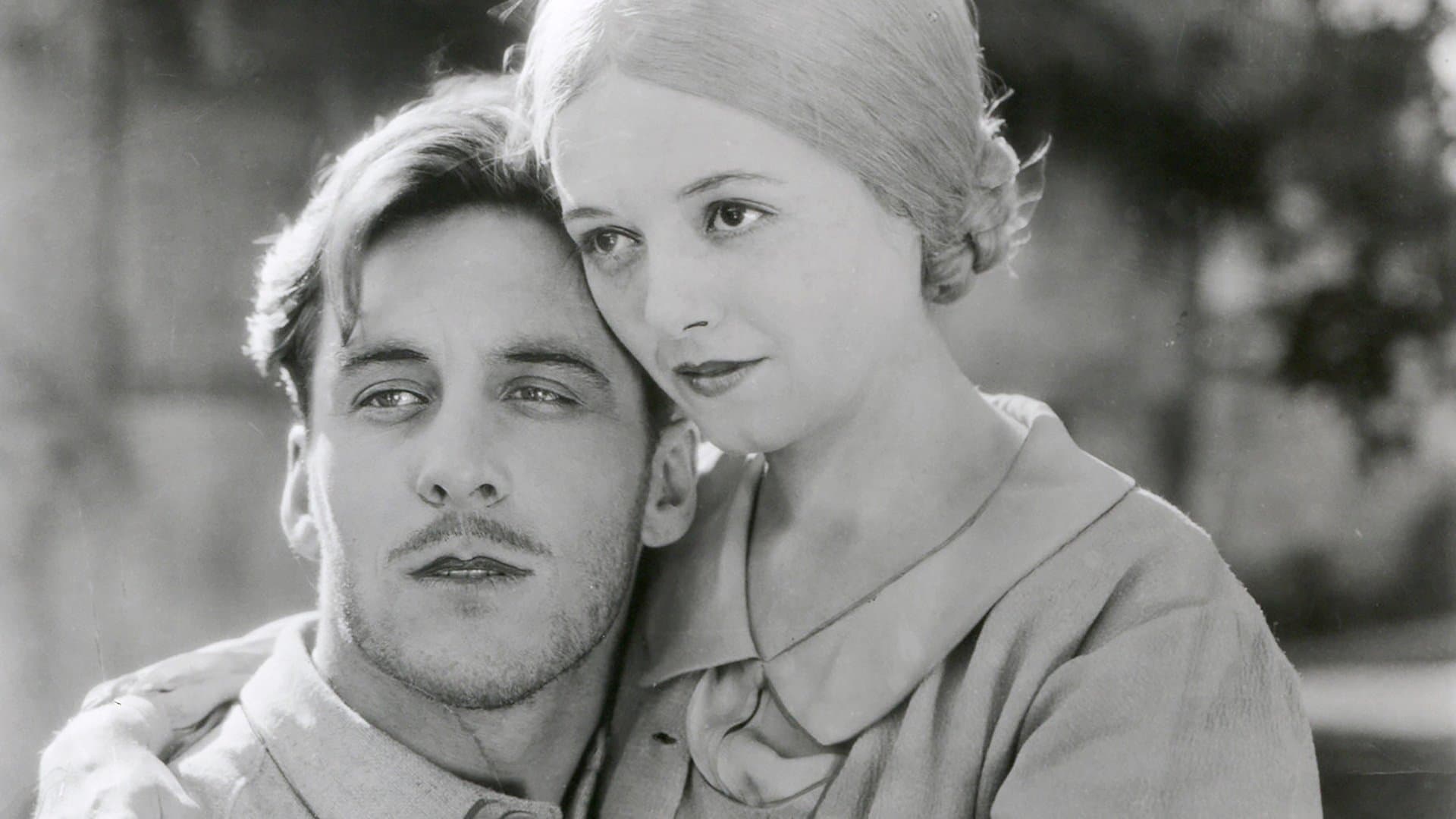
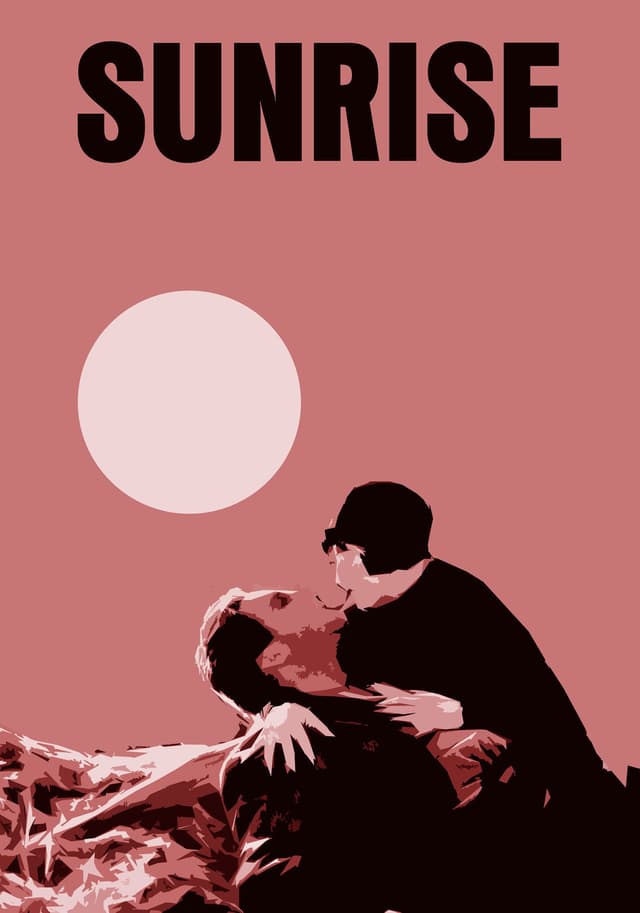
A farmer tempted by a scheming woman from the city resolves to drown his loving wife so he can run away with the seductress. When the moment comes, he cannot do it, and the couple flees together into the city for a long day of reconciliation that turns into something deeper.
What Is the Budget of Sunrise: A Song of Two Humans (1927)?
The production budget of Sunrise: A Song of Two Humans was approximately $200,000 according to contemporary trade reports, with some sources placing the figure as high as $1,000,000. The wide range reflects the disagreement among period sources and the difficulty of separating production cost from the lavish overhead Fox supplied F.W. Murnau as part of his contract.
Studio chief William Fox imported Murnau from Germany in 1926 with an open mandate and a substantial Hollywood budget. The picture took more than five months to shoot, employed elaborate forced-perspective sets, and consumed major resources to build a complete village on the shore of Lake Arrowhead and a marshland on the Fox lot.
Key Budget Allocation Categories
- Director Compensation and Creative Freedom: A long-term contract with Murnau on terms unusual for the silent era, including final cut and a near-blank-check production budget.
- Production Design: Rochus Gliese's forced-perspective sets recreating a German lakeside village, a marshland, and a glittering city center built on the Fox lot at Movietone City.
- Location Construction: A working village constructed on the shore of Lake Arrowhead in the San Bernardino Mountains, plus a marsh set with two moons.
- Cinematography: Charles Rosher and Karl Struss' camera work, including pioneering tracking shots, forced perspective, and superimposed effects, all executed in the studio.
- Cast Compensation: Salaries for George O'Brien, Janet Gaynor, and Margaret Livingston.
- Music and Synchronized Sound: A Movietone synchronized sound-on-film score by Hugo Riesenfeld, with music, ambient effects, and select dialogue, marking one of the first major US releases with synchronized sound.
How Does Sunrise: A Song of Two Humans's Budget Compare to Similar Films?
- Metropolis (1927): Budget approximately $1,300,000 | Initial release loss. Fritz Lang's German silent landmark at a far higher budget that bankrupted UFA on release.
- The Jazz Singer (1927): Budget approximately $422,000 | Worldwide $7,500,000. The Warner Bros. part-talkie released the same month at a higher budget with a far stronger commercial outcome.
- Wings (1927): Budget approximately $2,000,000 | Worldwide $3,800,000. The first Best Picture Oscar winner at ten times Sunrise's budget and stronger box office.
- The Last Command (1928): Budget approximately $300,000 | Worldwide $1,300,000. A directly comparable late-silent prestige picture at a similar budget and similar box office.
Sunrise: A Song of Two Humans Box Office Performance
Sunrise: A Song of Two Humans opened in September 1927 at the Times Square Theatre in New York for an exclusive premiere engagement before going into general release in early 1928.
Box Office Breakdown
Sunrise A Song of Two Humans

For every $1 invested at the lower budget estimate, Fox recouped roughly $4.67 after the exhibitor split. The wider $1,000,000 production estimate would imply a theatrical loss.
Domestic and international combined to produce $1.6 million in initial worldwide rentals. The picture was hampered commercially by the simultaneous launch of The Jazz Singer and the rapid industry pivot to talking pictures, which dated all silent releases within months.
Sunrise: A Song of Two Humans Production History
Studio chief William Fox imported F.W. Murnau from Germany in 1926, following the international success of Murnau's The Last Laugh (1924) and Faust (1926). Fox offered Murnau a long-term contract on terms unusual for the silent era.
Murnau adapted Hermann Sudermann's short story A Trip to Tilsit, working with screenwriter Carl Mayer. Production began in 1926 at Fox's Movietone City studio in Los Angeles, with location work staged at Lake Arrowhead in the San Bernardino Mountains.
Shooting consumed more than five months, an extraordinary schedule for the era. Rochus Gliese's forced-perspective sets and the dual-moon marsh build became reference points for studio production design throughout the late silent era. Following the picture's release, Fox encouraged Murnau to limit the scale of his next two pictures.
Awards and Recognition
Sunrise: A Song of Two Humans won three Academy Awards at the first Oscar ceremony in 1929. Janet Gaynor won Best Actress, partly for her work in Sunrise alongside two other 1927 pictures. The film won Best Unique and Artistic Production, a category that ran only at the first ceremony, and Best Cinematography for Charles Rosher and Karl Struss. The picture appears at number 5 on the 2012 Sight & Sound critics' poll of the greatest films of all time and is widely regarded as the finest American silent picture ever made.
Critical Reception
Sunrise: A Song of Two Humans holds a 96 percent rating on Rotten Tomatoes and a Metacritic score of 95. Roger Ebert included the picture on his Great Movies list and called it "the most beautiful film ever made." J. Hoberman of The Village Voice wrote that Sunrise was "the apotheosis of the silent cinema." Mordaunt Hall of The New York Times called the film "a distinctive achievement" on initial release. The picture has been the subject of sustained academic and critical writing for nearly a century and is taught in essentially every survey course on silent cinema.
Frequently Asked Questions
What is the budget of Sunrise (1927)?
The production budget of Sunrise was approximately $200,000 according to contemporary trade reports, with some sources placing the figure as high as $1,000,000. The wide range reflects disagreement among period sources.
Was Sunrise a commercial success?
The picture grossed approximately $1,636,000 worldwide in initial release. Against the lower budget estimate it was profitable. Against the higher estimate it lost money. The simultaneous release of The Jazz Singer accelerated the industry shift to sound, dating silent releases.
Did Sunrise win any Academy Awards?
Yes. Sunrise won three Oscars at the first Academy Awards ceremony in 1929: Best Cinematography for Charles Rosher and Karl Struss, Best Unique and Artistic Production, and Best Actress for Janet Gaynor.
Who directed Sunrise?
F.W. Murnau directed Sunrise. The picture was Murnau's American debut following his German features The Last Laugh (1924) and Faust (1926).
Where was Sunrise filmed?
Sunrise was shot on the Fox lot at Movietone City in Los Angeles, with extensive location work at Lake Arrowhead in the San Bernardino Mountains, where the production built a complete lakeside village.
Is Sunrise a silent film?
Sunrise was released with a synchronized sound-on-film Movietone score by Hugo Riesenfeld that included music, ambient sound effects, and select non-dialogue audio. There is no spoken dialogue, so the picture is typically classified as a late silent film.
How long is Sunrise?
Sunrise runs 94 minutes in its restored form.
Why is Sunrise considered one of the greatest films ever made?
The picture is celebrated for its forced-perspective production design, pioneering camera movement, and the emotional depth of Murnau's direction. It appears at number 5 on the 2012 Sight & Sound critics' poll of the greatest films of all time.
What story is Sunrise based on?
Sunrise adapts Hermann Sudermann's 1917 short story A Trip to Tilsit, scripted for the screen by Carl Mayer.
Did Murnau make more films at Fox after Sunrise?
Yes. Murnau made two more pictures at Fox, Four Devils (1928) and City Girl (1930), both at reduced budgets. He left Fox after disputes over the studio's recutting of City Girl.
Filmmakers
Sunrise A Song of Two Humans

Official Trailer
Build budgets like this one in Saturation
Start from an industry-standard feature film template, import the schedule and rates you already have, and let the cost report keep itself current as you spend. Real-time collaboration, no spreadsheets.