Grand Illusion Budget
Updated
Synopsis
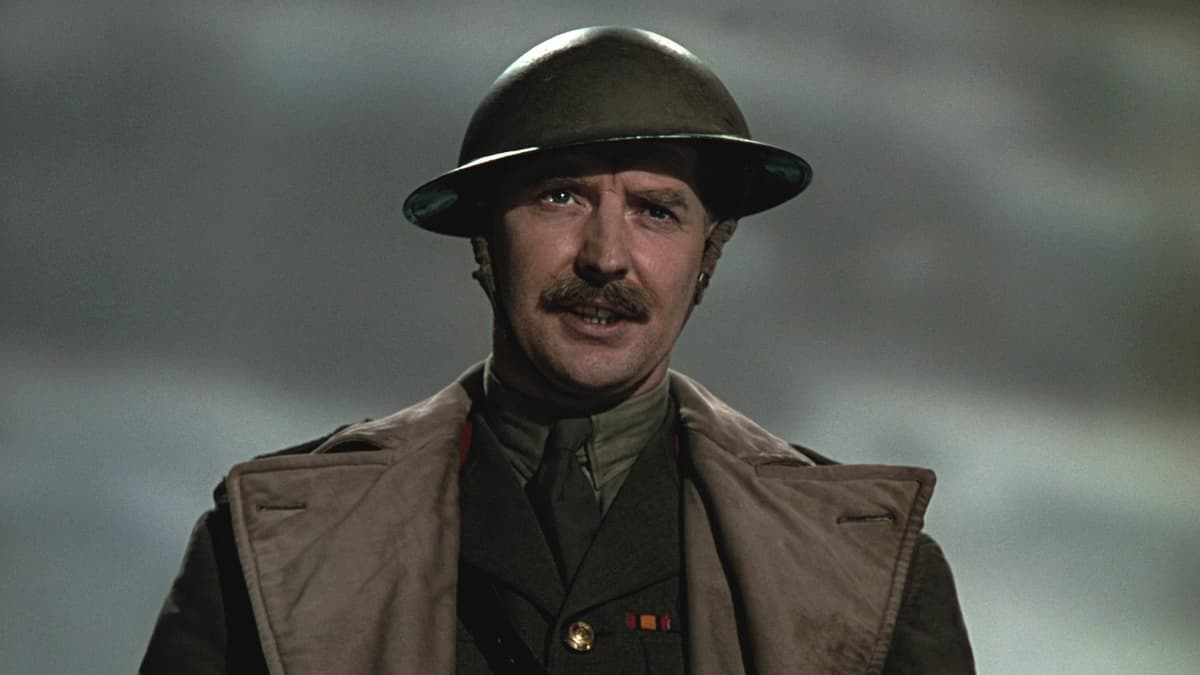
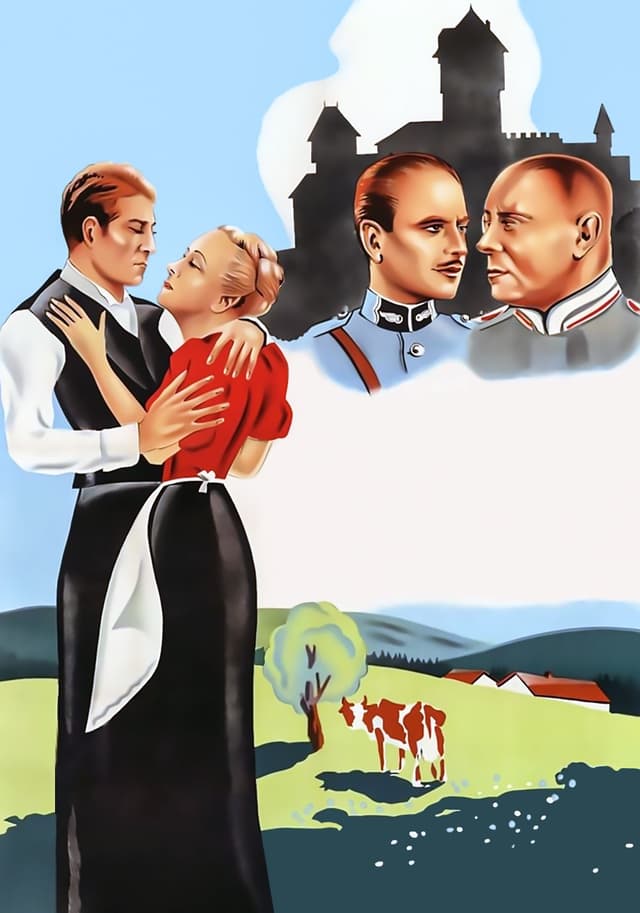
At the height of World War I, the German ace aviator, Captain von Rauffenstein, shoots down the plane of the aristocratic French pilot, Captain de Boeldieu, and his co-pilot, the working-class civilian mechanic, Lieutenant Maréchal, during an air-reconnaissance mission. As the captured officers find themselves in the Hallbach POW camp for officers, they befriend the wealthy former Jewish banker, Lieutenant Rosenthal, and along with a handful of determined compatriots, they organise an escape. However, fate has other plans in store for them, and shortly before the implementation of the plan, they are transferred by train to the impregnable Wintersborn fortress-prison in Alsace, France, overseen by Rauffenstein himself. More and more, respect and appreciation bond von Rauffenstein and de Boeldieu. But, will this delicate relationship, and the grand illusion, stand in the way of breaking out?
What is known about the production of Grand Illusion?
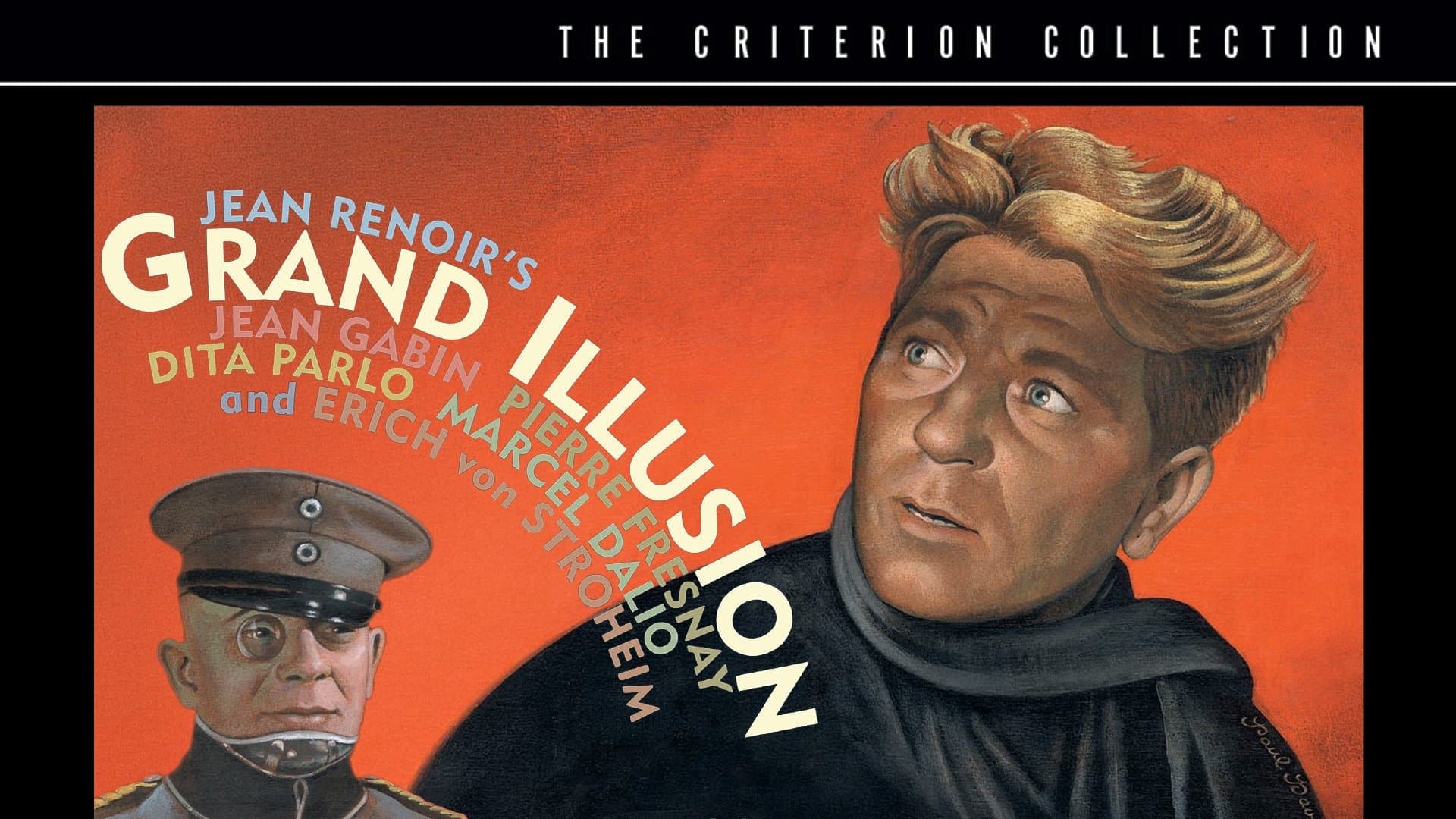
"Grand Illusion," a drama released in 1937, was directed by Jean Renoir and stars Jean Gabin, Pierre Fresnay. The production budget has not been publicly disclosed, though Réalisation d'Art Cinématographique produced the film, making it a notable entry in the drama landscape whose financial details remain private.
Key Budget Allocation Categories
While specific budget breakdowns are not publicly available, typical cost drivers for a drama production like this include:
- Production: Elements of La Grande Illusion are semi-autobiographical in nature.
- Music & Score: The score was written by the Hungarian composer Joseph Kosma, who also wrote the famous song "Autumn Leaves".
What were the major cost factors in Grand Illusion?
Several factors contributed to the overall production costs of "Grand Illusion."
- Production: Production is one of the primary cost drivers in drama productions of this scale.
- Music: Music & Score is one of the primary cost drivers in drama productions of this scale.
Grand Illusion Box Office Performance
"Grand Illusion" earned $172,885 worldwide at the box office.
Grand Illusion Production History
The score was written by the Hungarian composer Joseph Kosma, who also wrote the famous song "Autumn Leaves". The soundtrack also includes many well-known songs of the day from French, English, and German culture. The uncredited musical director was the film and music critic Émile Vuillermoz, who had been a composer in his early career.
Awards and Recognition
Nominated for 1 Oscar. 7 wins & 2 nominations total
Frequently Asked Questions
How much did it cost to make Grand Illusion (1937)?
The production budget has not been publicly disclosed.
How much did Grand Illusion (1937) earn at the box office?
Grand Illusion grossed $172,885 worldwide.
Was Grand Illusion (1937) profitable?
Insufficient data for a profitability assessment.
What were the biggest costs in producing Grand Illusion?
Specific cost breakdowns are not publicly available.
How does Grand Illusion's budget compare to similar drama films?
Without a confirmed budget, comparison is not possible.
Did Grand Illusion (1937) go over budget?
There are no widely reported accounts of significant budget overruns for this production. However, studios rarely disclose precise budget overrun figures publicly. The reported production budget reflects the final estimated cost.
What awards did Grand Illusion (1937) win?
Nominated for 1 Oscar. 7 wins & 2 nominations total.
Who directed Grand Illusion and who were the key crew members?
Directed by Jean Renoir, written by Jean Renoir, shot by Christian Matras, with music by Joseph Kosma, edited by Marthe Huguet, Marguerite Renoir.
Where was Grand Illusion filmed?
Grand Illusion was filmed in France.
Filmmakers
Grand Illusion

Official Trailer
Build budgets like this one in Saturation
Start from an industry-standard feature film template, import the schedule and rates you already have, and let the cost report keep itself current as you spend. Real-time collaboration, no spreadsheets.