Solaris Budget
 DramaScience FictionMystery2h 47m
Updated
Synopsis
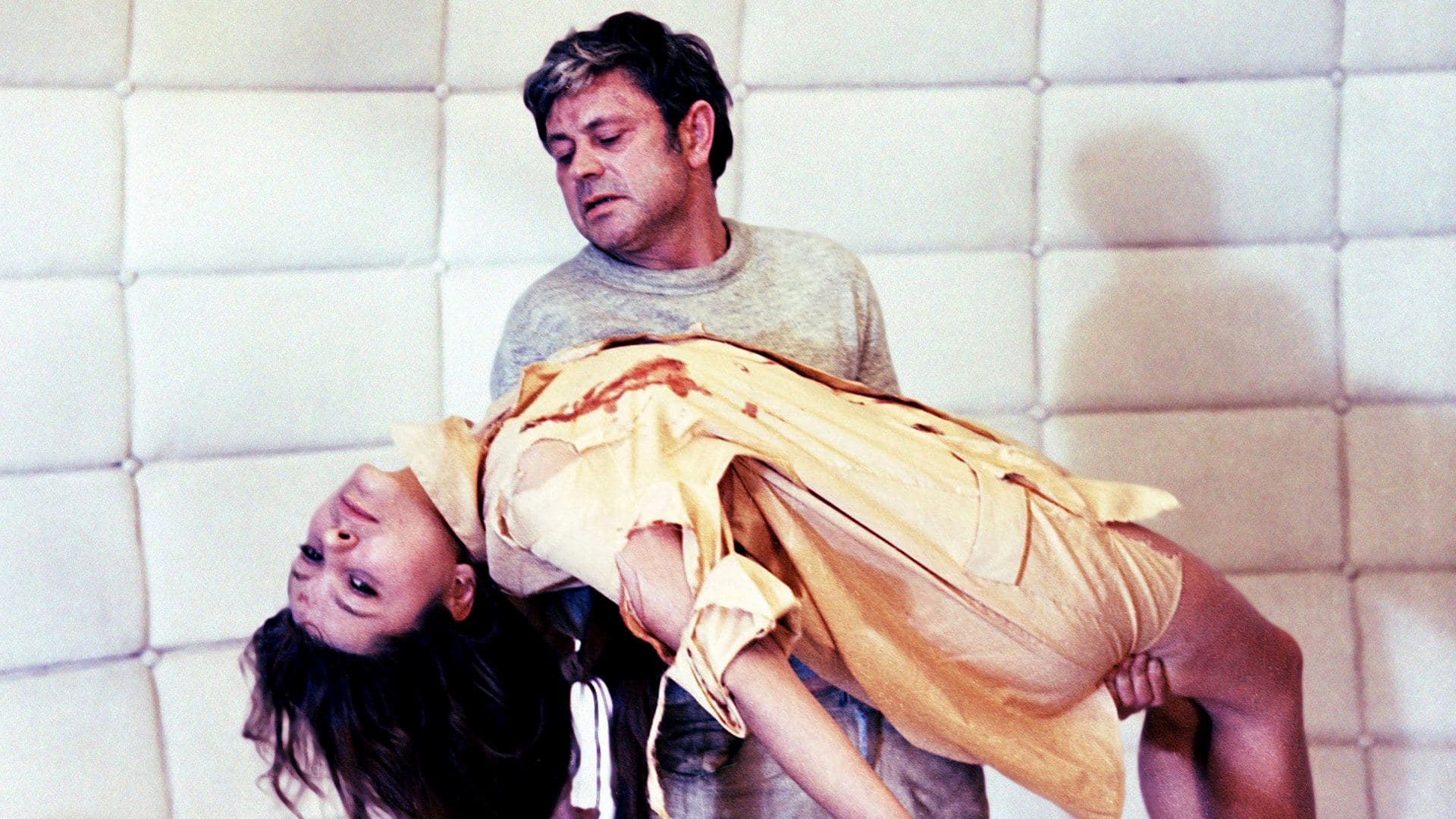
A psychologist is sent to a space station orbiting a planet called Solaris to investigate the death of a doctor and the mental problems of cosmonauts on the station. He soon discovers that the water on the planet is a type of brain which brings out repressed memories and obsessions.
What is known about the production of Solaris?
"Solaris," a drama released in 1972, was directed by Andrei Tarkovsky and stars Natalya Bondarchuk, Donatas Banionis. The production budget has not been publicly disclosed, though Unit Four, Creative Unit of Writers & Cinema Workers, Mosfilm produced the film, making it a notable entry in the drama landscape whose financial details remain private.
Key Budget Allocation Categories
While specific budget breakdowns are not publicly available, typical cost drivers for a drama production like this include:
- Writing: In 1968 the director Andrei Tarkovsky had several motives for cinematically adapting Stanisław Lem's science fiction novel Solaris (1961).
- Casting: Tarkovsky initially wanted his ex-wife, Irma Raush, to play Hari, but after meeting actress Bibi Andersson in June 1970 decided that she was better for the role.
- Filming & Locations: In the summer of 1970 the State Committee for Cinematography (Goskino SSSR) authorized the production of Solaris, with a length of , equivalent to a two-hour-twenty-minute running time.
- Music & Score: The soundtrack of Solaris features Johann Sebastian Bach's chorale prelude for organ Ich ruf' zu dir, Herr Jesu Christ, BWV 639, played by , and an electronic score by Eduard Artemyev.
What were the major cost factors in Solaris?
Several factors contributed to the overall production costs of "Solaris."
- Writing: Writing is one of the primary cost drivers in drama productions of this scale.
- Casting: Casting is one of the primary cost drivers in drama productions of this scale.
- Filming: Filming & Locations is one of the primary cost drivers in drama productions of this scale.
Solaris Box Office Performance
"Solaris" earned $22,168 domestically.
Solaris Production History
In 1968 the director Andrei Tarkovsky had several motives for cinematically adapting Stanisław Lem's science fiction novel Solaris (1961). First, he admired Lem's work. Second, he needed work and money, because his previous film, Andrei Rublev (1966), had gone unreleased, and his screenplay A White, White Day had been rejected (in 1975, it was realised as Mirror).
Tarkovsky initially wanted his ex-wife, Irma Raush, to play Hari, but after meeting actress Bibi Andersson in June 1970 decided that she was better for the role. Wishing to work with Tarkovsky, Andersson agreed to be paid in roubles. Ultimately, Natalya Bondarchuk, whom Tarkovsky met when they were students at the State Institute of Cinematography, was cast as Hari; Bondarchuk had introduced the novel Solaris to him.
In the summer of 1970 the State Committee for Cinematography (Goskino SSSR) authorized the production of Solaris, with a length of , equivalent to a two-hour-twenty-minute running time. The exteriors were photographed at Zvenigorod, near Moscow; the interiors were photographed at the Mosfilm studios. The scenes of space pilot Burton driving through a city were photographed in September and October 1971 at Akasaka and Iikura in Tokyo.
Awards and Recognition
2 wins & 4 nominations total
- Cannes Film Festival Grand Prix
Critical Reception
Film critic Roger Ebert reviewed the 1976 release for The Chicago Sun-Times, giving three out of four stars and writing, "Solaris isn't a fast-moving action picture; it's a thoughtful, deep, sensitive movie that uses the freedom of science fiction to examine human nature. It starts slow, but once you get involved, it grows on you.' Ebert added Solaris to his Great Movies list in 2003, saying he had initially "balked" at its length and pacing but later came to admire Tarkovsky's goals. "No director makes greater demands on our patience.
Frequently Asked Questions
How much did it cost to make Solaris (1972)?
The production budget has not been publicly disclosed.
How much did Solaris (1972) earn at the box office?
Box office figures are not publicly available.
Was Solaris (1972) profitable?
Insufficient data for a profitability assessment.
What were the biggest costs in producing Solaris?
Specific cost breakdowns are not publicly available.
How does Solaris's budget compare to similar drama films?
Without a confirmed budget, comparison is not possible.
Did Solaris (1972) go over budget?
There are no widely reported accounts of significant budget overruns for this production. However, studios rarely disclose precise budget overrun figures publicly. The reported production budget reflects the final estimated cost.
What awards did Solaris (1972) win?
2 wins & 4 nominations total.
Who directed Solaris and who were the key crew members?
Directed by Andrei Tarkovsky, written by Andrei Tarkovsky, Fridrikh Gorenshteyn, shot by Vadim Yusov, with music by Vyacheslav Ovchinnikov, Eduard Artemyev, edited by Nina Marcus, Lyudmila Feiginova.
Where was Solaris filmed?
Solaris was filmed in Soviet Union. In the summer of 1970 the State Committee for Cinematography (Goskino SSSR) authorized the production of Solaris, with a length of , equivalent to a two-hour-twenty-minute running time. The exteriors were photographed at Zvenigorod, near Moscow; the interiors were photographed at the Mosfilm studios.
Filmmakers
Solaris

Official Trailer
Build budgets like this one in Saturation
Start from an industry-standard feature film template, import the schedule and rates you already have, and let the cost report keep itself current as you spend. Real-time collaboration, no spreadsheets.