The Battle of Algiers Budget
Updated
Synopsis
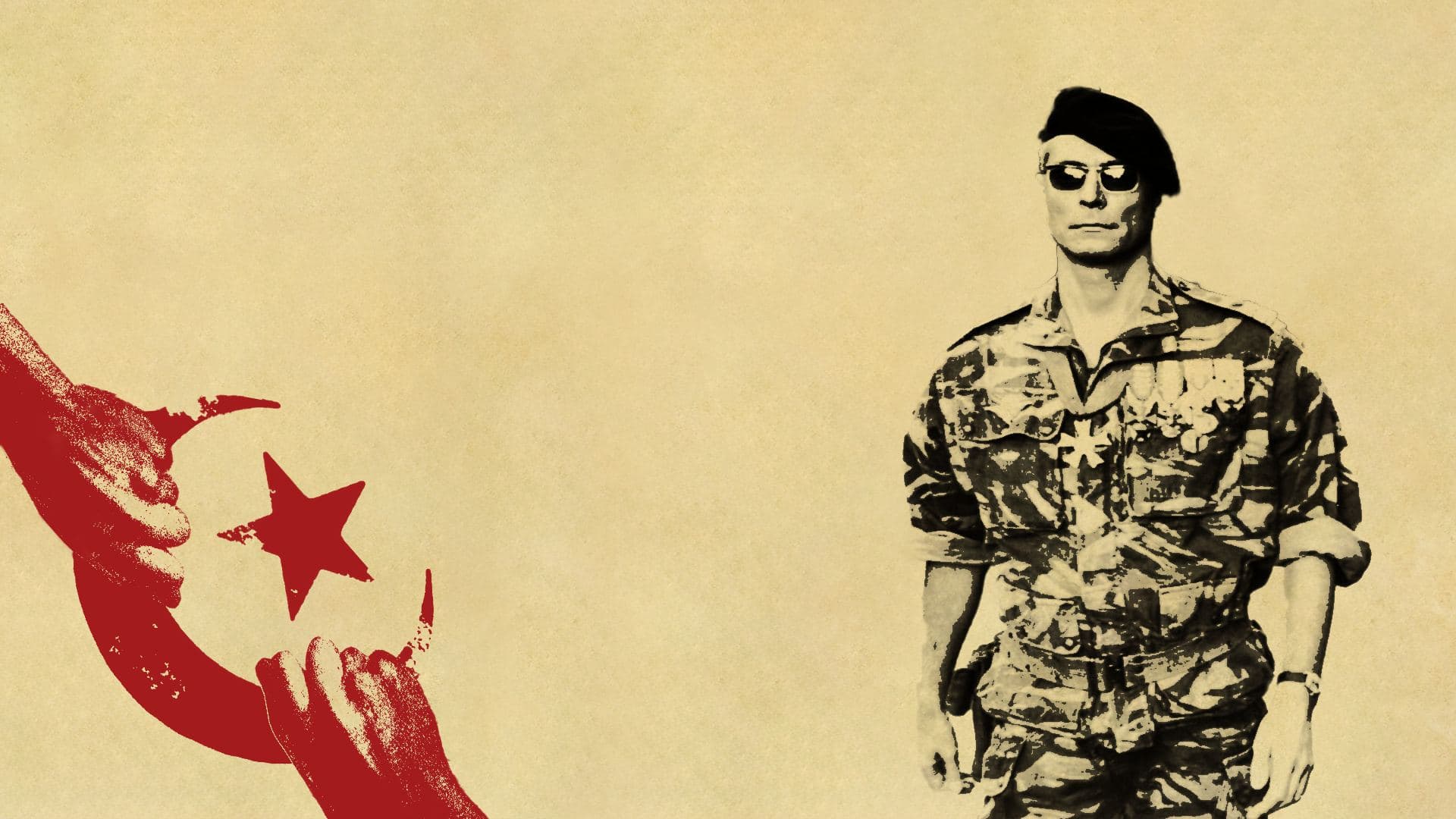
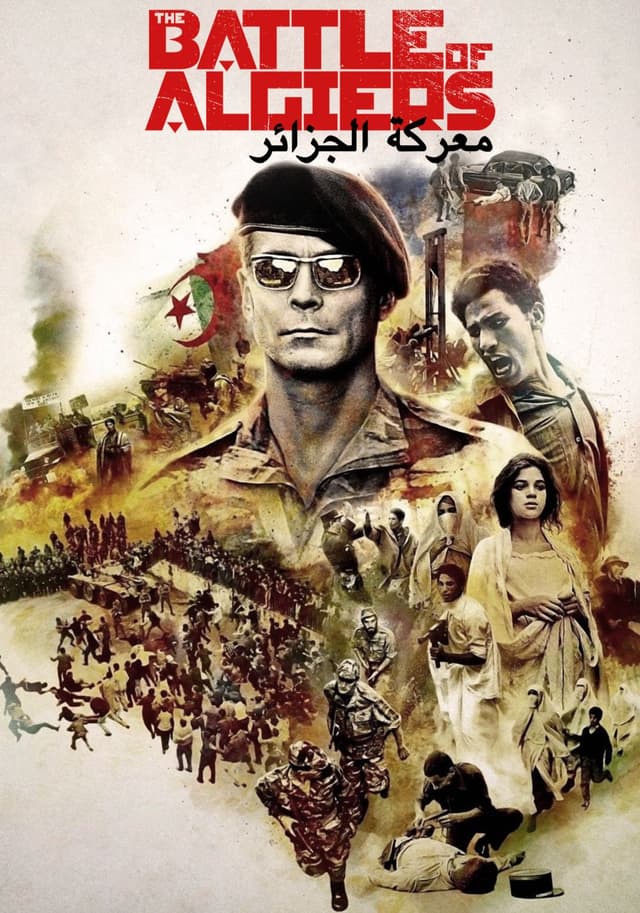
Paratrooper commander Colonel Mathieu, a former French Resistance fighter during World War II, is sent to Algeria to reinforce efforts to squelch the uprisings of the Algerian War. There he faces Ali la Pointe, a former petty criminal who, as the leader of the Algerian Front de Liberation Nationale, directs terror strategies against the colonial French government occupation. As each side resorts to ever-increasing brutality, no violent act is too unthinkable.
What is the budget of The Battle of Algiers?
"The Battle of Algiers," a drama released in 1966, was directed by Gillo Pontecorvo and stars Brahim Hadjadj, Jean Martin. The production budget was $800,000, placing it in the micro-budget range for drama productions of the 1960s.
Key Budget Allocation Categories
While specific budget breakdowns are not publicly available, typical cost drivers for a drama production like this include:
- Above-the-Line Talent: Drama films live or die on the strength of their performances.
- Location Filming & Period Production Design: Authentic locations , whether contemporary or historical , require scouting, permits, travel, lodging, and often significant dressing to match the story's time period.
- Post-Production, Color Grading & Score: The editorial process for dramas is typically longer than genre films, with careful attention to pacing and tone.
- Music & Score: Sound , both music and effects , perform important functions in the movie.
What were the major cost factors in The Battle of Algiers?
Several factors contributed to the overall production costs of "The Battle of Algiers."
- Above-the-Line Talent: Above-the-Line Talent is one of the primary cost drivers in drama productions of this scale.
- Location Filming: Location Filming & Period Production Design is one of the primary cost drivers in drama productions of this scale.
- Post-Production: Post-Production, Color Grading & Score is one of the primary cost drivers in drama productions of this scale.
How Does The Battle of Algiers's Budget Compare to Similar Films?
At $800,000, The Battle of Algiers sits in the micro-budget range. Here is how it compares to productions with a similar budget:
- The Grapes of Wrath (1940): Budget $800,000, Worldwide Gross $1,591,000
- Children of the Corn (1984): Budget $800,000, Worldwide Gross $14,568,989
- The Night of the Hunter (1955): Budget $795,000
- Dumbo (1941): Budget $812,000, Worldwide Gross $1,600,000
- Mirror (1975): Budget $825,000, Worldwide Gross $124,367
The median budget for wide-release drama films in the era ranges from $30 to 80M for mid-budget to $150M+ for tentpoles.
The Battle of Algiers Box Office Performance
"The Battle of Algiers" earned $879,794 domestically and $964,028 worldwide at the box office. Against a production budget of $800,000, the film showed modest profitability in theatrical release.
A film typically needs to earn approximately twice its production budget to cover marketing and distribution costs. For "The Battle of Algiers," that break-even threshold was roughly $1,600,000. With worldwide earnings of $964,028, the film fell short of that threshold but recouped its production costs in theatrical release.
Box Office Breakdown
The Battle of Algiers

At 20.5%, "The Battle of Algiers" returned its production investment but margin was tight after marketing and distribution costs.
The Battle of Algiers Production History
Sound , both music and effects , perform important functions in the movie. Indigenous Algerian drumming, rather than dialogue, is heard during a scene in which female FLN militants prepare for bombings. In addition, Pontecorvo used the sounds of gunfire, helicopters and truck engines to symbolize the French methods of battle, while bomb blasts, ululation, wailing and chanting symbolize the Algerian methods.
Awards and Recognition
Nominated for 3 Oscars. 9 wins & 8 nominations total
- Golden Lion
Critical Reception
The film won the Golden Lion at the Venice Film Festival and was nominated for three Academy Awards (in non-consecutive years, a unique achievement): Best Foreign Language Film in 1966, and Best Screenplay (Gillo Pontecorvo and Franco Solinas) and Best Director (Gillo Pontecorvo) in 1968.
Frequently Asked Questions
How much did it cost to make The Battle of Algiers (1966)?
The production budget was $800,000, covering principal photography, cast and crew salaries, locations, sets, post-production, and music. Marketing and distribution (P&A) costs are estimated at an additional $400,000 - $640,000, bringing the total studio investment to approximately $1,200,000 - $1,440,000.
How much did The Battle of Algiers (1966) earn at the box office?
The Battle of Algiers grossed $879,794 domestic, $84,234 international, totaling $964,028 worldwide.
Was The Battle of Algiers (1966) profitable?
The film did not break even theatrically, earning $964,028 against an estimated $2,000,000 needed. Ancillary revenue may have improved the picture.
What were the biggest costs in producing The Battle of Algiers?
The primary cost drivers were above-the-line talent (Brahim Hadjadj, Jean Martin, Yacef Saâdi); talent compensation, authentic period production design, and meticulous post-production; international production across Italy, Algeria.
How does The Battle of Algiers's budget compare to similar drama films?
At $800,000, The Battle of Algiers is classified as a ultra-low-budget production. The median budget for wide-release drama films in the era ranges from $30 - 80M for mid-budget to $150M+ for tentpoles. Comparable budgets: The Grapes of Wrath (1940, $800,000); Children of the Corn (1984, $800,000); The Night of the Hunter (1955, $795,000).
Did The Battle of Algiers (1966) go over budget?
There are no widely reported accounts of significant budget overruns for this production. However, studios rarely disclose precise budget overrun figures publicly. The reported production budget reflects the final estimated cost.
What was the return on investment (ROI) for The Battle of Algiers?
The theatrical ROI was 20.5%, calculated as ($964,028 − $800,000) ÷ $800,000 × 100. This measures gross revenue against production budget only - it does not account for P&A or exhibitor shares.
What awards did The Battle of Algiers (1966) win?
Nominated for 3 Oscars. 9 wins & 8 nominations total.
Who directed The Battle of Algiers and who were the key crew members?
Directed by Gillo Pontecorvo, written by Franco Solinas, Gillo Pontecorvo, shot by Marcello Gatti, with music by Gillo Pontecorvo, Ennio Morricone, edited by Mario Morra, Mario Serandrei.
Where was The Battle of Algiers filmed?
The Battle of Algiers was filmed in Italy, Algeria.
Filmmakers
The Battle of Algiers

Official Trailer
Build budgets like this one in Saturation
Start from an industry-standard feature film template, import the schedule and rates you already have, and let the cost report keep itself current as you spend. Real-time collaboration, no spreadsheets.