Sansho the Bailiff Budget
Updated
Synopsis
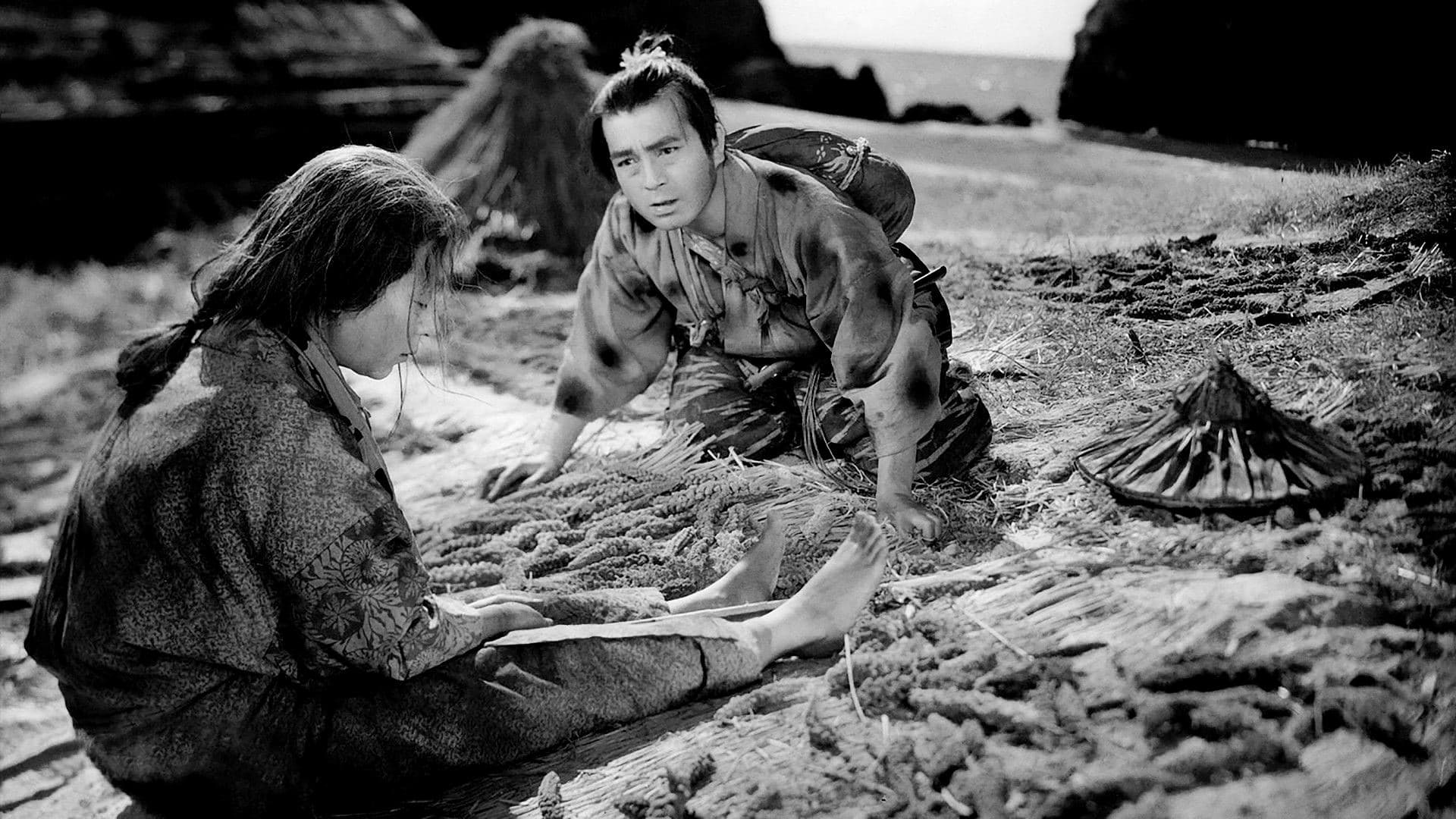
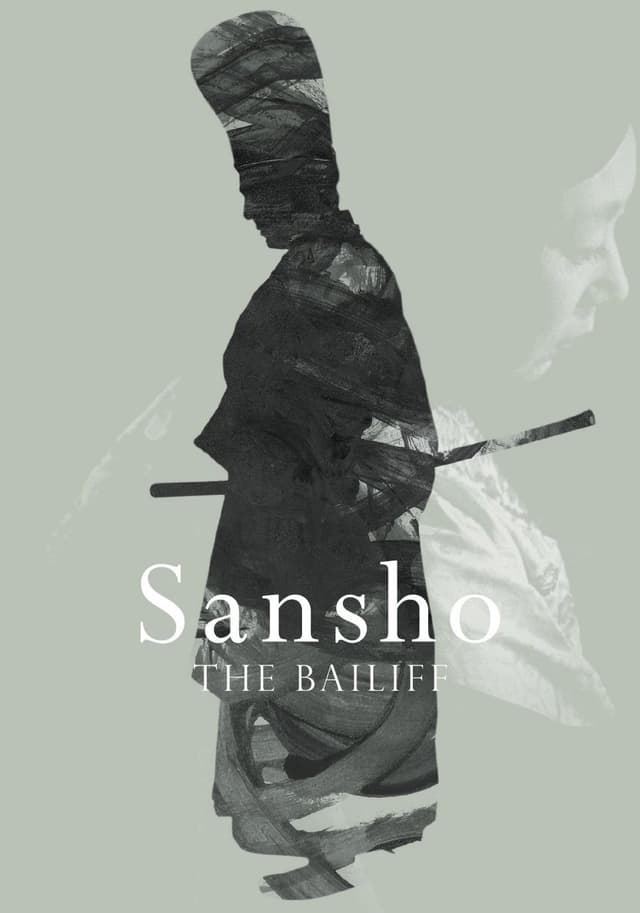
In Heian-era Japan, the wife and children of an exiled provincial governor are kidnapped on a journey to rejoin him. The children, Zushio and Anju, are sold into slavery under the brutal bailiff Sansho, and their separated mother is forced into prostitution on a distant island.
What Is the Budget of Sansho the Bailiff (1954)?
Sansho the Bailiff (1954), directed by Kenji Mizoguchi, was produced on an estimated budget of approximately 90,000,000 to 130,000,000 Japanese yen, or approximately $250,000 to $360,000 in mid-1950s US dollars. The figure has not been formally disclosed by Daiei Film, but the scale is consistent with the major Mizoguchi prestige features produced at Daiei in the early to mid-1950s, alongside Ugetsu, Life of Oharu, and other contemporaneous works in the director's late-career run.
The film was produced by Masaichi Nagata for Daiei Film, the studio that backed Mizoguchi's late-career prestige cycle. The screenplay by Fuji Yahiro and Yoshikata Yoda adapts Mori Ogai's 1915 novella of the same name, which itself reworks the medieval folktale of Anju and Zushio. Daiei handled Japanese distribution and Edward Harrison's Harrison Pictures released the film in the United States in 1969.
Key Budget Allocation Categories
The estimated 90,000,000 to 130,000,000 yen budget supported a major studio-backed Heian-period period feature:
- Above-the-Line Talent: Kinuyo Tanaka starred as Tamaki, the exiled mother, alongside Yoshiaki Hanayagi as the adult Zushio, Kyoko Kagawa as the adult Anju, Eitaro Shindo as Sansho the Bailiff, and a deep Japanese-cinema supporting ensemble. The Mizoguchi-Tanaka collaboration in particular brought the major-leading-lady-and-director pairing that defined a significant share of Mizoguchi's late-career output.
- Period Production Design: Heian-period and feudal-Japan production design by Kisaku Ito, including the bailiff's manor, the lakeside village, the slave-labor encampment, and the temple-and-imperial-court interiors required for the second half of the film.
- Cinematography: Kazuo Miyagawa, the celebrated Japanese cinematographer who also shot Mizoguchi's Ugetsu and Akira Kurosawa's Rashomon, shot Sansho the Bailiff in black and white on 35mm with the long-take and depth-of-field treatment that became a signature of Mizoguchi's late-period style.
- Costume: Period-appropriate Heian-era court and feudal wardrobe across the principal ensemble, the slave-camp prisoner wardrobe, and the supporting villager and clergy ensembles.
- Music: Fumio Hayasaka, the long-standing Mizoguchi and Kurosawa collaborator, composed the score, with Tamekichi Mochizuki credited for the traditional-Japanese-music elements.
- Location and Studio Production: Principal photography took place on Daiei soundstages and on location across multiple Honshu regions, with the lakeside and forest sequences requiring extended location moves.
- Post-Production: Editorial by Mitsuzo Miyata, sound mix, and Venice Film Festival print delivery completed the finishing pipeline ahead of the September 1954 Venice premiere.
How Does Sansho the Bailiff's Budget Compare to Similar Films?
Sansho the Bailiff sits in the early-to-mid-1950s major Japanese studio prestige-period-feature landscape:
- Ugetsu (1953): Budget approximately 80,000,000 yen | Worldwide art-house distribution. Kenji Mizoguchi's preceding Daiei prestige feature at slightly lower budget represents the director's immediate prior major work and the closest direct peer.
- Seven Samurai (1954): Budget approximately 210,000,000 yen | Worldwide $269,000. Akira Kurosawa's Toho samurai epic at much higher budget represents the contemporary Japanese-cinema flagship in the same release year.
- Gate of Hell (1953): Budget approximately 80,000,000 yen | Worldwide art-house distribution. Teinosuke Kinugasa's Daiei Eastmancolor period feature at lower budget represents the contemporary color-film prestige peer.
- Tokyo Story (1953): Budget approximately 90,000,000 yen | Worldwide art-house distribution. Yasujiro Ozu's Shochiku contemporary family drama at comparable budget represents another contemporary major Japanese cinematic peer.
Sansho the Bailiff Box Office Performance
Sansho the Bailiff opened theatrically in Japan on March 31, 1954 through Daiei and premiered internationally at the 15th Venice Film Festival in September 1954, winning the Silver Lion. The film generated steady Japanese studio-prestige theatrical performance through 1954 and 1955. The film did not receive a US theatrical release until 1969 through Edward Harrison's Harrison Pictures, and its principal international art-house revenue came through the 1969 and subsequent revival theatrical cycles.
Against the estimated 90,000,000 to 130,000,000 yen production budget, the financial breakdown:
Box Office Breakdown
Sansho the Bailiff

The film operated on the studio-prestige-feature distribution model that the major Japanese studios were running in the early to mid-1950s, with international art-house revenue arriving primarily through the festival-launched and revival-theatrical channels. The 1969 Harrison Pictures US release and subsequent Criterion Collection home-video releases continue to drive long-tail commercial life.
Sansho the Bailiff Production History
Sansho the Bailiff originated from Mori Ogai's 1915 novella of the same name, which itself reworks the medieval Japanese folktale of Anju and Zushio. Director Kenji Mizoguchi commissioned screenwriters Fuji Yahiro and Yoshikata Yoda, his long-standing screenwriting collaborator, to adapt the novella, with the screenplay developing the political and humanist dimensions of the source. The production was greenlit by Daiei Film as the third in the studio's late-career Mizoguchi prestige cycle that included Ugetsu in 1953 and the subsequent The Crucified Lovers in 1954.
Principal photography took place in early 1954 on Daiei soundstages and on location across multiple Honshu regions. Cinematographer Kazuo Miyagawa developed the long-take and depth-of-field cinematography that became one of the most studied visual registers in 1950s Japanese cinema. The Kinuyo Tanaka-Kenji Mizoguchi collaboration, a defining pairing of the era, anchored the production's emotional center.
The film premiered at the Venice Film Festival in September 1954, winning the Silver Lion. The award represented Mizoguchi's third consecutive Venice prize after Saikaku Ichidai Onna in 1952 and Ugetsu in 1953, an unprecedented hat-trick for a single director in the festival's history.
Awards and Recognition
Sansho the Bailiff received major international awards recognition. The film won the Silver Lion at the 1954 Venice Film Festival, the festival's principal competition prize alongside the Golden Lion in that era, completing director Kenji Mizoguchi's unprecedented three-consecutive-year Venice prize hat-trick after Saikaku Ichidai Onna in 1952 and Ugetsu in 1953. The film received Kinema Junpo critical recognition and Mainichi Film Concours category nominations and wins. The film's lasting reception positioned it as one of the canonical works of Japanese cinema and a foundational text in the international art-house canon, with the Criterion Collection releasing it in multiple home-video editions across decades.
Critical Reception
Sansho the Bailiff received strong critical reception across decades of revival and home-video reassessment. The film holds a 100% Rotten Tomatoes approval rating based on 35 reviews, reflecting the sustained critical reputation. The film holds a Metacritic score of 95 out of 100 across 11 critics, indicating universal acclaim.
Reviewers and historians from the original 1954 Venice critical apparatus through the Criterion Collection reissue cycles have singled out the Kazuo Miyagawa cinematography, the Kinuyo Tanaka and supporting-cast performances, the Fuji Yahiro and Yoshikata Yoda screenplay's political-humanist register, and the Kenji Mizoguchi direction as the film's principal strengths. Andrew Sarris ranked the film among the greatest films ever made, and the Sight & Sound critics polls have repeatedly placed Sansho the Bailiff among the top 100 films in cinema history. The reception positioned the film as one of the canonical works of Japanese cinema and one of the most influential films in the international art-house canon.
Frequently Asked Questions
How much did it cost to make Sansho the Bailiff (1954)?
The production budget has not been formally disclosed by Daiei Film but is estimated at approximately 90,000,000 to 130,000,000 Japanese yen, or roughly $250,000 to $360,000 in mid-1950s US dollars, consistent with the studio's late-career Mizoguchi prestige cycle.
Who directed Sansho the Bailiff?
Kenji Mizoguchi directed the film as the third in his late-career Daiei prestige cycle that included Ugetsu in 1953 and The Crucified Lovers in 1954. Mizoguchi remains one of the canonical directors of 1950s Japanese cinema.
Is Sansho the Bailiff based on a novel?
The film adapts Mori Ogai's 1915 novella of the same name, which itself reworks the medieval Japanese folktale of Anju and Zushio. The screenplay by Fuji Yahiro and Yoshikata Yoda developed the political and humanist dimensions of the source.
Did Sansho the Bailiff win the Golden Lion?
No. The film won the Silver Lion at the 1954 Venice Film Festival. In that era, the Silver Lion was a principal competition prize alongside the Golden Lion. The award completed Kenji Mizoguchi's unprecedented three-consecutive-year Venice prize hat-trick.
Who shot Sansho the Bailiff?
Kazuo Miyagawa, the celebrated Japanese cinematographer who also shot Mizoguchi's Ugetsu and Akira Kurosawa's Rashomon, shot the film with the long-take and depth-of-field treatment that became a signature of Mizoguchi's late-period style.
Who stars in Sansho the Bailiff?
Kinuyo Tanaka stars as Tamaki, the exiled mother, alongside Yoshiaki Hanayagi as the adult Zushio, Kyoko Kagawa as the adult Anju, Eitaro Shindo as Sansho the Bailiff, and a deep Japanese-cinema supporting ensemble.
When did Sansho the Bailiff release?
The film opened theatrically in Japan on March 31, 1954 through Daiei and premiered internationally at the Venice Film Festival in September 1954. The US theatrical release did not arrive until 1969 through Edward Harrison's Harrison Pictures.
Did Sansho the Bailiff win any awards?
Yes. The film won the Silver Lion at the 1954 Venice Film Festival, completing Kenji Mizoguchi's three-consecutive-year Venice prize hat-trick. It also received Kinema Junpo critical recognition and Mainichi Film Concours category nominations.
What did critics think of Sansho the Bailiff?
Reviews are universally strong, with a 100% Rotten Tomatoes approval rating across 35 reviews and a Metacritic score of 95. Critics across decades have placed the film among the canonical works of Japanese cinema and the international art-house canon.
Is Sansho the Bailiff on the Criterion Collection?
Yes. The Criterion Collection has released Sansho the Bailiff in multiple home-video editions across decades, and the film streams on the Criterion Channel as part of the Mizoguchi late-career prestige cycle alongside Ugetsu and other contemporary works.
Filmmakers
Sansho the Bailiff

Official Trailer
Build budgets like this one in Saturation
Start from an industry-standard feature film template, import the schedule and rates you already have, and let the cost report keep itself current as you spend. Real-time collaboration, no spreadsheets.