Punishment Park Budget
 DramaThriller1h 28m
Updated
Synopsis
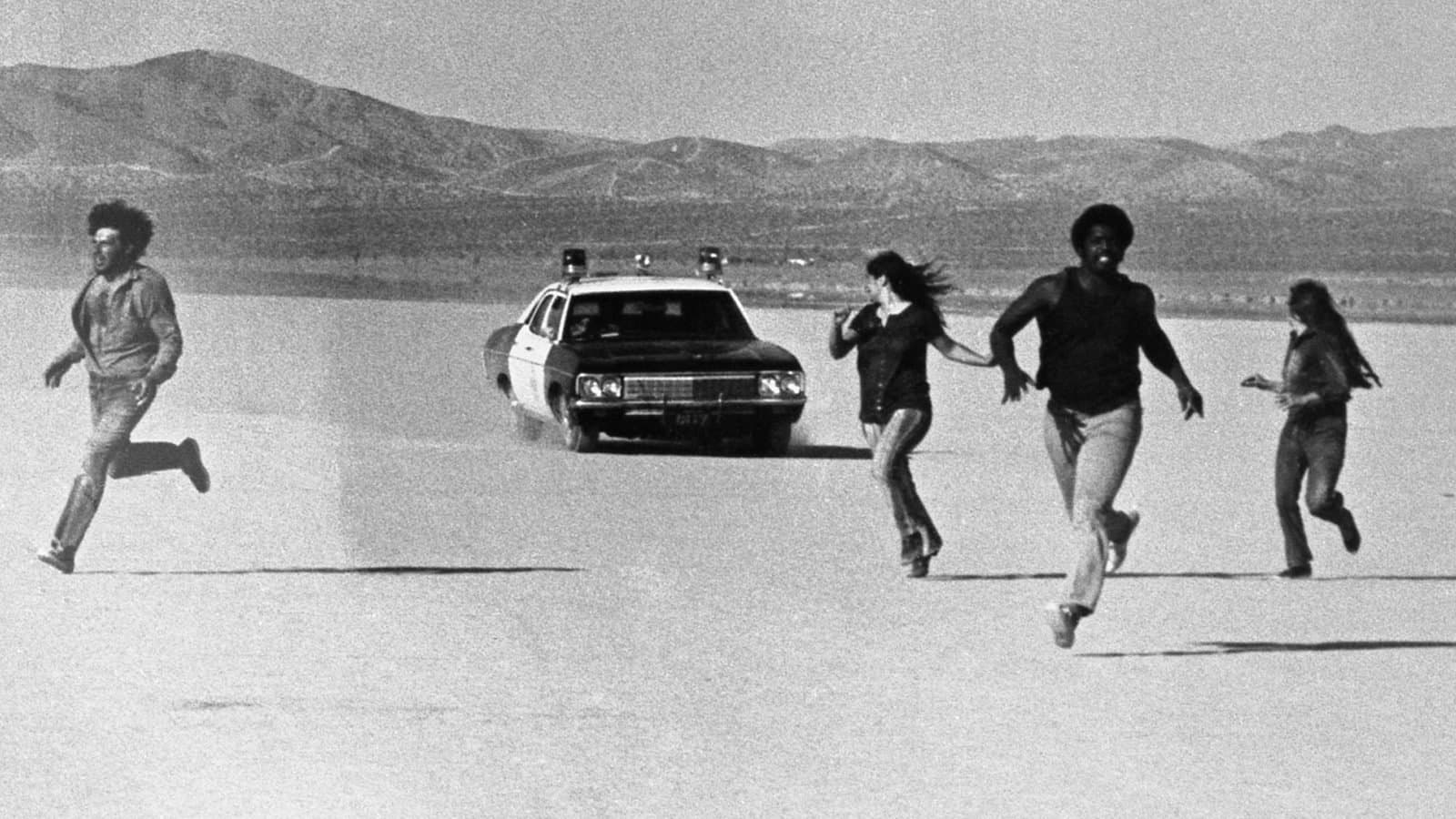
"Punishment Park" is a pseudo-documentary purporting to be a film crews's news coverage of the team of soldiers escorting a group of hippies, draft dodgers, and anti-establishment types across the desert in a type of capture the flag game. The soldiers vow not to interfere with the rebels' progress and merely shepherd them along to their destination. At that point, having obtained their goal, they will be released. The film crew's coverage is meant to insure that the military's intentions are honorable. As the representatives of the 60's counter-culture get nearer to passing this arbitrary test, the soldiers become increasingly hostile, attempting to force the hippies out of their pacifist behavior. A lot of this film appears improvised and in several scenes real tempers seem to flare as some of the "acting" got overaggressive. This is a interesting exercise in situational ethics. The cinéma vérité style, hand-held camera, and ambiguous demands of the director - would the actors be able to maintain their roles given the hazing they were taking - pushed some to the brink. The cast's emotions are clearly on the surface. Unfortunately this film has gone completely underground and is next to impossible to find. It would offer a captivating document of the distrust that existed between soldiers willfully serving in the military and those persons who opposed the war peacefully.
What is the budget of Punishment Park?
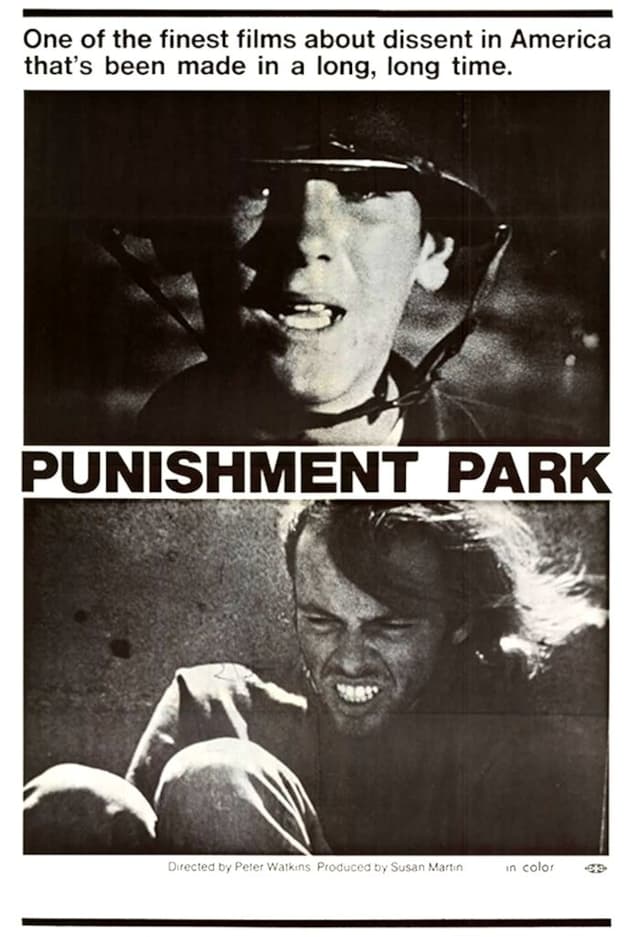
"Punishment Park," a drama released in 1971, was directed by Peter Watkins and stars Patrick Boland, Carmen Argenziano. The production budget was $95,000, placing it in the micro-budget range for drama productions of the 1970s.
Key Budget Allocation Categories
While specific budget breakdowns are not publicly available, typical cost drivers for a drama production like this include:
- Above-the-Line Talent: Drama films live or die on the strength of their performances.
- Location Filming & Period Production Design: Authentic locations , whether contemporary or historical , require scouting, permits, travel, lodging, and often significant dressing to match the story's time period.
- Post-Production, Color Grading & Score: The editorial process for dramas is typically longer than genre films, with careful attention to pacing and tone.
- Production: The film is an example of a uchronia, or alternate history, and of a psychodrama.
What were the major cost factors in Punishment Park?
Several factors contributed to the overall production costs of "Punishment Park."
- Above-the-Line Talent: Above-the-Line Talent is one of the primary cost drivers in drama productions of this scale.
- Location Filming: Location Filming & Period Production Design is one of the primary cost drivers in drama productions of this scale.
- Post-Production: Post-Production, Color Grading & Score is one of the primary cost drivers in drama productions of this scale.
How Does Punishment Park's Budget Compare to Similar Films?
At $95,000, Punishment Park sits in the micro-budget range. Here is how it compares to productions with a similar budget:
- Winnie the Pooh: Blood and Honey (2023): Budget $100,000 , Gross $7,717,044
- Host (2020): Budget $100,000, Worldwide Gross $443,807
- The Open House (2018): Budget $100,000
- A Ghost Story (2017): Budget $100,000, Worldwide Gross $1,929,659
- Shithouse (2020): Budget $80,000, Worldwide Gross $18,370
The median budget for wide-release drama films in the era ranges from $30 to 80M for mid-budget to $150M+ for tentpoles.
Awards and Recognition
1 win total
Critical Reception
One of Watkins' intentions for the film was to provoke strong emotional and intellectual responses. Few people had impartial reactions to the film. As Watkins foresaw, this produced debates after the viewings of the film similar to the debates that take place in the film. There were many extremely negative reactions to the film, largely due to the unconventional form or because it was viewed as an indictment against the United States. Some even linked the film to communism, claiming that the film expresses a Communist philosophy.
Frequently Asked Questions
How much did it cost to make Punishment Park (1971)?
The production budget was $95,000, covering principal photography, cast and crew salaries, locations, sets, post-production, and music. Marketing and distribution (P&A) costs are estimated at an additional $47,500 - $76,000, bringing the total studio investment to approximately $142,500 - $171,000.
How much did Punishment Park (1971) earn at the box office?
Box office figures are not publicly available.
Was Punishment Park (1971) profitable?
Insufficient data for a profitability assessment.
What were the biggest costs in producing Punishment Park?
The primary cost drivers were above-the-line talent (Patrick Boland, Carmen Argenziano, Kent Foreman); talent compensation, authentic period production design, and meticulous post-production.
How does Punishment Park's budget compare to similar drama films?
At $95,000, Punishment Park is classified as a ultra-low-budget production. The median budget for wide-release drama films in the era ranges from $30 - 80M for mid-budget to $150M+ for tentpoles. Comparable budgets: Winnie the Pooh: Blood and Honey (2023, $100,000); Host (2020, $100,000); The Open House (2018, $100,000).
Did Punishment Park (1971) go over budget?
There are no widely reported accounts of significant budget overruns for this production. However, studios rarely disclose precise budget overrun figures publicly. The reported production budget reflects the final estimated cost.
What awards did Punishment Park (1971) win?
1 win total.
Who directed Punishment Park and who were the key crew members?
Directed by Peter Watkins, written by Peter Watkins, shot by Joan Churchill, with music by Paul Motian, edited by Terry Hodel, Peter Watkins.
Where was Punishment Park filmed?
Punishment Park was filmed in United States of America.
Filmmakers
Punishment Park

Official Trailer
Build budgets like this one in Saturation
Start from an industry-standard feature film template, import the schedule and rates you already have, and let the cost report keep itself current as you spend. Real-time collaboration, no spreadsheets.