Sanjuro Budget
Updated
Synopsis
A scruffy wandering ronin agrees to help a group of nine inexperienced young samurai expose a corrupt chamberlain who has framed their honest superintendent. With his tactical mind and reluctant patience, he pulls the cadets out of one trap after another while orchestrating their target's downfall.
What is known about the production of Sanjuro?
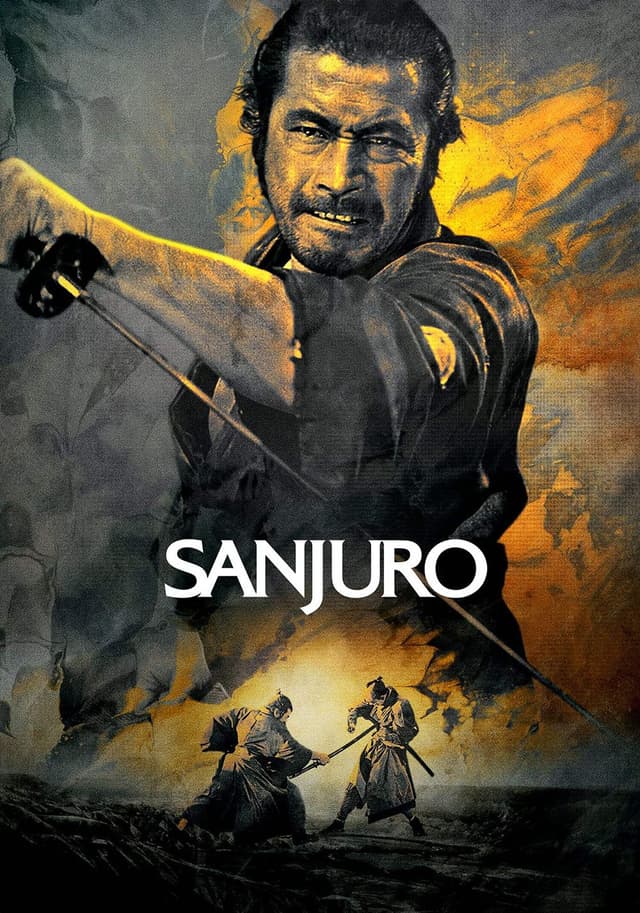
"Sanjuro," a drama released in 1962, was directed by Akira Kurosawa and stars Toshirō Mifune, Tatsuya Nakadai. The production budget has not been publicly disclosed, though TOHO produced the film, making it a notable entry in the drama landscape whose financial details remain private.
Key Budget Allocation Categories
While specific budget breakdowns are not publicly available, typical cost drivers for a drama production like this include:
- Production: The story is primarily based on Shūgorō Yamamoto's short story .
What were the major cost factors in Sanjuro?
Several factors contributed to the overall production costs of "Sanjuro."
- Production: Production is one of the primary cost drivers in drama productions of this scale.
Sanjuro Box Office Performance
"Sanjuro" earned $46,808 domestically.
Awards and Recognition
1 win & 1 nomination total
Critical Reception
The film has been positively received by critics. It holds a 100% rating on the review aggregator Rotten Tomatoes based on 29 reviews, with a weighted average of 8.38/10. The site's consensus reads: "Technically impressive and superbly acted, Sanjuro is a funny, action-packed samurai adventure featuring outstanding cinematography and a charismatic performance from Toshiro Mifune". In 2009 the film was voted at No. 59 on the list of The Greatest Japanese Films of All Time by Japanese film magazine Kinema Junpo.
How Does Sanjuro's Budget Compare to Similar Films?
- Yojimbo (1961): Budget undisclosed | Worldwide undisclosed. The original picture introducing the same ronin character. Toho greenlit Sanjuro in response to Yojimbo's strong domestic success.
- Seven Samurai (1954): Budget approximately $560,000 | Worldwide undisclosed. Kurosawa's landmark earlier samurai film, which set the production scale standard for Toho's prestige releases of the era.
- Throne of Blood (1957): Budget undisclosed | Worldwide undisclosed. Another Toho Kurosawa-Mifune collaboration with comparable mid-range Japanese studio budgeting and an international art house following.
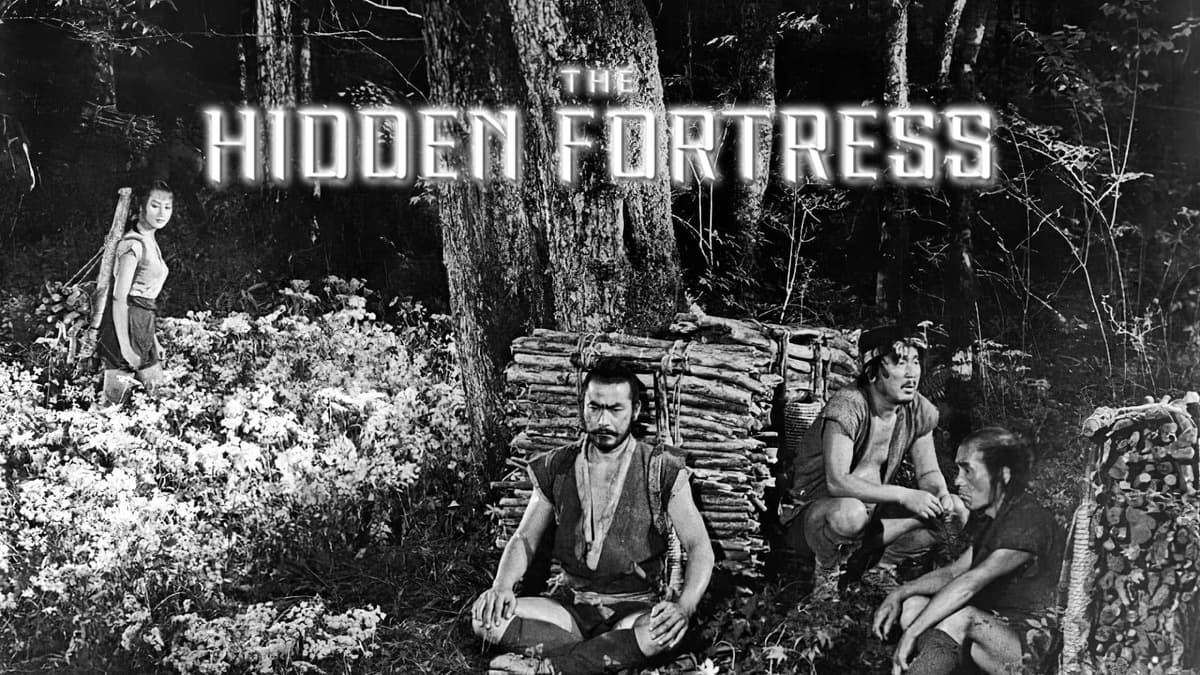
- The Hidden Fortress (1958): Budget undisclosed | Worldwide undisclosed. Kurosawa's widescreen action-adventure that prefigured Sanjuro's playful tone and influenced George Lucas's Star Wars.
Sanjuro Production History
Sanjuro was developed at Toho Studios in late 1961, immediately after the strong domestic reception of Yojimbo earlier that year. The picture began as an adaptation of a Shūgorō Yamamoto novella called "Hibi heian" that was already in development at Toho. Director Akira Kurosawa was assigned to the project and rewrote the screenplay with Ryūzō Kikushima and Hideo Oguni to transform the original tale into a sequel that brought back Toshiro Mifune's nameless ronin from Yojimbo.
Kurosawa shot Sanjuro on Toho soundstages and in surrounding Japanese locations between late 1961 and early 1962, working with cinematographer Fukuzō Koizumi on the picture's widescreen black and white compositions. Composer Masaru Sato returned, building on the percussive musical vocabulary he had introduced for Yojimbo. The picture was completed quickly, capitalizing on the Yojimbo cast and crew chemistry, and is widely cited as one of the most efficient Kurosawa productions.
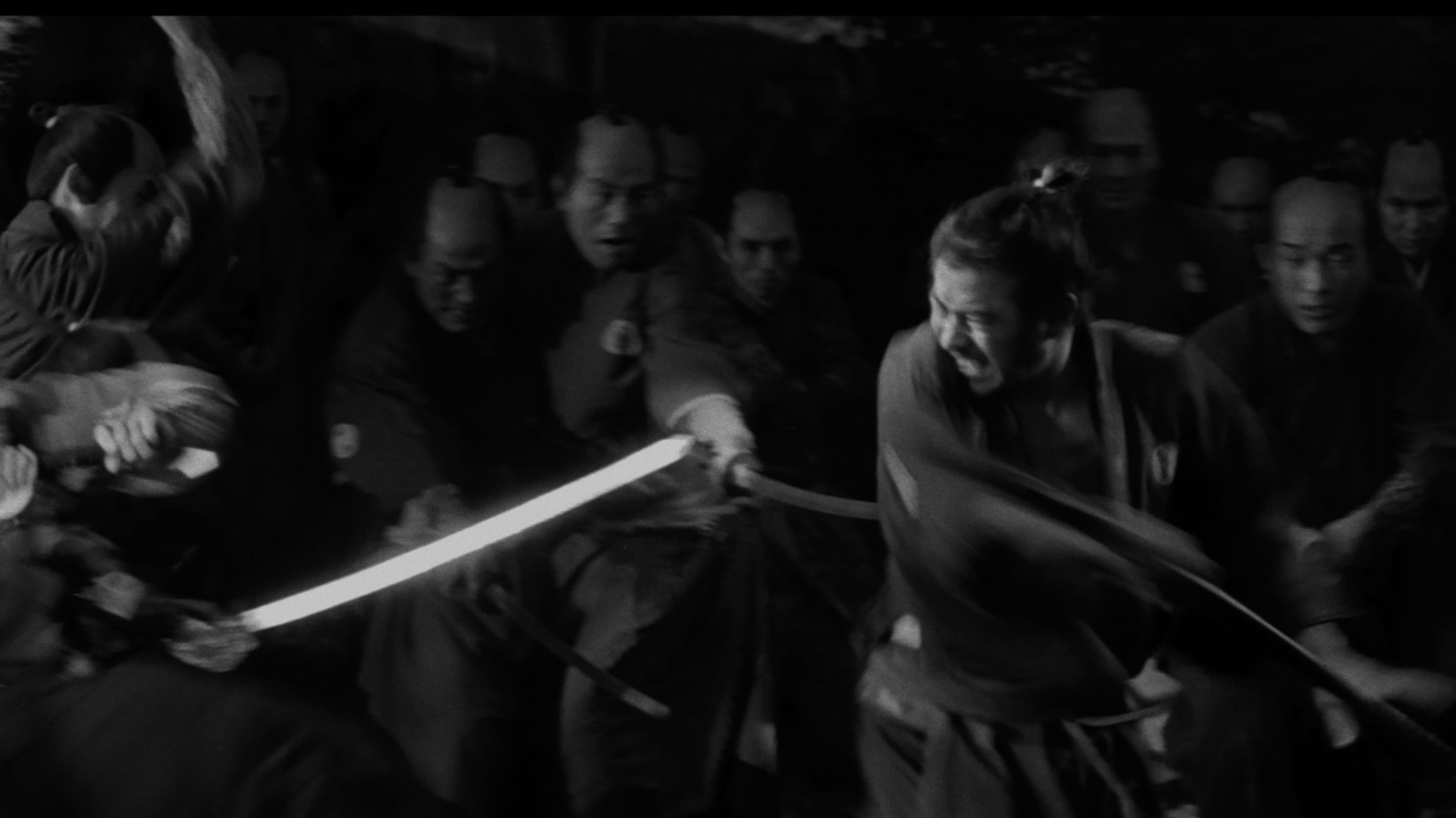
Sanjuro was released in Japan on January 1, 1962, and went on to become one of the top grossing domestic Japanese films of the year. International release came later, including a US art house run in 1963 by Toho International. The picture's final duel, performed in a single take by Mifune and Tatsuya Nakadai, became one of the most studied samurai sequences in cinema and influenced later action choreography in Japan, Hollywood, and Hong Kong.
Frequently Asked Questions
What was the production budget of Sanjuro (1962)?
The exact production budget of Sanjuro has not been publicly disclosed. The picture was made at Toho on a typical mid-range studio budget for a prestige Akira Kurosawa release of the early 1960s.
How much did Sanjuro gross worldwide?
Sanjuro was one of the top grossing Japanese domestic releases of 1962. Reissue and home video grosses in the United States have totaled approximately $46,808 through specialty distributors.
Who directed Sanjuro?
Akira Kurosawa directed Sanjuro, his thirteenth feature and a direct sequel to Yojimbo (1961).
Who stars in Sanjuro?
Toshiro Mifune returns as the wandering ronin Sanjuro, with Tatsuya Nakadai as the rival Hanbei Muroto. Yūzō Kayama, Reiko Dan, Takashi Shimura, Kamatari Fujiwara, and Takako Irie round out the cast.
Is Sanjuro a sequel to Yojimbo?
Yes. Sanjuro continues the story of the unnamed wandering ronin first played by Toshiro Mifune in Yojimbo (1961), and was developed by Toho immediately after Yojimbo's domestic success.
Where was Sanjuro filmed?
Sanjuro was shot at Toho Studios in Tokyo and on Japanese exterior locations between late 1961 and early 1962.
Who composed the music for Sanjuro?
Masaru Sato composed the score for Sanjuro, building on the percussive musical motifs he had developed for Yojimbo a year earlier.
What is the final duel in Sanjuro?
The closing one-strike duel between Toshiro Mifune and Tatsuya Nakadai is one of the most analyzed samurai sequences in cinema. The pressurized squib effect on Nakadai influenced later action choreography across Japan, Hollywood, and Hong Kong.
Is Sanjuro related to A Fistful of Dollars?
Indirectly, yes. Sergio Leone adapted Yojimbo without authorization into A Fistful of Dollars (1964), the predecessor of Sanjuro. Toho ultimately settled with the Italian production. Sanjuro itself was not remade by Leone.
What is Sanjuro rated and how long is it?
Sanjuro is unrated by the MPAA and has a running time of 96 minutes.
Filmmakers
Sanjuro

Official Trailer
Build budgets like this one in Saturation
Start from an industry-standard feature film template, import the schedule and rates you already have, and let the cost report keep itself current as you spend. Real-time collaboration, no spreadsheets.