PlayTime Budget
Updated
Synopsis
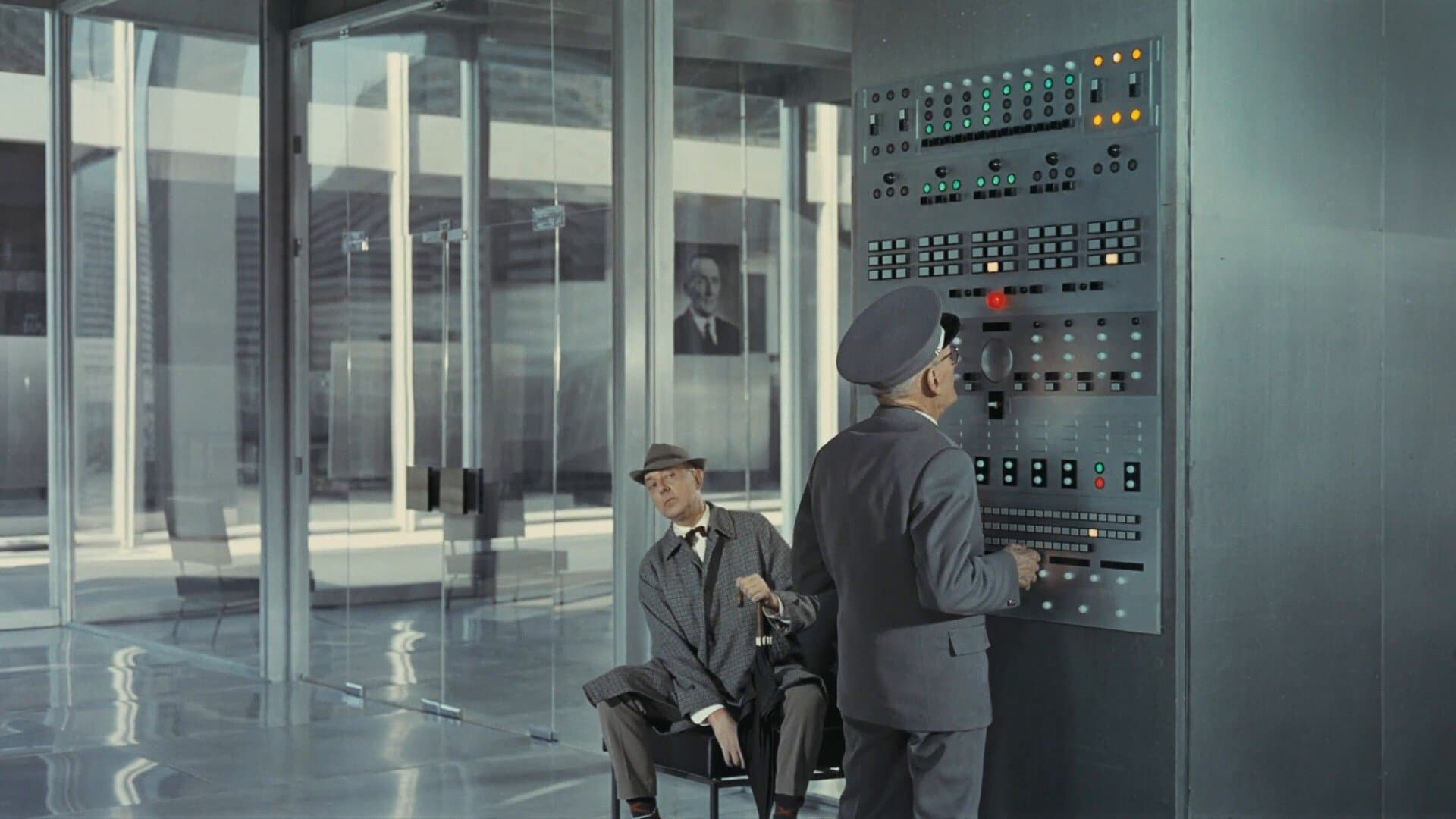
Monsieur Hulot has to contact an American official in Paris, but he gets lost in the maze of modern architecture which is filled with the latest technical gadgets. Caught in the tourist invasion, Hulot roams around Paris with a group of American tourists, causing chaos in his usual manner.
What is known about the production of PlayTime?
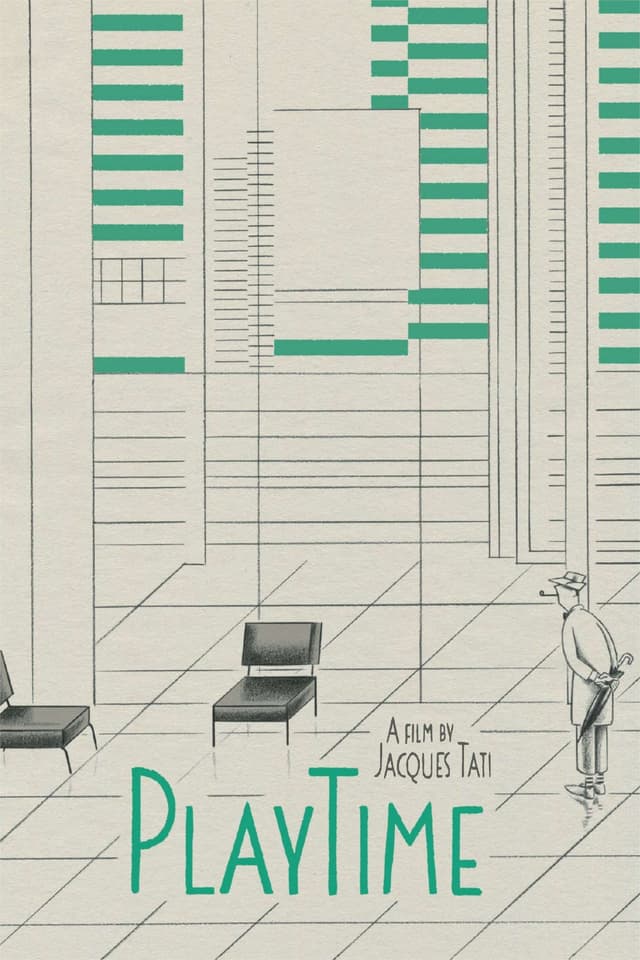
"PlayTime," a comedy released in 1967, was directed by Jacques Tati and stars Jacques Tati, Barbara Dennek. The production budget has not been publicly disclosed, though Jolly Film, Specta Films produced the film, making it a notable entry in the comedy landscape whose financial details remain private.
Key Budget Allocation Categories
While specific budget breakdowns are not publicly available, typical cost drivers for a comedy production like this include:
- Production: Upon its release in 1967, Playtime was the most expensive film ever made in France.
- Filming & Locations: Tati's enormous presentation would be shot in high-resolution 70mm, allowing the expansive real-world exteriors to dominate the frame.
What were the major cost factors in PlayTime?
Several factors contributed to the overall production costs of "PlayTime."
- Production: Production is one of the primary cost drivers in comedy productions of this scale.
- Filming: Filming & Locations is one of the primary cost drivers in comedy productions of this scale.
PlayTime Production History
Tati's enormous presentation would be shot in high-resolution 70mm, allowing the expansive real-world exteriors to dominate the frame. Tati's previous films were shot on actual locations; for Playtime, Tati could not afford what it would cost to take over whole segments of a real-life city or airport. No city or airport would shut itself down and submit to Tati's obsessive and exacting directorial style, wherein every detail was observed and laboured-over to meticulous effect.
Awards and Recognition
2 wins & 1 nomination total
Critical Reception
Tati's financial problems did not improve after Playtimes first showings. On its original French release, Playtime was commercially unsuccessful, failing to earn back a significant portion of its production costs. The film was entered into the 6th Moscow International Film Festival, where it won a Silver Prize.
Frequently Asked Questions
How much did it cost to make PlayTime (1967)?
The production budget has not been publicly disclosed.
How much did PlayTime (1967) earn at the box office?
Box office figures are not publicly available.
Was PlayTime (1967) profitable?
Insufficient data for a profitability assessment.
What were the biggest costs in producing PlayTime?
Specific cost breakdowns are not publicly available.
How does PlayTime's budget compare to similar comedy films?
Without a confirmed budget, comparison is not possible.
Did PlayTime (1967) go over budget?
Based on available production reports, there were indications of budget pressures during production. Detailed figures on budget overruns are not typically disclosed publicly.
What awards did PlayTime (1967) win?
2 wins & 1 nomination total.
Who directed PlayTime and who were the key crew members?
Directed by Jacques Tati, written by Jacques Lagrange, Jacques Tati, Art Buchwald, shot by Jean Badal, Andréas Winding, with music by Francis Lemarque, edited by Gérard Pollicand.
Where was PlayTime filmed?
PlayTime was filmed in France, Italy. Tati's enormous presentation would be shot in high-resolution 70mm, allowing the expansive real-world exteriors to dominate the frame. Tati's previous films were shot on actual locations; for Playtime, Tati could not afford what it would cost to take over whole segments of a real-life city or airport.
Filmmakers
PlayTime

Official Trailer
Build budgets like this one in Saturation
Start from an industry-standard feature film template, import the schedule and rates you already have, and let the cost report keep itself current as you spend. Real-time collaboration, no spreadsheets.