
Pather Panchali Budget
Updated
Synopsis
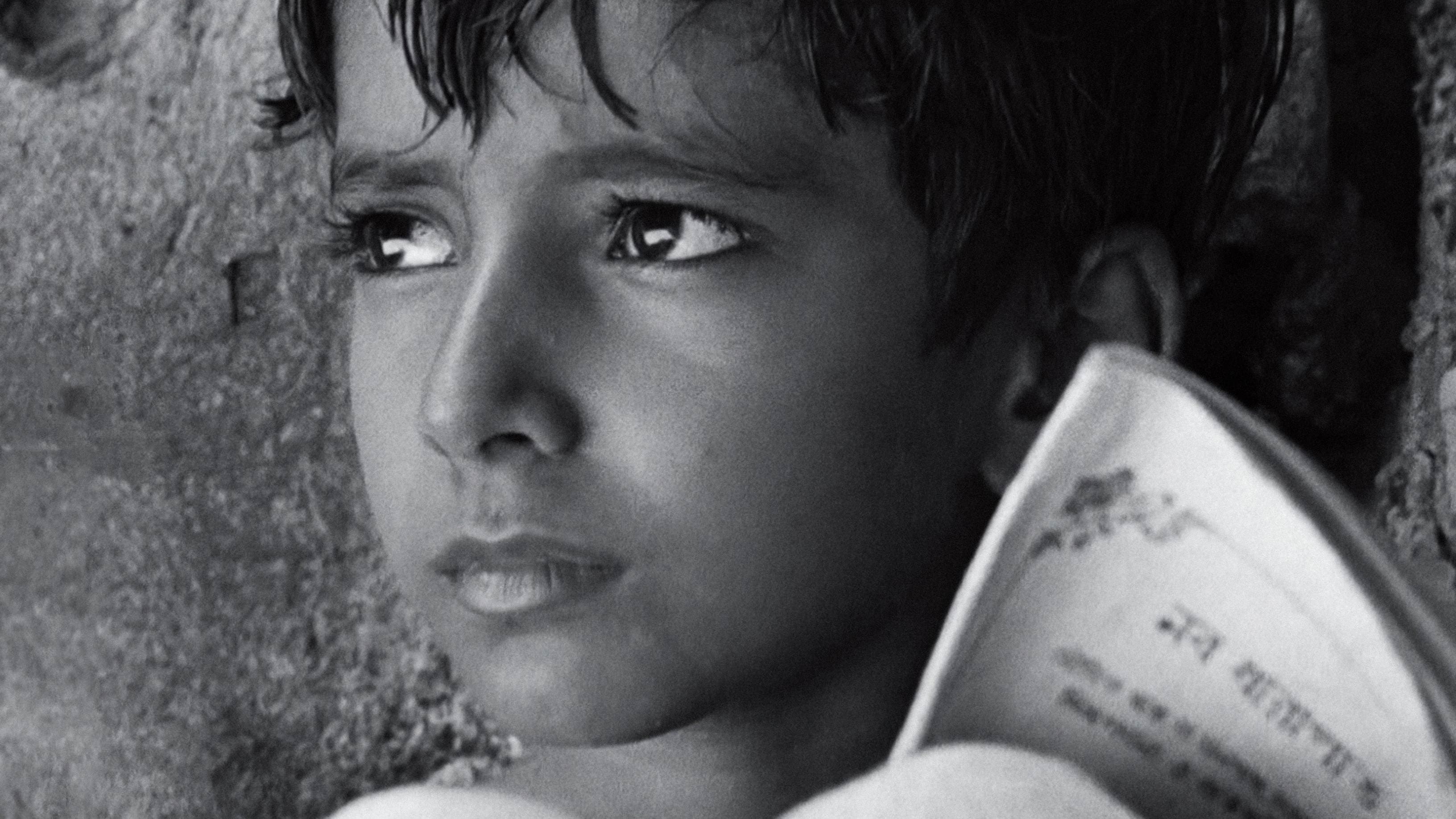
The story of a young boy, Apu, and life in his small Indian village. His parents are quite poor - his father Harihar, a writer and poet, gave away the family's fruit orchard to settle his brother's debts. His sister Durga and an old aunt also still lives with them. His mother Sarbojaya bears the brunt of the family's situation. She scrapes by and sells her personal possessions to put food on the table and has to bear the taunts of her neighbors as Durga is always stealing fruit from their orchard. Things get worse when Harihar disappears for five months and Durga falls ill. Even after Harihar returns, the family is left with few alternatives.
What is known about the production of Pather Panchali?
"Pather Panchali," a drama released in 1955, was directed by Satyajit Ray and stars Kanu Bannerjee, Karuna Banerjee. The production budget has not been publicly disclosed, though Government of West Bengal produced the film, making it a notable entry in the drama landscape whose financial details remain private.
Key Budget Allocation Categories
While specific budget breakdowns are not publicly available, typical cost drivers for a drama production like this include:
- Casting: Kanu Banerjee (who plays Harihar) was an established Bengali film actor.
- Filming & Locations: Shooting started on 27 October 1952.
- Music & Score: The soundtrack of the film was composed by the sitar player Ravi Shankar, who was at an early stage of his career, having debuted in 1939.
What were the major cost factors in Pather Panchali?
Several factors contributed to the overall production costs of "Pather Panchali."
- Casting: Casting is one of the primary cost drivers in drama productions of this scale.
- Filming: Filming & Locations is one of the primary cost drivers in drama productions of this scale.
- Music: Music & Score is one of the primary cost drivers in drama productions of this scale.
Pather Panchali Box Office Performance
"Pather Panchali" earned $134,241 domestically and $536,364 worldwide at the box office.
Pather Panchali Production History
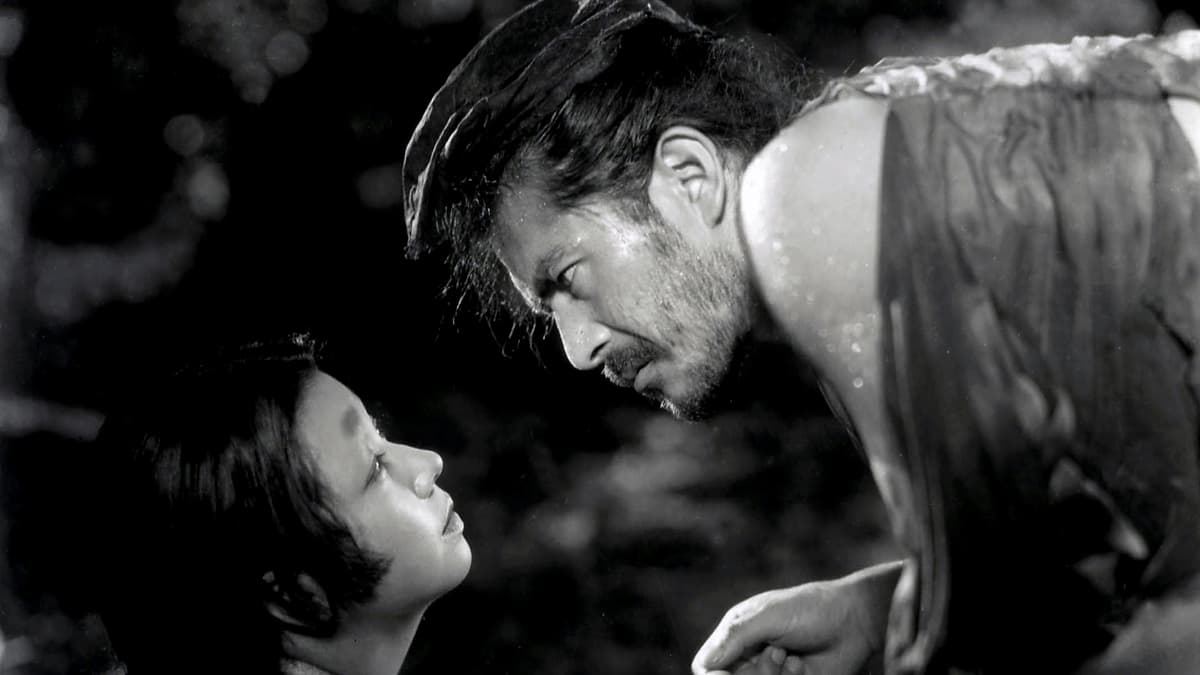
Kanu Banerjee (who plays Harihar) was an established Bengali film actor. Karuna Banerjee (Sarbajaya) was an amateur actress from the Indian People's Theatre Association, and the wife of Ray's friend. Uma Dasgupta, who successfully auditioned for the part of Durga, also had prior theatre experience.
Shooting started on 27 October 1952. Boral, a village near Calcutta, was selected in early 1953 as the main location for principal photography, and night scenes were shot in-studio. The technical team included several first-timers, including Ray himself and cinematographer Subrata Mitra, who had never operated a film camera.
The soundtrack of the film was composed by the sitar player Ravi Shankar, who was at an early stage of his career, having debuted in 1939. The background scores feature pieces based on several ragas of Indian classical music, played mostly on the sitar. The soundtrack, described in a 1995 issue of The Village Voice as "at once plaintive and exhilarating", is featured in The Guardians 2007 list of 50 greatest film soundtracks.
Awards and Recognition
Nominated for 1 BAFTA Award11 wins & 3 nominations total
- Bodil Award for Best American Film: Satyajit Ray
- BAFTA Award for Best Film: Satyajit Ray
- National Board of Review Award for Best Foreign Language Film: Satyajit Ray
- National Film Award for Best Feature Film: Satyajit Ray
- National Film Award for Best Bengali Feature Film: Satyajit Ray
Frequently Asked Questions
How much did it cost to make Pather Panchali (1955)?
The production budget has not been publicly disclosed.
How much did Pather Panchali (1955) earn at the box office?
Pather Panchali grossed $134,241 domestic, $402,123 international, totaling $536,364 worldwide.
Was Pather Panchali (1955) profitable?
Insufficient data for a profitability assessment.
What were the biggest costs in producing Pather Panchali?
Specific cost breakdowns are not publicly available.
How does Pather Panchali's budget compare to similar drama films?
Without a confirmed budget, comparison is not possible.
Did Pather Panchali (1955) go over budget?
There are no widely reported accounts of significant budget overruns for this production. However, studios rarely disclose precise budget overrun figures publicly. The reported production budget reflects the final estimated cost.
What awards did Pather Panchali (1955) win?
Nominated for 1 BAFTA Award11 wins & 3 nominations total.
Who directed Pather Panchali and who were the key crew members?
Directed by Satyajit Ray, written by Satyajit Ray, shot by Subrata Mitra, with music by Ravi Shankar, edited by Dulal Dutta.
Where was Pather Panchali filmed?
Pather Panchali was filmed in India. Shooting started on 27 October 1952. Boral, a village near Calcutta, was selected in early 1953 as the main location for principal photography, and night scenes were shot in-studio.
Filmmakers
Pather Panchali

Official Trailer
Build budgets like this one in Saturation
Start from an industry-standard feature film template, import the schedule and rates you already have, and let the cost report keep itself current as you spend. Real-time collaboration, no spreadsheets.