Ace in the Hole Budget
Updated
Synopsis
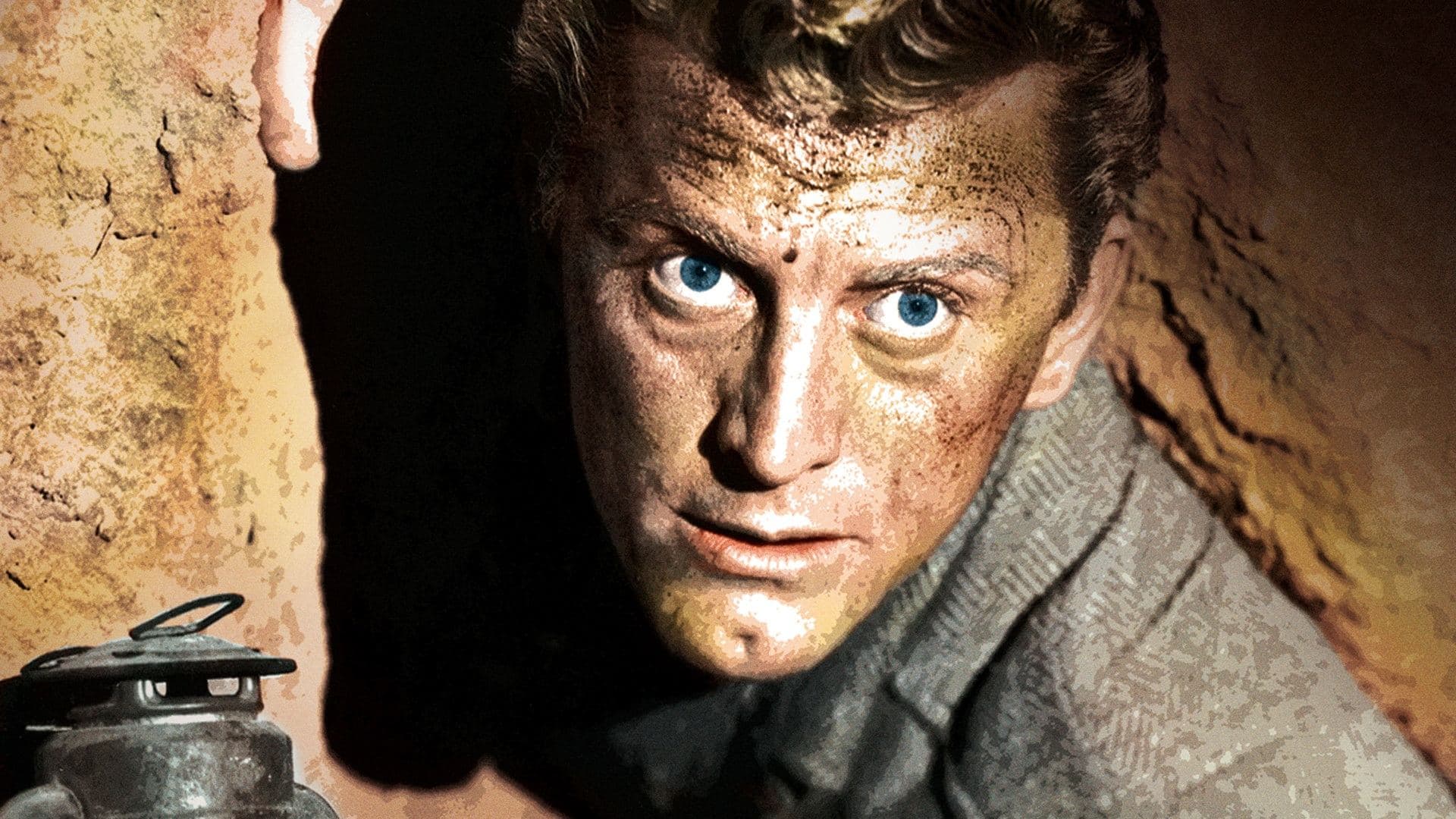
Charles Tatum, a down-on-his-luck reporter, takes a job with a small New Mexico newspaper. The job is pretty boring until he finds a man trapped in an old Indian dwelling. He jumps at the chance to make a name for himself by taking over and prolonging the rescue effort, and feeding stories to major newspapers. He creates a national media sensation and milks it for all it is worth - until things go terribly wrong.
What is the budget of Ace in the Hole?
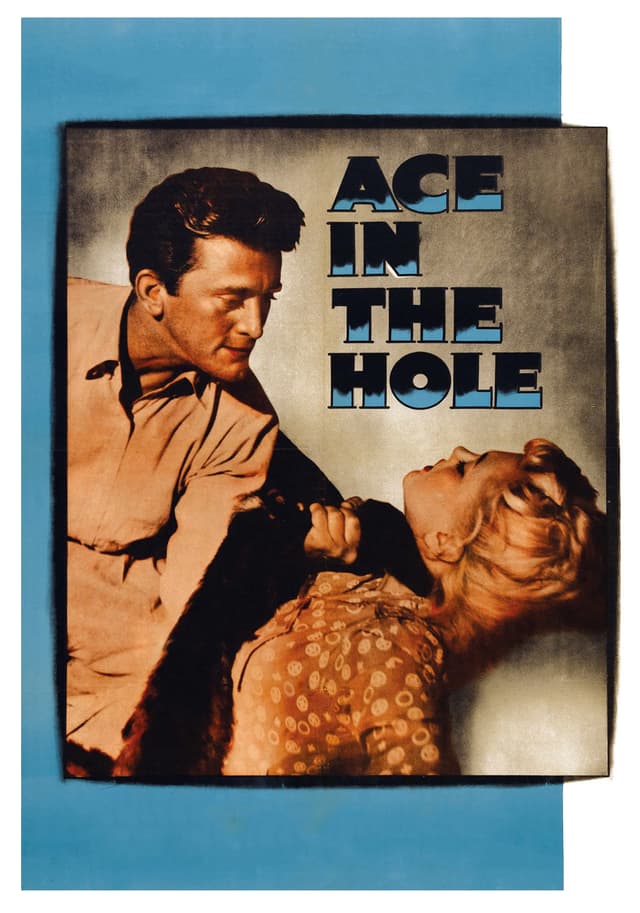
"Ace in the Hole," a drama released in 1951, was directed by Billy Wilder and stars Kirk Douglas, Jan Sterling. The production budget was $1,821,052, placing it in the micro-budget range for drama productions of the 1950s.
Key Budget Allocation Categories
While specific budget breakdowns are not publicly available, typical cost drivers for a drama production like this include:
- Above-the-Line Talent: Drama films live or die on the strength of their performances.
- Location Filming & Period Production Design: Authentic locations , whether contemporary or historical , require scouting, permits, travel, lodging, and often significant dressing to match the story's time period.
- Post-Production, Color Grading & Score: The editorial process for dramas is typically longer than genre films, with careful attention to pacing and tone.
- Writing: In the original script, Tatum colluded with the local sheriff.
What were the major cost factors in Ace in the Hole?
Several factors contributed to the overall production costs of "Ace in the Hole."
- Above-the-Line Talent: Above-the-Line Talent is one of the primary cost drivers in drama productions of this scale.
- Location Filming: Location Filming & Period Production Design is one of the primary cost drivers in drama productions of this scale.
- Post-Production: Post-Production, Color Grading & Score is one of the primary cost drivers in drama productions of this scale.
How Does Ace in the Hole's Budget Compare to Similar Films?
At $1,821,052, Ace in the Hole sits in the micro-budget range. Here is how it compares to productions with a similar budget:
- Dog Day Afternoon (1975): Budget $1,800,000, Worldwide Gross $56,665,856
- Dr. Strangelove or: How I Learned to Stop Worrying and Love the Bomb (1964): Budget $1,800,000 , Gross $9,500,000
- A Nightmare on Elm Street (1984): Budget $1,800,000, Worldwide Gross $57,004,513
- Carrie (1976): Budget $1,800,000, Worldwide Gross $33,800,000
- The Art of Self-Defense (2019): Budget $1,800,000, Worldwide Gross $2,400,000
The median budget for wide-release drama films in the era ranges from $30 to 80M for mid-budget to $150M+ for tentpoles.
Ace in the Hole Box Office Performance
"Ace in the Hole" earned $1,300,000 worldwide at the box office. Against a production budget of $1,821,052, the film faced challenges in theatrical release. Home video, streaming, and ancillary revenue may have contributed to its overall performance.
A film typically needs to earn approximately twice its production budget to cover marketing and distribution costs. For "Ace in the Hole," that break-even threshold was roughly $3,642,104. With worldwide earnings of $1,300,000, the film did not reach break-even in theatrical release.
Box Office Breakdown
Ace in the Hole

At -28.6%, "Ace in the Hole" did not recoup its production budget through theatrical release alone.
Ace in the Hole Production History
In the original script, Tatum colluded with the local sheriff. Joseph Breen of the Hays Code office strongly objected to the on-screen depiction of a corrupt law enforcement officer, and insisted Wilder add dialogue making it clear the man eventually would be made to answer for his actions.
The final cost of the film was $1,821,052, of which $250,000 was paid to Wilder as writer, producer and director. Its exterior set,, which was constructed 19 miles west of Gallup, New Mexico, was the largest non-combat set ever constructed at the time. It measured high, wide, and deep and included an ancient cliff dwelling, collapsed cave, roadside stands, parking lots and a carnival site.
Jay Livingston and Ray Evans wrote the song "We're Coming, Leo" performed by a vocalist and band at the carnival.
Awards and Recognition
Nominated for 1 Oscar. 5 wins & 3 nominations total
- National Film Registry
Frequently Asked Questions
How much did it cost to make Ace in the Hole (1951)?
The production budget was $1,821,052, covering principal photography, cast and crew salaries, locations, sets, post-production, and music. Marketing and distribution (P&A) costs are estimated at an additional $910,526 - $1,456,841, bringing the total studio investment to approximately $2,731,578 - $3,277,893.
How much did Ace in the Hole (1951) earn at the box office?
Ace in the Hole grossed $1,300,000 worldwide.
Was Ace in the Hole (1951) profitable?
The film did not break even theatrically, earning $1,300,000 against an estimated $4,552,630 needed. Ancillary revenue may have improved the picture.
What were the biggest costs in producing Ace in the Hole?
The primary cost drivers were above-the-line talent (Kirk Douglas, Jan Sterling, Robert Arthur); talent compensation, authentic period production design, and meticulous post-production.
How does Ace in the Hole's budget compare to similar drama films?
At $1,821,052, Ace in the Hole is classified as a micro-budget production. The median budget for wide-release drama films in the era ranges from $30 - 80M for mid-budget to $150M+ for tentpoles. Comparable budgets: Dog Day Afternoon (1975, $1,800,000); Dr. Strangelove or: How I Learned to Stop Worrying and Love the Bomb (1964, $1,800,000); A Nightmare on Elm Street (1984, $1,800,000).
Did Ace in the Hole (1951) go over budget?
There are no widely reported accounts of significant budget overruns for this production. However, studios rarely disclose precise budget overrun figures publicly. The reported production budget reflects the final estimated cost.
What was the return on investment (ROI) for Ace in the Hole?
The theatrical ROI was -28.6%, calculated as ($1,300,000 − $1,821,052) ÷ $1,821,052 × 100. This measures gross revenue against production budget only - it does not account for P&A or exhibitor shares.
What awards did Ace in the Hole (1951) win?
Nominated for 1 Oscar. 5 wins & 3 nominations total.
Who directed Ace in the Hole and who were the key crew members?
Directed by Billy Wilder, written by Lesser Samuels, Walter Newman, Billy Wilder, shot by Charles Lang, with music by Hugo Friedhofer, edited by Arthur P. Schmidt.
Where was Ace in the Hole filmed?
Ace in the Hole was filmed in United States of America. The final cost of the film was $1,821,052, of which $250,000 was paid to Wilder as writer, producer and director. Its exterior set, (), which was constructed 19 miles west of Gallup, New Mexico, was the largest non-combat set ever constructed at the time.
Filmmakers
Ace in the Hole

Official Trailer
Build budgets like this one in Saturation
Start from an industry-standard feature film template, import the schedule and rates you already have, and let the cost report keep itself current as you spend. Real-time collaboration, no spreadsheets.