Passing Budget
 Drama1h 38m
Updated
Synopsis
In 1920s New York City, a Black woman named Irene Redfield finds her world upended when her life becomes intertwined with a former childhood friend, Clare Kendry, who is now passing as white. As the two women's reunion deepens into something more dangerous, the secret at the center of Clare's life threatens to consume both of them.
What Is the Budget of Passing (2021)?
Passing (2021), directed by Rebecca Hall in her feature directorial debut and released by Netflix following its Sundance premiere, was produced on an estimated budget of approximately $10,000,000. The figure has not been formally disclosed by the financing consortium led by Significant Productions, Picture Films, and Flat Five Productions, but the production scale across a New York-set independent feature, the Sundance-competition financing model, and the lead casting of Tessa Thompson and Ruth Negga all support a figure in the upper-tier independent-feature range typical of festival-acquired prestige titles.
Passing adapted Nella Larsen's 1929 Harlem Renaissance novel of the same name. Rebecca Hall wrote and directed the film, with Forest Whitaker producing through Significant Productions alongside Margot Hand, Nina Yang Bongiovi, and Hall herself. The film premiered at the 2021 Sundance Film Festival in the U.S. Dramatic Competition on January 30, 2021, drawing a Netflix worldwide rights acquisition out of the festival. After a limited theatrical run in October 2021 for awards qualification, the film launched globally on Netflix on November 10, 2021.
Key Budget Allocation Categories
The estimated $10,000,000 budget covered a New York-set independent feature with period reconstruction and a distinctive black-and-white photography register:
- Above-the-Line Talent: Tessa Thompson and Ruth Negga, both established theatrical and television leads, anchored the production at independent-feature rates. André Holland, Alexander Skarsgård, Bill Camp, Gbenga Akinnagbe, Antoinette Crowe-Legacy, and Justus Davis Graham filled out a recognizable supporting ensemble. Rebecca Hall, in her feature directorial debut after a long acting career, took a first-time director rate offset by her screenwriter credit.
- Period Reconstruction and Costume: The 1920s Harlem Renaissance setting required full period reconstruction including 1920s interior dressing, costume across the principal cast and the dozens of period-dressed extras populating the social-scene set pieces, and hair and makeup design across the multiple narrative timelines. Costume designer Marci Rodgers (BlacKkKlansman, Da 5 Bloods) carried the period authenticity load.
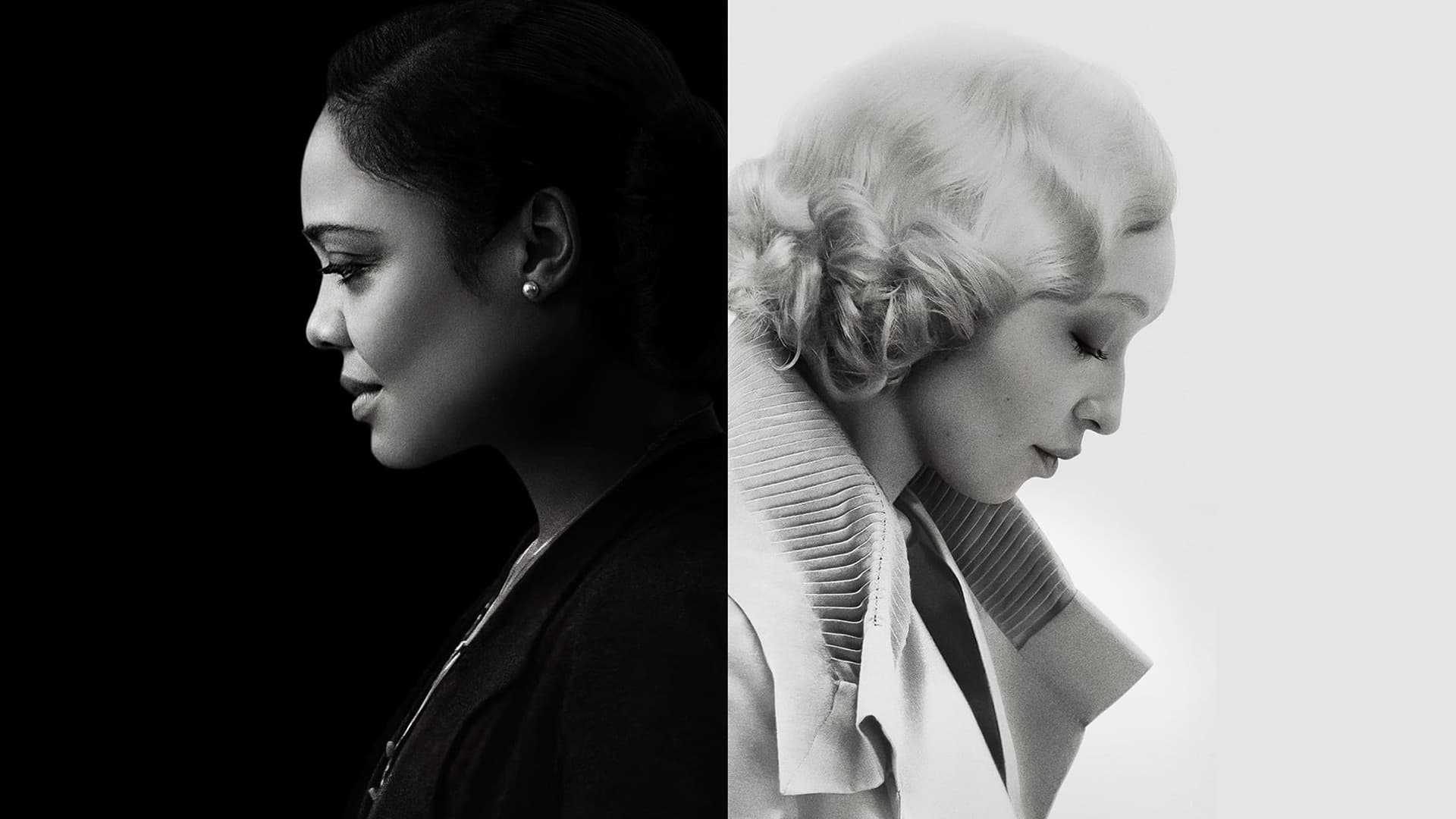
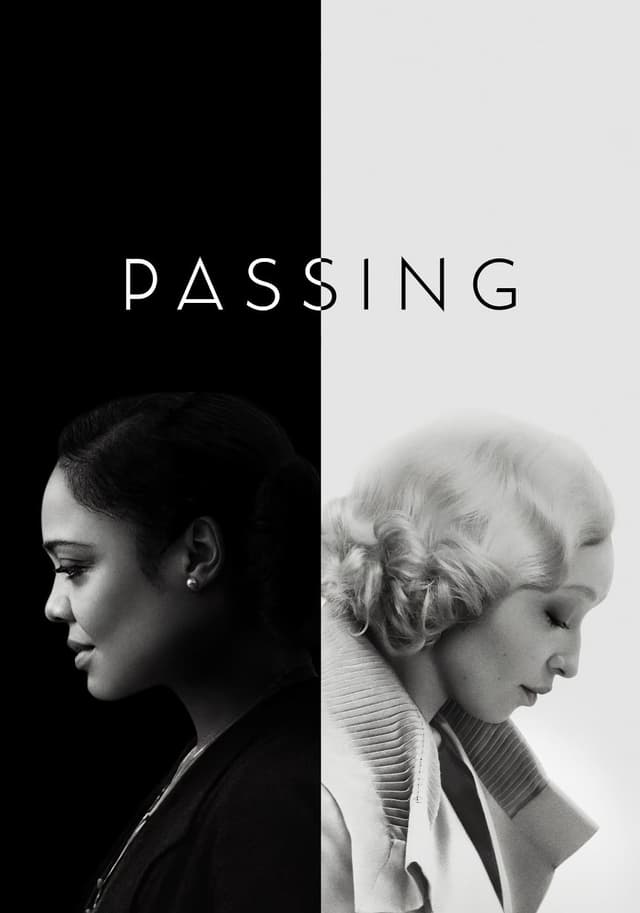
- Black-and-White Cinematography and 4:3 Aspect Ratio: Director of photography Eduard Grau shot the film in black and white in a boxy 4:3 aspect ratio, both creative choices integral to the film's visual register and its thematic engagement with race, identity, and visibility. The black-and-white cinematography required specialized lighting design across exterior and interior locations and dedicated finishing in post-production to achieve the distinctive Pamela Tiffin-and-Jeanne Crain-era photochemical register the film was reaching for.
- New York Location Production: Principal photography took place across New York and the surrounding region, with the production exploiting the New York State Film Tax Credit Program for below-the-line offset. The shoot used Harlem interiors, period-appropriate Manhattan and Brooklyn exteriors, and constructed interior sets where the period reconstruction required full control.
- Score and Sound Design: Composer Devonté Hynes (Blood Orange) delivered an original piano-led score that anchored the film's contemplative tonal register. The score, with its Hynes-trademark melodic restraint, became one of the film's most widely cited craft elements in critical reception. Sound design emphasized the ambient layer of period Harlem street life and the interior intimacy of the central drawing-room scenes.
- Post-Production and Sundance Festival Delivery: Editorial, color, sound mix, and the Sundance-festival delivery standards for the January 2021 premiere consumed the post-production budget. After the Netflix acquisition, additional master delivery for the platform's global release including Dolby Vision and Dolby Atmos sound added incremental finishing cost.
How Does Passing's Budget Compare to Similar Films?
Passing sits within the festival-acquired prestige independent landscape and the broader Black-history feature category, comparable with both Sundance peers and the streaming-acquired prestige tier:
- The Forty-Year-Old Version (2020): Budget approximately $5,000,000 | Worldwide not separately reported. Radha Blank's Netflix Sundance feature debut at half the Passing budget offers the closest peer in the Netflix-acquired Sundance prestige tier, with the platform applying a similar acquisition-and-platform-launch strategy to both titles.
- Ma Rainey's Black Bottom (2020): Budget approximately $22,500,000 | Worldwide not separately reported. George C. Wolfe's Netflix-released August Wilson adaptation at more than double the Passing budget illustrates the platform's higher-investment tier for Black-history prestige features and the budget gap between studio-style Netflix originals and Sundance-acquired independent features.
- The Last Black Man in San Francisco (2019): Budget approximately $5,000,000 | Worldwide $4,562,937. Joe Talbot's A24 Sundance feature debut at half the Passing budget operates in a tonally adjacent register and offers the closest theatrical-distribution prestige-independent peer.
- Mudbound (2017): Budget approximately $10,000,000 | Worldwide $77,128. Dee Rees' Netflix Sundance feature at identical budget to Passing offers the closest peer comparison, with the platform applying the same festival-acquisition-and-awards-campaign strategy to both films. Mudbound earned four Academy Award nominations including Best Adapted Screenplay.
Passing Box Office Performance
Passing premiered at the 2021 Sundance Film Festival in the U.S. Dramatic Competition on January 30, 2021. Netflix acquired worldwide rights out of the festival for a reported eight-figure sum. The film received a limited theatrical release beginning October 27, 2021 across an Oscar-qualifying limited release window, grossing approximately $237,000 across the limited theatrical run, before launching globally on Netflix on November 10, 2021.
Because the film was primarily a Netflix release with a limited theatrical Oscar-qualifying window, the standard six-bullet box office breakdown applies in a hybrid form:
Box Office Breakdown
Passing

Passing reached the Netflix global Top 10 in dozens of countries in its launch week. The film generated substantial critical and industry conversation around Rebecca Hall's feature directorial debut, the central performances by Tessa Thompson and Ruth Negga, and the engagement with the Nella Larsen source novel that the film validated for a contemporary audience nearly a century after the book's 1929 publication.
Passing Production History
Passing developed at Significant Productions through Forest Whitaker's involvement after Rebecca Hall optioned the rights to Nella Larsen's 1929 novel. Hall wrote the screenplay over several years, drawing on her own family history including her grandfather's African American ancestry, which she has spoken about publicly as a personal entry point into the source material's engagement with racial identity and passing. Margot Hand, Nina Yang Bongiovi, Forest Whitaker, and Hall herself produced. Principal photography took place across New York in late 2019, with the production exploiting the New York State Film Tax Credit Program for below-the-line offset and using Harlem interiors, period-appropriate Manhattan and Brooklyn exteriors, and constructed interior sets where the period reconstruction required full control.
Tessa Thompson took the role of Irene Redfield and Ruth Negga the role of Clare Kendry, the two former childhood friends whose Harlem Renaissance-era reunion drives the narrative. André Holland played Irene's husband Brian and Alexander Skarsgård played Clare's racist white husband John in the central supporting roles. The film completed post-production through 2020 across the pandemic-disrupted independent-feature finishing landscape.
Passing premiered at the 2021 Sundance Film Festival in the U.S. Dramatic Competition on January 30, 2021 in the festival's online-only pandemic edition. Netflix acquired worldwide rights out of the festival for a reported eight-figure sum. The platform set a theatrical-qualifying limited release for October 27, 2021 and a global Netflix launch for November 10, 2021. Netflix campaigned aggressively for awards positioning across the November launch and the December and January awards-circuit cycle.
Awards and Recognition
Passing received substantial awards attention. The film was nominated for three BAFTA Awards including Best Director (Rebecca Hall), Outstanding Debut by a British Writer, Director or Producer (Hall again), and Best Supporting Actress (Ruth Negga). At the 37th Independent Spirit Awards, Passing was nominated for Best First Feature, Best Female Lead (Tessa Thompson), Best Supporting Female (Ruth Negga), and Best Screenplay (Rebecca Hall). The Gotham Awards nominated Passing for Best Feature, Outstanding Lead Performance, and Breakthrough Director, with the film winning Breakthrough Director for Hall. Cinematographer Eduard Grau was nominated for an American Society of Cinematographers Award. The film did not receive Academy Award nominations despite the strong campaign, with Best Adapted Screenplay and Best Supporting Actress conversations both ultimately closing out.
Critical Reception
Passing received broadly positive reviews. The film holds a 92% approval rating on Rotten Tomatoes based on 235 critic reviews, with a critical consensus that praised Rebecca Hall's confident directorial debut, the central performances by Tessa Thompson and Ruth Negga, and the film's formal commitment to the black-and-white cinematography and 4:3 aspect ratio. Metacritic recorded a score of 78 out of 100, indicating generally favorable reviews. The film did not receive a CinemaScore poll given its limited theatrical release.
Critics broadly praised Tessa Thompson and Ruth Negga for performances that critics widely called among the strongest of the 2021 awards season, Rebecca Hall's direction as one of the year's most accomplished feature debuts, Eduard Grau's black-and-white cinematography, and Devonté Hynes' restrained piano score. The Hollywood Reporter wrote that the film "achieves a formal precision few feature debuts approach, with Hall's direction working in tight harmony with Grau's photography and Hynes' score to create one of the year's most controlled American independent films," and Variety praised the central performances as "two of the finest leading-female performances of 2021, calibrated to inhabit the same chambered emotional register Nella Larsen built into the source novel." Common reservations cited a deliberate pacing that some reviewers argued held the audience at one remove from the emotional climaxes, and a few critics noted that the film's commitment to formal restraint occasionally muted the dramatic stakes. The strong critical reception established Passing as one of the most critically lauded American independent films of 2021.
Frequently Asked Questions
How much did it cost to make Passing (2021)?
The production budget is estimated at approximately $10,000,000. The figure has not been formally disclosed by the financing consortium, but the production scale across a New York-set independent feature, the Sundance-competition financing model, and the lead casting of Tessa Thompson and Ruth Negga all support a figure in the upper-tier independent-feature range typical of festival-acquired prestige titles.
Where did Passing release?
Passing premiered at the 2021 Sundance Film Festival in the U.S. Dramatic Competition on January 30, 2021. Netflix acquired worldwide rights out of the festival and set a theatrical-qualifying limited release for October 27, 2021, followed by a global Netflix launch on November 10, 2021.
Who directed Passing?
Rebecca Hall wrote and directed the film in her feature directorial debut. Hall, an actress with credits including The Town, Christine, and Vicky Cristina Barcelona, drew on her own family history including her grandfather's African American ancestry as a personal entry point into the source material.
Who stars in Passing?
Tessa Thompson plays Irene Redfield and Ruth Negga plays Clare Kendry, the two former childhood friends whose Harlem Renaissance-era reunion drives the narrative. André Holland plays Irene's husband Brian and Alexander Skarsgård plays Clare's racist white husband John.
Is Passing based on a book?
Yes. The film adapts Nella Larsen's 1929 Harlem Renaissance novel of the same name, which was published in the final years of the Harlem Renaissance literary movement and is widely considered a landmark work of early 20th century American literature on racial identity.
Where was Passing filmed?
Principal photography took place across New York State in late 2019, with the production exploiting the New York State Film Tax Credit Program for below-the-line offset. The shoot used Harlem interiors, period-appropriate Manhattan and Brooklyn exteriors, and constructed interior sets where the period reconstruction required full control.
Why is Passing in black and white?
Director Rebecca Hall and cinematographer Eduard Grau shot the film in black and white in a 4:3 aspect ratio as creative choices integral to the film's thematic engagement with race, identity, and visibility. The black-and-white photography places the film in formal conversation with mid-century American studio cinema and underscores the novel's engagement with the visual ambiguity of racial passing.
Did Passing win any awards?
Passing received substantial awards attention including three BAFTA nominations (Best Director, Outstanding British Debut, Best Supporting Actress for Ruth Negga), four Independent Spirit Award nominations, and a Gotham Award win for Breakthrough Director (Rebecca Hall). The film did not receive Academy Award nominations despite the strong campaign.
How did Passing perform on Netflix?
Passing reached the Netflix global Top 10 in dozens of countries in its launch week. The platform-side reception, the awards-circuit nominations, and the substantial critical and industry conversation around Rebecca Hall's feature directorial debut constituted the platform-side success metrics.
What did critics think of Passing?
Reviews were broadly positive. The film holds a 92% Rotten Tomatoes approval rating across 235 critic reviews and a 78 Metacritic score. Critics praised Tessa Thompson and Ruth Negga for performances widely called among the strongest of the 2021 awards season, Rebecca Hall's direction as one of the year's most accomplished feature debuts, Eduard Grau's cinematography, and Devonté Hynes' score.
Filmmakers
Passing

Official Trailer
Build budgets like this one in Saturation
Start from an industry-standard feature film template, import the schedule and rates you already have, and let the cost report keep itself current as you spend. Real-time collaboration, no spreadsheets.