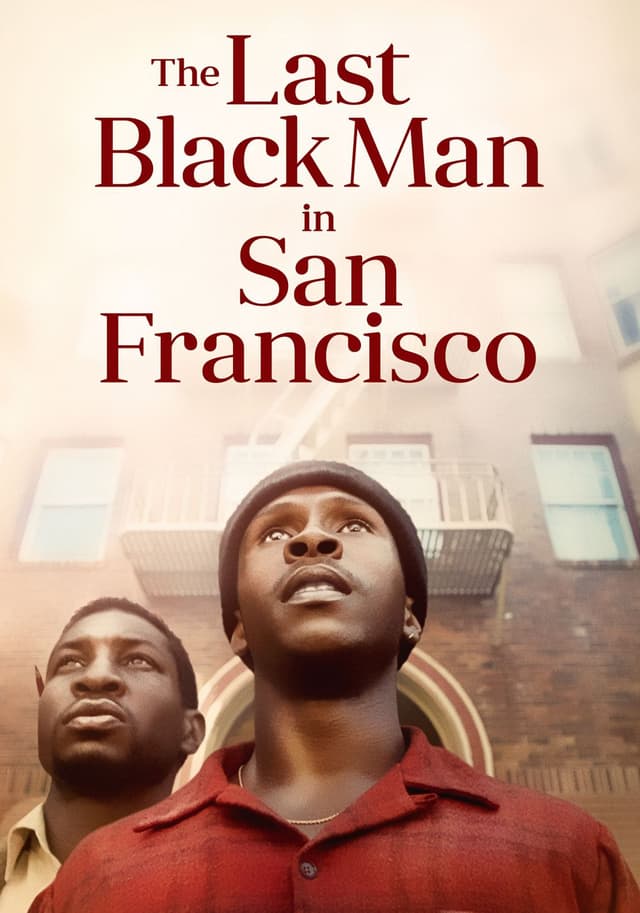
The Last Black Man in San Francisco Budget
 Drama2h 1m
Updated
Synopsis
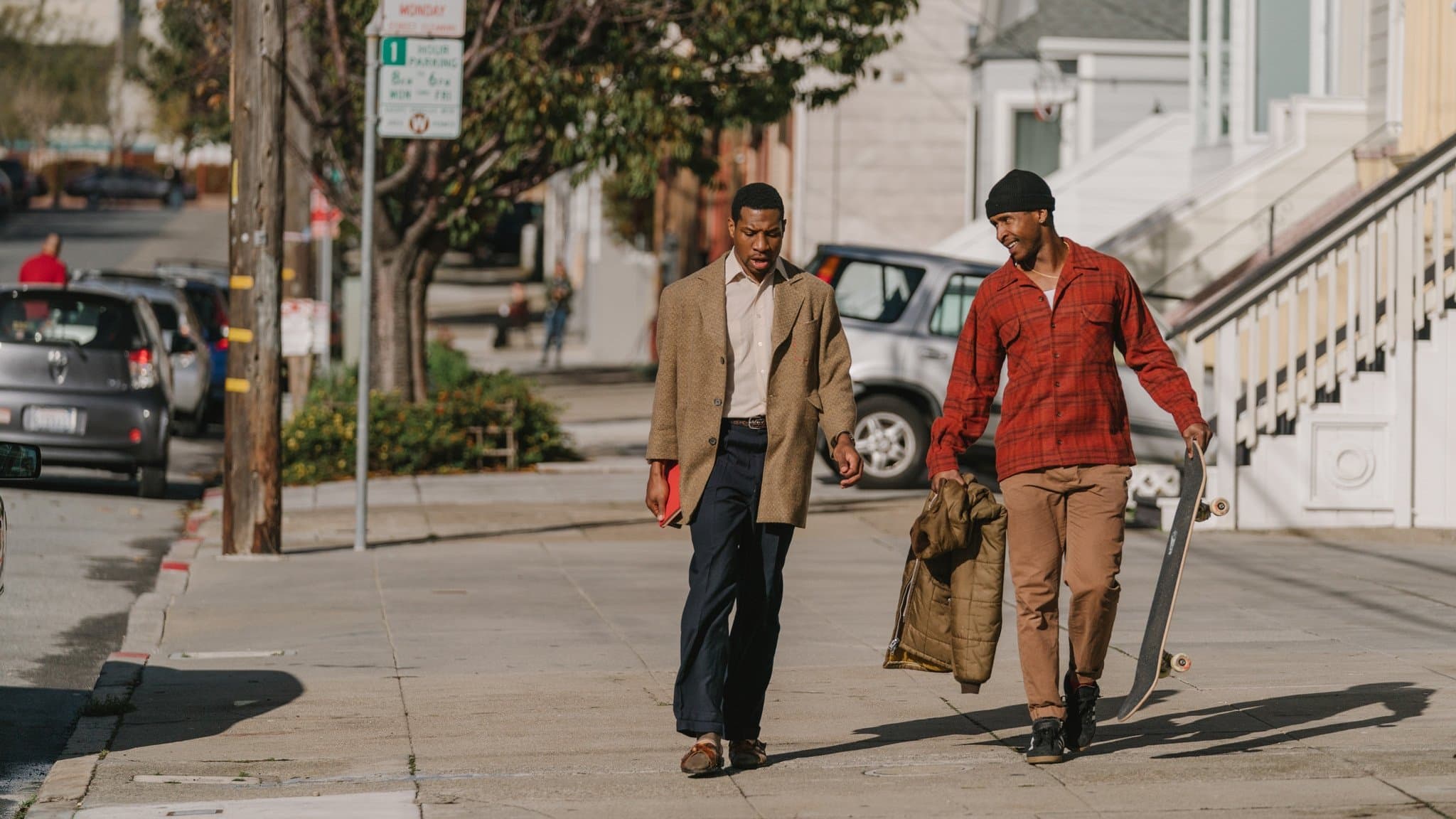
Jimmie Fails dreams of reclaiming the Victorian house his grandfather built in the heart of San Francisco. He moves with his best friend, the playwright Montgomery Allen, to squat in the home after its current owners vacate, mounting a quiet fight to preserve a vanishing piece of Black San Francisco.
What Is the Budget of The Last Black Man in San Francisco (2019)?
The Last Black Man in San Francisco (2019), directed by Joe Talbot and distributed by A24, was produced on a reported budget of approximately $3,500,000. The film was financed by Plan B Entertainment, Brad Pitt and Dede Gardner's production company, alongside Jared Lebowitz's Longshot Features and the indie financiers attached after the project won a Kickstarter campaign that raised more than $74,000 to fund initial pre-production work. A24 acquired worldwide distribution rights at Sundance 2019.
The budget reflected the realities of independent first-feature financing for a director without prior feature credits, with the production sustained across a multi-year development cycle and an extended principal photography schedule that took advantage of available crew and location access in the Bay Area. Plan B's involvement provided both above-the-title producer credit and the institutional support that helped secure premium below-the-line collaborators, including cinematographer Adam Newport-Berra and composer Emile Mosseri.
Key Budget Allocation Categories
The Last Black Man in San Francisco's estimated $3,500,000 budget was distributed across these production areas:
- Above-the-Line Talent: Lead actors Jimmie Fails and Jonathan Majors were cast at indie-feature rates appropriate to a first-time director production, with supporting roles for Danny Glover, Tichina Arnold, Rob Morgan, and Mike Epps adding modest name recognition at reduced fees.
- Bay Area Production Base: Principal photography centered on San Francisco and Oakland, with the production navigating the considerable expense of shooting in one of the most expensive housing markets in the United States. Location access at the central Victorian house and various Fillmore and Bayview-Hunters Point sites required extensive permit work and community outreach.
- Director and Department Heads: Joe Talbot, a friend of co-writer Jimmie Fails who grew up alongside him in San Francisco, worked from a screenplay he developed with Rob Richert. The director-writer partnership reflected the personal nature of the project, with above-the-line fees calibrated to first-feature scale.
- Cinematography and Production Design: Cinematographer Adam Newport-Berra and production designer Jona Tochet brought a heightened visual approach unusual for an indie at this budget level, with the painterly look and deliberate composition driving a significant share of below-the-line spend.
- Score and Music: Composer Emile Mosseri, in one of his earliest feature credits before Minari and Kajillionaire, composed an original orchestral score that the production funded through a combination of recording budget and Mosseri's reduced rate on a first-feature partnership.
- Post-Production: The film required substantial color grading and finishing work to achieve the painterly look, with A24 providing additional finishing support after acquiring worldwide rights at Sundance.
- Sundance and Festival Marketing: The Sundance world premiere campaign, conducted by Plan B and the filmmakers ahead of A24's acquisition, drove a significant share of the film's pre-theatrical visibility through press screenings, festival appearances, and trade press coverage.
How Does The Last Black Man in San Francisco's Budget Compare to Similar Films?
The Last Black Man in San Francisco sits in the indie auteur tier, comparable to other A24 first-feature acquisitions of its era:
- Moonlight (2016): Budget $4,000,000 | Worldwide $65,300,000. Barry Jenkins's A24 breakthrough cost slightly more and earned the Academy Award for Best Picture, establishing the platform A24 used to acquire similar indie features.
- Lady Bird (2017): Budget $10,000,000 | Worldwide $78,966,326. Greta Gerwig's A24 directorial debut cost roughly three times The Last Black Man in San Francisco and earned more than twenty times its worldwide gross.
- Eighth Grade (2018): Budget $2,000,000 | Worldwide $14,400,000. Bo Burnham's A24 directorial debut cost less than Joe Talbot's film and earned more than three times its worldwide gross.
- Minari (2020): Budget $2,000,000 | Worldwide $15,000,000. Lee Isaac Chung's A24 film, also scored by Emile Mosseri, offers a close adjacent comparison.
- Shoplifters (2018): Budget $4,000,000 | Worldwide $66,015,725. The Hirokazu Kore-eda Cannes winner offers a comparable scale that won Cannes's Palme d'Or and earned an Oscar nomination.
The Last Black Man in San Francisco Box Office Performance
The Last Black Man in San Francisco received a platform release from A24 on June 7, 2019 following its January 2019 Sundance world premiere. The film opened in 4 theaters with a per-screen average of $32,425, the second-highest per-screen average for any 2019 release at that point in the year, before expanding to a wider release over the following weeks.
Against the estimated $3,500,000 production budget, the financial breakdown is as follows:
Box Office Breakdown
The Last Black Man in San Francisco

Theatrical revenue alone did not recoup the combined production and marketing investment, but the film generated meaningful downstream revenue through A24's home video releases, premium streaming licensing through Amazon Prime Video and other platforms, and ancillary distribution. The film's primary commercial purpose for Plan B and A24 was prestige and award positioning rather than direct theatrical profit.
A24 leveraged the film's Sundance Best Directing award and platform release performance to support a sustained awards campaign across the 2019-2020 season, with Joe Talbot positioned as one of the year's breakthrough new American directors and Jonathan Majors gaining the visibility that fed his subsequent casting in Lovecraft Country, The Harder They Fall, and the Marvel Cinematic Universe.
The Last Black Man in San Francisco Production History
The film originated in the lifelong friendship between director Joe Talbot and lead actor and co-writer Jimmie Fails, who grew up together in San Francisco. The story was rooted in Fails's own family history, with a Victorian house that Fails's grandfather had purchased and that the family had subsequently lost. Talbot and Fails developed the project across nearly a decade, beginning with a 2015 Kickstarter campaign that raised more than $74,000 and built early visibility through a documentary short.
Plan B Entertainment, the production company founded by Brad Pitt and Dede Gardner, came on board after seeing the early footage. Principal photography unfolded across multiple periods in California, with the production based in San Francisco and Oakland and shooting at a Victorian house in the Fillmore district that doubled for the central location. Filming navigated the considerable expense of working in one of the most expensive housing markets in the United States.
The Sundance 2019 world premiere produced an immediate distribution acquisition by A24, with the studio releasing the film theatrically in June 2019 following an extensive festival circuit run. The narrative resonance of the film's housing-loss themes, combined with the strength of the cinematography and the Mosseri score, drove broad critical attention through the summer and fall release.
Awards and Recognition
The Last Black Man in San Francisco won the Directing Award (U.S. Dramatic) at the 2019 Sundance Film Festival, along with the Special Jury Award for Creative Collaboration. The film received Independent Spirit Award nominations including Best Feature and Best First Feature at the 2020 ceremony, with cinematographer Adam Newport-Berra winning the Best Cinematography Independent Spirit Award.
At the Gotham Awards, the film was nominated for Breakthrough Director (Joe Talbot) and Breakthrough Actor (Jimmie Fails). The Black Reel Awards and African-American Film Critics Association recognized the film in multiple categories, with Jonathan Majors winning the AAFCA Breakthrough Performance Award. The film did not break through into Oscar contention, despite an extensive A24 campaign aimed at the Best Original Screenplay and Best Director categories.
Critical Reception
The Last Black Man in San Francisco received widely positive reviews. The film holds a 92% approval rating on Rotten Tomatoes based on 265 critic reviews, with a critical consensus that called it a richly observed, lyrically photographed meditation on home, displacement, and the meaning of place. On Metacritic, the film scored 81 out of 100, indicating universal acclaim. Audience response on Rotten Tomatoes settled near 81%, slightly below the critical reception, reflecting the film's deliberate pace and tonal idiosyncrasy.
Critics praised Joe Talbot's direction, Jonathan Majors's breakthrough performance as Montgomery Allen, the Emile Mosseri score, and the cinematographic command of San Francisco geography. A.O. Scott of the New York Times described it as "a melancholy, beautiful, oddball movie of swooping romanticism," while Variety's Owen Gleiberman wrote that the film "marks Joe Talbot as a major new American filmmaker."
Press response treated the film as a landmark portrait of contemporary San Francisco, with the housing-loss themes generating extensive thinkpiece coverage in the New Yorker, the Atlantic, and major regional press. The film's reputation has continued to grow since release, with multiple critics citing it among the strongest American directorial debuts of the late 2010s.
Frequently Asked Questions
How much did it cost to make The Last Black Man in San Francisco (2019)?
The reported production budget was approximately $3,500,000. The film was financed by Plan B Entertainment, Longshot Features, and indie partners following a 2015 Kickstarter campaign that raised more than $74,000 to fund initial pre-production work.
How much did The Last Black Man in San Francisco earn at the box office?
The film grossed approximately $4,600,000 worldwide following its June 7, 2019 platform release by A24. It opened in 4 theaters with a per-screen average of $32,425, the second-highest per-screen average for any 2019 release at that point in the year.
Who directed The Last Black Man in San Francisco?
Joe Talbot directed the film in his feature directorial debut. Talbot grew up alongside lead actor and co-writer Jimmie Fails in San Francisco and developed the project with Fails across nearly a decade before its 2019 release.
Is The Last Black Man in San Francisco based on a true story?
The film is based on the real life of co-writer and lead actor Jimmie Fails, who grew up in San Francisco. The central Victorian house is rooted in Fails's family history, with his grandfather having purchased a similar home that the family later lost. The screenplay fictionalizes around that emotional core.
Where was The Last Black Man in San Francisco filmed?
Principal photography took place in San Francisco and Oakland, California, with the central Victorian house located in the Fillmore district. The production navigated extensive permit work and community outreach across multiple shooting periods in one of the most expensive housing markets in the United States.
Who produced The Last Black Man in San Francisco?
Plan B Entertainment, the production company founded by Brad Pitt and Dede Gardner, produced the film alongside Longshot Features and director Joe Talbot. Plan B's prior credits include Moonlight (2016), 12 Years a Slave (2013), and The Big Short (2015).
Did The Last Black Man in San Francisco win any awards?
Yes. The film won the Directing Award (U.S. Dramatic) and the Special Jury Award for Creative Collaboration at the 2019 Sundance Film Festival. Cinematographer Adam Newport-Berra won the Independent Spirit Award for Best Cinematography in 2020. The film received Independent Spirit Award nominations for Best Feature and Best First Feature.
Is Jonathan Majors in The Last Black Man in San Francisco?
Yes. Jonathan Majors plays Montgomery Allen, a playwright and Jimmie's best friend, in one of his earliest major feature roles. The performance drove his subsequent casting in Lovecraft Country, The Harder They Fall, and the Marvel Cinematic Universe.
Where can you stream The Last Black Man in San Francisco?
The film has streamed on multiple platforms over time, including Amazon Prime Video and digital rental on iTunes, Vudu, Google Play, and Amazon. A24 has periodically licensed the film to various subscription services.
What did critics think of The Last Black Man in San Francisco?
The film received widely positive reviews, with a 92% approval rating on Rotten Tomatoes based on 265 critics and a Metacritic score of 81 out of 100. Critics praised Joe Talbot's direction, Jonathan Majors's breakthrough performance, the Emile Mosseri score, and the cinematographic command of San Francisco geography.
Filmmakers
The Last Black Man in San Francisco

Official Trailer
Build budgets like this one in Saturation
Start from an industry-standard feature film template, import the schedule and rates you already have, and let the cost report keep itself current as you spend. Real-time collaboration, no spreadsheets.