Ordet Budget
Updated
Synopsis
In a small Jutland farming community, the Borgen family is divided by religious conflict and personal grief. The patriarch presides over three very different sons, one rationalist, one ardent believer, and one who calmly claims to be Jesus Christ, until a death in the family forces an act of faith that the rationalist world has no language to explain.
What Is the Budget of Ordet (1955)?
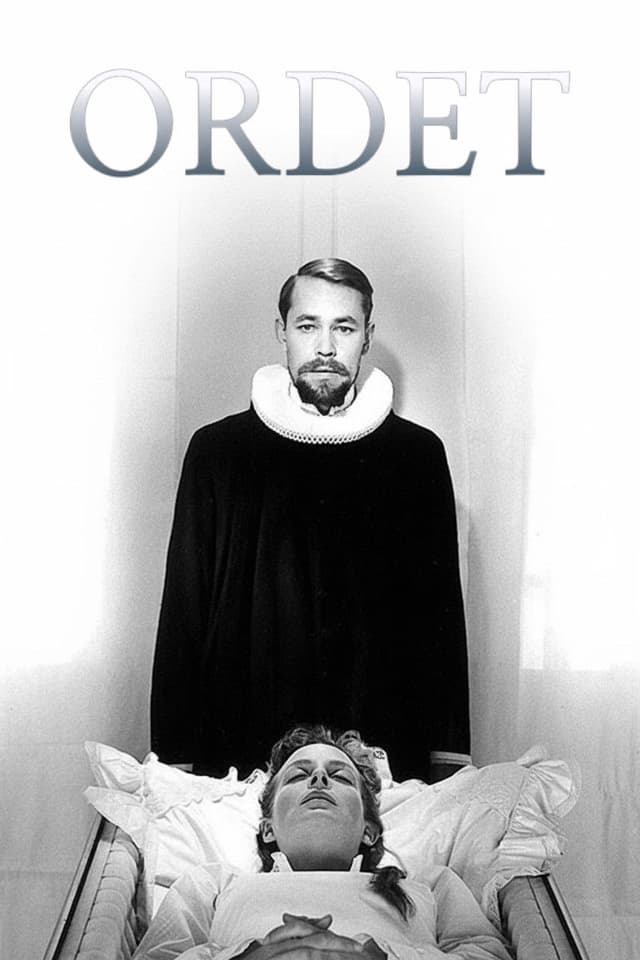
Ordet (1955), directed by Carl Theodor Dreyer and distributed by Palladium Film, was produced on an estimated budget of approximately $250,000 (roughly 1.7 million Danish kroner in period terms). The film was financed by Palladium Film, the Danish production company that had backed Dreyer's Vredens Dag (Day of Wrath) in 1943, with state-funded support from the Danish Film Foundation under the post-war public-cinema funding framework.
The budget reflected the production scale appropriate to a contained farmhouse-set Danish drama anchored by Dreyer's established-auteur fee. Working from a single principal location in Vedersø and surrounding Jutland farmland, with a small principal cast and minimal special effects, the production held costs to a tight figure consistent with Danish state-supported features of the period. The math anticipated festival recognition and limited European art-house distribution rather than commercial mass-release.
Key Budget Allocation Categories
The estimated $250,000 budget for Ordet was distributed across several core production areas:
- Above-the-Line Talent: Director Carl Theodor Dreyer, then nearly seventy and the leading living figure in Danish cinema after The Passion of Joan of Arc (1928), Vampyr (1932), and Day of Wrath (1943), commanded an established-auteur fee. The principal cast of Henrik Malberg as Morten Borgen, Emil Hass Christensen, Birgitte Federspiel, Cay Kristiansen, and Preben Lerdorff Rye worked at scale-appropriate Danish theatrical rates.
- Jutland Location Shooting: Principal photography took place primarily in Vedersø, the Jutland village where Dreyer had spent significant time, and at the Borgensgaard farm location built for the production. The single-location-heavy approach kept costs efficient while requiring extended weather-dependent exterior coverage across the Danish landscape.
- Writing: Dreyer adapted his screenplay from Kaj Munk's 1932 play Ordet (The Word), a foundational text of 20th-century Danish theology and theater. Munk had been executed by the Gestapo in 1944, and Dreyer's adaptation carried significant cultural weight beyond standard literary adaptation. The Munk estate rights payments represented a meaningful above-the-line investment.
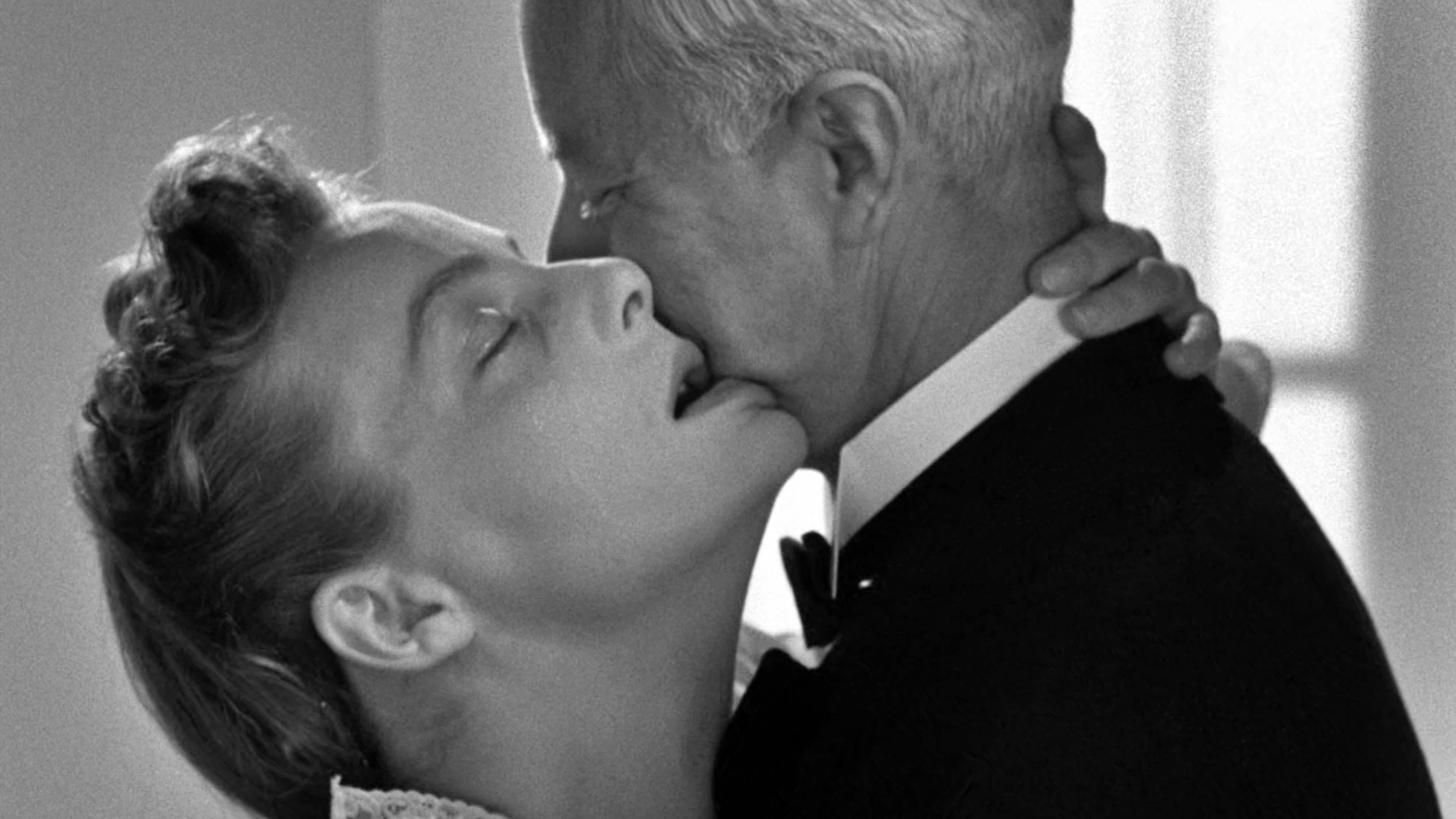
- Cinematography: Director of photography Henning Bendtsen shot the film in black-and-white 35mm with the long-take fluid camera style that became one of Ordet's most distinctive elements. The 7-shot-per-reel pacing required precise blocking and lighting design across a contained location.
- Score and Sound: Composer Poul Schierbeck delivered the minimal score, with the film's austere musical approach using silence and natural sound as much as composed music. Recording sessions in Copenhagen absorbed limited orchestra and studio time consistent with the contained budget.
- Post-Production: Post work in Copenhagen included Edith Schlüssel's editing of the long-take material into the 126-minute final cut. Final delivery in time for the August 1955 Venice International Film Festival premiere added scheduling pressure across the post-production schedule.
How Does Ordet's Budget Compare to Similar Films?
At an estimated $250,000, Ordet sits at the lower end of major European art cinema budgets of the mid-1950s. The comparison set illustrates the budgetary tier:
- The Seventh Seal (1957): Budget approximately $150,000 | Worldwide unrecorded. Ingmar Bergman's contemporaneous Swedish art film cost roughly 60 percent of Ordet and represents the Scandinavian art-cinema budget tier of the period.
- Wild Strawberries (1957): Budget approximately $150,000 | Worldwide unrecorded. Bergman's follow-up operated at the same low Scandinavian art-cinema cost level as The Seventh Seal.
- La Strada (1954): Budget approximately $500,000 | Worldwide approximately $4,500,000. Federico Fellini's Italian contemporary cost twice what Ordet spent and earned roughly forty times more worldwide, illustrating the gap between Scandinavian art cinema and the larger Italian production base.
- Day of Wrath (1943): Budget undisclosed (estimated $150,000 to $200,000) | Worldwide unrecorded. Dreyer's previous Danish production cost slightly less than Ordet and provides the direct historical comparison for his own work.
Ordet Box Office Performance
Ordet premiered in competition at the 16th Venice International Film Festival on August 25, 1955 where it won the Golden Lion. Danish theatrical release followed on January 10, 1956 through Palladium Film. The film received limited international art-house distribution across 1956-1957 in France, West Germany, Italy, and other European territories, with a U.S. release through Kingsley International in 1957. Reported box office figures are minimal because period Danish and European art-cinema records are incomplete. The financial breakdown below uses retrospective estimates:
Box Office Breakdown
Ordet

Ordet returned an estimated $1.30 to $1.65 in worldwide gross for every $1 invested in production and marketing, marking it a modest theatrical winner across its initial 1955-1957 release window. The Danish share dominated, with international receipts coming primarily from European art-house circuits and limited U.S. revival.
Long-tail revenue from international art-house revivals across the subsequent decades, Criterion Collection home video releases, and the film's permanent place in academic film curricula has delivered sustained positive returns. Ordet is widely regarded as one of the most influential films in the history of Scandinavian cinema and a foundational work of religious art-cinema, with consistent rights-management revenue across the decades.
Ordet Production History
Development began at Palladium Film in the early 1950s, with Carl Theodor Dreyer adapting Kaj Munk's 1932 play Ordet (The Word). Dreyer had long been interested in the play, which Munk had written following his religious conversion, and the writer-pastor had been executed by the Gestapo in 1944, giving the adaptation significant cultural and political weight in post-war Denmark.
Producer Tage Nielsen of Palladium Film backed the project as Dreyer's first feature in twelve years since Day of Wrath (1943). Dreyer cast Henrik Malberg, then 79 years old, as patriarch Morten Borgen in his second-to-last film role. Emil Hass Christensen, Birgitte Federspiel, Cay Kristiansen, and Preben Lerdorff Rye filled out the principal Borgen family ensemble.
Principal photography ran during 1954 across Vedersø and surrounding Jutland farmland in Denmark, with the Borgensgaard farm location built specifically for the production. Director of photography Henning Bendtsen shot the film in black-and-white 35mm with the long-take fluid camera style that became one of the film's most distinctive elements. The 7-shot-per-reel pacing required precise blocking and lighting design across the contained location.
Post-production in Copenhagen included Edith Schlüssel's editing of the long-take material into the 126-minute final cut. The film premiered in competition at the 16th Venice International Film Festival on August 25, 1955 where it won the Golden Lion, the festival's top prize. Danish theatrical release followed on January 10, 1956, with international art-house distribution rolling out across 1956-1957.
Awards and Recognition
Ordet won the Golden Lion at the 16th Venice International Film Festival in 1955, the festival's top prize, beating contenders that included Akira Kurosawa's I Live in Fear and Federico Fellini's Il Bidone. It also won the Pasinetti Award and the OCIC Award at the same festival. At the 1956 Bodil Awards (Denmark's national film prize), the film won Best Danish Film and additional craft categories.
Retrospective recognition has been substantial. The British Film Institute's Sight and Sound critics' poll has consistently included Ordet in its lists of greatest films, with the 2012 poll placing it at number 24 on the all-time critics' list. Numerous filmmakers, including Paul Schrader, Terence Davies, Lars von Trier, and Mike Leigh, have cited the film as a defining influence on their religious cinema and slow-cinema work.
Critical Reception
Ordet received broadly favorable reviews on initial release that have strengthened substantially over subsequent decades. The film holds a 98% approval rating on Rotten Tomatoes based on its retrospective reviewer pool, with critics consistently praising Dreyer's long-take cinematic style, Henning Bendtsen's cinematography, and the austere religious thematics. No initial Metacritic score exists because the film predates the platform.
Period reception in Denmark was largely positive, with religious press in particular embracing the film's handling of Kaj Munk's text. International reviews on the 1956-1957 export release were enthusiastic in art-house circles, with French Cahiers du cinéma critics including Jean-Luc Godard and François Truffaut writing extensively about the film's formal innovations. The 1957 U.S. release through Kingsley International generated mixed-to-positive notices in mainstream American press, with critics struggling to position the contemplative pacing within familiar narrative frameworks.
Retrospective criticism has secured Ordet's place in the canon of mid-century European cinema. Andrew Sarris included Dreyer in his "Pantheon" tier of essential directors, and the British Film Institute's Sight and Sound polls have consistently ranked Ordet among the greatest films ever made. Paul Schrader's influential book Transcendental Style in Film: Ozu, Bresson, Dreyer (1972) placed Ordet at the center of his framework for spiritual cinema, an analytical structure that has shaped subsequent religious filmmaking from Schrader's own work through Terence Davies, Bruno Dumont, and Pawel Pawlikowski.
Frequently Asked Questions
How much did it cost to make Ordet (1955)?
The estimated production budget was approximately $250,000 (roughly 1.7 million Danish kroner in period terms). The film was financed by Palladium Film with state-funded support from the Danish Film Foundation under the post-war public-cinema funding framework.
How much did Ordet earn at the box office?
Reported box office figures are minimal because period Danish and European art-cinema records are incomplete. Retrospective estimates place worldwide gross under $500,000 across reported territories during the 1955-1957 release window. Long-tail revenue from international art-house revivals across the subsequent decades has delivered sustained positive returns.
Who directed Ordet?
Carl Theodor Dreyer directed the film. Dreyer was the leading living figure in Danish cinema, with earlier credits including The Passion of Joan of Arc (1928), Vampyr (1932), and Day of Wrath (1943). Ordet was his first feature in twelve years following Day of Wrath, and the second-to-last feature of his career.
What is Ordet based on?
The film adapts Kaj Munk's 1932 play Ordet (The Word), a foundational text of 20th-century Danish theology and theater. Munk was a Lutheran pastor and playwright whose religious conversion shaped the play, and who was executed by the Gestapo in 1944, giving Dreyer's adaptation significant cultural and political weight in post-war Denmark.
Did Ordet win any awards?
Yes. Ordet won the Golden Lion at the 16th Venice International Film Festival in 1955, the festival's top prize. It also won the Pasinetti Award and the OCIC Award at the same festival. At the 1956 Bodil Awards (Denmark's national film prize), the film won Best Danish Film and additional craft categories.
Where was Ordet filmed?
Principal photography ran during 1954 across Vedersø and surrounding Jutland farmland in Denmark, with the Borgensgaard farm location built specifically for the production. Vedersø was the Jutland village where Dreyer had spent significant time and which Kaj Munk had served as Lutheran pastor.
What does the title Ordet mean?
Ordet is the Danish word for "The Word." The title refers both to the religious concept of the Word of God in Christian theology and to the specific moment in the climactic scene when a character's spoken word performs the act of faith at the center of Kaj Munk's original play.
What did critics think of Ordet?
Period reception was broadly favorable, with religious press in particular embracing Dreyer's handling of Munk's text. Retrospective criticism has been overwhelmingly positive, with a 98% approval rating on Rotten Tomatoes based on its retrospective reviewer pool. The British Film Institute Sight and Sound poll has consistently included Ordet among the greatest films ever made.
How has Ordet influenced later filmmakers?
Paul Schrader's influential book Transcendental Style in Film: Ozu, Bresson, Dreyer (1972) placed Ordet at the center of his framework for spiritual cinema. Lars von Trier, Terence Davies, Bruno Dumont, Mike Leigh, and Pawel Pawlikowski have all cited the film as a defining influence on their religious or slow-cinema work.
Is Ordet available on home video?
Yes. The Criterion Collection released Ordet on DVD in 2001 and on Blu-ray in 2015, with restoration support from the Danish Film Institute. The Criterion edition includes Jørgen Roos's 1966 documentary Carl Theodor Dreyer and commentary tracks that have helped position the film within ongoing academic and film-criticism discussion.
Filmmakers
Ordet

Official Trailer
Build budgets like this one in Saturation
Start from an industry-standard feature film template, import the schedule and rates you already have, and let the cost report keep itself current as you spend. Real-time collaboration, no spreadsheets.