The Seventh Seal Budget
Updated
Synopsis
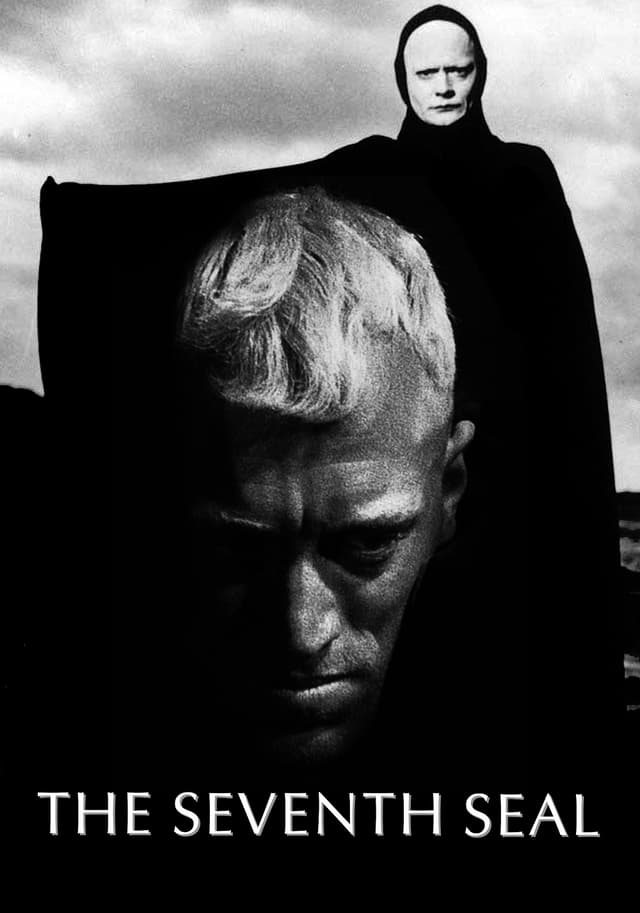
When disillusioned Swedish knight Antonius Block returns home from the Crusades to find his country in the grips of the Black Death, he challenges Death to a chess match for his life. Tormented by the belief that God does not exist, Block sets off on a journey, meeting up with traveling players Jof and his wife, Mia, and becoming determined to evade Death long enough to commit one redemptive act while he still lives.
What is the budget of The Seventh Seal?
"The Seventh Seal," a fantasy released in 1957, was directed by Ingmar Bergman and stars Gunnar Björnstrand, Bengt Ekerot. The production budget was $150,000, placing it in the micro-budget range for fantasy productions of the 1950s.
Key Budget Allocation Categories
While specific budget breakdowns are not publicly available, typical cost drivers for a fantasy production like this include:
- Visual Effects & Creature Design: Fantasy productions require extensive VFX for magical elements, mythical creatures, and fantastical battle sequences.
- Costumes, Prosthetic Makeup & Production Design: Period-inspired or wholly original costumes, elaborate prosthetic and makeup applications, and richly detailed set construction are hallmarks of fantasy filmmaking.
- Music Score & Sound Design: Fantasy epics typically commission full orchestral scores recorded with 80 to 100 piece ensembles, plus extensive sound design for magical effects, creature vocalizations, and immersive world audio.
- Filming & Locations: All scenes except two were shot in or around the Filmstaden studios in Solna.
What were the major cost factors in The Seventh Seal?
Several factors contributed to the overall production costs of "The Seventh Seal."
- Visual Effects: Visual Effects & Creature Design is one of the primary cost drivers in fantasy productions of this scale.
- Costumes: Costumes, Prosthetic Makeup & Production Design is one of the primary cost drivers in fantasy productions of this scale.
- Music Score: Music Score & Sound Design is one of the primary cost drivers in fantasy productions of this scale.
How Does The Seventh Seal's Budget Compare to Similar Films?
At $150,000, The Seventh Seal sits in the micro-budget range. Here is how it compares to productions with a similar budget:
- Hundreds of Beavers (2024): Budget $150,000, Worldwide Gross $1,267,995
- Kaili Blues (2016): Budget $150,000, Worldwide Gross $646
- Bad Taste (1987): Budget $150,000
- Chungking Express (1994): Budget $160,000
- The Texas Chain Saw Massacre (1974): Budget $140,000, Worldwide Gross $30,922,680
The median budget for wide-release fantasy films in the era ranges from $30 to 80M for mid-budget to $150M+ for tentpoles.
The Seventh Seal Box Office Performance
"The Seventh Seal" earned $311,212 worldwide at the box office. Against a production budget of $150,000, the film showed modest profitability in theatrical release.
A film typically needs to earn approximately twice its production budget to cover marketing and distribution costs. For "The Seventh Seal," that break-even threshold was roughly $300,000. With worldwide earnings of $311,212, the film cleared that threshold comfortably.
Box Office Breakdown
The Seventh Seal

At 107.5%, "The Seventh Seal" earned roughly $2.07 for every $1 invested in production.
The Seventh Seal Production History
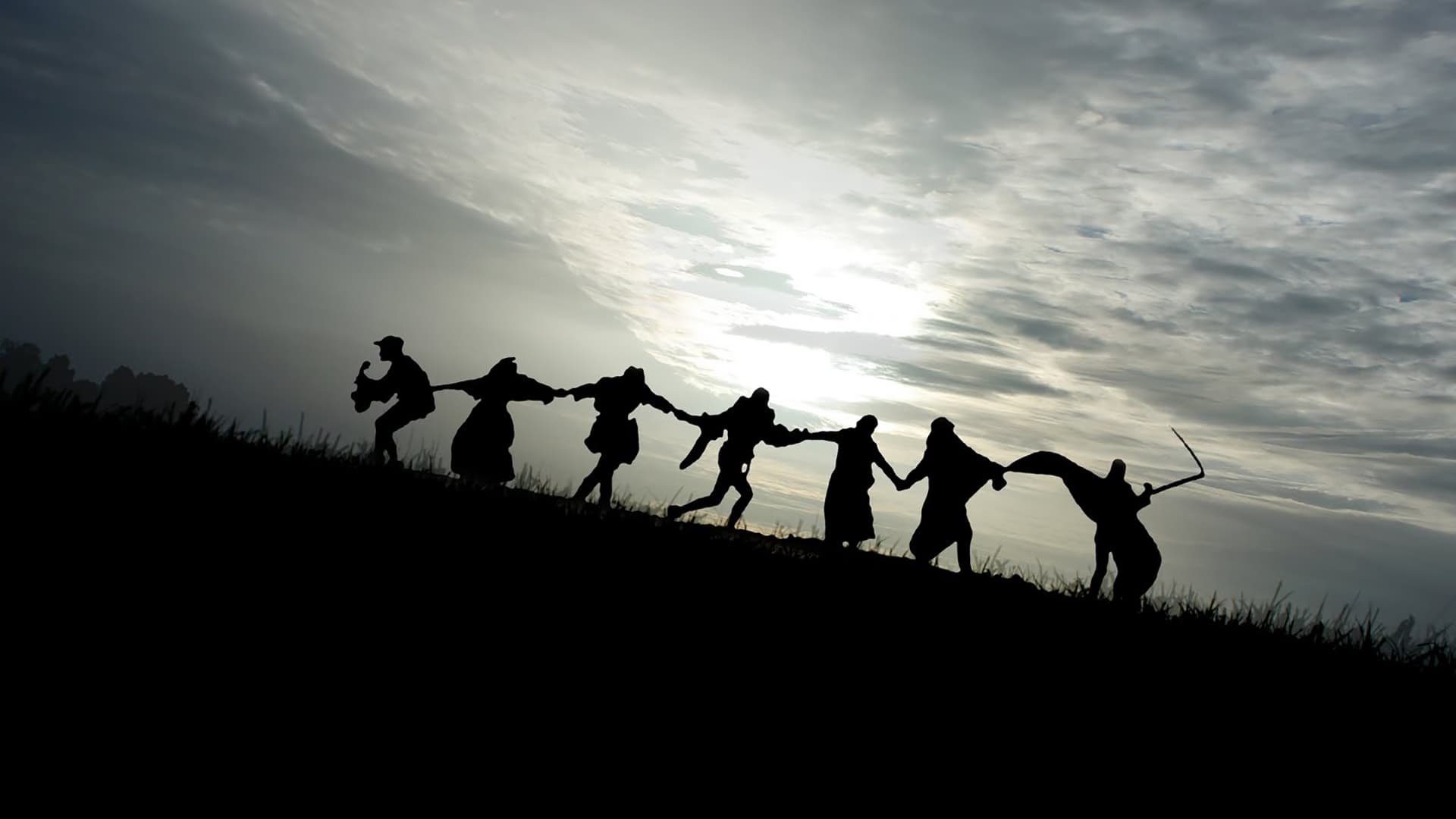
All scenes except two were shot in or around the Filmstaden studios in Solna. The exceptions were the famous opening scene with Death and the Knight playing chess by the sea, and the ending with the dance of death, which were both shot at Hovs Hallar, a rocky, precipitous beach area in north-western Scania. In the Magic Lantern autobiography Bergman writes of the film's iconic penultimate shot: "The image of the Dance of Death beneath the dark cloud was achieved at hectic speed because most of the actors had finished for the day.
The film is referred to in several songs. The plot is recapitulated in Scott Walker's "The Seventh Seal" from his album Scott 4. There is a passing reference in Bruce Cockburn's song "How I Spent My Fall Vacation", from his album Humans, in which the song's narrative is bracketed by two young men watching the film in a cinema.
Awards and Recognition
9 wins & 2 nominations total
Critical Reception
Bergman's international reputation, on the other hand, was largely cemented by The Seventh Seal. Bosley Crowther had only positive things to say in his 1958 review for The New York Times, and praised how the themes were elevated by the cinematography and performances: "the profundities of the ideas are lightened and made flexible by glowing pictorial presentation of action that is interesting and strong. Mr.
Frequently Asked Questions
How much did it cost to make The Seventh Seal (1957)?
The production budget was $150,000, covering principal photography, visual effects, cast and crew salaries, locations, sets, post-production, and music. Marketing and distribution (P&A) costs are estimated at an additional $75,000 - $120,000, bringing the total studio investment to approximately $225,000 - $270,000.
How much did The Seventh Seal (1957) earn at the box office?
The Seventh Seal grossed $311,212 worldwide.
Was The Seventh Seal (1957) profitable?
The film did not break even theatrically, earning $311,212 against an estimated $375,000 needed. Ancillary revenue may have improved the picture.
What were the biggest costs in producing The Seventh Seal?
The primary cost drivers were above-the-line talent (Gunnar Björnstrand, Bengt Ekerot, Nils Poppe); VFX creature work, elaborate costume and prosthetic design, and orchestral scoring.
How does The Seventh Seal's budget compare to similar fantasy films?
At $150,000, The Seventh Seal is classified as a ultra-low-budget production. The median budget for wide-release fantasy films in the era ranges from $30 - 80M for mid-budget to $150M+ for tentpoles. Comparable budgets: Hundreds of Beavers (2024, $150,000); Kaili Blues (2016, $150,000); Bad Taste (1987, $150,000).
Did The Seventh Seal (1957) go over budget?
There are no widely reported accounts of significant budget overruns for this production. However, studios rarely disclose precise budget overrun figures publicly. The reported production budget reflects the final estimated cost.
What was the return on investment (ROI) for The Seventh Seal?
The theatrical ROI was 107.5%, calculated as ($311,212 − $150,000) ÷ $150,000 × 100. This measures gross revenue against production budget only - it does not account for P&A or exhibitor shares.
What awards did The Seventh Seal (1957) win?
9 wins & 2 nominations total.
Who directed The Seventh Seal and who were the key crew members?
Directed by Ingmar Bergman, written by Ingmar Bergman, shot by Gunnar Fischer, with music by Erik Nordgren, edited by Lennart Wallén.
Where was The Seventh Seal filmed?
The Seventh Seal was filmed in Sweden. All scenes except two were shot in or around the Filmstaden studios in Solna. The exceptions were the famous opening scene with Death and the Knight playing chess by the sea, and the ending with the dance of death, which were both shot at Hovs Hallar, a rocky, precipitous beach area in north-western Scania. In the Magic Lantern autobiography Bergman writes of the film's iconic penultimate shot: "The image of the Dance of Death beneath the dark cloud was achieved at hectic speed because most of the actors had finished for the day.
Filmmakers
The Seventh Seal

Official Trailer
Build budgets like this one in Saturation
Start from an industry-standard feature film template, import the schedule and rates you already have, and let the cost report keep itself current as you spend. Real-time collaboration, no spreadsheets.