Monster Hunt Budget
 ComedyFantasyAdventure1h 58m
Updated
Synopsis
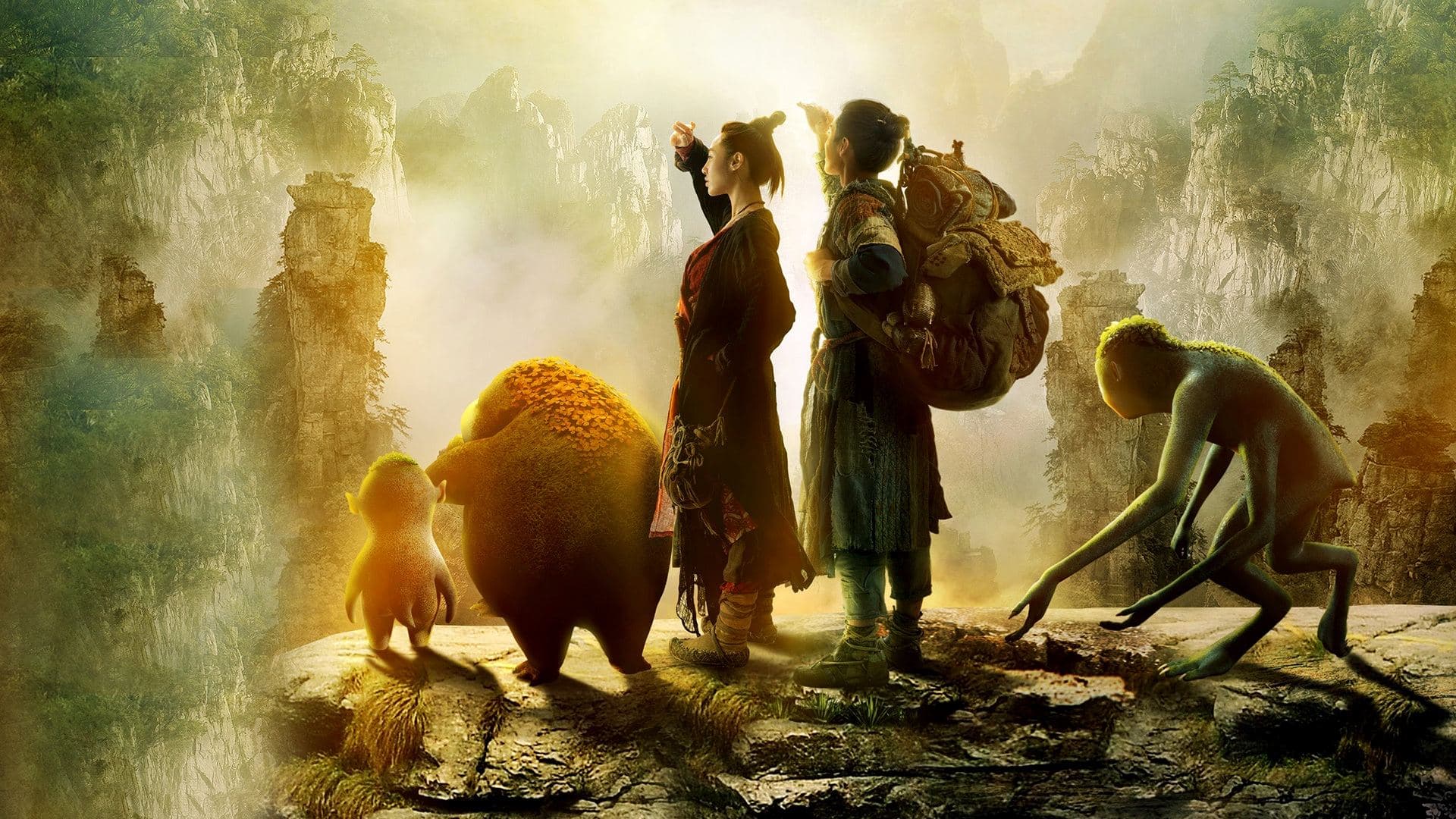
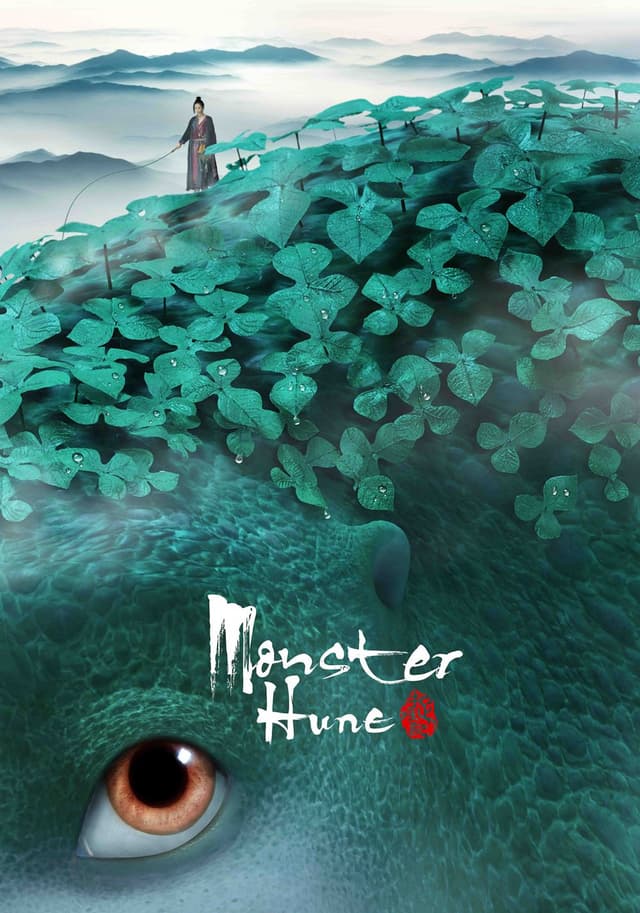
In a world where humans and monsters coexist uneasily, the meek son of a monster-hunting village headman is unexpectedly impregnated by the queen of the monster world. After the infant monster Wuba is born, the young man and a tough monster-catcher must protect the baby from a coalition of hunters and warring monster factions.
What Is the Budget of Monster Hunt (2015)?
Monster Hunt (2015), directed by Raman Hui (a former Hong Kong-born DreamWorks Animation veteran making his live-action directorial debut), was produced on a reported budget of approximately $40,000,000 (RMB 250,000,000). The film was financed and produced by Edko Films in Hong Kong, in association with Filmko Pictures and Yelin Films, with major investment from a consortium of Chinese state-affiliated and private partners.
The budget figure was widely cited in Chinese trade press at the time of release and reflected the upper end of mid-2010s Chinese tentpole production. The cost was driven by an extensive CG-animation pipeline integrating the central monster characters into live-action footage, location shooting across multiple Chinese provinces, and reshoots that required replacing original lead actor Kai Ko (whose 2014 drug arrest forced his removal from the film) with Jing Boran approximately halfway through production.
Key Budget Allocation Categories
The estimated $40,000,000 production budget was distributed across the following areas:
- Above-the-Line Talent: Director Raman Hui took feature-director rates. Bai Baihe led the cast as monster catcher Huo Xiaolan, alongside replacement lead Jing Boran. Eric Tsang, Jiang Wu, Yao Chen, and Wallace Chung appeared in supporting roles. Producer-writer Alan Yuen handled multiple creative roles.
- CG Animation and Visual Effects: The film's central CG character Wuba, a cabbage-shaped infant monster, required extensive character animation work integrated into live-action footage. The Hong Kong-based VFX team handled the character work, with additional vendors contributing to large-scale monster-battle sequences.
- Reshoot Costs from Kai Ko Replacement: Original lead actor Kai Ko's 2014 drug arrest forced the production to shut down briefly, recast the role with Jing Boran, and reshoot approximately one-third of the principal photography. The reshoots added a substantial premium to the overall budget.
- Multi-Province Location Shoot: Principal photography took place across multiple Chinese provinces, with locations in Hangzhou, Hong Kong, and rural mountain settings standing in for the film's fictional pre-modern China.
- Score: Composer Leon Ko (the Hong Kong-born musical theater composer) scored the film with an orchestral palette appropriate to the wuxia-fantasy register.
- Marketing and Distribution: Edko Films and its Chinese distribution partners backed the film with one of the largest Chinese marketing campaigns of 2015, including a controversial release strategy that included nominally free midnight screenings counted toward the box office tally.
How Does Monster Hunt's Budget Compare to Similar Films?
The $40,000,000 budget aligns with peer Chinese tentpole productions of the mid-2010s:
- The Mermaid (2016): Budget approximately $60,000,000 | Worldwide $553,800,000. Stephen Chow's subsequent Chinese tentpole, which broke the Monster Hunt box office record on release, operated at a higher budget tier.
- Wolf Warrior 2 (2017): Budget approximately $30,000,000 | Worldwide $874,300,000. The Wu Jing-led Chinese military action film cost less and became the highest-grossing Chinese film of all time.
- The Wandering Earth (2019): Budget approximately $50,000,000 | Worldwide $699,800,000. The Frant Gwo sci-fi tentpole occupied a slightly higher budget band.
- Journey to the West: Conquering the Demons (2013): Budget approximately $25,000,000 | Worldwide $215,000,000. Stephen Chow's prior fantasy-adventure occupied a smaller budget tier.
- Monster Hunt 2 (2018): Budget approximately $73,000,000 | Worldwide $363,300,000. The Raman Hui-directed sequel cost almost twice as much and underperformed the original's box office.
Monster Hunt Box Office Performance
Monster Hunt opened in China on July 16, 2015 to record-setting numbers. The film became the highest-grossing Chinese film ever upon its release, holding the record until Stephen Chow's The Mermaid surpassed it in February 2016:
Box Office Breakdown
Monster Hunt

Monster Hunt returned approximately $6 in gross revenue for every $1 invested when measured against total estimated production and marketing spend, placing it among the most commercially successful Chinese films of the mid-2010s. The film grossed $381,000,000 in China alone, with the remaining $4,300,000 coming from international theatrical release.
The film's record-setting performance was subsequently complicated by reporting on inflated box office figures, particularly the controversial practice of counting nominally free midnight screenings toward the official tally. The China Film Bureau subsequently introduced new reporting standards in response to these practices, though Monster Hunt's record was never formally adjusted.
Monster Hunt Production History
Development on Monster Hunt began in 2012 at Edko Films in Hong Kong, with director Raman Hui making his live-action directorial debut after 25 years at DreamWorks Animation, where he had been a supervising animator on Antz, Shrek, and Shrek 2 and had co-directed Shrek the Third (2007). Hui returned to Hong Kong specifically to direct Monster Hunt as a Chinese co-production.
Principal photography began in 2013 with Kai Ko (You Are the Apple of My Eye) in the lead role. In August 2014, Ko was arrested in Beijing for marijuana possession, and Chinese authorities banned actors with drug-related arrests from appearing in films. The production shut down briefly and recast the role with Jing Boran (Time Raiders, Across the Furious Sea), forcing reshoots of approximately one-third of the principal photography. The reshoots took place in late 2014 and early 2015.
Bai Baihe (Love Is Not Blind) remained as monster catcher Huo Xiaolan throughout. Eric Tsang, Jiang Wu, Yao Chen, and Wallace Chung filled out the supporting cast. The CG-animated central character Wuba, designed in part by Raman Hui drawing on his DreamWorks animation background, was integrated into live-action footage by a Hong Kong-based VFX team. The film opened in China on July 16, 2015 to record-setting numbers.
Awards and Recognition
Monster Hunt received significant Chinese-industry awards recognition. At the Hong Kong Film Awards in 2016, the film won Best Action Choreography and was nominated for Best Picture, Best Director (Raman Hui), Best Visual Effects, and Best Sound Design. At the Golden Horse Awards in Taiwan, the film was nominated for Best Visual Effects and Best Sound Effects.
The film also received the Chinese Film Director's Guild Award for Best Director (Raman Hui) and won the Audience Award at the 2016 Beijing International Film Festival. International awards recognition was limited as the film was primarily targeted at the Chinese domestic market, but the film's record-setting box office performance and Raman Hui's DreamWorks pedigree generated substantial international trade-press coverage. The film served as a key piece of evidence in the mid-2010s narrative of China surpassing North America as the world's largest theatrical market.
Critical Reception
Monster Hunt received generally positive reviews in China and mixed-to-positive reviews internationally. The film holds a 75% approval rating on Rotten Tomatoes based on 32 critic reviews, with a critical consensus describing it as "a charmingly visual family-friendly Chinese fantasy." On Metacritic, the film scores 56 out of 100, indicating mixed or average reviews.
Critics broadly praised Raman Hui's integration of CG character animation into live-action footage, the design of Wuba the central monster character, and the family-adventure register suitable for both Chinese domestic and international audiences. Maggie Lee of Variety wrote that the film "achieves a Pixar-grade CG performance for its monster character within a live-action framework that mostly does its job." Justin Chang of the Los Angeles Times praised the film as "the most ambitious Chinese tentpole of 2015, even if not all of its ambitions are realized."
Detractors objected to the conventional narrative structure, the uneven blending of broad slapstick with the more sentimental Wuba storyline, and pacing issues introduced by the late-stage Kai Ko replacement reshoots. The mixed-to-positive Metacritic score reflected this critical split between universal praise for the CG character work and reservations about the screenplay's structural decisions. The film's legacy has been built primarily on its commercial achievement (briefly the highest-grossing Chinese film of all time) and its position as a milestone in the integration of CG animation and live-action in Chinese cinema.
Frequently Asked Questions
How much did it cost to make Monster Hunt (2015)?
The reported production budget was approximately $40,000,000 (RMB 250,000,000). The cost was driven by an extensive CG-animation pipeline, location shooting across multiple Chinese provinces, and reshoots that required replacing original lead actor Kai Ko with Jing Boran approximately halfway through production.
How much did Monster Hunt earn at the box office?
The film grossed $381,000,000 in China and approximately $4,300,000 internationally, for a worldwide total of $385,343,725. It became the highest-grossing Chinese film ever upon its release in July 2015, holding the record until Stephen Chow's The Mermaid surpassed it in February 2016.
Was Monster Hunt a box office success?
Yes. The film returned approximately $6 in gross revenue for every $1 invested when measured against total estimated production and marketing spend, placing it among the most commercially successful Chinese films of the mid-2010s. Its record-setting performance was subsequently complicated by reporting on inflated box office figures involving nominally free midnight screenings.
Who directed Monster Hunt?
Raman Hui directed the film, his live-action directorial debut after 25 years at DreamWorks Animation. Hui was a supervising animator on Antz, Shrek, and Shrek 2 and co-directed Shrek the Third (2007) before returning to Hong Kong for Monster Hunt.
Why was Monster Hunt reshot?
Original lead actor Kai Ko was arrested in Beijing for marijuana possession in August 2014. Chinese authorities banned actors with drug-related arrests from appearing in films, forcing the production to recast Ko's role with Jing Boran and reshoot approximately one-third of the principal photography. The reshoots took place in late 2014 and early 2015.
Who stars in Monster Hunt?
Bai Baihe stars as monster catcher Huo Xiaolan, with Jing Boran as Song Tianyin (the replacement lead role). Eric Tsang, Jiang Wu, Yao Chen, Wallace Chung, Tang Wei, and Sandra Ng appear in supporting roles.
What is Wuba in Monster Hunt?
Wuba is the central CG-animated infant monster character, designed in part by Raman Hui drawing on his DreamWorks animation background. The cabbage-shaped infant monster is born to a human father (Song Tianyin) and the queen of the monster world, and is protected throughout the film by his human guardians.
Where was Monster Hunt filmed?
Principal photography took place across multiple Chinese provinces, with locations in Hangzhou, Hong Kong, and rural mountain settings standing in for the film's fictional pre-modern China. The CG-animation work was handled by a Hong Kong-based VFX team.
Is there a Monster Hunt sequel?
Yes. Monster Hunt 2, also directed by Raman Hui, was released in February 2018 on a larger $73,000,000 budget. The sequel grossed approximately $363,300,000 worldwide, less than the original despite the larger budget, and is generally considered to have underperformed expectations.
What did critics think of Monster Hunt?
The film received generally positive reviews in China and mixed-to-positive reviews internationally. It holds a 75% approval rating on Rotten Tomatoes and a Metacritic score of 56 out of 100. Critics broadly praised the CG character work and the family-adventure register, while some objected to the conventional narrative structure and pacing issues introduced by the late-stage Kai Ko replacement reshoots.
Filmmakers
Monster Hunt

Official Trailer
Build budgets like this one in Saturation
Start from an industry-standard feature film template, import the schedule and rates you already have, and let the cost report keep itself current as you spend. Real-time collaboration, no spreadsheets.