Monkey Kingdom Budget
 Documentary81 minutes
Updated
Synopsis
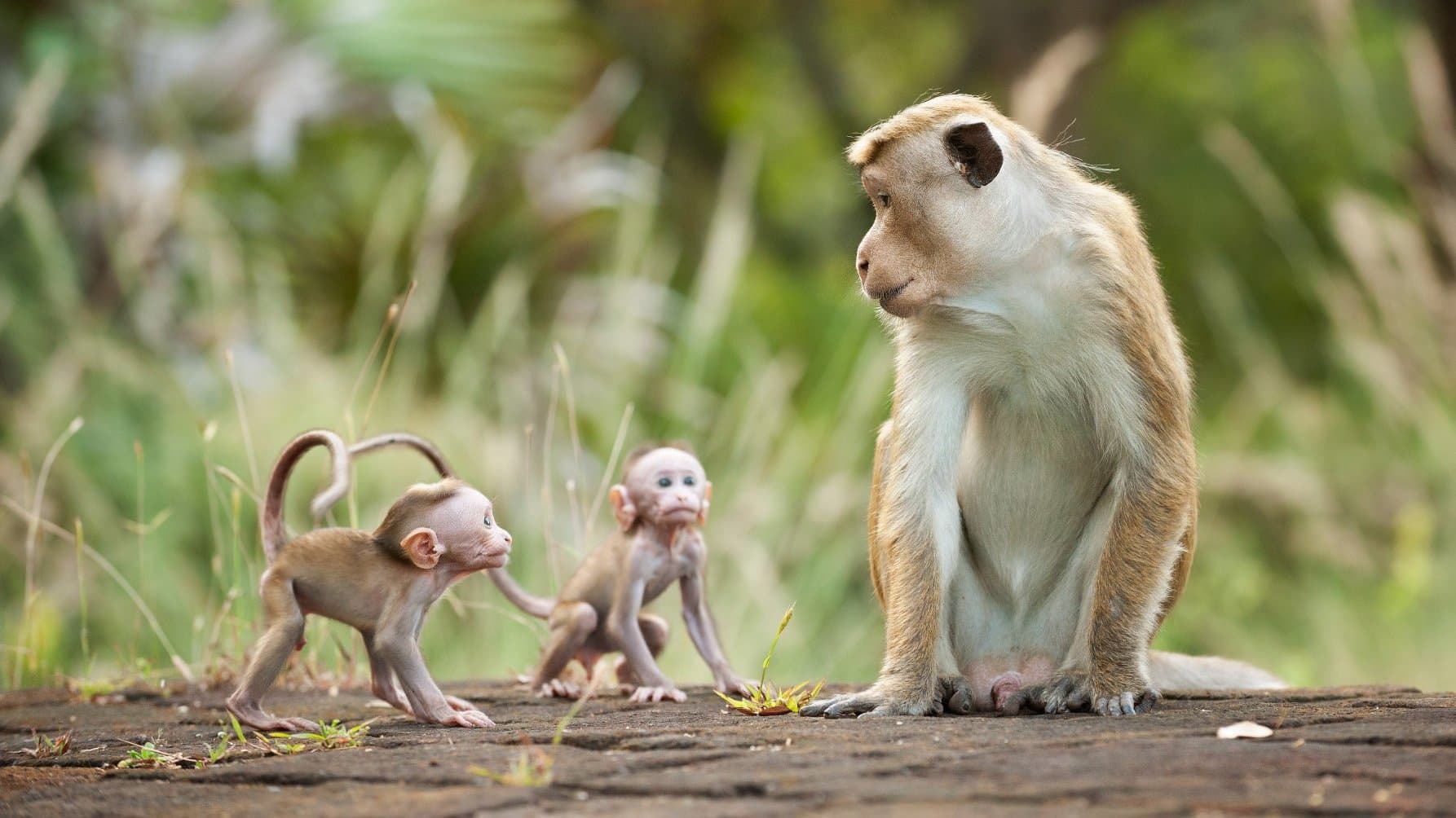
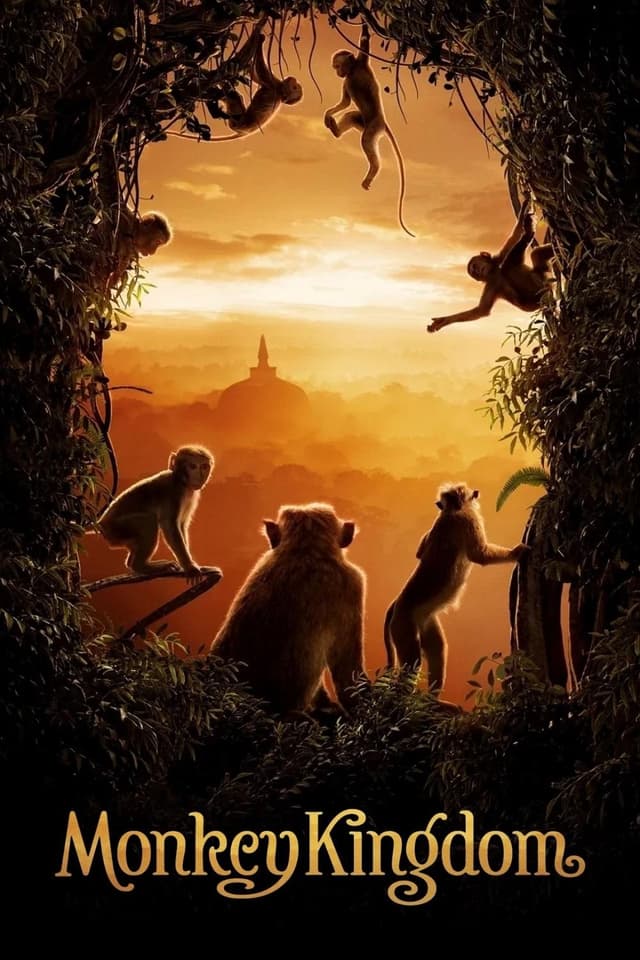
A nature documentary that follows a newborn monkey and its mother as they struggle to survive within the competitive social hierarchy of the Temple Troop, a dynamic group of monkeys who live in ancient ruins found deep in the storied jungles of Sri Lanka.
What Is the Budget of Monkey Kingdom?
Monkey Kingdom was produced on a budget of approximately $20 million by Disneynature, the documentary division of Walt Disney Pictures. The film was directed by Mark Linfield and Alastair Fothergill and narrated by Tina Fey, following Maya, a toque macaque monkey living at the base of an ancient ruined city called Castle Rock in Polonnaruwa, Sri Lanka.
The $20 million budget reflects Disneynature's house production model: multi-year field shoots with professional wildlife cinematographers, high-end post-production, and celebrity narration recorded in professional audio facilities. The film was part of Disneynature's annual Earth Day theatrical strategy, released on April 17, 2015, following prior releases including Earth (2008), Oceans (2010), African Cats (2011), Chimpanzee (2012), and Bears (2014).
Key Budget Allocation Categories
- Four-Year Field Production in Sri Lanka: Monkey Kingdom was filmed over approximately four years in Polonnaruwa, a UNESCO World Heritage site in north-central Sri Lanka. Wildlife documentary production at this scale requires sustained field crews, equipment maintenance in tropical conditions, and significant logistical infrastructure to support camera operators working in and around active macaque troops.
- Directors Mark Linfield and Alastair Fothergill: Fothergill is one of the most experienced natural history filmmakers in the world, having served as Head of the BBC Natural History Unit and directed or produced Planet Earth, Blue Planet, and Frozen Planet. Linfield co-directed Chimpanzee (2012) with Fothergill for Disneynature. Their combined expertise and their relationships with the BBC Natural History Unit's equipment and crew infrastructure shaped the production.
- Tina Fey Narration: Fey, known for Saturday Night Live and 30 Rock, provided narration that matched Disneynature's strategy of pairing accessible, personality-driven narration with wildlife footage aimed at family audiences. Celebrity narrators at Fey's level command significant above-the-line fees for theatrical documentary productions.
- Score by Harry Gregson-Williams: Composer Harry Gregson-Williams, whose credits include The Martian, Shrek, and multiple Call of Duty game scores, composed the original score. Gregson-Williams' orchestral work for Monkey Kingdom was recorded with a full ensemble, representing a significant music production investment relative to the total budget.
- Post-Production and Disney Distribution: Walt Disney Pictures distributed the film across more than 2,000 domestic screens, a wide release for a nature documentary. Disney's P&A investment estimated at $8 million reflected the Earth Day marketing push, theatrical trailer placement, and promotional tie-in with a pledge to donate a portion of opening week ticket sales to conservation efforts through the Disney Worldwide Conservation Fund.
How Does Monkey Kingdom's Budget Compare to Similar Films?
Monkey Kingdom falls within the established Disneynature budget range, where a $20 million production is standard for wide-release theatrical nature documentaries targeting family audiences. Its box office performance compared unfavorably to prior Disneynature releases, reflecting weakening theatrical appetite for the format by 2015.
- Chimpanzee (2012): Budget ~$20M | Domestic $28.7M. The previous Linfield-Fothergill collaboration for Disneynature significantly outperformed Monkey Kingdom domestically, earning more than double the domestic gross on a comparable budget. The chimpanzee subject and the Oscar-nominated narrative involving an orphaned juvenile named Oscar drove stronger audience turnout.
- Bears (2014): Budget ~$18M | Domestic $17.0M. The Earth Day release immediately preceding Monkey Kingdom also underperformed relative to earlier Disneynature titles, establishing a pattern of declining domestic theatrical returns for the franchise that Monkey Kingdom continued.
- African Cats (2011): Budget ~$20M | Domestic $21.2M. The big-cat documentary with narration by Samuel L. Jackson was the domestic high-water mark for Disneynature's second phase of releases. Monkey Kingdom fell $7.8 million short of that domestic total.
- Earth (2009): Budget ~$40M | Domestic $35.2M. The first Disneynature theatrical release in North America, adapted from the BBC's Planet Earth series with narration by James Earl Jones, established the franchise. It spent twice as much and earned nearly three times Monkey Kingdom's domestic gross.
Monkey Kingdom Box Office Performance
Monkey Kingdom opened April 17, 2015, across 2,012 theaters in the United States, the standard Disneynature Earth Day wide release. The domestic opening weekend generated $3.3 million, below expectations for a Disney theatrical release. The domestic total finished at $13.4 million. International markets, where Disneynature titles had historically performed modestly, added $3.8 million for a worldwide total of $17.2 million.
Against a production budget of approximately $20 million and an estimated $8 million in prints and advertising, Disney's total investment was approximately $28 million. With theaters retaining roughly 50 percent of gross, the studio's share of the worldwide theatrical gross was approximately $8.6 million, significantly below the total investment. The theatrical release operated at a loss, with the film's profitability dependent on home video sales, Disney+ streaming revenue, and international broadcast licensing.
Box Office Breakdown
Monkey Kingdom

For every dollar invested in production, Monkey Kingdom returned approximately $0.86 at the worldwide box office. Accounting for P&A, the total cost recovery was roughly 31 percent of the total investment in theatrical. Disney's distribution infrastructure, home video pipeline, and Disney+ catalog placement meant the film remained profitable across all windows, but its theatrical performance was among the weakest in the Disneynature library relative to production cost.
Monkey Kingdom Production History
Development of Monkey Kingdom began when Disneynature identified toque macaques in Polonnaruwa as the right subject for a theatrically structured nature documentary with a clear protagonist. Toque macaques are Sri Lanka's most common primate, living in large social groups with complex hierarchies, and Polonnaruwa's ancient ruins provided a visually distinctive setting that differentiated the film from prior Disneynature productions set in African or Arctic environments.
Fothergill and Linfield developed the narrative around Maya, a low-ranking female macaque at the bottom of the Castle Rock troop's social hierarchy, and her son Kip. The story followed Maya's attempts to improve her social standing and secure food and safety for Kip over the course of a year, including a sequence in which the troop was displaced from Castle Rock by a rival group and forced to forage in a nearby town, including a market and a resort. The town sequences, where macaques raided a hotel's dessert buffet, provided comic relief that was central to the marketing campaign.
Field production in Polonnaruwa presented significant logistical challenges. The tropical climate, active macaque troops of 50 or more individuals, and the difficult terrain of the ruins required experienced wildlife camera operators capable of moving quietly and quickly through dense vegetation. The production employed local guides and researchers with existing relationships to the macaque troops to minimize disturbance.
Post-production constructed the narrative from four years of footage, selecting sequences that supported the protagonist-driven story structure Disneynature uses across its titles. The film was released April 17, 2015, on Earth Day, with Disney pledging that proceeds from the opening week would support conservation of wild macaques in Sri Lanka through the Wildlife Conservation Society.
Awards and Recognition
Monkey Kingdom was not nominated for the Academy Award for Best Documentary Feature, though Disneynature titles rarely receive Documentary branch attention due to their family-oriented theatrical framing. The film received generally positive notices and performed adequately within the Disneynature franchise expectations.
The film was recognized at several environmental film festivals, including the Jackson Wild Media Awards, which honor natural history filmmaking. The production's field work in Sri Lanka and its conservation tie-in with the Wildlife Conservation Society were cited as part of Disneynature's broader commitment to funding real-world conservation through its theatrical releases. The Disneynature pledge program, active since Oceans (2010), had by 2015 contributed to conservation projects across Africa, the Arctic, the Amazon, and South Asia.
Critical Reception
Monkey Kingdom holds a 78% approval rating on Rotten Tomatoes, with critics generally praising the photography and finding Tina Fey's narration engaging. Metacritic scored it 64 out of 100, indicating mixed to average reviews. The critical consensus noted that the film is competently made within the Disneynature formula but does not push beyond it.
Critics who appreciated the film highlighted the market sequence, where the macaques raid shops and stalls, as genuinely funny and the photography of the Polonnaruwa ruins as consistently striking. Critics who were more reserved noted that the anthropomorphized narrative imposed on Maya's story simplifies the behavioral complexity of macaque social dynamics and that Fey's narration, while charming, occasionally tips into sentimentality.
The IMDb user rating of 7.3 out of 10 reflects a family audience that received the film warmly as a competent and visually appealing nature documentary. Within the Disneynature library, Monkey Kingdom is broadly regarded as a mid-tier entry: better than Bears, behind Chimpanzee and African Cats. Its Sri Lankan setting and macaque subjects remain relatively unusual in the Western theatrical nature documentary canon.
Frequently Asked Questions
How much did Monkey Kingdom (2015) cost to make?
The production budget was reported at approximately $36,000,000, including prints and advertising. Disneynature financed the nature documentary as part of the studio's annual Earth Day theatrical release pattern, with Walt Disney Studios Motion Pictures handling distribution.
How much did Monkey Kingdom earn at the box office?
The film grossed $16,400,000 domestically and approximately $2,300,000 internationally, for a worldwide total of approximately $18,700,000. It opened to $4,700,000 on April 17, 2015, finishing seventh in a weekend dominated by Furious 7.
What is Monkey Kingdom about?
The Disneynature documentary follows a troop of toque macaques living among the ancient ruins of Polonnaruwa, Sri Lanka, focusing on a low-ranking female named Maya as she struggles to provide for her newborn son within the troop's strict social hierarchy.
Who narrated Monkey Kingdom?
Tina Fey narrated the documentary. Fey took over the Disneynature narration role from a roster of high-profile actors including Meryl Streep (Earth, 2009), James Earl Jones (African Cats, 2011), and John C. Reilly (Bears, 2014).
Who directed Monkey Kingdom?
Mark Linfield and Alastair Fothergill co-directed the film. The pair had previously co-directed Earth (2007), Chimpanzee (2012), and Bears (2014) for Disneynature, and Fothergill had directed the BBC Planet Earth (2006) and Frozen Planet (2011) series.
Where was Monkey Kingdom filmed?
Principal photography took place at the Polonnaruwa archaeological site in Sri Lanka over a multi-year shooting period. The site's ancient ruins and adjacent rainforest support a population of toque macaques that have lived alongside the structures for centuries.
What did critics think of Monkey Kingdom?
Reviews were positive, with a 93% approval rating on Rotten Tomatoes and a 70 out of 100 score on Metacritic. Critics praised the cinematography and Tina Fey's warm narration while noting the conventional Disneynature anthropomorphism in the storytelling.
Did Monkey Kingdom support a conservation initiative?
Yes. Disneynature partnered with Conservation International for the See Monkey Kingdom, Save the Monkeys initiative, with a portion of opening-week ticket revenue supporting endangered primate populations in Sri Lanka and elsewhere. Disneynature has paired every theatrical release with a similar partnership.
Was Monkey Kingdom profitable?
The theatrical performance was below break-even. Against the $36,000,000 reported production-plus-marketing investment, the worldwide gross of $18,700,000 represented a clear theatrical loss. Disney+ streaming revenue and DVD educational sales have brought the film closer to aggregate profitability.
How does Monkey Kingdom compare to other Disneynature films?
Monkey Kingdom's $18,700,000 worldwide gross fell below Earth (2009, $108,900,000 worldwide), Chimpanzee (2012, $34,500,000 worldwide), and Bears (2014, $30,300,000 worldwide). The Disneynature theatrical model has narrowed since 2015, with newer entries debuting on Disney+ rather than receiving wide theatrical exhibition.
Official Trailer
Build budgets like this one in Saturation
Start from an industry-standard feature film template, import the schedule and rates you already have, and let the cost report keep itself current as you spend. Real-time collaboration, no spreadsheets.