Midsommar Budget
 HorrorDramaMystery2h 27m
Updated
Synopsis
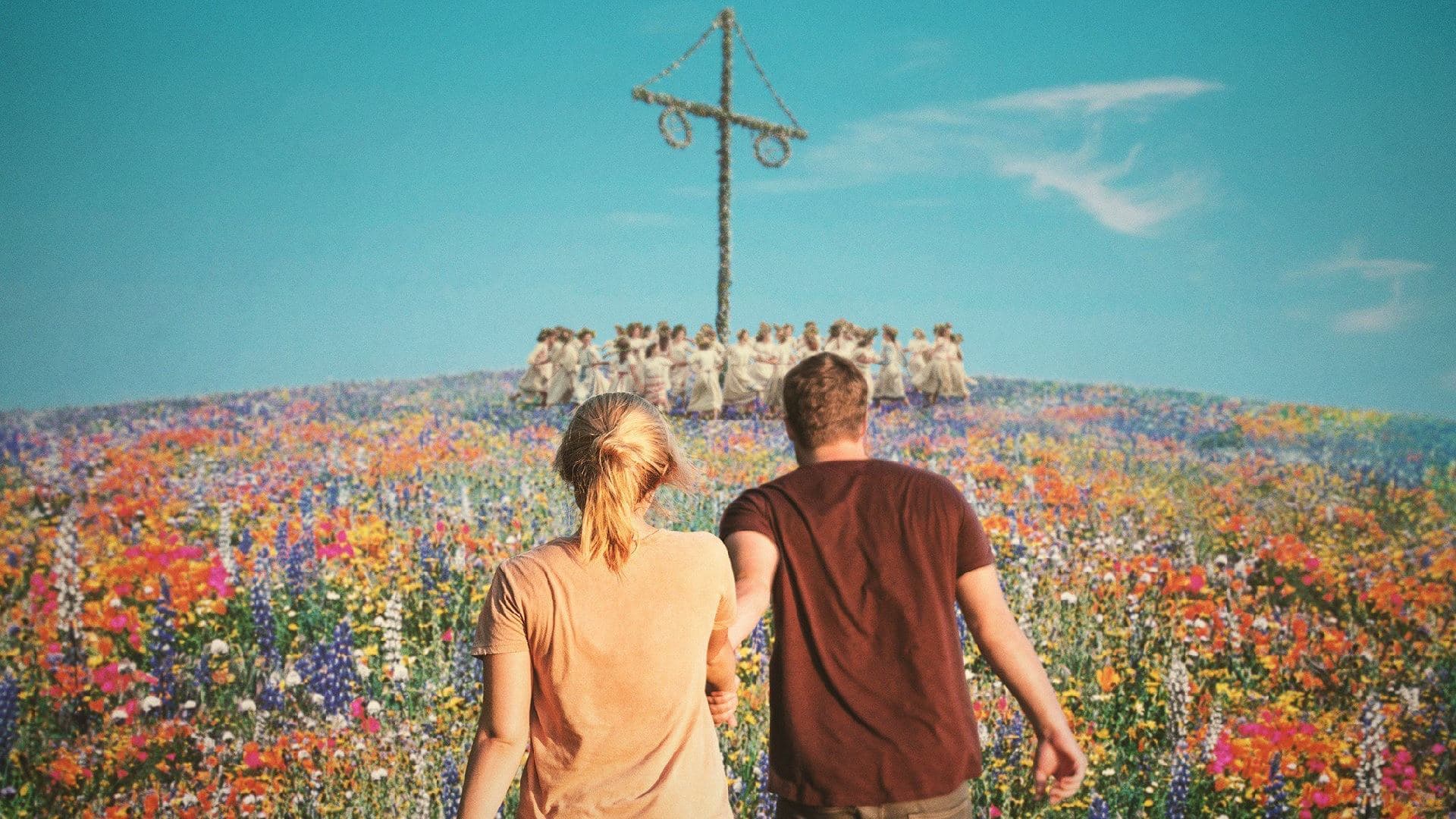
Dani (Florence Pugh) and Christian (Jack Reynor) are a young American couple with a relationship on the brink of falling apart. But after a family tragedy keeps them together, Christian invites a grieving Dani to join him and his friends on a trip to a once-in-a-lifetime midsummer festival in a remote Swedish village. What begins as a carefree summer holiday in the North European land of eternal sunlight takes a sinister turn when the insular villagers invite their guests to partake in festivities that render the pastoral paradise increasingly unnerving and viscerally disturbing.
What is the budget of Midsommar?
"Midsommar," a horror released in 2019, was directed by Ari Aster and stars Florence Pugh, Jack Reynor. The production budget was $9,000,000, placing it in the low-budget range for horror productions of its era.
Key Budget Allocation Categories
While specific budget breakdowns are not publicly available, typical cost drivers for a horror production like this include:
- Practical Effects, Prosthetics & Makeup: Horror productions invest disproportionately in practical effects , prosthetic applications, animatronics, blood and gore effects, and creature suits. A single hero creature suit can cost $50,000 to 200,000.
- Atmospheric Production Design & Cinematography: Creating dread through environment is essential. Abandoned locations must be secured and dressed, lighting rigs designed for shadow and tension, and sets built to enable specific camera movements and reveals.
- Sound Design & Score: Horror is arguably the most sound-dependent genre. Foley work, ambient textures, frequency manipulation, and jump-scare stingers require specialized sound designers working with unconventional techniques.
- Filming & Locations: Some early scenes set in the United States were also filmed there; Dani's apartment was filmed in Brooklyn, New York City, while other scenes where Christian's friends interact were filmed in Utah.
What were the major cost factors in Midsommar?
Several factors contributed to the overall production costs of "Midsommar."
- Practical Effects: Practical Effects, Prosthetics & Makeup is one of the primary cost drivers in horror productions of this scale.
- Atmospheric Production Design: Atmospheric Production Design & Cinematography is one of the primary cost drivers in horror productions of this scale.
- Sound Design: Sound Design & Score is one of the primary cost drivers in horror productions of this scale.
How Does Midsommar's Budget Compare to Similar Films?
At $9,000,000, Midsommar sits in the low-budget range. Here is how it compares to productions with a similar budget:
- Memento (2000): Budget $9,000,000, Worldwide Gross $40,060,108
- 3 Idiots (2009): Budget $9,000,000, Worldwide Gross $70,000,000
- There's Still Tomorrow (2023): Budget $9,000,000, Worldwide Gross $50,121,593
- Manchester by the Sea (2016): Budget $9,000,000, Worldwide Gross $79,000,000
- The Edge of Seventeen (2016): Budget $9,000,000, Worldwide Gross $18,803,648
The median budget for wide-release horror films in the 2010s ranges from $30 to 80M for mid-budget to $150M+ for tentpoles.
Midsommar Box Office Performance
"Midsommar" earned $27,426,361 domestically and $48,498,408 worldwide at the box office. Against a production budget of $9,000,000, the film performed strongly at the box office.
A film typically needs to earn approximately twice its production budget to cover marketing and distribution costs. For "Midsommar," that break-even threshold was roughly $18,000,000. With worldwide earnings of $48,498,408, the film cleared that threshold comfortably.
Box Office Breakdown
Midsommar

At 438.9%, "Midsommar" earned roughly $5.39 for every $1 invested in production.
Midsommar Production History
Some early scenes set in the United States were also filmed there; Dani's apartment was filmed in Brooklyn, New York City, while other scenes where Christian's friends interact were filmed in Utah. The majority of the film was shot in Hungary rather than Sweden, primarily due to financial constraints, but also as Sweden limits daily film shoots to no longer than eight hours. Harper said the shoot was "arduous" due to the heat.
Aster wrote the film while listening to the British electronic musician the Haxan Cloak's 2013 album Excavation. Aster recruited him to compose the score, credited under his real name, Bobby Krlic. Krlic began composing the music before filming began, taking inspiration from Nordic folk music, and collaborating closely with Aster.
Awards and Recognition
27 wins & 74 nominations total
Critical Reception
On the review aggregator website Rotten Tomatoes, the film holds an approval rating of 83% based on 405 reviews, and an average rating of 7.6/10. The site's critical consensus reads, "Ambitious, impressively crafted, and above all unsettling, Midsommar further proves writer-director Ari Aster is a horror auteur to be reckoned with." On Metacritic, which uses a weighted average, the film has a score of 72 out of 100, based on 54 reviews, indicating "generally favorable reviews".
Frequently Asked Questions
How much did it cost to make Midsommar (2019)?
The production budget was $9,000,000, covering principal photography, cast and crew salaries, locations, sets, post-production, and music. Marketing and distribution (P&A) costs are estimated at an additional $4,500,000 - $7,200,000, bringing the total studio investment to approximately $13,500,000 - $16,200,000.
How much did Midsommar (2019) earn at the box office?
Midsommar grossed $27,426,361 domestic, $21,072,047 international, totaling $48,498,408 worldwide.
Was Midsommar (2019) profitable?
Yes. Against a production budget of $9,000,000 and estimated total costs of ~$22,500,000, the film earned $48,498,408 theatrically - a 439% ROI on production costs alone.
What were the biggest costs in producing Midsommar?
The primary cost drivers were above-the-line talent (Florence Pugh, Jack Reynor, William Jackson Harper); practical creature effects, atmospheric cinematography, and psychologically engineered sound design; international production across Sweden, United States of America.
How does Midsommar's budget compare to similar horror films?
At $9,000,000, Midsommar is classified as a micro-budget production. The median budget for wide-release horror films in the 2010s ranges from $30 - 80M for mid-budget to $150M+ for tentpoles. Comparable budgets: Memento (2000, $9,000,000); 3 Idiots (2009, $9,000,000); There's Still Tomorrow (2023, $9,000,000).
Did Midsommar (2019) go over budget?
There are no widely reported accounts of significant budget overruns for this production. However, studios rarely disclose precise budget overrun figures publicly. The reported production budget reflects the final estimated cost.
What was the return on investment (ROI) for Midsommar?
The theatrical ROI was 438.9%, calculated as ($48,498,408 − $9,000,000) ÷ $9,000,000 × 100. This measures gross revenue against production budget only - it does not account for P&A or exhibitor shares.
What awards did Midsommar (2019) win?
27 wins & 74 nominations total.
Who directed Midsommar and who were the key crew members?
Directed by Ari Aster, written by Ari Aster, shot by Pawel Pogorzelski, with music by Bobby Krlic, edited by Lucian Johnston.
Where was Midsommar filmed?
Midsommar was filmed in Sweden, United States of America. Some early scenes set in the United States were also filmed there; Dani's apartment was filmed in Brooklyn, New York City, while other scenes where Christian's friends interact were filmed in Utah. The majority of the film was shot in Hungary rather than Sweden, primarily due to financial constraints, but also as Sweden limits daily film shoots to no longer than eight hours. Harper said the shoot was "arduous" due to the heat.
Filmmakers
Midsommar

Official Trailer
Build budgets like this one in Saturation
Start from an industry-standard feature film template, import the schedule and rates you already have, and let the cost report keep itself current as you spend. Real-time collaboration, no spreadsheets.