Macario Budget
Updated
Synopsis
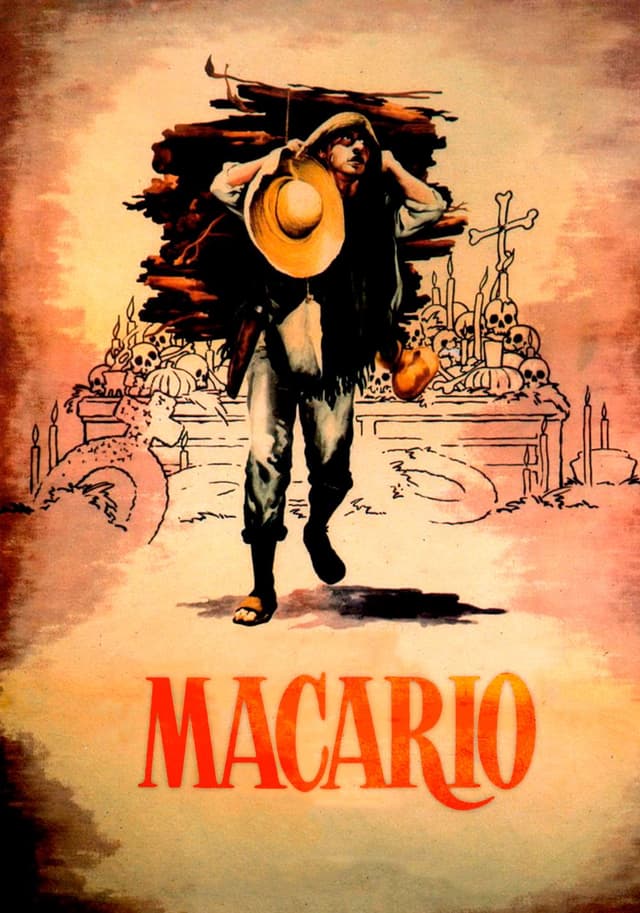
In colonial-era rural Mexico, a starving woodcutter named Macario dreams of one day eating a whole roast turkey by himself. When his wife steals one for him on the Day of the Dead, he flees into the forest to eat it alone, only to encounter the Devil, God, and finally Death, who offers him a deal that will change his life and the lives of every person in his village.
What Is the Budget of Macario (1960)?
Macario (1960), directed by Roberto Gavaldón and adapted from the B. Traven novella, was produced on an estimated budget of approximately 1,500,000 Mexican pesos, equivalent to roughly $120,000 USD at the 1960 exchange rate. The figure has not been formally disclosed by the financiers, but the contained rural location footprint, the modest cast scale, and the production company practices of CLASA Films Mundiales in the era all support a figure in the low six-figure range typical of Golden Age Mexican prestige productions.
The film was produced by Clasa Films Mundiales and Armando Orive Alba, with Roberto Gavaldón directing from a screenplay he co-wrote with Emilio Carballido based on B. Traven's 1950 novella The Third Guest. Macario became the first Mexican film nominated for the Academy Award for Best Foreign Language Film and won the technical prize at the 1960 Cannes Film Festival, anchoring the Golden Age of Mexican Cinema's late-period international reach.
Key Budget Allocation Categories
The estimated 1,500,000 peso (approximately $120,000 USD) budget covered a contained rural fable built around indigenous and supernatural Mexican folk elements:
- Above-the-Line Talent: Ignacio López Tarso played the title woodcutter, with Pina Pellicer as his wife and the supporting cast including Enrique Lucero, Mario Alberto Rodríguez, and José Gálvez. The Mexican-actor compensation packages of 1960 supported a contained ensemble within the available financing.
- Director and Screenplay Package: Roberto Gavaldón took a feature-director rate consistent with his standing as one of the most acclaimed directors of the Mexican Golden Age. He co-wrote the screenplay with Emilio Carballido, who would later become one of Mexico's most prolific playwrights.
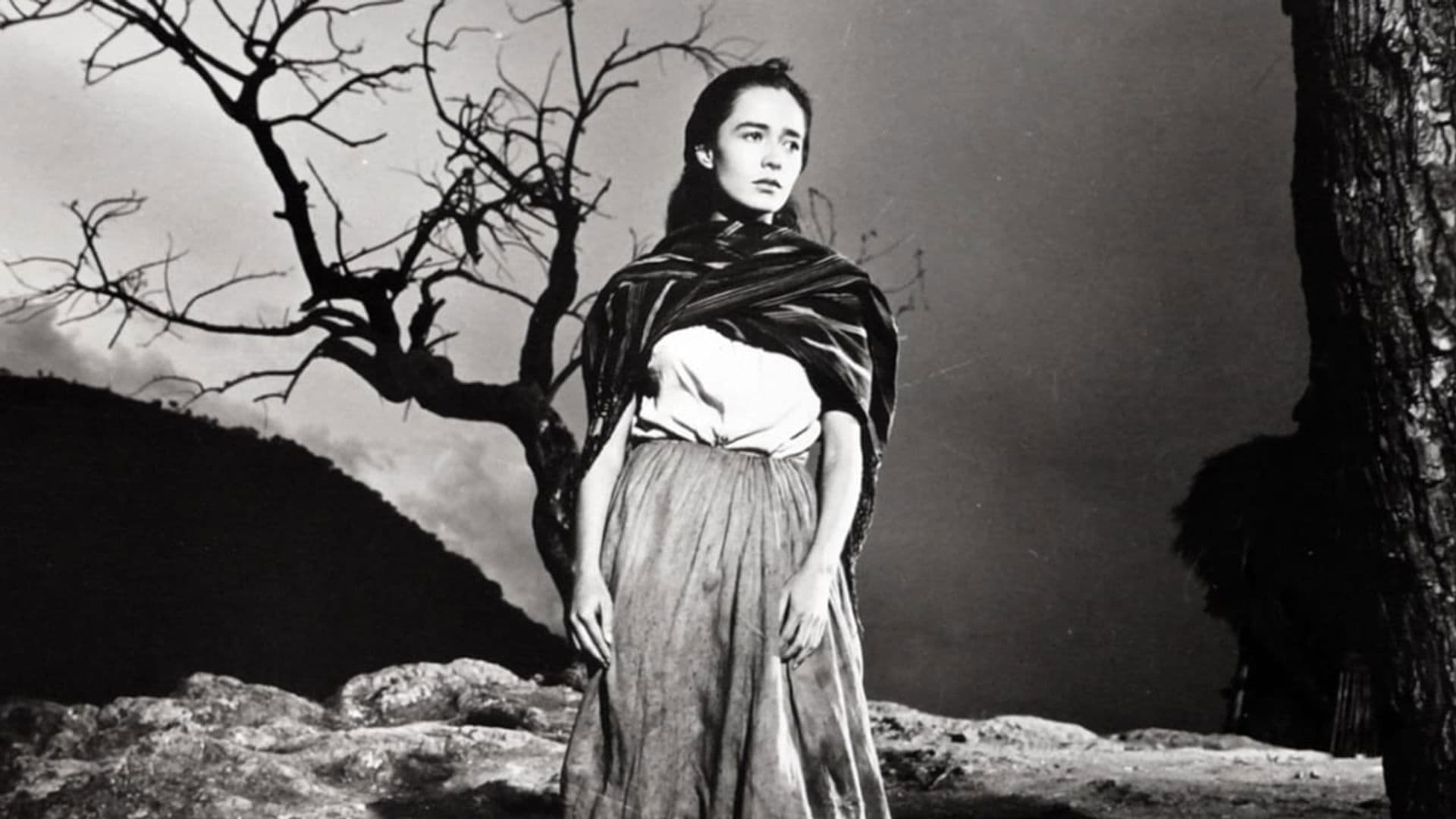
- Location and Production Design: Principal photography took place across rural Mexico, including the forests of Estado de México and Tlaxcala. The Day of the Dead set pieces, the candle-lit cave climax, and the indigenous-folk visual register required period-correct costuming and dressing.
- Cinematography: Director of photography Gabriel Figueroa, the most celebrated Mexican cinematographer of the Golden Age and a frequent collaborator with Emilio Fernández, John Ford, and Luis Buñuel, shot the film in black and white. The Figueroa cinematography package was the production's signature creative spend.
- Music: Raúl Lavista composed the score, integrating traditional Mexican instrumentation with orchestral textures appropriate to the Day of the Dead and supernatural sequences.
- Post-Production and International Delivery: Editorial, sound mix, and subtitled-print delivery for the 1960 Cannes Film Festival competition selection and the subsequent Academy Award Best Foreign Language Film campaign completed the finishing pipeline.
How Does Macario's Budget Compare to Similar Films?
Macario sits in the Golden Age Mexican Cinema international-festival prestige landscape alongside contemporary contained-fable peers:
- Los Olvidados (1950): Budget approximately 450,000 pesos | Worldwide acclaimed festival run. Luis Buñuel's Mexico City poverty drama at roughly a third of the Macario budget represents the earlier Mexican-cinema international breakthrough.
- Nazarín (1959): Budget approximately 2,000,000 pesos | Worldwide Cannes International Prize. Luis Buñuel's Catholic-fable drama at slightly higher budget represents the closest contemporary Mexican-prestige peer.
- Viridiana (1961): Budget approximately $300,000 USD | Worldwide Cannes Palme d'Or. Luis Buñuel's Spanish-Mexican co-production at twice the Macario budget represents the contemporary international-festival peer.
- The Exterminating Angel (1962): Budget approximately 2,500,000 pesos | Worldwide festival circuit. Luis Buñuel's surreal chamber piece at higher budget represents the contemporary CLASA Films Mundiales prestige peer.
Macario Box Office Performance
Macario opened in Mexico in 1960 and traveled internationally through the festival circuit. Granular box office figures from 1960 Mexican distribution and the international art-house theatrical release are not formally reported in modern databases. The film operated on the contained financial model of Golden Age Mexican prestige releases, drawing significant returns through its Cannes selection, its Academy Award Best Foreign Language Film nomination, and the long-tail Mexican-cinema-classics ancillary market.
Against the estimated 1,500,000 peso (approximately $120,000 USD) production budget, the financial breakdown:
Box Office Breakdown
Macario

Macario's commercial outcome operated through a combination of contained Mexican-domestic release returns, international art-house and festival-circuit distribution, and the long-tail Mexican-cinema-classics ancillary market that has sustained the film's commercial life across six decades. The film's standing as the first Mexican Academy Award Best Foreign Language Film nominee and a Cannes 1960 technical prize winner positioned it as a foundational Golden Age Mexican cinema title.
Macario Production History
Macario originated from B. Traven's 1950 novella The Third Guest, itself drawn from a Brothers Grimm folk tale. Roberto Gavaldón co-wrote the screen adaptation with Emilio Carballido, relocating the action to colonial-era rural Mexico and centering the fable around a starving woodcutter who shares a stolen turkey with Death himself, receiving in return the power to heal the sick.
Principal photography took place across rural Mexico in 1959, with the cave-and-candles climax shot in the Cacahuamilpa Caves and exterior locations across Estado de México and Tlaxcala. Director of photography Gabriel Figueroa, working with Roberto Gavaldón for the first time in their long collaborative pairing, designed the black-and-white visual register that became the film's signature.
Macario premiered in Mexico in 1960 and was selected for the main competition at the 13th Cannes Film Festival, where it won the technical prize. The film became the first Mexican production nominated for the Academy Award for Best Foreign Language Film at the 33rd Academy Awards in 1961, losing to Sweden's The Virgin Spring. The film's standing within Mexican cinema history was further cemented when Macario became one of the first Mexican films selected for UNESCO Memory of the World programs decades later.
Awards and Recognition
Macario received the most significant international recognition of any Mexican film to that point. The film won the Cannes Film Festival 1960 technical prize and was the first Mexican production nominated for the Academy Award for Best Foreign Language Film at the 33rd Academy Awards in 1961. The film won multiple Mexican Ariel Awards including Best Actor for Ignacio López Tarso, Best Cinematography for Gabriel Figueroa, and Best Picture nominations. Macario has since been ranked among the greatest Mexican films of all time in critical polls including Somos magazine's 100 Best Movies of Mexican Cinema.
Critical Reception
Macario received broadly strong reviews on its original release and has maintained classic-cinema standing across six decades of critical revaluation. Contemporary critics praised Gabriel Figueroa's black-and-white cinematography as among the most accomplished work of his career, Ignacio López Tarso's lead performance as the starving woodcutter, and Roberto Gavaldón's tight direction of the supernatural-fable register.
The film has been routinely cited as one of the foundational works of the Golden Age of Mexican Cinema and a key bridge between the Emilio Fernández-era populist nationalism of the 1940s and the Luis Buñuel-era international-festival prestige of the 1960s. The Day of the Dead set pieces, the candle-lit cave climax with each candle representing a human life, and the supernatural-fable architecture have been routinely cited in critical assessments of Mexican cinematic visual culture. The strong reception positioned Macario as a permanent classic of Spanish-language cinema.
Frequently Asked Questions
How much did it cost to make Macario (1960)?
The production budget has not been formally disclosed but is estimated at approximately 1,500,000 Mexican pesos, equivalent to roughly $120,000 USD at the 1960 exchange rate. The contained rural location footprint, the modest cast scale, and CLASA Films Mundiales production practices in the era all support a figure in this range.
Who directed Macario?
Roberto Gavaldón directed the film, co-writing the screenplay with Emilio Carballido. Gavaldón was one of the most acclaimed directors of the Golden Age of Mexican Cinema, with credits including La Otra (1946), Camelia (1954), and Días de otoño (1963).
Is Macario based on a book?
Yes. The film adapts B. Traven's 1950 novella The Third Guest, itself drawn from a Brothers Grimm folk tale. Roberto Gavaldón co-wrote the screen adaptation with Emilio Carballido, relocating the action to colonial-era rural Mexico and centering the fable around a starving woodcutter who encounters Death.
Who stars in Macario?
Ignacio López Tarso plays the title woodcutter Macario, Pina Pellicer plays his wife, and the supporting cast includes Enrique Lucero, Mario Alberto Rodríguez, and José Gálvez. The film featured many of the most respected Mexican actors of the era working at the height of the Golden Age of Mexican Cinema.
Where was Macario filmed?
Principal photography took place across rural Mexico in 1959, with the famous cave-and-candles climax shot in the Cacahuamilpa Caves and exterior locations across Estado de México and Tlaxcala. The Day of the Dead set pieces drew on period-correct rural Mexican visual culture.
Did Macario win any awards?
Yes. Macario won the Cannes Film Festival 1960 technical prize and was the first Mexican film nominated for the Academy Award for Best Foreign Language Film at the 33rd Academy Awards in 1961. It won multiple Mexican Ariel Awards including Best Actor for Ignacio López Tarso and Best Cinematography for Gabriel Figueroa.
Who shot Macario?
Gabriel Figueroa, the most celebrated Mexican cinematographer of the Golden Age, shot the film in black and white. Figueroa was a frequent collaborator with Emilio Fernández, John Ford, and Luis Buñuel, and his Macario cinematography is routinely cited among the most accomplished work of his career.
Is Macario the first Mexican Oscar nominee?
Yes. Macario was the first Mexican production nominated for the Academy Award for Best Foreign Language Film at the 33rd Academy Awards ceremony in 1961, losing to Sweden's The Virgin Spring directed by Ingmar Bergman.
What did critics think of Macario?
Reviews were broadly strong on the original 1960 release and have maintained classic-cinema standing across six decades. Contemporary critics praised Gabriel Figueroa's black-and-white cinematography, Ignacio López Tarso's lead performance, and Roberto Gavaldón's tight direction of the supernatural-fable register.
Is Macario a Day of the Dead movie?
Yes. The film centers a Day of the Dead supernatural fable in which a starving woodcutter, Macario, encounters the Devil, God, and finally Death after his wife steals a roast turkey for him. The Day of the Dead set pieces and the candle-lit cave climax have become signature images of Mexican Golden Age cinema.
Filmmakers
Macario

Official Trailer
Build budgets like this one in Saturation
Start from an industry-standard feature film template, import the schedule and rates you already have, and let the cost report keep itself current as you spend. Real-time collaboration, no spreadsheets.