Kes Budget
 Drama1h 51m
Updated
Synopsis
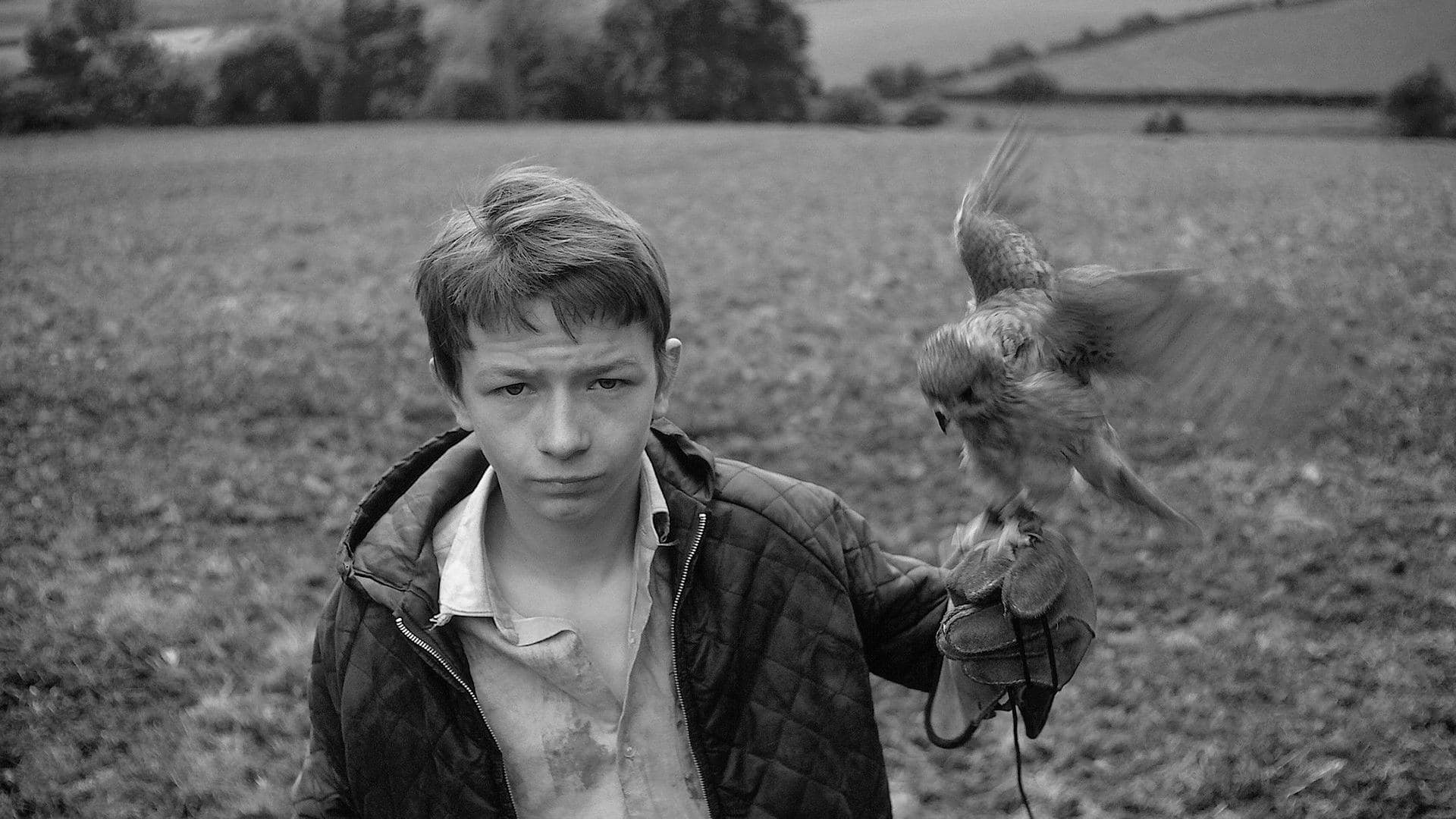
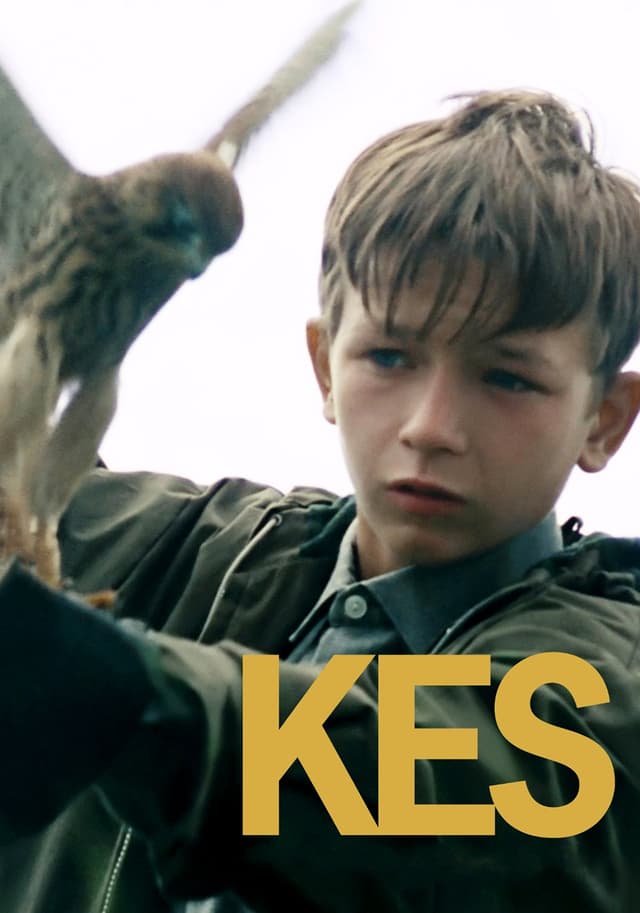
Bullied at school and ignored and abused at home by his indifferent mother and older brother, Billy Casper (David Bradley), a 15-year-old working-class Yorkshire boy, tames and trains his pet kestrel falcon whom he names Kes. Helped and encouraged by his English teacher Mr. Farthing (Colin Welland) and his fellow students, Billy finally finds a positive purpose to his unhappy existence, until tragedy strikes.
What is known about the production of Kes?
"Kes," a drama released in 1970, was directed by Ken Loach and stars David Bradley, Freddie Fletcher. The production budget has not been publicly disclosed, though Woodfall Film Productions, Kestrel Films produced the film, making it a notable entry in the drama landscape whose financial details remain private.
Key Budget Allocation Categories
While specific budget breakdowns are not publicly available, typical cost drivers for a drama production like this include:
- Production: The film (and the book upon which it was based, by Barry Hines) were semi-autobiographical, Hines having been a teacher in the school in which it was set, and wishing to critique the education system of the time.
- Filming & Locations: The film was shot on location, including in St Helens School, Athersley South, and Edward Sheerien School (demolished in 2011); and in and around the streets of Hoyland and Hoyland Common in South Yorkshire.
What were the major cost factors in Kes?
Several factors contributed to the overall production costs of "Kes."
- Production: Production is one of the primary cost drivers in drama productions of this scale.
- Filming: Filming & Locations is one of the primary cost drivers in drama productions of this scale.
Kes Production History
The film was shot on location, including in St Helens School, Athersley South, and Edward Sheerien School (demolished in 2011); and in and around the streets of Hoyland and Hoyland Common in South Yorkshire. A number of the shooting locations are detailed in a "then and now" comparison page compiled by Adam Scovell in 2018. [Filming locations] The film was shot on location, including in St Helens School, Athersley South, and Edward Sheerien School (demolished in 2011); and in and around the streets of Hoyland and Hoyland Common in South Yorkshire.
Awards and Recognition
Won 2 BAFTA 6 wins & 5 nominations total
- National Board of Review: Top Ten Films
- Crystal Globe (17th Karlovy Vary International Film Festival)
Critical Reception
The film took several months to find a cinema release. It was eventually picked up by ABC Cinemas and had a successful run in some cinemas in north England which went very well and led to the film being expanded throughout Britain. The movie became a word-of-mouth hit, eventually making a profit. However, it was a commercial flop in the US and was withdrawn after two days. In his four-star review, Roger Ebert said that the film failed to open in Chicago, and attributed the problems to the Yorkshire accents.
Frequently Asked Questions
How much did it cost to make Kes (1970)?
The production budget has not been publicly disclosed.
How much did Kes (1970) earn at the box office?
Box office figures are not publicly available.
Was Kes (1970) profitable?
Insufficient data for a profitability assessment.
What were the biggest costs in producing Kes?
Specific cost breakdowns are not publicly available.
How does Kes's budget compare to similar drama films?
Without a confirmed budget, comparison is not possible.
Did Kes (1970) go over budget?
There are no widely reported accounts of significant budget overruns for this production. However, studios rarely disclose precise budget overrun figures publicly. The reported production budget reflects the final estimated cost.
What awards did Kes (1970) win?
Won 2 BAFTA 6 wins & 5 nominations total.
Who directed Kes and who were the key crew members?
Directed by Ken Loach, written by Ken Loach, Tony Garnett, shot by Chris Menges, with music by John Cameron, edited by Roy Watts.
Where was Kes filmed?
Kes was filmed in United Kingdom. The film was shot on location, including in St Helens School, Athersley South, and Edward Sheerien School (demolished in 2011); and in and around the streets of Hoyland and Hoyland Common in South Yorkshire. A number of the shooting locations are detailed in a "then and now" comparison page compiled by Adam Scovell in 2018. [Filming locations] The film was shot on location, including in St Helens School, Athersley South, and Edward Sheerien School (demolished in 2011); and in and around the streets of Hoyland and Hoyland Common in South Yorkshire.
Filmmakers
Kes

Official Trailer
Build budgets like this one in Saturation
Start from an industry-standard feature film template, import the schedule and rates you already have, and let the cost report keep itself current as you spend. Real-time collaboration, no spreadsheets.