Justin Bieber's Believe Budget
 DocumentaryMusic92 minutes
Updated
Synopsis
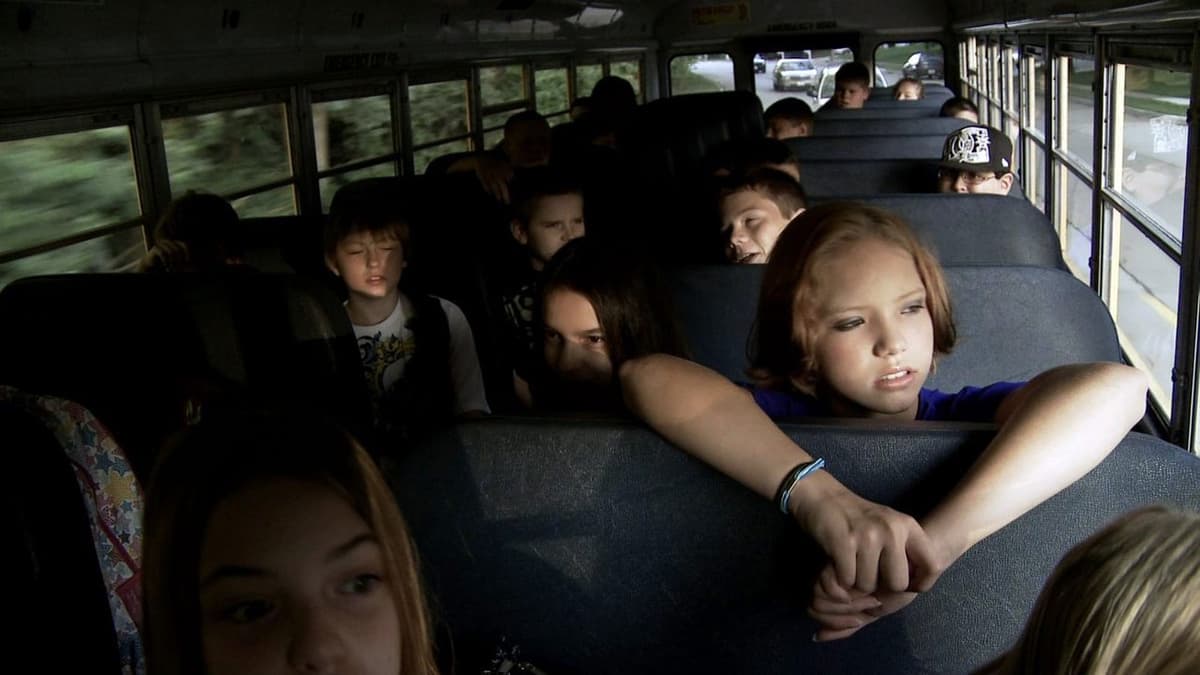
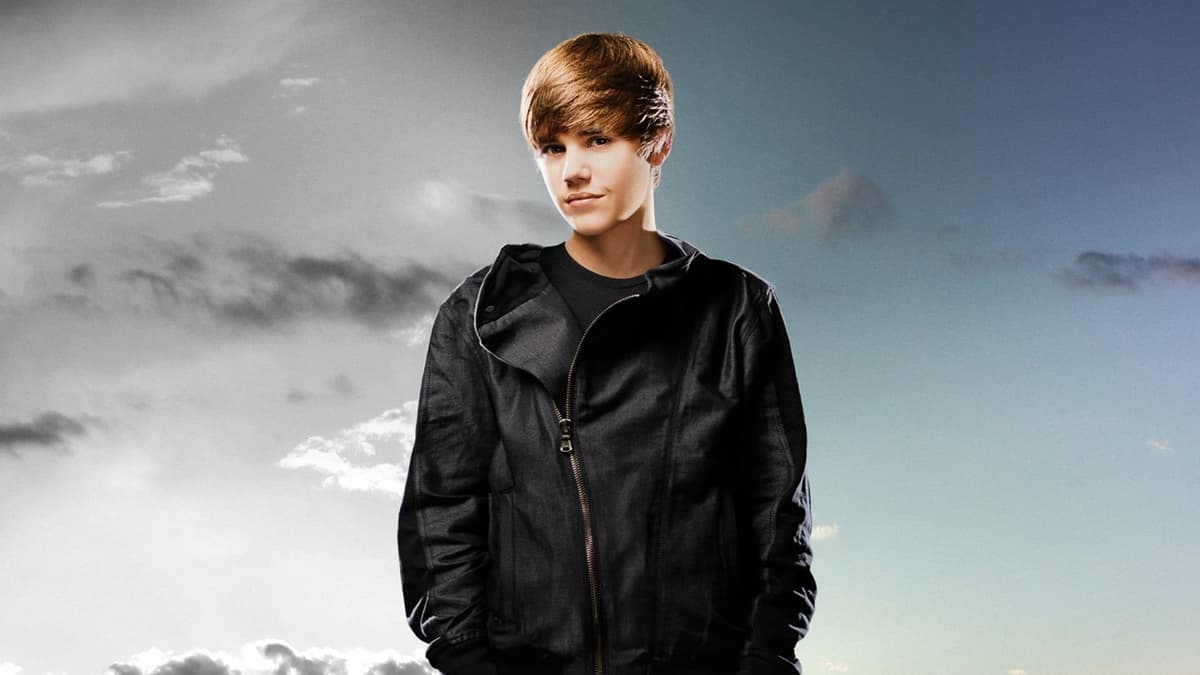
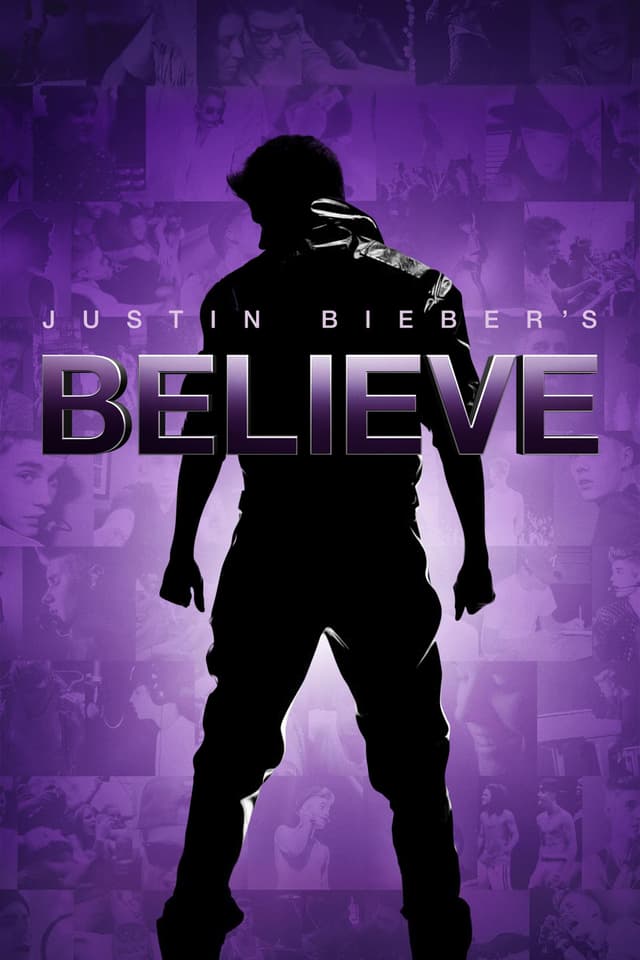
The sequel to Never Say Never continues to focus on Bieber's rise to international fame as he embarks on his Believe Tour. In new interviews with Bieber, the movie reveals long-awaited answers to questions about his passion to make music, relationships and coming of age in the spotlight as well as never-before-seen concert footage, and behind-the-scenes access. The film also features interviews with Justin's mother Pattie Mallette, mentor Usher Raymond IV, manager Scooter Braun, recording artist Ludacris, as well as others..
What Is the Budget of Justin Bieber's Believe?
Justin Bieber's Believe was produced on a budget of approximately $5 million, financed by Open Road Films and Bieber's management company Scooter Braun Projects. The film was directed by Jon M. Chu, who had directed the earlier and far more successful Bieber concert documentary Never Say Never (2011), and released on Christmas Day, December 25, 2013.
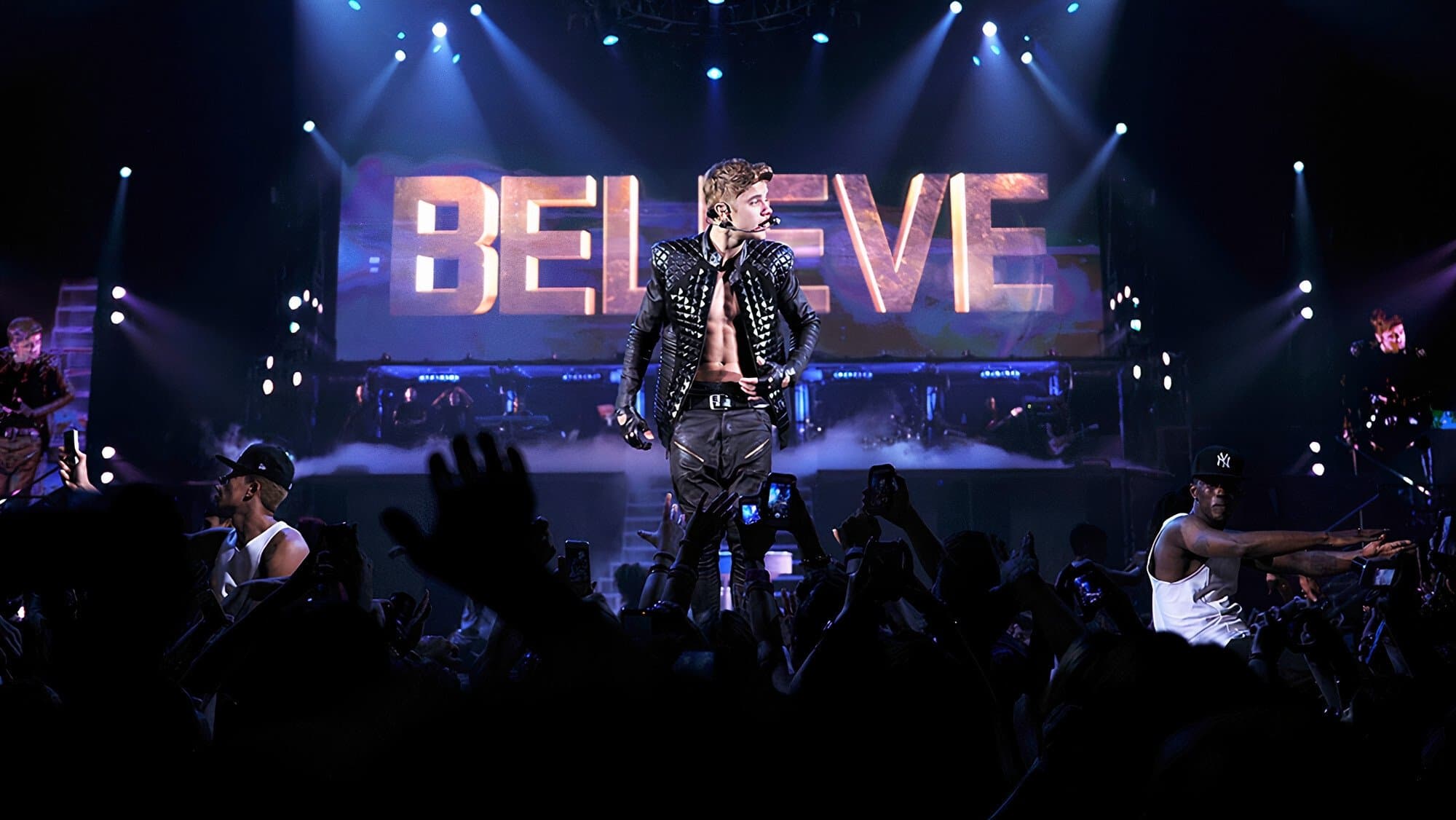
The $5 million budget covered concert footage from Bieber's 2012-2013 Believe World Tour, backstage documentary material, and the personal narrative segments that were intended to show a more mature Bieber responding to a difficult year of public scrutiny. The Christmas Day release strategy was designed to capitalize on school holidays and family theatrical attendance during the period with historically the highest per-theater box office averages of the year. The strategy failed dramatically, with the film opening to $1.8 million on its opening day and finishing with a domestic total of $6.2 million.
Key Budget Allocation Categories
- Concert Production from the 2012-2013 Believe World Tour: Bieber's Believe World Tour ran from September 2012 through October 2013, covering North America, Europe, Asia, and Australia across more than 150 shows. Concert footage was shot at multiple venues using multi-camera setups with production design consistent with high-end concert film presentation. The tour itself was one of the highest-grossing tours of 2012-2013, and the film was intended to capture its visual scale.
- Director Jon M. Chu: Chu, who directed Never Say Never (2011) and would go on to direct Crazy Rich Asians (2018) and Wicked (2024), was the natural choice for the Believe follow-up. His established relationship with Bieber and his experience shooting concert documentary material for a teenage fanbase made him the clear candidate. His fee for Believe would have reflected his increased profile following Never Say Never's commercial success.
- Personal Documentary Segments: The film attempts to address the public controversies surrounding Bieber in 2013 directly, including footage and interviews intended to show his personal growth and response to criticism. These segments required additional production time and access beyond the concert tour footage, as the filmmakers attempted to construct a narrative of redemption around events that were still ongoing at the time of filming.
- Open Road Films Distribution and Christmas Day Marketing: Open Road Films, the distribution company backed by AMC and Regal theater chains, handled theatrical distribution. The Christmas Day release required a compressed post-production timeline to deliver the film for the holiday window. The P&A investment in a Christmas Day release, where studio competition for the holiday audience is intense, added to the total cost.
- 3D Conversion and Exhibition Formats: Like Never Say Never, Believe was released in multiple formats including standard and 3D presentations. The 3D conversion added post-production cost. Concert films in 3D had been a reliable format for fan-driven theatrical events following the commercial success of Michael Jackson's This Is It (2009) and Never Say Never itself.
How Does Justin Bieber's Believe's Budget Compare to Similar Films?
Justin Bieber's Believe is most directly compared to Never Say Never and to other artist concert documentaries. Its commercial underperformance relative to its predecessor illustrates how quickly artist brand value can erode and how sensitive concert documentary theatrical performance is to the artist's public standing at the time of release.
- Justin Bieber: Never Say Never (2011): Budget ~$13M | Domestic $98.7M. Chu's prior Bieber documentary spent significantly more and earned more than 15 times Believe's domestic gross. Never Say Never benefited from Bieber at peak cultural ubiquity; Believe arrived when his public image had been severely damaged by a year of widely covered misconduct. The contrast is one of the most dramatic falls in concert documentary history.
- Katy Perry: Part of Me (2012): Budget ~$12M | Domestic $25.3M. Paramount's Katy Perry concert documentary, directed by Dan Cutforth and Jane Lipsitz, opened to a stronger domestic performance than Believe despite covering an artist at a period of personal difficulty (her divorce from Russell Brand). Perry's public image remained more stable than Bieber's, illustrating how artist reputation directly drives concert documentary performance.
- One Direction: This Is Us (2013): Budget ~$10M | Domestic $38.6M. Columbia Pictures' One Direction documentary, directed by Morgan Spurlock, opened the same year as Believe and found a domestic audience more than six times larger. The comparison illustrates that the teenage concert documentary market in 2013 was healthy, but that Bieber's specific controversies had damaged his theatrical draw in a way that did not affect other acts.
- This Is It (2009): Budget ~$20M | Worldwide $261.2M. Columbia Pictures' Michael Jackson concert documentary, assembled from footage of his planned O2 Arena residency rehearsals, remains the highest-grossing concert documentary in history. The comparison to Believe, which opens the question of what distinguishes an artist's concert film that transcends fandom, illustrates how the circumstances of release, cultural moment, and artist narrative all interact with theatrical performance.
Justin Bieber's Believe Box Office Performance
Justin Bieber's Believe opened Christmas Day, December 25, 2013, across 1,037 theaters in North America, one of the widest opening footprints for a concert documentary. The opening day gross of $1.8 million was immediately recognized as a significant disappointment, and the film finished its first weekend with $4.0 million across 4 days including Christmas. The domestic total finished at $6.2 million. International markets added $4.4 million for a worldwide total of $10.6 million.
Against a production budget of approximately $5 million and an estimated $3 million in prints and advertising for the North American theatrical release, the total investment was approximately $8 million. With theaters retaining roughly 50 percent of gross, Open Road's share of the worldwide theatrical gross was approximately $5.3 million, below the total investment. The film did not recover its costs in theatrical.
Box Office Breakdown
Justin Bieber's Believe

For every dollar invested in production, Believe returned approximately $2.12 at the worldwide box office. Accounting for P&A, the film returned approximately $0.66 for every dollar of total investment in theatrical. The Rotten Tomatoes score of 56%, compared to Never Say Never's 64%, and the IMDb rating of 2.9 out of 10, which reflects significant negative sentiment from non-fans who voted in response to Bieber's public controversies, combined to suppress theatrical audience turnout even among the core teenage fanbase the film was designed for.
Justin Bieber's Believe Production History
Open Road Films approached Jon M. Chu to return as director on the Believe follow-up based on the commercial success of Never Say Never, which had opened to $29.5 million in its first weekend and finished with $98.7 million domestic. The strategic logic was straightforward: Bieber remained one of the most commercially successful recording artists in the world, his Believe World Tour was breaking attendance records, and the Never Say Never formula had proven its theatrical viability.
Production began in 2012 during the early dates of the Believe World Tour, with Chu and his crew embedding with the tour across multiple continents. The concert footage captured Bieber performing the Believe album material at arena-scale productions with the full complement of staging, choreography, and visual effects that his tours employed. The production documented the scale and spectacle of a major-label artist at the peak of his commercial success.
The post-production period coincided with a cascade of Bieber controversies in 2013: accusations of spitting on a neighbor, a DUI arrest in Miami in January 2014, drug allegations, and a series of incidents in Brazil and Argentina during the tour. The film, which had been designed partly as a reputation rehabilitation document, was completed while the very controversies it attempted to address were still generating daily tabloid coverage. Open Road moved the release date to Christmas Day, a premium holiday slot, in a bet that the holiday audience would include sufficient Bieber fans to overcome the negative press environment.
The Christmas Day opening against significant competition from Anchorman 2, The Wolf of Wall Street, and American Hustle was immediately recognized as a strategic miscalculation. The opening weekend performance was reported widely as one of the worst Christmas Day openings for a wide-release film in years. The film was pulled from many theaters within two weeks of opening.
Awards and Recognition
Justin Bieber's Believe received no major award nominations. The Razzie Awards, which recognize the worst performances and productions of the year, nominated the film for Worst Picture at the 34th Golden Raspberry Awards in 2014. Bieber received a Razzie nomination for Worst Screen Combo for appearing alongside his own ego, and a Worst Actor nomination. The Razzie recognition reflected the degree to which the film had become associated with Bieber's public image collapse rather than evaluated on its own cinematic merits.
The film's commercial failure and critical reception effectively ended the concert documentary as a reliable theatrical format for pop stars at Bieber's specific moment of cultural saturation. Subsequent Bieber projects, including the YouTube Originals docuseries Justin Bieber: Seasons (2020), moved to streaming platforms rather than theatrical. The theatrical concert documentary format has continued for artists with stronger critical reputations or more invested fan communities, but the Believe failure became a cautionary example for studio decisions about concert film theatrical releases.
Critical Reception
Justin Bieber's Believe holds a 56% approval rating on Rotten Tomatoes, a significant drop from Never Say Never's 64%, with critics divided between those who found the concert footage technically competent and those who found the documentary framing transparent in its rehabilitation agenda. The film's IMDb rating of 2.9 out of 10 is heavily influenced by negative votes from users motivated by Bieber's public controversies rather than evaluation of the film itself, making it an unreliable critical metric. A 2.9 IMDb score for a competently produced concert documentary reflects organized negative voting rather than a consensus critical view.
Critics who addressed the film on its merits noted that the concert footage is well-shot and captures the scale of the Believe tour effectively, and that Chu's direction of the performance sequences is professional. The documentary segments, which attempt to show Bieber reflecting on his year of public difficulties, were criticized for feeling managed and unconvincing, as if the subjects were aware of the film's rehabilitation purpose and performing accordingly.
The broader consensus was that Believe arrived at precisely the wrong cultural moment for Bieber, when the public appetite for a sympathetic portrait of the star had been exhausted by a year of self-generated controversy. Jon M. Chu, whose subsequent career trajectory included the Academy Award-nominated Crazy Rich Asians (2018) and the massive commercial success of Wicked (2024), has rarely discussed the film. It stands as an example of how dramatically personal narrative can undermine a technically competent concert documentary.
Frequently Asked Questions
How much did Justin Bieber's Believe cost to make?
The production budget was approximately $5,000,000. Open Road Films financed the documentary, with director Jon M. Chu returning from Bieber's previous concert film Never Say Never (2011).
How much did Justin Bieber's Believe earn at the box office?
The film grossed $6,159,193 domestically and $1,000,000 internationally, for a worldwide total of approximately $7,200,000. It opened to a soft $1,995,000 on December 25, 2013, finishing 10th in a Christmas Day field.
Who directed Justin Bieber's Believe?
Jon M. Chu directed the film, returning from Justin Bieber: Never Say Never (2011). Chu later directed Crazy Rich Asians (2018, $30,000,000 budget, $238,500,000 worldwide), In the Heights (2021), and Wicked (2024).
How does Believe compare to Never Say Never at the box office?
Never Say Never (2011) grossed $99,300,000 worldwide on a $13,000,000 budget, becoming the highest-grossing concert documentary in history at the time. Believe's $7,200,000 worldwide gross represented a sharp decline, reflecting both saturation and the period of personal controversies Bieber was navigating.
Why did Believe underperform commercially?
Believe arrived during a difficult period for Justin Bieber, including widely publicized incidents involving graffiti vandalism in Brazil, a deposition controversy, and a urinating-in-a-bucket video. The reputational headwinds limited the casual moviegoer turnout that had driven Never Say Never to nine-figure results.
What did critics think of Justin Bieber's Believe?
Reviews were mixed-to-negative, with a 36% approval rating on Rotten Tomatoes and a 45 out of 100 score on Metacritic. Critics praised the concert footage but objected to a defensive promotional tone that they felt the documentary used to address Bieber's recent controversies.
Was Justin Bieber's Believe profitable?
Marginal. Against the $5,000,000 production budget and an estimated $10,000,000 to $15,000,000 in marketing spend, the worldwide gross of $7,200,000 produced a clear theatrical loss. Home video, premium video on demand, and streaming revenue narrowed the gap.
Where was Justin Bieber's Believe filmed?
Concert footage was sourced from Bieber's Believe Tour, which played over 150 dates across six continents from September 2012 to December 2013. Additional interview, rehearsal, and personal-life sequences were filmed in Los Angeles, Toronto, and Atlanta.
Did Believe lead to more Justin Bieber concert films?
A subsequent documentary Justin Bieber: Seasons appeared on YouTube Premium in 2020. Justin Bieber: Our World (2021) appeared on Amazon Prime Video. Neither received a theatrical release, reflecting the post-Believe shift in artist-documentary economics toward streaming.
Where can I watch Justin Bieber's Believe?
The film is available for digital purchase and rental on Amazon Prime Video, Apple TV, and Google Play. It has periodically appeared on subscription streaming services through Open Road's distribution partners, although it does not currently sit on a major SVOD platform.
Official Trailer
Build budgets like this one in Saturation
Start from an industry-standard feature film template, import the schedule and rates you already have, and let the cost report keep itself current as you spend. Real-time collaboration, no spreadsheets.