Hellhole Budget
 HorrorActionDramaThriller1h 36m
Updated
Synopsis
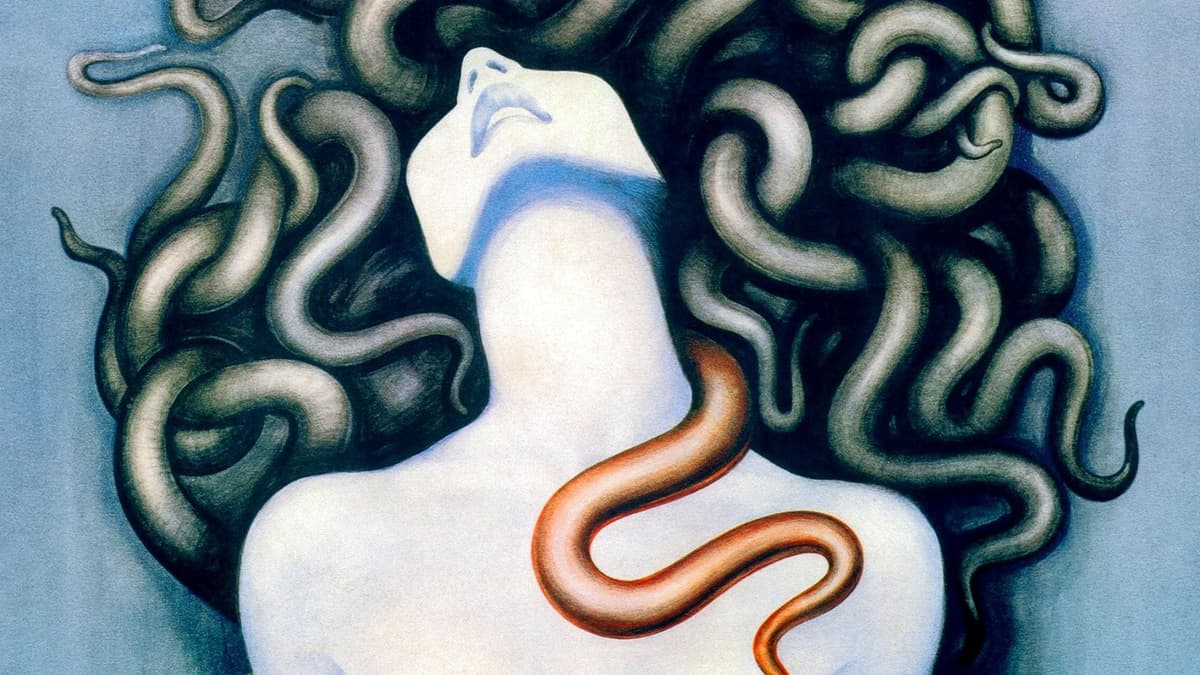
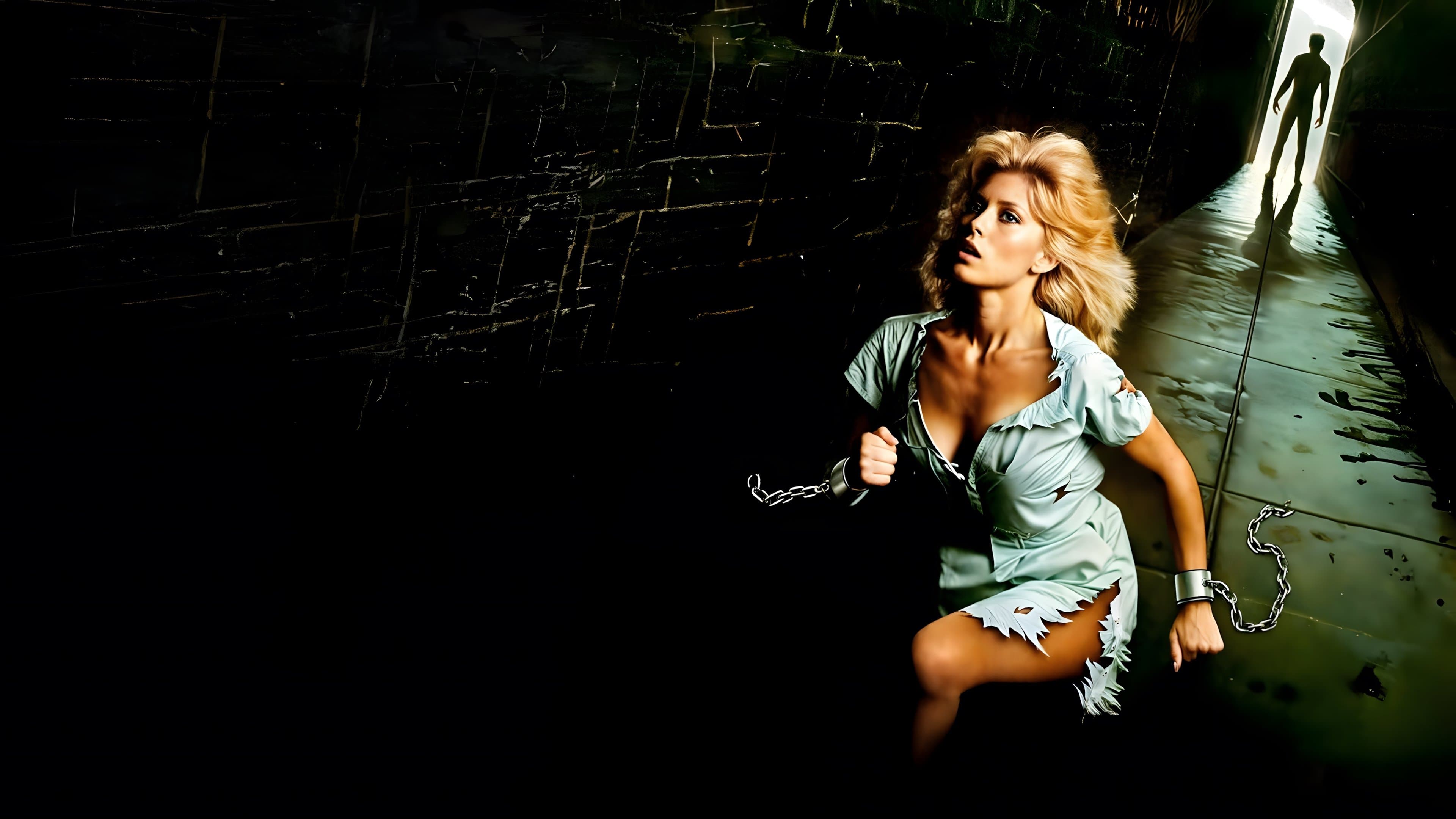
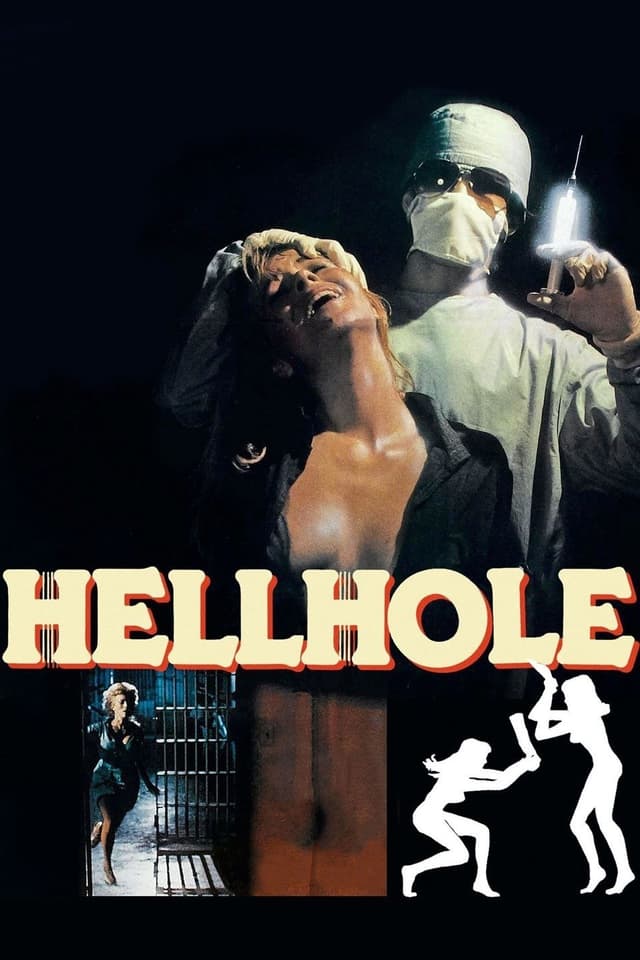
After witnessing her mother's murder, a young woman is committed to a corrupt psychiatric institution where a sadistic doctor is conducting illegal chemical lobotomies in a hidden basement ward known as Hellhole. Trapped among unstable patients and predatory orderlies, she must hide what she saw long enough to escape.
What Is the Budget of Hellhole (1985)?
The exact production budget of Hellhole has never been publicly disclosed. The picture was produced and distributed by Arkoff International Pictures, the late-career independent company of American International Pictures co-founder Samuel Z. Arkoff, working in the women-in-prison and women-in-asylum exploitation segment that was a staple of independent video-first releases in the mid-1980s. Industry estimates place comparable Arkoff International productions of the period in the $750,000 to $1,500,000 range.
Director Pierre De Moro, who had previously directed Savannah Smiles (1982), shot Hellhole in Los Angeles across approximately four weeks. The production relied on practical hospital and basement locations, a small recurring cast, and a single principal Steadicam-and-handheld rig to keep costs contained.
Key Budget Allocation Categories
- Cast Compensation: Ray Sharkey as Silk, Judy Landers as Susan, Marjoe Gortner as Dr. Fletcher, Mary Woronov as Dr. Dane, and a supporting ensemble of independent-film regulars.
- Production Design: The asylum interiors, the basement Hellhole ward, the chemical-bath therapy chamber, and the corridor mazes supervised on practical Los Angeles locations.
- Cinematography: Steven Posey's photography across institutional interiors with a small lighting package suited to handheld coverage.
- Wardrobe and Makeup: Patient nightgowns, orderly uniforms, sustained bruising and prosthetic continuity for the chemical-lobotomy victims.
- Music and Score: Jeff Sturges's electronic and synth-led score, common for early-1980s low-budget thrillers.
- Distribution and Video: Arkoff International's limited theatrical release and the subsequent VHS rollout, where the picture earned the bulk of its revenue.
How Does Hellhole's Budget Compare to Similar Films?
- The Concrete Jungle (1982): Budget approximately $1,000,000 | Worldwide undisclosed. A comparable women-in-prison exploitation picture from Pentamerican Pictures with a similar production model.
- Chained Heat (1983): Budget approximately $2,500,000 | Worldwide $5,500,000. A higher-budget Linda Blair women-in-prison release from Jensen Farley Pictures.
- Savage Streets (1984): Budget approximately $750,000 | Worldwide undisclosed. Another Linda Blair exploitation release from the same period at a comparable scale.
- Reform School Girls (1986): Budget approximately $2,000,000 | Worldwide $1,500,000. A follow-on women-in-detention picture from New World Pictures the next year.
Hellhole Box Office Performance
Hellhole received a limited regional theatrical release through Arkoff International in 1985. Domestic theatrical grosses were not separately reported, as was common for video-first exploitation releases of the period. The picture's primary commercial life was on VHS, where Arkoff International distributed it through Vestron Video and HBO Video.
Box Office Breakdown
Hellhole

The picture's VHS performance, as was common for the format, generated the majority of its commercial return. Arkoff International recouped via wholesale tape sales and pay-cable licensing rather than through ticket sales.
Hellhole found a sustained second life on late-night cable in the late 1980s and on Cinemax and other premium services, where its exploitation-tinged asylum premise drew a small but persistent audience. It has since become a regular reference point in cult-film coverage of mid-1980s women-in-peril cinema.
Hellhole Production History
Arkoff International, formed by Samuel Z. Arkoff after his exit from American International Pictures, produced Hellhole as part of a slate of low-budget genre pictures aimed at the burgeoning home video market. Pierre De Moro, working after the success of Savannah Smiles, came aboard in 1984.
Principal photography took place in Los Angeles over approximately four weeks in late 1984. The production used practical institutional locations, including a former hospital, to keep the budget contained. Ray Sharkey, Mary Woronov, Marjoe Gortner, and Judy Landers were all working actors with significant independent-film resumes who fit the picture's economy and tone.
The picture was completed in early 1985 and released through Arkoff International in regional theatrical and home video markets. Foreign sales were handled by various distributors on a territory-by-territory basis.
Awards and Recognition
Hellhole did not receive significant industry award recognition at the time of release. The picture has since been included in cult-film retrospectives and regular coverage of 1980s exploitation cinema, particularly in surveys of the women-in-asylum subgenre. It has been screened at midnight-movie festivals and included in independent-film label restoration discussions.
Critical Reception
Hellhole did not receive widespread mainstream critical coverage at release, as was typical for a video-first exploitation title. Genre publications including Fangoria and later online cult-film outlets including DVD Talk and Mondo Digital have written about the picture in retrospective coverage, with reviewers generally describing it as a competently made example of the women-in-asylum subgenre and singling out Mary Woronov's villainous performance as the picture's strongest element. Ray Sharkey's turn as the predatory Silk has also drawn sustained cult-film attention.
Frequently Asked Questions
What was the production budget of Hellhole (1985)?
The exact production budget of Hellhole has never been publicly disclosed. Industry estimates place comparable Arkoff International productions of the period in the $750,000 to $1,500,000 range.
How much did Hellhole gross at the box office?
Hellhole received only a limited regional theatrical release. Domestic theatrical grosses were not separately reported. The picture earned the bulk of its revenue from VHS distribution through Vestron Video and HBO Video.
Who directed Hellhole?
Pierre De Moro directed Hellhole. He had previously directed the family adventure Savannah Smiles in 1982.
Where was Hellhole filmed?
Hellhole was shot in Los Angeles across approximately four weeks in late 1984, using practical institutional locations including a former hospital.
Who plays the villain in Hellhole?
Mary Woronov plays Dr. Dane, the sadistic asylum doctor running illegal chemical lobotomy experiments. Ray Sharkey plays Silk, the predatory enforcer who pursues Susan throughout the picture.
What company produced Hellhole?
Arkoff International Pictures, the late-career independent company founded by American International Pictures co-founder Samuel Z. Arkoff, produced and distributed Hellhole.
How long is Hellhole?
Hellhole runs 95 minutes.
Did Hellhole receive a theatrical release?
Yes, but only on a limited regional basis through Arkoff International. The picture's primary commercial life was on home video and pay cable.
Is Hellhole considered a cult film?
Yes. Hellhole has been included in retrospective coverage of 1980s women-in-asylum exploitation cinema and is a recurring reference point in cult-film discussions of the period.
Who composed the score for Hellhole?
Jeff Sturges composed the synth-driven score, typical of early-1980s low-budget thrillers.
Filmmakers
Hellhole

Official Trailer
Build budgets like this one in Saturation
Start from an industry-standard feature film template, import the schedule and rates you already have, and let the cost report keep itself current as you spend. Real-time collaboration, no spreadsheets.