Possession Budget
 Horror2h 4m
Updated
Synopsis
"Possession" is a psychological horror film that delves into the complexities of love, obsession, and the supernatural. The story follows Mark, a man grappling with the disintegration of his marriage to Anna. As their relationship deteriorates, Anna becomes increasingly involved in a mysterious and unsettling affair that leads her down a dark path. Her behavior becomes erratic, and Mark's attempts to understand her transformation reveal a chilling connection to a malevolent force. The film masterfully intertwines themes of possession—both literal and metaphorical—exploring how love can morph into something terrifying. As Mark uncovers the truth behind Anna's disturbing changes, he must confront his own demons and the haunting question of what it truly means to possess someone. The film's unsettling atmosphere and psychological depth create a gripping narrative that lingers long after the credits roll.
What is the budget of Possession?
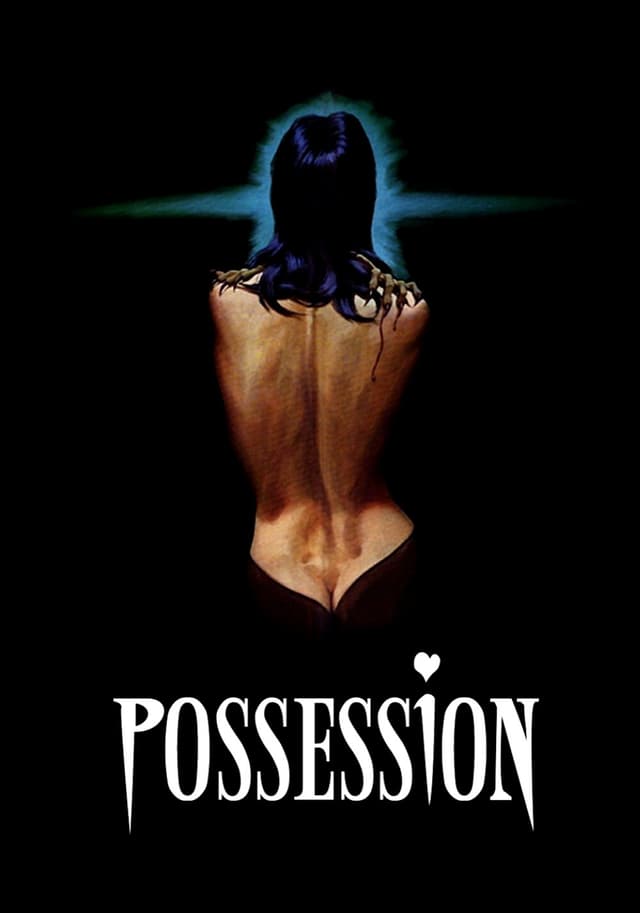
"Possession," a horror released in 1981, was directed by Andrzej Żuławski and stars Isabelle Adjani, Sam Neill. The production budget was $2,400,000, placing it in the micro-budget range for horror productions of the 1980s.
Key Budget Allocation Categories
While specific budget breakdowns are not publicly available, typical cost drivers for a horror production like this include:
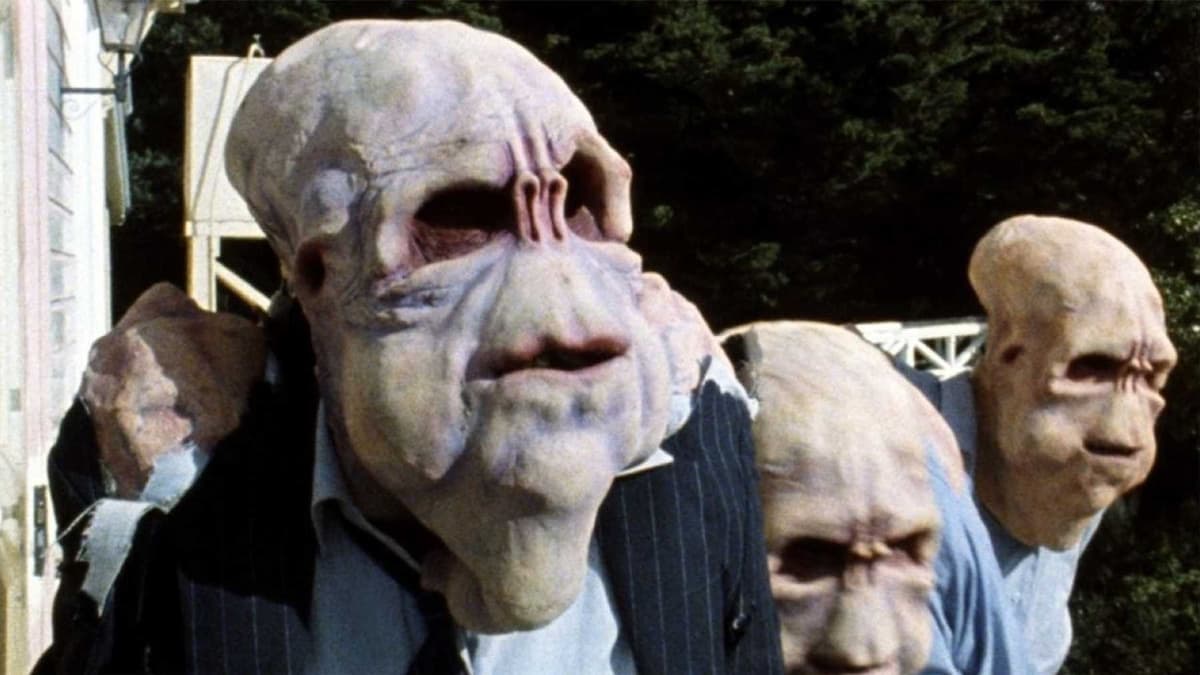
- Practical Effects, Prosthetics & Makeup: Horror productions invest disproportionately in practical effects , prosthetic applications, animatronics, blood and gore effects, and creature suits. A single hero creature suit can cost $50,000 to 200,000.
- Atmospheric Production Design & Cinematography: Creating dread through environment is essential. Abandoned locations must be secured and dressed, lighting rigs designed for shadow and tension, and sets built to enable specific camera movements and reveals.
- Sound Design & Score: Horror is arguably the most sound-dependent genre. Foley work, ambient textures, frequency manipulation, and jump-scare stingers require specialized sound designers working with unconventional techniques.
- Production: Żuławski approached Danièle Thompson and asked if she would work on a film.
What were the major cost factors in Possession?
Several factors contributed to the overall production costs of "Possession."
- Practical Effects: Practical Effects, Prosthetics & Makeup is one of the primary cost drivers in horror productions of this scale.
- Atmospheric Production Design: Atmospheric Production Design & Cinematography is one of the primary cost drivers in horror productions of this scale.
- Sound Design: Sound Design & Score is one of the primary cost drivers in horror productions of this scale.
How Does Possession's Budget Compare to Similar Films?
At $2,400,000, Possession sits in the micro-budget range. Here is how it compares to productions with a similar budget:
- Pinocchio (1940): Budget $2,600,000, Worldwide Gross $164,000,000
- Cinderella (1950): Budget $2,900,000, Worldwide Gross $263,600,000
- Ghost in the Shell (1995): Budget $3,000,000, Worldwide Gross $10,000,000
The median budget for wide-release horror films in the era ranges from $30 to 80M for mid-budget to $150M+ for tentpoles.
Possession Box Office Performance
"Possession" earned $1,158,473 domestically and $1,200,000 worldwide at the box office. Against a production budget of $2,400,000, the film faced challenges in theatrical release. Home video, streaming, and ancillary revenue may have contributed to its overall performance.
A film typically needs to earn approximately twice its production budget to cover marketing and distribution costs. For "Possession," that break-even threshold was roughly $4,800,000. With worldwide earnings of $1,200,000, the film did not reach break-even in theatrical release.
Box Office Breakdown
Possession

At -50%, "Possession" did not recoup its production budget through theatrical release alone.
Awards and Recognition
5 wins & 4 nominations total
Official Trailer
Build budgets like this one in Saturation
Start from an industry-standard feature film template, import the schedule and rates you already have, and let the cost report keep itself current as you spend. Real-time collaboration, no spreadsheets.