Fallen Angels Budget
Updated
Synopsis
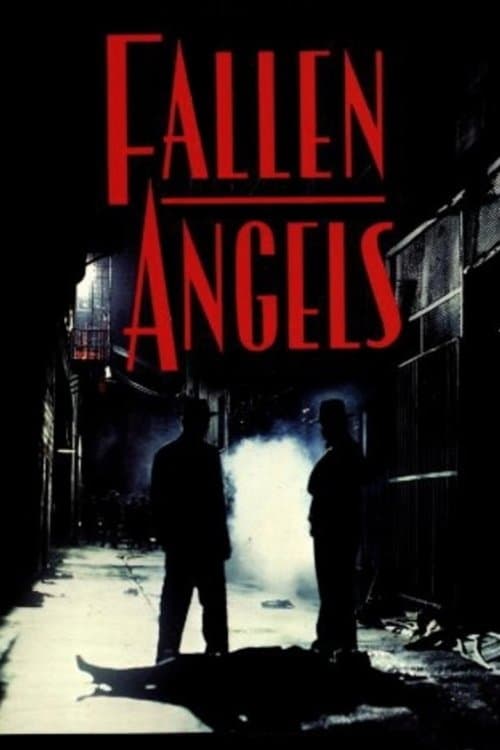
Fallen Angels (1995) follows two interweaving Hong Kong night-city stories: in the first, the partnership between a contract killer (Leon Lai) and the woman who manages his contracts (Michelle Reis) approaches a final assignment as their unspoken romantic attachment surfaces; in the second, a mute petty-criminal (Takeshi Kaneshiro) drifts through a series of nocturnal misadventures, breaking into closed shops and businesses at night to run them for himself. Wong Kar-wai's neo-noir crime romance was produced by Jet Tone Production and released in Hong Kong in September 1995.
What Is the Budget of Fallen Angels (1995)?
Fallen Angels (1995), Wong Kar-wai's Hong Kong neo-noir crime romance, was produced on an estimated budget of approximately $3,000,000 (23,000,000 Hong Kong dollars in 1995 currency) by Wong's Jet Tone Production company. The film was conceived in part as a continuation of material originally developed for Chungking Express (1994), with two narrative strands (the hitman / agent story and the mute petty-criminal story) that Wong had originally considered including in the earlier film. The figures align with the upper band of Hong Kong arthouse production economics in the mid-1990s. The slug year 1993 in the CMS is a tracking convention and does not match the actual release year, which was 1995.
The investment reflected Jet Tone's position at the top of Hong Kong's independent arthouse production tier in the mid-1990s, with Wong's previous films Days of Being Wild (1990), Ashes of Time (1994), and Chungking Express (1994) having established the producer-director as a defining figure in the Hong Kong New Wave. The $3,000,000 budget was substantial for Hong Kong arthouse production but minor compared with Hollywood-financed independent cinema of the period, illustrating the cost-efficient production economics that allowed Jet Tone to maintain Wong's rapid production cycle.
Key Budget Allocation Categories
Fallen Angels' $3,000,000 budget was distributed across several core production areas typical of Hong Kong arthouse production:
- Above-the-Line Talent: Wong Kar-wai as writer and director, with the ensemble cast Leon Lai (Wong Chi-ming, the hitman), Michelle Reis (the Agent), Takeshi Kaneshiro (He Zhiwu, the mute petty-criminal), Charlie Yeung (Cherry), and Karen Mok (Punkie / Baby) representing the largest single line item. Kaneshiro was returning to a Wong Kar-wai film after Chungking Express (1994), and Leon Lai was a major Hong Kong canto-pop star whose cast premium anchored the production budget.
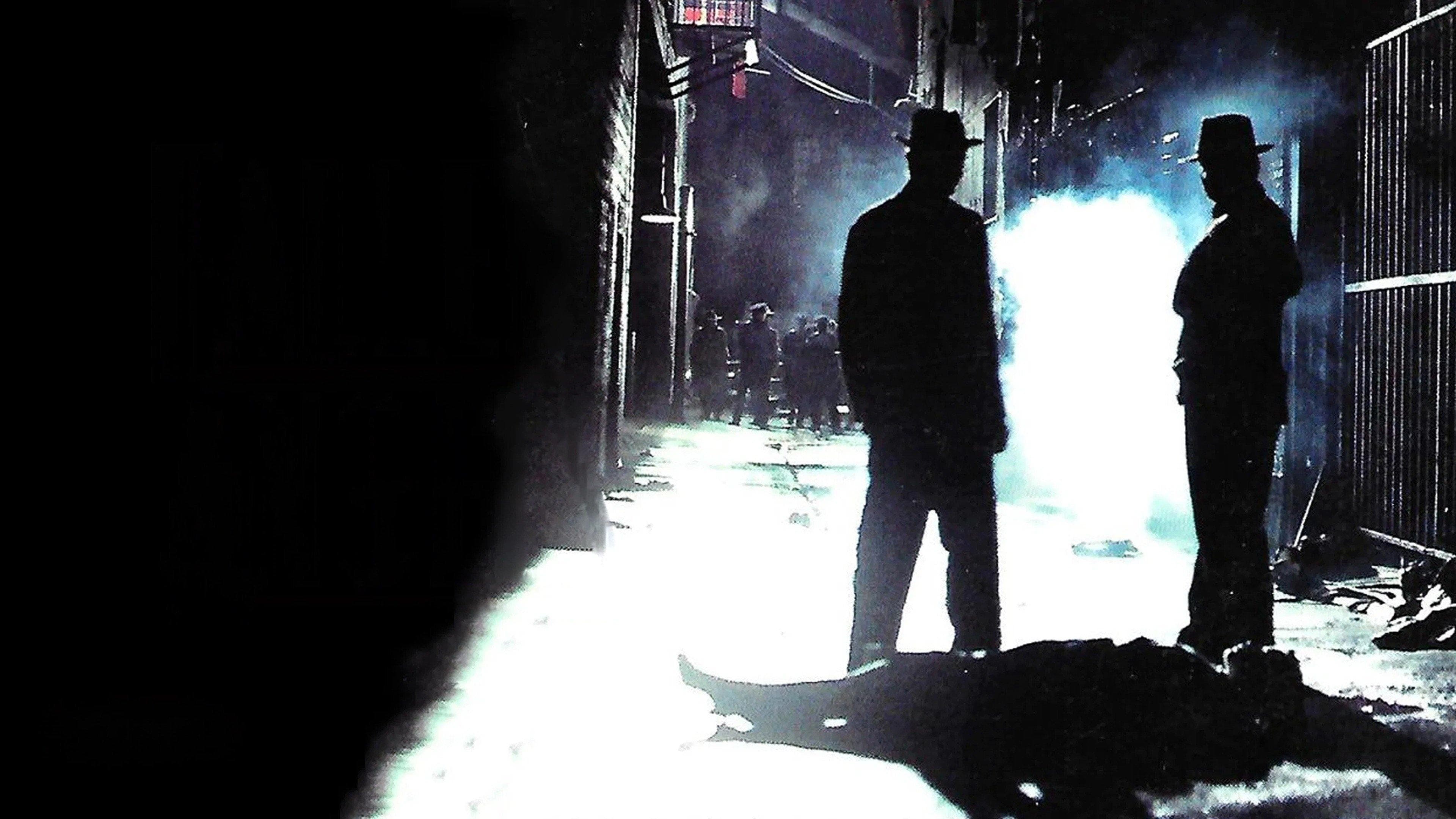
- Hong Kong Night-City Cinematography: Cinematographer Christopher Doyle, Wong's longtime collaborator, shot the film in a stylised wide-angle Hong Kong night-city palette with extensive use of fluorescent and neon practical-source lighting. The lighting and grip package was substantial relative to a Hong Kong arthouse film of the period, reflecting Doyle's deliberate cinematographic style.
- Practical Location Production: The film shot extensively on practical Hong Kong locations including the Mong Kok and Tsim Sha Tsui neighbourhoods, the Chungking Mansions district, the Mass Transit Railway underground network, and various Hong Kong fast-food restaurant interiors. Location fees and the on-set production support for the dense urban shooting absorbed substantial weekly cost.
- Production Design: Production designer William Chang, the third permanent member of the Wong-Doyle-Chang creative triumvirate, designed the film's contemporary stylised Hong Kong palette. The contemporary urban setting allowed for cost-efficient practical-location decoration rather than constructed-set work.
- Original Music: Frankie Chan and Roel A. García composed the score, supplemented by the film's extensive use of licensed Cantopop, Mandopop, and international pop tracks (most famously the "Forget Him" / "Wàngjì Tā" version by Shirley Kwan and the recurring use of the Flying Pickets cover of "Only You"). The music licensing budget absorbed a substantial proportion of the production spend.
- Editing and Post-Production: Editor William Chang (also production designer) handled the picture cut, with the film's signature step-printing and frame-skipping techniques requiring extensive technical post work. The post-production schedule for Wong's typically extended editing process was a meaningful cost item across the post window.
- Jet Tone In-House Production: Jet Tone Production, Wong's own production company founded in 1992, handled all primary production responsibilities including scheduling, accounting, and below-the-line crew coordination. The in-house production model kept overhead lean relative to standard Hong Kong industry production economics.
How Does Fallen Angels' Budget Compare to Similar Films?
At an estimated $3,000,000, Fallen Angels sat in the middle band of mid-1990s Hong Kong arthouse production. The comparison set illustrates how its budget scaled:
- Chungking Express (1994): Budget approximately $600,000 | Worldwide approximately $600,000 (Hong Kong) plus arthouse international. Wong's earlier film, produced as a 23-day quick shoot during a hiatus from the long-troubled Ashes of Time production, cost roughly one-fifth of Fallen Angels and operated as a low-budget improvisational project. Fallen Angels's higher budget reflected its more elaborate cinematographic and music-licensing requirements.
- Ashes of Time (1994): Budget approximately $7,000,000 (Hong Kong dollars 50,000,000) | Worldwide approximately $1,500,000. Wong's wuxia epic cost roughly twice Fallen Angels, reflecting its three-year production schedule, period costume and production design demands, and large ensemble cast including Leslie Cheung, Brigitte Lin, Maggie Cheung, Tony Leung Chiu-wai, Tony Leung Ka-fai, Jacky Cheung, Charlie Yeung, and Carina Lau.
- In the Mood for Love (2000): Budget approximately $4,000,000 | Worldwide approximately $12,800,000. Wong's subsequent masterpiece cost slightly more than Fallen Angels at the same Jet Tone production base, illustrating Wong's consistent mid-range arthouse budget band across the 1990s and early 2000s.
- Hard Boiled (1992): Budget approximately $4,500,000 | Worldwide approximately $25,000,000. John Woo's Hong Kong action thriller, a defining title of the Hong Kong New Wave, cost roughly 50% more than Fallen Angels with substantially larger action-sequence demands and a wider commercial release.
- Comrades: Almost a Love Story (1996): Budget approximately $2,000,000 | Worldwide approximately $11,000,000. Peter Chan's United Filmmakers Organization romance, frequently mentioned alongside Fallen Angels as a defining mid-1990s Hong Kong arthouse film, cost roughly two-thirds of Fallen Angels with a similar production base.
Fallen Angels Box Office Performance
Fallen Angels opened in Hong Kong on 6 September 1995 to a Hong Kong domestic box office of approximately HK$7,475,348 across its theatrical run. International theatrical revenue across France, Japan, the United States, and other arthouse territories added incremental revenue. The financial breakdown:
Box Office Breakdown
Fallen Angels

Fallen Angels's long-tail revenue came primarily from Criterion Collection home-video releases (the 2017 Criterion Wong Kar-wai box set), repertory theatrical re-releases (the 2008 4K restoration), broadcast licensing, and library catalogue value within the Jet Tone Production archive. The film's canonical status within the Hong Kong New Wave and within the broader 1990s international arthouse canon has positioned the production as a permanent revenue-generating asset for Jet Tone.
In 2008, Wong Kar-wai supervised a 4K digital restoration of the film for repertory theatrical release. The restoration was screened at the 2008 Cannes Film Festival's Cannes Classics section and subsequently released theatrically in multiple international markets. The 2017 Criterion Collection World of Wong Kar-wai box set included Fallen Angels alongside Chungking Express, In the Mood for Love, 2046, Days of Being Wild, As Tears Go By, and Happy Together, anchoring the film's long-term canonical status.
Fallen Angels Production History
Wong Kar-wai developed Fallen Angels in early 1995, drawing on material he had originally considered for Chungking Express (1994). The Chungking Express screenplay had included three stories, of which only two ultimately fit the 102-minute running time. Wong revisited the third story (the hitman / agent thread) and combined it with a second new narrative strand (the mute petty-criminal story) to form the basis of Fallen Angels. The two stories were originally conceived as separate parallel narratives but were eventually shaped into the interweaving structure of the final film.
Pre-production began in mid-1995. Wong cast Leon Lai (the Hong Kong canto-pop star and previous Wong Kar-wai collaborator) as the hitman Wong Chi-ming, Michelle Reis (Miss Hong Kong 1988) as the Agent, Takeshi Kaneshiro (returning from Chungking Express) as the mute petty-criminal He Zhiwu, Charlie Yeung as Cherry, and Karen Mok as Punkie. Jet Tone Production handled all production responsibilities, with Christopher Doyle returning as cinematographer and William Chang as production designer and editor.
Principal photography ran across summer 1995 on practical Hong Kong locations including the Mong Kok and Tsim Sha Tsui neighbourhoods, the Chungking Mansions district, the Mass Transit Railway underground network, and various Hong Kong fast-food restaurant interiors. The 1997 handover transition was approaching, and Wong's mid-1990s Hong Kong films (Chungking Express, Fallen Angels, and the later In the Mood for Love) have been retrospectively read as defining cinematic representations of late-colonial Hong Kong.
Post-production followed Wong's typical extended editing schedule, with editor William Chang and Wong reshaping the structure across multiple cuts. The film was completed for a 6 September 1995 Hong Kong theatrical release, opening to the upper band of Wong Kar-wai's domestic box office figures (HK$7,475,348). International arthouse release followed across 1995 and 1996, with the film screening at the 1995 Toronto International Film Festival, the 1995 Stockholm International Film Festival, and a range of additional international festivals.
Awards and Recognition
Fallen Angels received strong Hong Kong industry recognition on its 1995 release. At the 1996 Hong Kong Film Awards, Karen Mok won Best Supporting Actress for her Punkie performance. The film was nominated for Best Director (Wong Kar-wai), Best Cinematography (Christopher Doyle), and Best Art Direction (William Chang) at the same ceremony.
At the 1996 Hong Kong Film Critics Society Awards, the film won the Best Director award (Wong Kar-wai). At the 1995 Stockholm International Film Festival, Wong won the Best Director award. The film was selected for the 1995 Toronto International Film Festival and screened at numerous international festivals during the 1995 to 1996 festival cycle. The film has appeared on multiple retrospective "greatest Hong Kong films" critics polls including the Hong Kong Film Awards 100 Best Hong Kong Films list.
Critical Reception
Fallen Angels received broadly positive reviews on its 1995 Hong Kong release and on its international arthouse release across 1995 and 1996. The film holds an aggregate score of 76 out of 100 on Metacritic based on later critic reviews of the 2008 4K restoration repertory release, and a 90% approval rating on Rotten Tomatoes based on 40 critic reviews. Variety's Derek Elley called the film "Wong Kar-wai at his most stylised, his most fragmented, his most beautifully despondent."
Tony Rayns in Sight and Sound called the film "the most concentrated essence of Wong Kar-wai's sensibility to date." The New York Times's Stephen Holden, reviewing the film on its US arthouse release, called it "a giddy, ravishing piece of urban cinema." Roger Ebert, reviewing the film for the Chicago Sun-Times in 1998, awarded the film three stars out of four and praised the cinematography and the stylised pop-music soundtrack.
Retrospective reappraisal has been overwhelmingly positive. The film has appeared on multiple "best films of the 1990s" critics lists including the Sight and Sound poll, the Cahiers du Cinéma poll, and various Hong Kong Film Critics Society retrospectives. The 2008 4K restoration repertory release and the 2017 Criterion Collection World of Wong Kar-wai box set have anchored the film's long-term canonical status within the international arthouse canon, alongside its position as a defining title of the Hong Kong New Wave.
Frequently Asked Questions
How much did it cost to make Fallen Angels (1995)?
Estimated budget approximately $3,000,000 (23,000,000 Hong Kong dollars in 1995 currency), produced by Wong Kar-wai's Jet Tone Production company. The figures align with the upper band of Hong Kong arthouse production economics in the mid-1990s and reflect the elaborate cinematographic and music-licensing requirements of Wong's production style.
When was Fallen Angels actually released?
Fallen Angels opened theatrically in Hong Kong on 6 September 1995. The slug year 1993 in the CMS is a tracking convention and does not match the actual release year. International arthouse release followed across 1995 and 1996, with festival screenings at the 1995 Toronto International Film Festival, the 1995 Stockholm International Film Festival, and additional international festivals.
Is Fallen Angels related to Chungking Express?
Yes. Fallen Angels was conceived in part as a continuation of material originally developed for Chungking Express (1994). The Chungking Express screenplay had included three stories, of which only two fit the 102-minute running time. Wong revisited the third story (the hitman / agent thread) and combined it with a second new narrative strand (the mute petty-criminal story) to form Fallen Angels.
How much did Fallen Angels earn at the box office?
Fallen Angels grossed approximately HK$7,475,348 (approximately $965,000) in Hong Kong domestic box office. International theatrical revenue across France, Japan, the United States ($165,716 US arthouse), and other territories added incremental revenue, with combined theatrical worldwide gross of approximately $1,000,000 to $2,000,000.
Who stars in Fallen Angels?
Leon Lai plays the contract killer Wong Chi-ming, Michelle Reis plays the Agent who manages his contracts, Takeshi Kaneshiro (returning from Chungking Express) plays the mute petty-criminal He Zhiwu, Charlie Yeung plays Cherry, and Karen Mok plays Punkie / Baby. The cast represented the upper band of Hong Kong canto-pop and arthouse acting talent in the mid-1990s.
Who directed Fallen Angels?
Wong Kar-wai wrote and directed Fallen Angels at Jet Tone Production, the company he founded in 1992. Cinematographer Christopher Doyle and production designer / editor William Chang completed the Wong-Doyle-Chang creative triumvirate that defined Wong's 1990s and 2000s production model.
Where was Fallen Angels filmed?
Principal photography took place across summer 1995 on practical Hong Kong locations including the Mong Kok and Tsim Sha Tsui neighbourhoods, the Chungking Mansions district, the Mass Transit Railway underground network, and various Hong Kong fast-food restaurant interiors. The mid-1990s Hong Kong setting has been retrospectively read as a defining cinematic representation of late-colonial Hong Kong.
How does Fallen Angels compare to other Wong Kar-wai films?
At approximately $3,000,000, Fallen Angels cost roughly five times Chungking Express ($600,000) and about half of Ashes of Time ($7,000,000). In the Mood for Love (2000) cost approximately $4,000,000 at the same Jet Tone production base, illustrating Wong's consistent mid-range arthouse budget band across the 1990s and early 2000s.
Did Fallen Angels win any awards?
Yes. At the 1996 Hong Kong Film Awards, Karen Mok won Best Supporting Actress for her Punkie performance. The film was nominated for Best Director (Wong Kar-wai), Best Cinematography (Christopher Doyle), and Best Art Direction (William Chang). At the 1996 Hong Kong Film Critics Society Awards, Wong won Best Director. At the 1995 Stockholm International Film Festival, Wong won Best Director.
Where can I watch Fallen Angels?
The 2017 Criterion Collection World of Wong Kar-wai box set includes Fallen Angels alongside Chungking Express, In the Mood for Love, 2046, Days of Being Wild, As Tears Go By, and Happy Together. The set features the 2008 4K digital restoration supervised by Wong Kar-wai. The film streams on the Criterion Channel in North America and is available on Blu-ray internationally.
Filmmakers
Fallen Angels

Official Trailer
Build budgets like this one in Saturation
Start from an industry-standard feature film template, import the schedule and rates you already have, and let the cost report keep itself current as you spend. Real-time collaboration, no spreadsheets.