Batman Budget
 FantasyActionCrime126 minutes
Updated
Synopsis
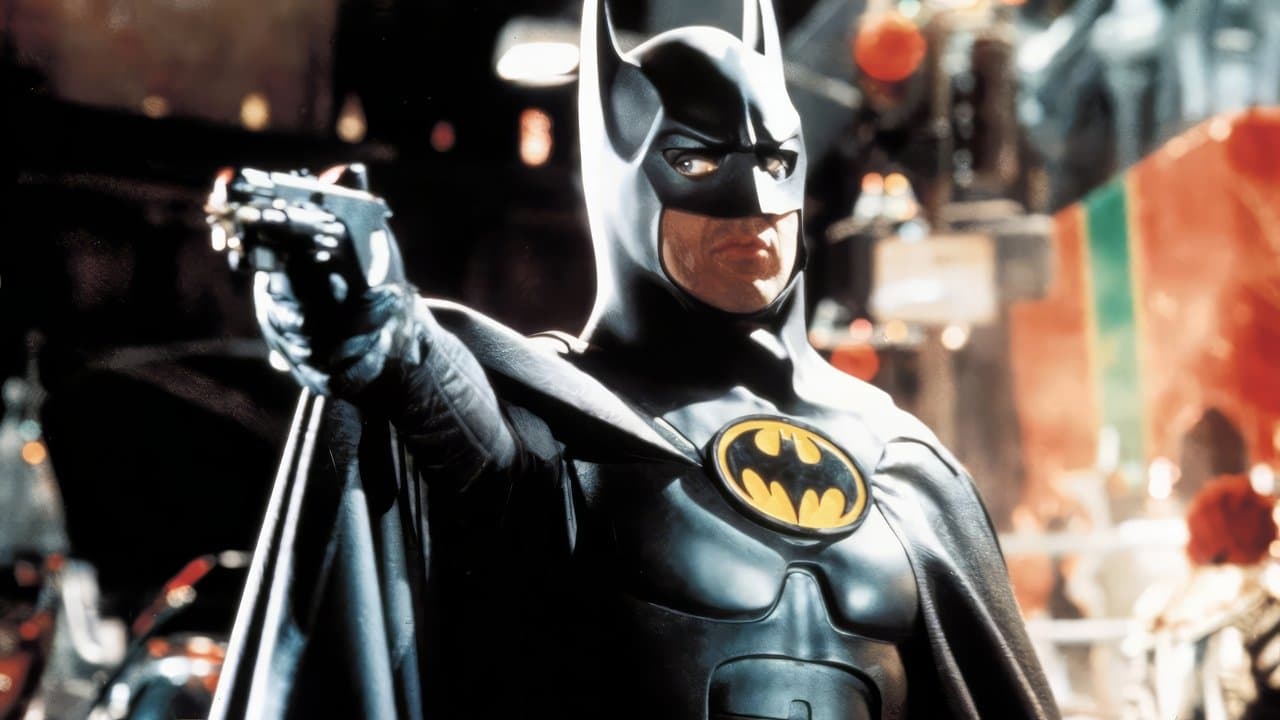
Gotham City. Crime boss Carl Grissom (Jack Palance) effectively runs the town but there's a new crime fighter in town - Batman (Michael Keaton). Grissom's right-hand man is Jack Napier (Jack Nicholson), a brutal man who is not entirely sane... After falling out between the two Grissom has Napier set up with the Police and Napier falls to his apparent death in a vat of chemicals. However, he soon reappears as The Joker and starts a reign of terror in Gotham City. Meanwhile, reporter Vicki Vale (Kim Basinger) is in the city to do an article on Batman. She soon starts a relationship with Batman's everyday persona, billionaire Bruce Wayne.
What Is the Budget of Batman (1989)?
Tim Burton's Batman was produced by Warner Bros. on a budget of $35 million, making it one of the most expensive films of 1989 at the time of production. That figure funded a sprawling production centered at Pinewood Studios in England, where production designer Anton Furst constructed an enormous Gotham City on 18 sound stages, a scale of physical set-building that was unusual even by blockbuster standards of the era. The film had been in various stages of development at Warner Bros. since 1979, passing through multiple directors and writers before Burton was hired and Michael Keaton cast, both decisions that generated significant public controversy before the film's release.
Producers Jon Peters and Peter Guber oversaw the project alongside Warner Bros., and the studio committed heavily to marketing, releasing the film on June 23, 1989, with the first midnight showings in Warner Bros.' history and record-breaking advance ticket sales. The $35 million production budget does not include what was estimated at $30 million in print and advertising costs, for a total studio investment of approximately $65 million.
Key Budget Allocation Categories
- Physical Production at Pinewood Studios: Anton Furst, who won the Academy Award for Best Art Direction for his work here, designed and built Gotham City sets across 18 sound stages at Pinewood in England. The massive rooftop plazas, cathedral interiors, and streetscapes were purpose-built practical sets, not digital augmentation. This set construction was one of the most costly elements of the production, and Furst's work set the visual template for the superhero genre for years afterward.
- Above-the-Line Talent: Jack Nicholson negotiated one of the most lucrative actor deals in Hollywood history for his role as the Joker, which was reported at the time to include a base salary, a percentage of box office receipts, and a share of merchandising tied to the character. Michael Keaton and Kim Basinger were paid standard leading-actor fees for the period. Director Tim Burton's deal, following the success of Beetlejuice (1988), also reflected his rising market value.
- Composer Danny Elfman's Score: Danny Elfman composed the orchestral Batman theme and full score, which became one of the most iconic superhero film scores ever written and established Elfman as the definitive composer for dark, fantastical Hollywood films. Prince was separately commissioned to produce a companion album, Warner Bros. Records released both, and the tie-in was a major marketing vehicle that extended the film's promotional footprint across MTV and radio.
- Cinematography and Practical Effects: Director of photography Roger Pratt shot the film in a deliberately dark, low-contrast style that matched Furst's production design. The Batmobile, Batplane, and villain equipment were all practical builds with hydraulic and mechanical elements. There was no digital compositing; all effects work was photochemical, requiring extensive miniature and optical work from the in-house effects team.
- Marketing, Merchandise, and the Bat Logo: The Bat symbol licensing campaign was unprecedented in its scale. Weeks before release, the iconic bat logo appeared on posters, t-shirts, and in trailers without any text, generating enormous press attention. Merchandise licensing deals with Toy Biz, Kenner, and dozens of other partners were negotiated before principal photography ended. The marketing budget of an estimated $30 million was spent on a wide print and television campaign timed to the June summer opening.
How Does Batman (1989)'s Budget Compare to Similar Films?
Batman (1989) established a new commercial and aesthetic benchmark for the superhero genre, and its financial performance can be measured against the biggest blockbusters of its era as well as later superhero entries that built on its template.
- Indiana Jones and the Last Crusade (1989): Budget $55M | Worldwide $474.2M | Released the same summer, the third Indiana Jones film cost $20 million more than Batman but grossed more domestically. The two films defined the 1989 summer season and demonstrated that audiences had appetite for two major event films in the same window.
- Superman (1978): Budget $55M | Worldwide $300M | The benchmark superhero origin film of the previous decade cost significantly more than Batman but earned less in worldwide terms. Batman's leaner budget and stronger global performance validated the production efficiency of Burton's UK-based approach.
- Batman Returns (1992): Budget $80M | Worldwide $267.6M | Tim Burton's sequel cost more than twice the original's budget, reflecting rising talent fees for Keaton, Michelle Pfeiffer, and Danny DeVito, as well as the expanded ambition of the production. It earned less at the global box office, illustrating the diminishing-returns dynamic of the Burton Batman franchise.
- Batman Begins (2005): Budget $150M | Worldwide $374.2M | Christopher Nolan's reboot cost more than four times the 1989 original, reflecting 16 years of blockbuster budget inflation and Nolan's larger-scale visual approach. Batman (1989)'s $35M investment and $411M worldwide gross remains one of the most efficient returns in superhero film history on a per-dollar basis.
Batman (1989) Box Office Performance
Batman opened on June 23, 1989, distributed by Warner Bros., and set a record at the time for opening weekend gross with $40.5 million in domestic earnings. It went on to earn $251,188,924 domestically and $411,339,952 worldwide, becoming the highest-grossing film of 1989 globally and one of the defining commercial events of the decade. The film benefited from its midnight-opening format, saturation marketing, the Prince tie-in album, and what was then an unheard-of level of licensed merchandising.
With a production budget of $35 million and estimated P&A costs of $30 million, Warner Bros.' total investment was approximately $65 million. Theaters retain roughly 50% of gross ticket receipts, giving the studio an estimated share of $205.8 million of the $411.3 million worldwide gross. After recouping the $65 million total investment, Batman generated an estimated $140 million in theatrical profit for Warner Bros., before accounting for home video, television licensing, and the enormously lucrative merchandise program.
Box Office Breakdown
Batman

Batman earned roughly $11.75 for every $1 invested in production, an extraordinary return that reflects both the film's commercial timing and the scale of ancillary revenue from merchandise, home video, and international rights. When merchandise licensing alone reportedly generated hundreds of millions in retail sales globally, the theatrical P&L understates the franchise's actual contribution to Warner Bros.' bottom line in 1989 and 1990.
Batman (1989) Production History
The origins of the Batman film project date to 1979, when producer Benjamin Melniker and Michael Uslan acquired the film rights to the character from DC Comics. The project moved to Warner Bros. under Jon Peters and Peter Guber, where it languished through multiple writers and directors over the next decade. Directors including Ivan Reitman and Joe Dante were considered. The script went through drafts from Tom Mankiewicz, Sam Hamm, and Warren Skaaren before Burton was hired following the success of Beetlejuice in 1988.
The casting of Michael Keaton as Bruce Wayne generated immediate backlash from comics readers, who associated Keaton primarily with comedic roles in Beetlejuice and Mr. Mom. Warner Bros. reportedly received 50,000 letters of protest. The studio backed Burton's choice, and Keaton's brooding, internalized performance became one of the most praised aspects of the finished film. Jack Nicholson's casting as the Joker was universally welcomed, and he negotiated a deal that reportedly earned him more than any actor had ever been paid for a single film up to that point, once box office and merchandise percentages were included.
Principal photography took place at Pinewood Studios outside London in 1988. Anton Furst built Gotham City as a vertical nightmare of Gothic architecture pressed against art deco industry: elevated roadways, cathedral spires over industrial yards, and civic spaces scaled for oppression rather than comfort. The massive Axis Chemicals set, the Batcave, and the Gotham Cathedral finale were all physically constructed. Filming ran over schedule, with the production working under significant pressure from Warner Bros. to meet its summer 1989 release date.
The film opened to enormous commercial success and a divided critical reception, with some reviewers finding Burton's vision too dark and Nicholson's performance too broad, while others celebrated the film's reinvention of the character from the campy television version. Anton Furst won the Academy Award for Best Art Direction at the 1990 Oscar ceremony. The film established Warner Bros.' DC franchise, launched one of the most successful merchandise licensing programs in entertainment history, and directly created the template for the modern superhero blockbuster.
Awards and Recognition
Batman won the Academy Award for Best Art Direction at the 62nd Academy Awards in 1990, recognizing Anton Furst and Peter Young's work on Gotham City. The film also won the Saturn Award for Best Fantasy Film and the BAFTA Award nomination for Production Design. Danny Elfman's score was nominated for the Grammy Award for Best Instrumental Composition Written for a Motion Picture. Commercially, the film was named the top-grossing film of 1989 globally and is consistently cited in retrospective lists of the most influential blockbusters ever made.
Critical Reception
Batman holds a 71% approval rating on Rotten Tomatoes and a 68 out of 100 on Metacritic, with an IMDb user rating of 7.5 out of 10. Original critical reception was mixed but leaned positive. Janet Maslin of The New York Times called it "a triumph of design" and praised Nicholson's performance as "perfectly suited to the lurid comic-book world of the film." Roger Ebert gave the film three stars and noted that "the movie is not really an experience I especially want to have again, but I can certainly recommend it." Pauline Kael in The New Yorker was more skeptical, finding the film "too noisy and too dark, and not nearly fun enough." In retrospect, the film's critical standing has risen considerably, with many writers now crediting it as the turning point that made the superhero genre a viable cinematic form for adult audiences.
Frequently Asked Questions
How much did Batman (1989) cost to make?
The production budget was $35,000,000, an enormous figure for a superhero film at the time. Warner Bros. financed the film with significant contributions from PolyGram Pictures and The Guber-Peters Company.
How much did Batman (1989) earn at the box office?
Batman grossed $251,348,343 domestically and $160,160,000 internationally, for a worldwide total of $411,500,000. It was the highest-grossing film of 1989 and the fifth-highest-grossing film in history at the time of its release.
Who directed Batman (1989)?
Tim Burton directed the film, his third feature after Pee-wee's Big Adventure (1985) and Beetlejuice (1988). Burton was a controversial choice given his limited commercial track record, but Warner Bros. trusted producer Jon Peters' judgment.
Was the casting of Michael Keaton controversial?
Yes. Warner Bros. received more than 50,000 letters of protest at the casting of Michael Keaton, then known primarily for comedies including Mr. Mom (1983) and Beetlejuice. The studio briefly considered replacing him with Mel Gibson or William Petersen before sticking with Keaton.
How much did Jack Nicholson make for Batman?
Jack Nicholson reportedly earned $6,000,000 in base salary plus a percentage of merchandise revenue and box-office gross, which industry estimates place between $60,000,000 and $90,000,000 in total compensation. The deal remains one of the most lucrative actor packages in studio history.
Where was Batman (1989) filmed?
Principal photography took place at Pinewood Studios outside London, where production designer Anton Furst built an enormous Gotham City set across the studio's lot. The construction consumed nearly the entirety of Pinewood's production capacity during the shoot.
Did Batman (1989) win any Oscars?
The film won the Academy Award for Best Art Direction for Anton Furst and Peter Young. It was Burton's first Oscar-winning production. Furst died by suicide two years later, before completing his next collaboration with Burton.
How did Batman (1989) change the merchandise business?
Warner Bros. licensed more than 160 merchandise lines for the film, generating an estimated $750,000,000 in retail sales. The marketing model became the template for every subsequent superhero blockbuster and dramatically expanded the licensing potential of major studio releases.
What did critics think of Batman (1989)?
Reviews were mixed-to-positive, with a 78% approval rating on Rotten Tomatoes and a 69 out of 100 score on Metacritic. Critics praised the production design and Jack Nicholson's performance, with some objecting to a thin narrative and weighty atmosphere.
How does Batman (1989) compare to other Batman films?
Batman's $411,500,000 worldwide gross outperformed direct sequel Batman Returns (1992, $80,000,000 budget, $266,800,000 worldwide) and Batman Forever (1995, $100,000,000 budget, $336,500,000 worldwide). The original remained the franchise high-water mark until Christopher Nolan's The Dark Knight (2008, $185,000,000 budget, $1,005,000,000 worldwide).
Official Trailer
Build budgets like this one in Saturation
Start from an industry-standard feature film template, import the schedule and rates you already have, and let the cost report keep itself current as you spend. Real-time collaboration, no spreadsheets.