Time of the Gypsies Budget
Updated
Synopsis
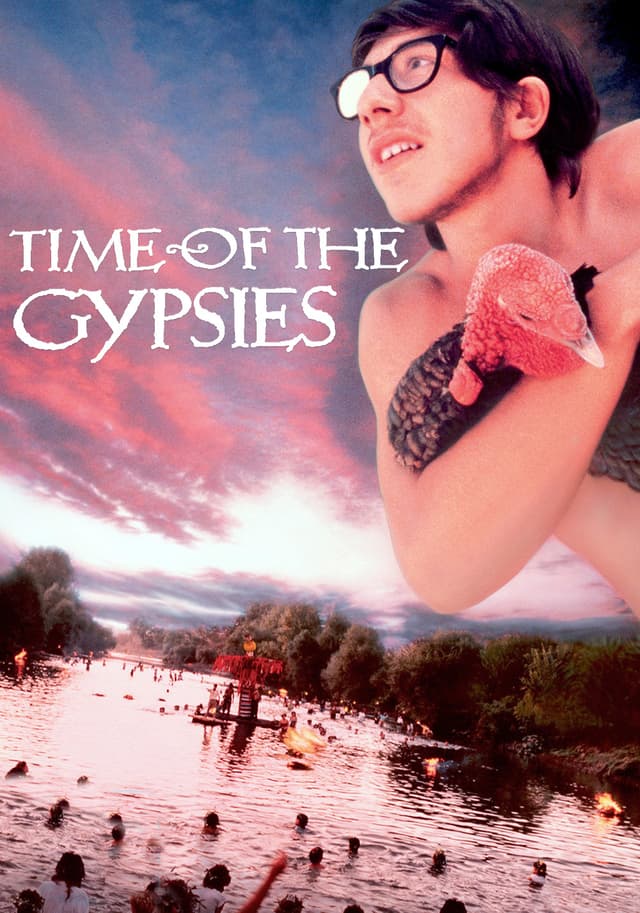
A young Romani man with telekinetic powers leaves his Yugoslav village for Italy, where he becomes entangled with a criminal organization that exploits Romani children. Across magical realism, folk music, and crime drama, the film traces his struggle to return home and reckon with what he has done.
What Is the Budget of Time of the Gypsies (1988)?
Time of the Gypsies (Dom za vešanje, 1988), directed by Emir Kusturica and produced by Sarajevo-based Forum (a self-managed Yugoslav studio) in association with Columbia Pictures, was made on an estimated budget of $4,000,000 to $5,000,000, an unusually high figure for a Yugoslav production and reflective of Columbia's minority co-financing through its Tri-Star international division. Yugoslav cinema historians and Forum production records place the final cost in this range, with Columbia's investment justifying the international distribution rights and the participation of Western European sales partners. No official budget figure has been released.
Kusturica had won the Palme d'Or at the 1985 Cannes Film Festival with When Father Was Away on Business, his second feature. Time of the Gypsies was his third feature and the project that established his international profile beyond the festival circuit. The Yugoslav-Columbia co-financing model was a relatively rare 1980s arrangement and gave the film access to production and post-production resources beyond what a fully Yugoslav-financed production would have commanded.
Key Budget Allocation Categories
The estimated budget was distributed across these production areas:
- Above-the-Line Talent. Director Emir Kusturica, fresh off his 1985 Palme d'Or win, commanded a top Yugoslav director fee. The cast was largely composed of non-professional Romani actors from the Skopje neighborhood where much of the film was shot, with lead Davor Dujmović as the only trained actor in the central role.
- Sarajevo and Skopje Locations. Principal photography took place across the Šuto Orizari Romani neighborhood in Skopje, Sarajevo locations, and additional sequences shot in Milan, Italy. The multi-territory production required cross-border crew coordination and customs handling of equipment between Yugoslavia and Italy.
- Period and Cultural Production Design. The film's 1980s Yugoslav and Italian settings required period-accurate vehicles, set dressing, and consumer products. The Šuto Orizari Romani-neighborhood location work, including the elaborate wedding sequence, used the actual community's clothing and possessions augmented by production-design dressing.
- Music and Score. Composer Goran Bregović, working with Kusturica for the first of multiple collaborations across the next decade, created the score integrating Balkan folk and Romani musical traditions. The score recording took place in Belgrade and Sarajevo with a chamber orchestra plus accordion, brass, and traditional instruments.
- Yugoslav-Columbia Co-Production Structure. The Columbia minority co-financing brought Western production values to the Sarajevo Forum studio, including imported camera and editing equipment and access to Western post-production facilities. The legal and accounting complexity of the cross-Iron-Curtain co-production added meaningful overhead.
- Post-Production in Multiple Cities. Final picture and sound editing took place across Sarajevo, Belgrade, and London, with the multi-city post pipeline supported by Columbia's involvement. Final mix and color timing at Western European facilities accounted for the highest individual line items in the post-production budget.
How Does Time of the Gypsies' Budget Compare to Similar Films?
At an estimated $4,000,000 to $5,000,000, Time of the Gypsies sits among ambitious late-1980s international art-house productions:
- Wings of Desire (1987): Budget approximately $5,000,000 | Worldwide $5,000,000. Wim Wenders' contemporaneous West German art-house feature cost essentially the same as Time of the Gypsies and earned a substantially higher international art-house return, illustrating the comparable budget profiles of late-1980s European art cinema.
- Cinema Paradiso (1988): Budget approximately $5,000,000 | Worldwide $12,000,000. Giuseppe Tornatore's contemporaneous Italian feature cost essentially the same as Time of the Gypsies and earned a much higher international art-house return plus the Best Foreign Language Film Oscar.
- Underground (1995): Budget approximately $7,000,000 | Worldwide N/A. Kusturica's next major Palme d'Or-winning feature cost approximately 50% more than Time of the Gypsies and reflected his expanded international profile in the mid-1990s.
- Latcho Drom (1993): Budget approximately $1,500,000 | Worldwide N/A. Tony Gatlif's Romani-musical-tradition documentary cost a fraction of Time of the Gypsies and provided a non-narrative companion to Kusturica's film for international audiences interested in Romani cultural cinema.
Time of the Gypsies Box Office Performance
Time of the Gypsies premiered at the Cannes Film Festival in May 1989, winning the Best Director prize for Emir Kusturica. The Cannes win drove an international art-house theatrical release across Western Europe, the United States (through Columbia Pictures), and selected Eastern European markets through 1989 and 1990. The film grossed an estimated $1,500,000 to $3,000,000 worldwide in theatrical release, with the United States contributing approximately $850,000 of that figure.
Against an estimated $4,000,000 to $5,000,000 production cost, the financial outcome was a modest loss at the theatrical window:
Box Office Breakdown
Time of the Gypsies

The film returned approximately thirty to sixty cents in theatrical revenue for every dollar of production budget, indicating that the Yugoslav-Columbia co-production did not recoup at the theatrical window. The financial loss was offset by subsequent television licensing across multiple territories, home-video releases in the early VHS era, and the long-tail revenue from Goran Bregović's soundtrack album which sold strongly across Europe.
Subsequent revenue from international art-house theatrical re-issue (including a Criterion Collection DVD in 2009 and Blu-ray in 2017), the Criterion Channel streaming licensing, and Eastern European broadcast licensing has continued to generate compounding returns for the rights library across more than three decades. The film's status as a foundational late-Cold War European feature has maintained its commercial visibility across multiple distribution windows.
Time of the Gypsies Production History
Emir Kusturica conceived the project in 1986 following his Palme d'Or win for When Father Was Away on Business, drawing inspiration from a series of newspaper reports about Yugoslav-Italian Romani child trafficking rings. Co-writer Gordan Mihić collaborated on the screenplay across 1986 and 1987, with the script taking shape through extended location research in the Šuto Orizari Romani neighborhood in Skopje.
Principal photography took place across the Šuto Orizari neighborhood in Skopje, North Macedonia (then part of Yugoslavia), Sarajevo, and Milan, Italy from spring through autumn 1988. The Skopje shoot lasted approximately ten weeks, with Kusturica integrating the local Romani community as both performers and cultural consultants. The wedding sequence, one of the film's most-discussed set pieces, was shot over multiple days using actual community members and Goran Bregović's music recorded live on set.
The Milan sequences, depicting the lead character's involvement with the criminal organization, were filmed across approximately three weeks in Italian locations. The cross-border production required Yugoslav crew customs clearance and the coordination of Italian local crew under the Forum production umbrella. The political sensitivity of the Romani-trafficking subject matter required diplomatic-level approval from Yugoslav cultural authorities, which Kusturica's post-Palme international profile facilitated.
Post-production wrapped in time for the Cannes premiere in May 1989. The Goran Bregović score was recorded across Belgrade and Sarajevo sessions, with the film's final mix completed at Columbia-affiliated facilities in London. The Cannes Best Director win drove the international theatrical release pattern through 1989 and 1990, with Columbia Pictures handling the US release and Forum coordinating the European art-house distribution network.
Awards and Recognition
Time of the Gypsies won the Best Director prize (Prix de la mise en scène) for Emir Kusturica at the 1989 Cannes Film Festival, his second major Cannes recognition after the 1985 Palme d'Or for When Father Was Away on Business. The film was also nominated for the Palme d'Or itself at Cannes 1989, losing the top prize to Steven Soderbergh's sex, lies, and videotape.
International recognition followed across 1989 and 1990. The film was selected as Yugoslavia's submission for the Best Foreign Language Film Oscar at the 1990 Academy Awards, though it did not earn a nomination. It won the Best Foreign Language Film prize at the Boston Society of Film Critics Awards and the National Society of Film Critics Award for Best Film, in addition to Best Picture and Best Director recognition at the Yugoslav Pula Film Festival. The Criterion Collection issued the film on DVD in 2009 and on Blu-ray in 2017, both releases included as foundational selections in the Criterion canon of late-Cold War European cinema.
Critical Reception
Time of the Gypsies received highly positive reviews at the time of original release and through subsequent restoration and re-issue. The film holds a 100% approval rating on Rotten Tomatoes based on 19 critic reviews, with the critical consensus calling it "a magical-realist epic of striking imagination, with Kusturica blending folk myth, crime drama, and political commentary into a singular cinematic experience." On Metacritic, the Criterion restoration scored 84 out of 100, indicating universal acclaim. The film does not have a CinemaScore because of its specialty release pattern.
Critics responded to Kusturica's visual ambition, the integration of magical realism with the social-realist Romani subject matter, the Goran Bregović score, and the non-professional Romani cast's naturalistic performances. The New York Times' Vincent Canby called the film "a magnificent achievement, with Kusturica conjuring an entire world from observation, imagination, and the rhythms of Balkan folk music." The Village Voice's J. Hoberman wrote that "Time of the Gypsies confirms Kusturica's position as the most distinctive new voice in European cinema, with a visual imagination that exceeds anything in his peers."
Detractors were rare in the published critical record but raised concerns about the representation of Romani culture and the film's magical-realist treatment of trafficking subject matter. Subsequent academic Romani-studies discussions have offered more critical analysis of the film's ethnographic position, though without diminishing its standing within the Western critical canon. The film's reputation has steadied at the top tier of late-Cold War European cinema, with regular appearances on critics' lists of the greatest international films of the 1980s and 1990s.
Frequently Asked Questions
How much did Time of the Gypsies (1988) cost to make?
Forum Sarajevo and Columbia Pictures did not disclose a budget. Yugoslav cinema historians and Forum production records place the cost at approximately $4,000,000 to $5,000,000, an unusually high figure for a Yugoslav production reflecting Columbia's minority co-financing through its Tri-Star international division.
Who directed Time of the Gypsies?
Emir Kusturica, the Yugoslav (later Bosnian-Serbian) director who had won the Palme d'Or at the 1985 Cannes Film Festival for When Father Was Away on Business. Time of the Gypsies was his third feature and the project that established his international profile beyond the festival circuit.
Where was Time of the Gypsies filmed?
Principal photography took place across the Šuto Orizari Romani neighborhood in Skopje, North Macedonia (then part of Yugoslavia), Sarajevo, and Milan, Italy from spring through autumn 1988. The Skopje shoot lasted approximately ten weeks, with Kusturica integrating the local Romani community as both performers and cultural consultants.
Did Time of the Gypsies win any awards?
Yes. The film won the Best Director prize (Prix de la mise en scène) for Emir Kusturica at the 1989 Cannes Film Festival, his second major Cannes recognition after the 1985 Palme d'Or. It also won the National Society of Film Critics Award for Best Film and was Yugoslavia's submission for the 1990 Best Foreign Language Film Oscar (no nomination).
Is Time of the Gypsies based on a true story?
The film drew inspiration from a series of newspaper reports about Yugoslav-Italian Romani child trafficking rings in the mid-1980s. Emir Kusturica and co-writer Gordan Mihić developed the fictional narrative through extended location research in the Šuto Orizari Romani neighborhood in Skopje across 1986 and 1987.
Who composed the music for Time of the Gypsies?
Goran Bregović, the Bosnian composer who collaborated with Emir Kusturica on multiple subsequent films including Arizona Dream (1993) and Underground (1995). The score integrates Balkan folk and Romani musical traditions, with recording taking place across Belgrade and Sarajevo sessions with a chamber orchestra plus accordion, brass, and traditional instruments.
How much did Time of the Gypsies earn at the box office?
The film grossed an estimated $1,500,000 to $3,000,000 worldwide in theatrical release, with the United States contributing approximately $850,000 of that figure. The theatrical return did not recoup the production and marketing investment, but subsequent television licensing, home-video releases, and Goran Bregović's soundtrack album sales generated additional revenue over the following decade.
What did critics think of Time of the Gypsies?
The film received highly positive reviews, holding a 100% approval rating on Rotten Tomatoes (19 critics) and a 84 out of 100 score on Metacritic for the Criterion restoration release. Critics praised Kusturica's visual ambition, the integration of magical realism with social-realist subject matter, the Goran Bregović score, and the non-professional Romani cast's performances.
How long is Time of the Gypsies?
The theatrical release version runs 142 minutes (two hours and twenty-two minutes). A longer six-hour television version exists, which was broadcast as a four-part Yugoslav television miniseries in 1990, but the 142-minute theatrical cut is the version that won the Cannes Best Director prize and is available on Criterion home-video.
What is the magical realism in Time of the Gypsies?
The film integrates fantastical elements (the lead character's telekinetic powers, flying objects during emotional scenes, dream sequences) with the social-realist Romani subject matter, a hybrid Kusturica refined across his subsequent work. The magical-realist treatment serves both as folk-tradition reference and as commentary on the gap between Romani cultural imagination and the violent reality of trafficking and exploitation.
Filmmakers
Time of the Gypsies

Official Trailer
Build budgets like this one in Saturation
Start from an industry-standard feature film template, import the schedule and rates you already have, and let the cost report keep itself current as you spend. Real-time collaboration, no spreadsheets.