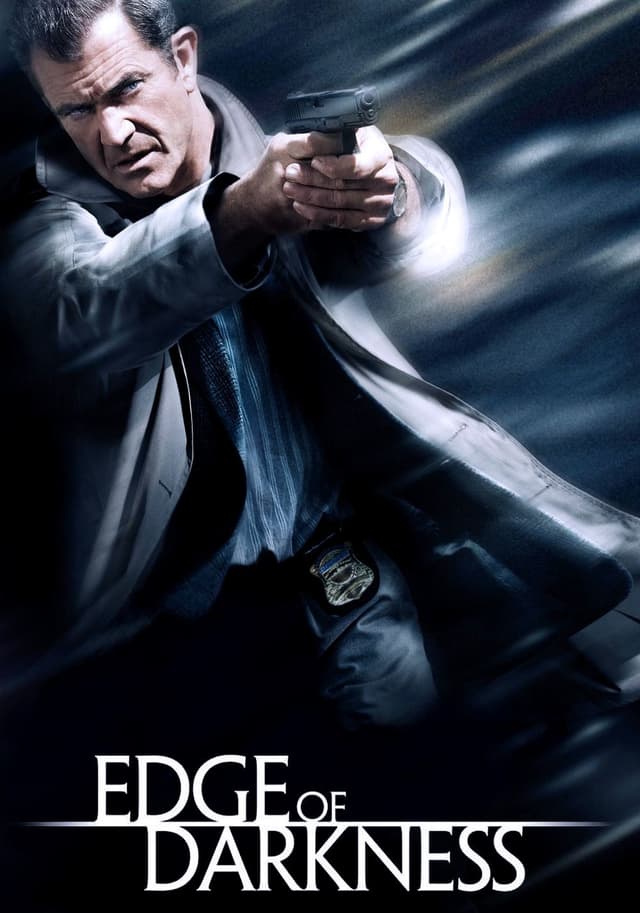
Edge of Darkness Budget
 CrimeDramaMysteryThriller1h 57m
Updated
Synopsis
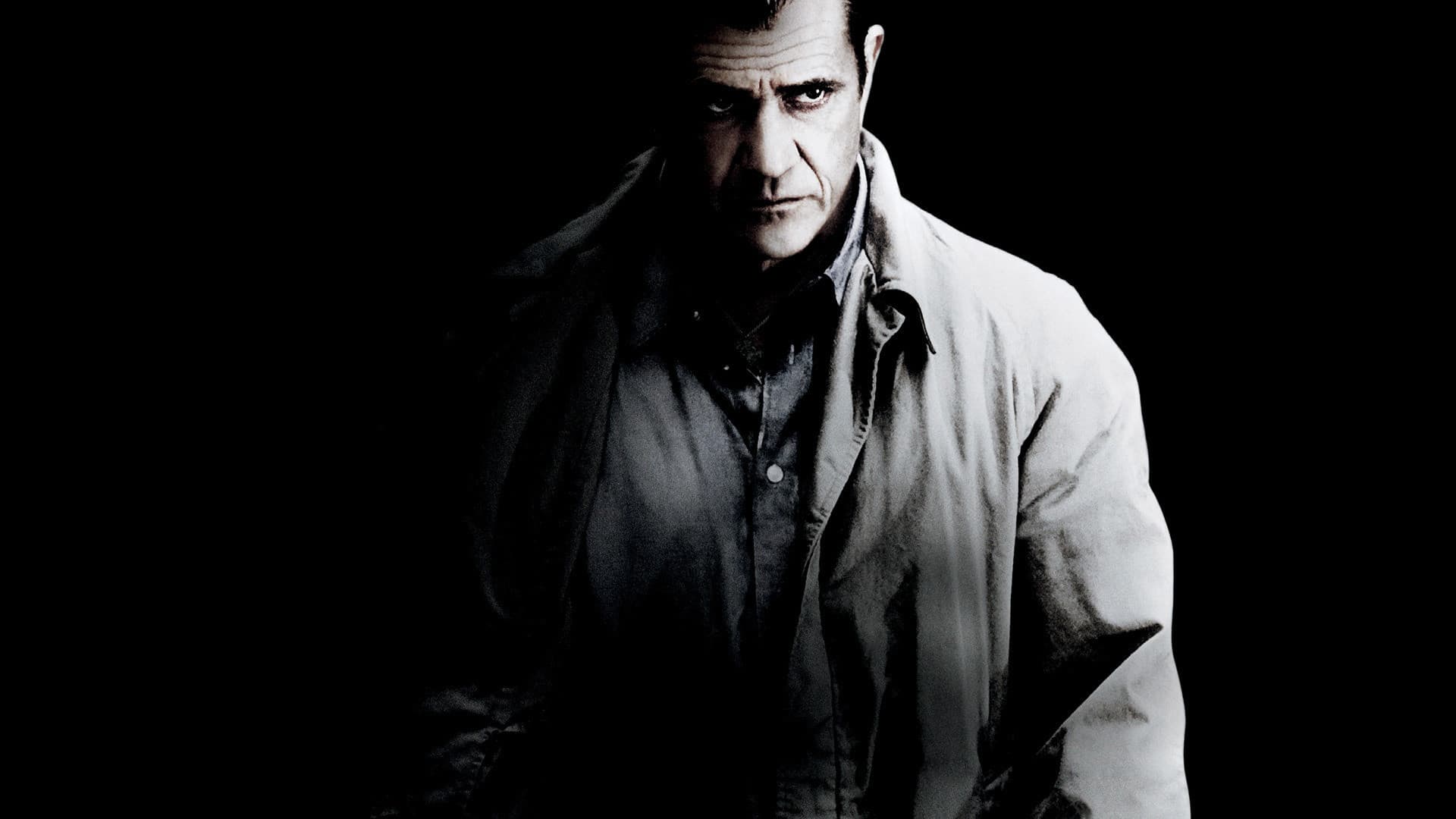
Boston homicide detective Thomas Craven's daughter Emma comes home for a visit and is gunned down on his front porch. Initially assuming he was the target, Craven launches his own investigation and quickly uncovers a conspiracy involving Emma's employer, a defense contractor named Northmoor, government cover-ups, and a shadowy fixer named Jedburgh whose intentions and loyalties shift as the case deepens.
What Is the Budget of Edge of Darkness (2010)?
The production budget of Edge of Darkness was approximately $80,000,000, financed by Warner Bros. Pictures, BBC Films, Icon Entertainment, and GK Films. The figure reflected Mel Gibson's return to leading-man roles after a seven-year absence, an extensive Boston location shoot, BBC Films' co-financing as the project drew from the 1985 British miniseries of the same name, and roughly $35 million in Gibson's salary plus back-end participation.
Director Martin Campbell, who had directed the original 1985 BBC miniseries that the film adapts, returned to the material 25 years later. The picture was conceived as a star vehicle for Mel Gibson and a reunion of Campbell's thriller sensibility from the Casino Royale reboot, with Robert De Niro initially cast as Jedburgh before exiting two days into shooting over creative differences and being replaced by Ray Winstone.
Key Budget Allocation Categories
- Cast Compensation: Mel Gibson's above-the-line salary, reportedly $30 million plus back-end, as his return to leading-man roles, plus Ray Winstone, Danny Huston, Bojana Novakovic, Shawn Roberts, and Caterina Scorsone.
- Boston Production: Practical filming across Boston exteriors including the State House, Boston Common, the South Boston waterfront, and suburban locations doubling for Northmoor and the Senator's estate.
- Production Design: Recreations of a Boston police homicide bureau, the Northmoor research facility, and the Senator's private estate supervised by Tom Sanders.
- Stunts and Practical Effects: A vehicular-impact action sequence, the assassination sequences, and a climactic shootout supervised by stunt coordinator Joey Box.
- Music: Original score by Howard Shore, his first feature collaboration with Martin Campbell.
- Marketing and Distribution: A January 2010 Warner Bros. wide release marketing campaign positioning the film as Gibson's return to leading-man roles after the 2003 release of We Were Soldiers.
How Does Edge of Darkness's Budget Compare to Similar Films?
- Taken (2008): Budget $25,000,000 | Worldwide $226,800,000. A comparable revenge thriller on less than a third of the budget that earned nearly three times the worldwide gross.
- Law Abiding Citizen (2009): Budget $53,000,000 | Worldwide $126,700,000. A similar contemporary revenge thriller with a smaller budget and stronger return.
- Body of Lies (2008): Budget $70,000,000 | Worldwide $115,100,000. A comparable adult thriller with star-driven appeal and a softer return on a similar budget profile.
- The Beaver (2011): Budget $21,000,000 | Worldwide $6,300,000. Mel Gibson's following feature on a fraction of the budget that posted a significantly worse return amid the actor's ongoing personal controversies.
Edge of Darkness Box Office Performance
Edge of Darkness opened to $17,043,257 across 3,066 North American theaters on January 29, 2010, finishing first at the box office. The opening fell within tracking expectations but indicated only modest mainstream interest in Gibson's return, and the picture suffered a 47 percent second-weekend drop.
Box Office Breakdown
Edge of Darkness

For every $1 invested, the studios recouped roughly $0.62 after the theatrical exhibitor split.
Domestic accounted for 53 percent of worldwide gross. The picture's soft international performance reflected limited recognition of Gibson outside North America following his 2006 controversies and a marketing campaign that struggled to communicate the picture's political-conspiracy throughline. Home video and television sales narrowed the loss but the picture remained a notable underperformer for Warner Bros.
Edge of Darkness Production History
Warner Bros. acquired film rights to the 1985 BBC miniseries Edge of Darkness in 2004, with Graham King's GK Films producing. Martin Campbell, who had directed the original miniseries, signed on to direct the feature adaptation in 2008. William Monahan and Andrew Bovell adapted the six-part miniseries to a feature-length screenplay, condensing the timeline and relocating the story from Yorkshire and London to Massachusetts.
Robert De Niro was originally cast as Jedburgh and began shooting in March 2009. He exited the production two days into filming over creative differences, and Ray Winstone was cast as his replacement on three days' notice. Principal photography continued in and around Boston through summer 2009, with the production taking advantage of the Massachusetts production tax credit.
The picture marked Mel Gibson's first leading role in seven years following We Were Soldiers in 2002, and was positioned by Warner Bros. as his return to mainstream filmmaking. The 2006 arrest and antisemitic incident continued to weigh on Gibson's public perception during the marketing campaign, with Warner Bros. limiting the actor's press obligations. The picture's domestic underperformance and the subsequent collapse of The Beaver's box office in 2011 effectively ended Gibson's run as a major studio leading man.
Awards and Recognition
Edge of Darkness received no major Academy Award, Golden Globe, or guild nominations. Ray Winstone won the National Society of Film Critics Award for Best Supporting Actor for his performance as Jedburgh, the picture's only major critical-circles recognition. Howard Shore received a Saturn Award nomination for Best Music. The picture won Best Original Screenplay at the Boston Society of Film Critics for William Monahan's adapted work, in recognition of the substantial changes from the BBC source material.
Critical Reception
Edge of Darkness holds a 56 percent rating on Rotten Tomatoes and a Metacritic score of 55. CinemaScore audiences awarded the film a B-. Roger Ebert gave the picture three and a half stars and wrote that "Gibson reminds us why he was once a star." Manohla Dargis of The New York Times called the picture "a grimly competent revenge thriller." Peter Travers wrote that "Gibson holds the screen in the way a movie star is supposed to." Owen Gleiberman at Entertainment Weekly was more mixed, calling the picture "the watered-down corporate-conspiracy theater of a movie that used to be something stronger." Critics broadly agreed that Winstone's Jedburgh was the standout, while reception of Gibson and the conspiracy plot itself remained mixed.
Frequently Asked Questions
What was the production budget of Edge of Darkness (2010)?
The production budget of Edge of Darkness was approximately $80 million, financed by Warner Bros. Pictures, BBC Films, Icon Entertainment, and GK Films.
How much did Edge of Darkness gross worldwide?
Edge of Darkness grossed $81,126,522 worldwide, including $43,313,890 in the United States and Canada and $37,812,632 internationally.
Was Edge of Darkness a box office success?
No. After P&A and the exhibitor split, the film posted an estimated theatrical loss of approximately $50 million, despite finishing first at the domestic box office on opening weekend.
Is Edge of Darkness based on a BBC miniseries?
Yes. Edge of Darkness is a feature-length adaptation of the 1985 BBC miniseries of the same name, written by Troy Kennedy Martin and originally directed by Martin Campbell, who returned to direct the 2010 feature.
Who directed Edge of Darkness?
Edge of Darkness was directed by Martin Campbell, who had directed the original 1985 BBC miniseries 25 years earlier. His subsequent feature credits include GoldenEye and Casino Royale.
Did Robert De Niro film Edge of Darkness?
Robert De Niro was originally cast as Jedburgh and began shooting in March 2009, but exited the production two days into filming over creative differences. Ray Winstone was cast as his replacement on three days' notice.
Where was Edge of Darkness filmed?
Edge of Darkness was filmed primarily in and around Boston, Massachusetts, between spring and summer 2009, taking advantage of the Massachusetts production tax credit.
Was this Mel Gibson's comeback movie?
Edge of Darkness marked Mel Gibson's first leading role in seven years following We Were Soldiers in 2002. Warner Bros. positioned the film as his return to mainstream filmmaking after his 2006 controversies, though its commercial result was modest.
Who composed the score for Edge of Darkness?
Howard Shore composed the score, his first feature collaboration with director Martin Campbell. Shore received a Saturn Award nomination for Best Music.
Did Edge of Darkness win any awards?
Edge of Darkness received no major Academy Award, Golden Globe, or guild nominations. Ray Winstone won the National Society of Film Critics Award for Best Supporting Actor for his performance as Jedburgh.
Filmmakers
Edge of Darkness

Official Trailer
Build budgets like this one in Saturation
Start from an industry-standard feature film template, import the schedule and rates you already have, and let the cost report keep itself current as you spend. Real-time collaboration, no spreadsheets.