Requiem for a Dream Budget
Updated
Synopsis
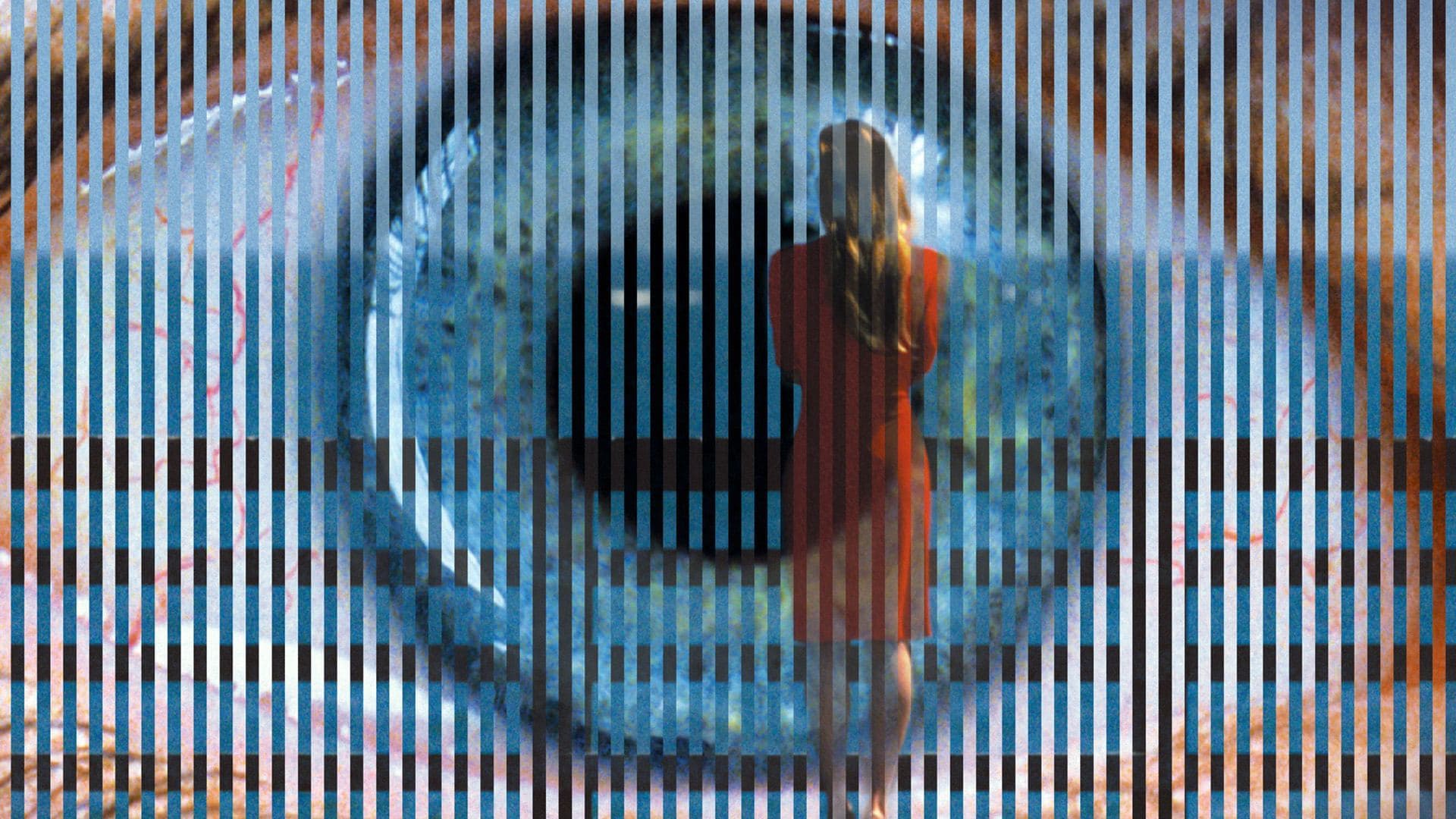
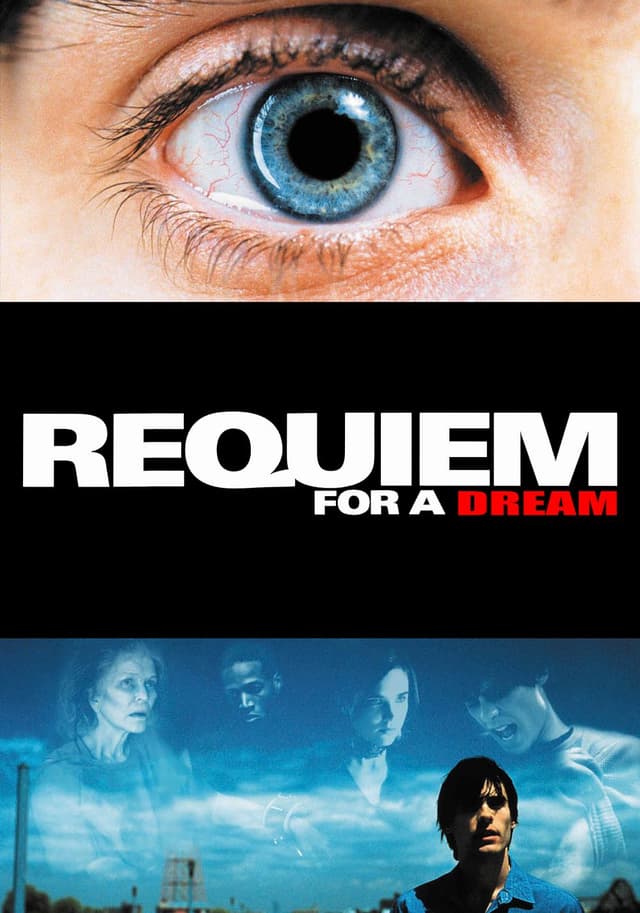
Sara Goldfarb (Ellen Burstyn) is a retired widow, living in a small apartment. She spends most of her time watching TV, especially a particular self-help show. She has delusions of rising above her current dull existence by being a guest on that show. Her son, Harry (Jared Leto) is a junkie but along with his friend Tyrone (Marlon Wayans) has visions of making it big by becoming a drug dealer. Harry's girlfriend Marion (Jennifer Connelly) could be fashion designer or artist but is swept along in Harry's drug-centric world. Meanwhile Sara has developed an addiction of her own. She desperately wants to lose weight and so goes on a crash course involving popping pills, pills which turn out to be very addictive and harmful to her mental state.
What is the budget of Requiem for a Dream?
"Requiem for a Dream," a crime released in 2000, was directed by Darren Aronofsky and stars Ellen Burstyn, Jared Leto. The production budget was $4,500,000, placing it in the micro-budget range for crime productions of its era.
Key Budget Allocation Categories
While specific budget breakdowns are not publicly available, typical cost drivers for a crime production like this include:
- Talent & Director Compensation: Thrillers depend on compelling lead performances to sustain tension, making cast compensation a primary budget concern. Directors with proven thriller credentials command premium fees.
- Cinematography & Location Photography: Thriller aesthetics demand specific visual languages , surveillance-style photography, claustrophobic framing, or expansive location work across multiple cities or countries.
- Editorial & Sound Post-Production: Precision editing , controlling information flow, building suspense through pacing, and orchestrating reveals , requires extended post-production schedules.
- Casting: A number of actresses were considered for the role of Sara Goldfarb, but many of them, such as Faye Dunaway, rejected the part.
What were the major cost factors in Requiem for a Dream?
Several factors contributed to the overall production costs of "Requiem for a Dream."
- Talent: Talent & Director Compensation is one of the primary cost drivers in crime productions of this scale.
- Cinematography: Cinematography & Location Photography is one of the primary cost drivers in crime productions of this scale.
- Editorial: Editorial & Sound Post-Production is one of the primary cost drivers in crime productions of this scale.
How Does Requiem for a Dream's Budget Compare to Similar Films?
At $4,500,000, Requiem for a Dream sits in the micro-budget range. Here is how it compares to productions with a similar budget:
- Secrets & Lies (1996): Budget $4,500,000, Worldwide Gross $13,417,292
- Hard Boiled (1992): Budget $4,500,000, Worldwide Gross $2,592,782
- Get Out (2017): Budget $4,500,000, Worldwide Gross $255,407,969
- Donnie Darko (2001): Budget $4,500,000, Worldwide Gross $7,500,000
- Talk to Me (2023): Budget $4,500,000, Worldwide Gross $91,959,188
The median budget for wide-release crime films in the 2000s ranges from $30 to 80M for mid-budget to $150M+ for tentpoles.
Requiem for a Dream Box Office Performance
"Requiem for a Dream" earned $3,635,482 domestically and $7,390,108 worldwide at the box office. Against a production budget of $4,500,000, the film showed modest profitability in theatrical release.
A film typically needs to earn approximately twice its production budget to cover marketing and distribution costs. For "Requiem for a Dream," that break-even threshold was roughly $9,000,000. With worldwide earnings of $7,390,108, the film fell short of that threshold but recouped its production costs in theatrical release.
Box Office Breakdown
Requiem for a Dream

At 64.2%, "Requiem for a Dream" returned its production investment but margin was tight after marketing and distribution costs.
Requiem for a Dream Production History
A number of actresses were considered for the role of Sara Goldfarb, but many of them, such as Faye Dunaway, rejected the part. Ellen Burstyn also initially rejected the part due to the depressing content, but her manager convinced her to see Aronofsky's previous work; she was impressed and agreed to be cast in the lead role. Giovanni Ribisi, Neve Campbell and Dave Chappelle were considered for the roles of Harry Goldfarb, Marion Silver and Tyrone C.
Filming lasted 40 days from 19 April to 16 June 1999, on location in and around Coney Island, including the boardwalk, amusement parks and Brighton Beach. To capture Sara Goldfarb's weight loss throughout the film, Burstyn wore two fat suits; one simulated an additional in weight and one . Burstyn also dieted during a two-week break in the filming schedule, allowing her to lose .
The soundtrack was composed by Clint Mansell. The string quartet arrangements were written by Pulitzer Prize-winning composer David Lang, and was performed by the Kronos Quartet. The soundtrack was re-released with the album Requiem for a Dream: Remixed, which contains remixes of the music by various artists including Paul Oakenfold, Josh Wink, Jagz Kooner, and Delerium.
Awards and Recognition
Nominated for 1 Oscar. 37 wins & 69 nominations total
Critical Reception
On Rotten Tomatoes, Requiem for a Dream is rated 79% based on 180 reviews, with an average score of 7.40/10. The consensus: "Though the film may be too intense for some to stomach, the wonderful performances and the bleak imagery are hard to forget." On Metacritic the film has a weighted average score of 71 out of 100 based on 32 critics, indicating "generally favorable reviews".
Frequently Asked Questions
How much did it cost to make Requiem for a Dream (2000)?
The production budget was $4,500,000, covering principal photography, cast and crew salaries, locations, sets, post-production, and music. Marketing and distribution (P&A) costs are estimated at an additional $2,250,000 - $3,600,000, bringing the total studio investment to approximately $6,750,000 - $8,100,000.
How much did Requiem for a Dream (2000) earn at the box office?
Requiem for a Dream grossed $3,635,482 domestic, $3,754,626 international, totaling $7,390,108 worldwide.
Was Requiem for a Dream (2000) profitable?
The film did not break even theatrically, earning $7,390,108 against an estimated $11,250,000 needed. Ancillary revenue may have improved the picture.
What were the biggest costs in producing Requiem for a Dream?
The primary cost drivers were above-the-line talent (Ellen Burstyn, Jared Leto, Jennifer Connelly); talent compensation, location cinematography, and tension-driven editorial.
How does Requiem for a Dream's budget compare to similar crime films?
At $4,500,000, Requiem for a Dream is classified as a micro-budget production. The median budget for wide-release crime films in the 2000s ranges from $30 - 80M for mid-budget to $150M+ for tentpoles. Comparable budgets: Secrets & Lies (1996, $4,500,000); Hard Boiled (1992, $4,500,000); Get Out (2017, $4,500,000).
Did Requiem for a Dream (2000) go over budget?
There are no widely reported accounts of significant budget overruns for this production. However, studios rarely disclose precise budget overrun figures publicly. The reported production budget reflects the final estimated cost.
What was the return on investment (ROI) for Requiem for a Dream?
The theatrical ROI was 64.2%, calculated as ($7,390,108 − $4,500,000) ÷ $4,500,000 × 100. This measures gross revenue against production budget only - it does not account for P&A or exhibitor shares.
What awards did Requiem for a Dream (2000) win?
Nominated for 1 Oscar. 37 wins & 69 nominations total.
Who directed Requiem for a Dream and who were the key crew members?
Directed by Darren Aronofsky, written by Hubert Selby Jr., Darren Aronofsky, shot by Matthew Libatique, with music by Clint Mansell, edited by Jay Rabinowitz.
Where was Requiem for a Dream filmed?
Requiem for a Dream was filmed in United States of America. Filming lasted 40 days from 19 April to 16 June 1999, on location in and around Coney Island, including the boardwalk, amusement parks and Brighton Beach. To capture Sara Goldfarb's weight loss throughout the film, Burstyn wore two fat suits; one simulated an additional in weight and one .
Filmmakers
Requiem for a Dream

Official Trailer
Build budgets like this one in Saturation
Start from an industry-standard feature film template, import the schedule and rates you already have, and let the cost report keep itself current as you spend. Real-time collaboration, no spreadsheets.