Drive Budget
 DramaThrillerCrime1h 40m
Updated
Synopsis
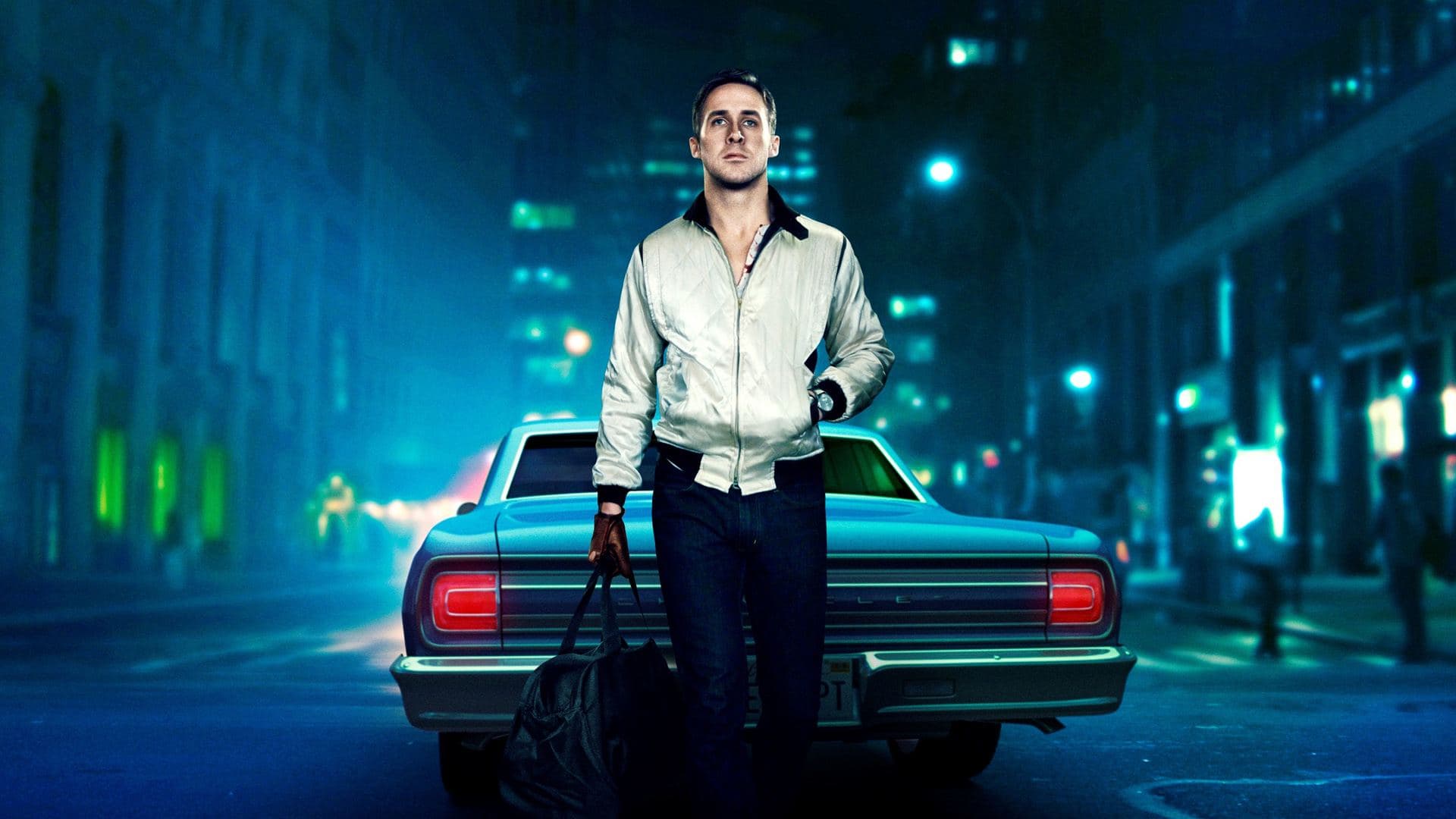
This action drama follows a mysterious man who has multiple jobs as a garage mechanic, a Hollywood stuntman and a getaway driver seems to be trying to escape his shady past as he falls for his neighbor - whose husband is in prison and who's looking after her child alone. Meanwhile, his garage mechanic boss is trying to set up a race team using gangland money, which implicates our driver as he is to be used as the race team's main driver. Our hero gets more than he bargained for when he meets the man who is married to the woman he loves.
What is the budget of Drive?
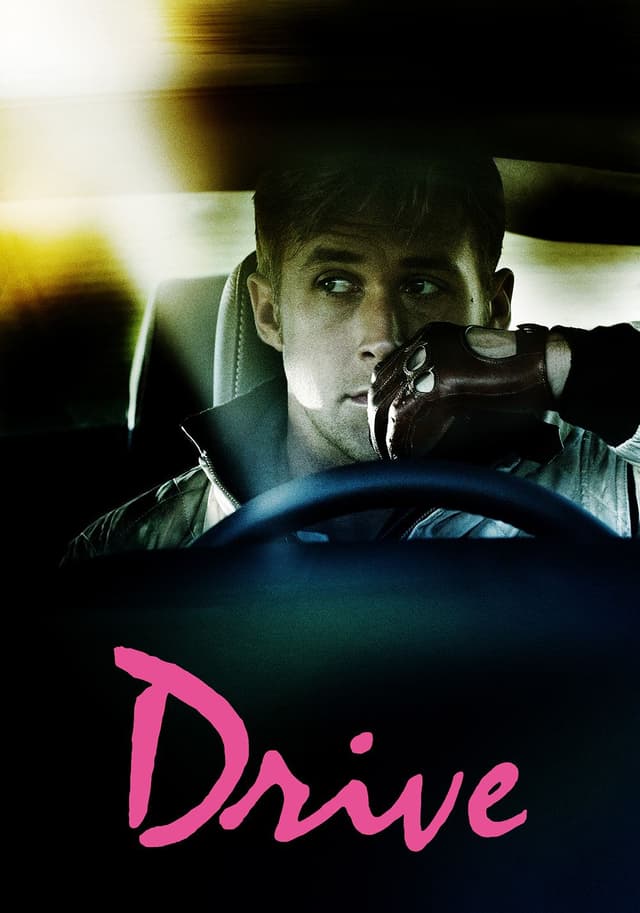
"Drive," a drama released in 2011, was directed by Nicolas Winding Refn and stars Ryan Gosling, Carey Mulligan. The production budget was $15,000,000, placing it in the low-budget range for drama productions of its era.
Key Budget Allocation Categories
While specific budget breakdowns are not publicly available, typical cost drivers for a drama production like this include:
- Above-the-Line Talent: Drama films live or die on the strength of their performances.
- Location Filming & Period Production Design: Authentic locations , whether contemporary or historical , require scouting, permits, travel, lodging, and often significant dressing to match the story's time period.
- Post-Production, Color Grading & Score: The editorial process for dramas is typically longer than genre films, with careful attention to pacing and tone.
- Casting: When casting roles in his films, Refn does not watch casting tapes or have his actors audition for him.
What were the major cost factors in Drive?
Several factors contributed to the overall production costs of "Drive."
- Above-the-Line Talent: Above-the-Line Talent is one of the primary cost drivers in drama productions of this scale.
- Location Filming: Location Filming & Period Production Design is one of the primary cost drivers in drama productions of this scale.
- Post-Production: Post-Production, Color Grading & Score is one of the primary cost drivers in drama productions of this scale.
How Does Drive's Budget Compare to Similar Films?
At $15,000,000, Drive sits in the low-budget range. Here is how it compares to productions with a similar budget:
- A Dangerous Method (2011): Budget $15,000,000, Worldwide Gross $27,462,041
- Ben-Hur (1959): Budget $15,000,000, Worldwide Gross $164,000,000
- Land of the Dead (2005): Budget $15,000,000, Worldwide Gross $47,074,133
- Into the Wild (2007): Budget $15,000,000, Worldwide Gross $56,255,142
- King's Ransom (2005): Budget $15,000,000, Worldwide Gross $4,139,856
The median budget for wide-release drama films in the 2010s ranges from $30 to 80M for mid-budget to $150M+ for tentpoles.
Drive Box Office Performance
"Drive" earned $35,061,555 domestically and $79,713,640 worldwide at the box office. Against a production budget of $15,000,000, the film performed strongly at the box office.
A film typically needs to earn approximately twice its production budget to cover marketing and distribution costs. For "Drive," that break-even threshold was roughly $30,000,000. With worldwide earnings of $79,713,640, the film cleared that threshold comfortably.
Box Office Breakdown
Drive

At 431.4%, "Drive" earned roughly $5.31 for every $1 invested in production.
Drive Production History
When casting roles in his films, Refn does not watch casting tapes or have his actors audition for him. Instead, he meets with them and casts them on the spot if he feels they are right. At the time of Mulligan's casting, Refn had not seen An Education.
The film was made on a production budget of about $15 million and shot in various parts of Los Angeles, beginning on September 25, 2010. Refn moved into a plush Los Angeles home and insisted that the cast members and screenwriter Amini move in with him. They would work on the script and film all day, then watch films, edit, or drive at night.
Refn chose Johnny Jewel of Desire and Chromatics to score the film. The album consists of songs blended with electronic, ambient and retro music. Refn gave him a sampling of songs he liked and asked Martinez to emulate the sound, resulting in "a kind of retro, 80ish, synthesizer europop".
Awards and Recognition
Nominated for 1 Oscar. 79 wins & 180 nominations total
- Amanda Award for Best Foreign Feature Film
- National Board of Review: Top Ten Films
Critical Reception
Review aggregator Rotten Tomatoes reports an approval rating of 93% based on 270 reviews, and an average rating of 8.30/10. The site's critical consensus states, "With its hyper-stylized blend of violence, music, and striking imagery, Drive represents a fully realized vision of arthouse action." Metacritic, another review aggregator, gave it a score of 79 out of 100, based on 43 critics, indicating "generally favorable" reviews. Audiences polled by CinemaScore gave the film an average grade of "C-" on an A+ to F scale.
Frequently Asked Questions
How much did it cost to make Drive (2011)?
The production budget was $15,000,000, covering principal photography, cast and crew salaries, locations, sets, post-production, and music. Marketing and distribution (P&A) costs are estimated at an additional $7,500,000 - $12,000,000, bringing the total studio investment to approximately $22,500,000 - $27,000,000.
How much did Drive (2011) earn at the box office?
Drive grossed $35,061,555 domestic, $44,652,085 international, totaling $79,713,640 worldwide.
Was Drive (2011) profitable?
Yes. Against a production budget of $15,000,000 and estimated total costs of ~$37,500,000, the film earned $79,713,640 theatrically - a 431% ROI on production costs alone.
What were the biggest costs in producing Drive?
The primary cost drivers were above-the-line talent (Ryan Gosling, Carey Mulligan, Bryan Cranston); talent compensation, authentic period production design, and meticulous post-production.
How does Drive's budget compare to similar drama films?
At $15,000,000, Drive is classified as a low-budget production. The median budget for wide-release drama films in the 2010s ranges from $30 - 80M for mid-budget to $150M+ for tentpoles. Comparable budgets: A Dangerous Method (2011, $15,000,000); Ben-Hur (1959, $15,000,000); Land of the Dead (2005, $15,000,000).
Did Drive (2011) go over budget?
There are no widely reported accounts of significant budget overruns for this production. However, studios rarely disclose precise budget overrun figures publicly. The reported production budget reflects the final estimated cost.
What was the return on investment (ROI) for Drive?
The theatrical ROI was 431.4%, calculated as ($79,713,640 − $15,000,000) ÷ $15,000,000 × 100. This measures gross revenue against production budget only - it does not account for P&A or exhibitor shares.
What awards did Drive (2011) win?
Nominated for 1 Oscar. 79 wins & 180 nominations total.
Who directed Drive and who were the key crew members?
Directed by Nicolas Winding Refn, written by Hossein Amini, shot by Newton Thomas Sigel, with music by Cliff Martinez, edited by Matthew Newman.
Where was Drive filmed?
Drive was filmed in United States of America. The film was made on a production budget of about $15 million and shot in various parts of Los Angeles, beginning on September 25, 2010. Refn moved into a plush Los Angeles home and insisted that the cast members and screenwriter Amini move in with him.
Filmmakers
Drive

Official Trailer
Build budgets like this one in Saturation
Start from an industry-standard feature film template, import the schedule and rates you already have, and let the cost report keep itself current as you spend. Real-time collaboration, no spreadsheets.