Werckmeister Harmonies Budget
Updated
Synopsis
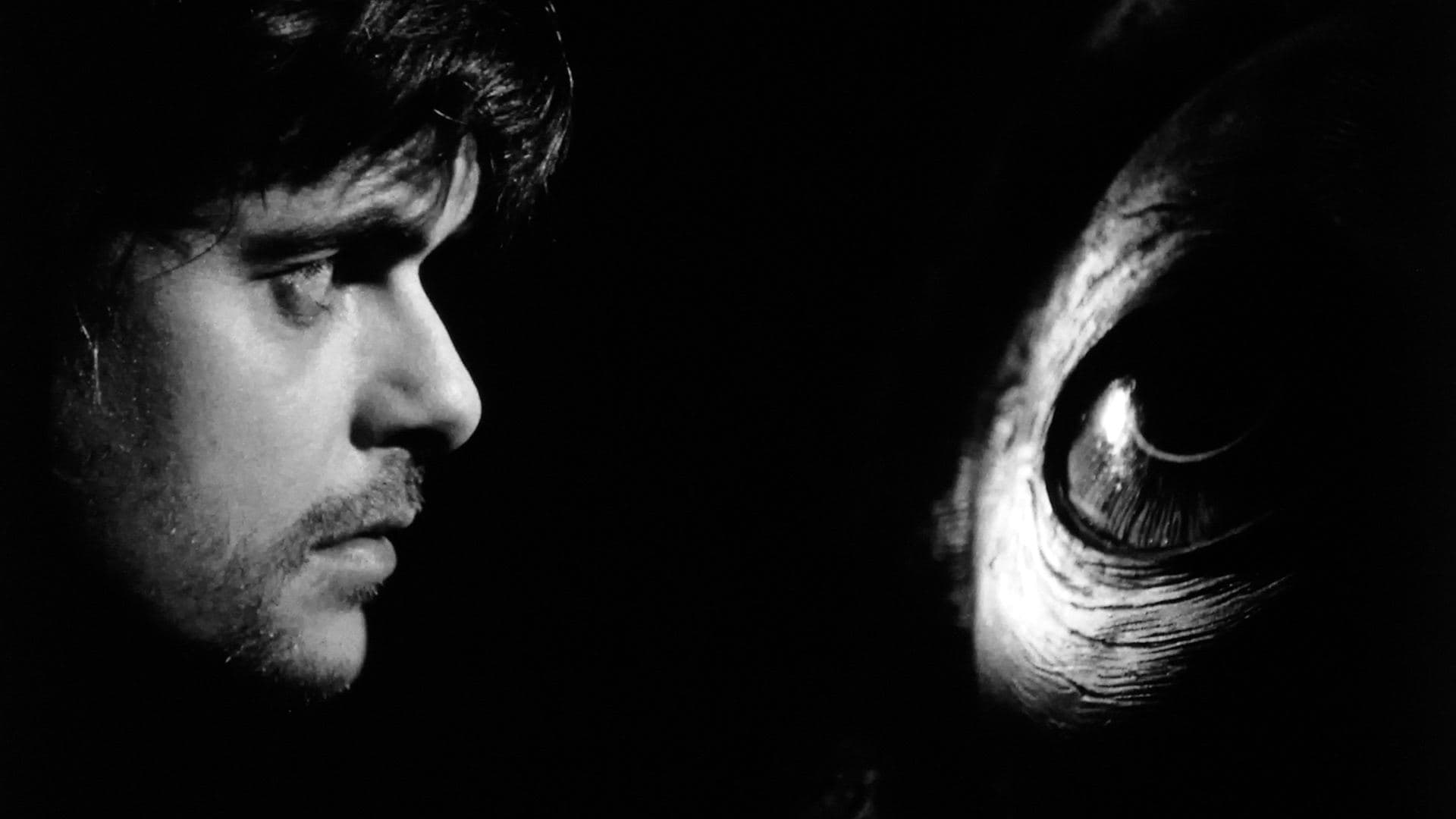
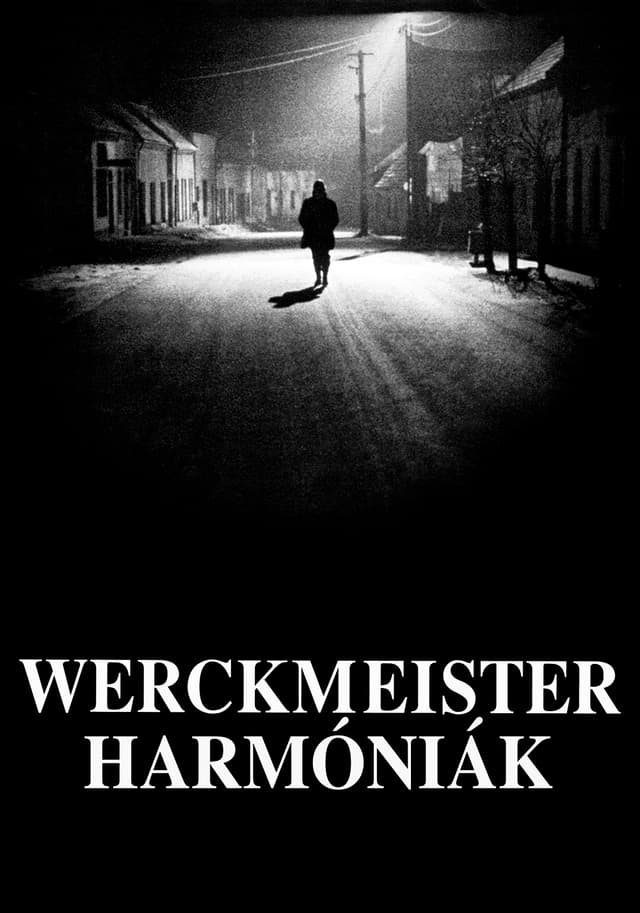
In a small Hungarian town in the depths of winter, a traveling circus arrives bearing the preserved body of an enormous whale and rumors of an enigmatic figure called The Prince. As townspeople gather in the central square, the unease ripples outward through the contained community, drawing the postman János Valuska and his ailing uncle György Eszter into an unfolding outbreak of mob violence whose meaning resists simple explanation.
What Is the Budget of Werckmeister Harmonies (2001)?
Werckmeister Harmonies (2001), directed by Béla Tarr and Ágnes Hranitzky from a screenplay by László Krasznahorkai and Béla Tarr, was produced on an estimated budget of approximately $1,500,000. The figure has not been formally disclosed by the financiers, but the multi-country Hungarian-French-German-Italian co-production structure, the contained black-and-white shoot footprint across a single small Hungarian town, and the seven-year extended production schedule all support a figure in the low-seven-figure range typical of European art-house co-productions from this cycle.
The film was financed and produced by Goess Film, Von Vietinghoff Filmproduktion, Studio Babelsberg, 13 Production, Fondazione Montecinemaverità, Société Parisienne de Production, and additional European art-house financiers, with the project anchored around the long-shot black-and-white visual language that director Béla Tarr had developed across Damnation (1988) and Sátántangó (1994). The film premiered at the 2000 Berlin International Film Festival on February 12, 2000, with formal international release rolling out across European theatrical markets in 2000 and 2001 and a U.S. theatrical release on October 19, 2001.
Key Budget Allocation Categories
The estimated $1,500,000 budget covered an extended seven-year European art-house production:
- Cinematography and Long-Take Pipeline: The film consists of 39 long takes across its 145-minute runtime, with the average shot length running approximately 3.7 minutes. The 35mm black-and-white cinematography by Gábor Medvigy, Patrick de Ranter, Miklós Gurbán, Erwin Lanzensberger, Emil Novák, Rob Tregenza, and Jörg Widmer (the film required multiple cinematographer credits across the extended seven-year production cycle) was the dominant line item in the budget.
- Above-the-Line Talent: Lars Rudolph anchored the film as János Valuska at established-European-art-house-lead rates. Peter Fitz took the supporting role of Uncle György Eszter at established-European-character-actor rates. Hanna Schygulla and János Derzsi filled out the supporting cast at established-European-art-house rates appropriate to the contained production scale.
- Director-Writer Package: Béla Tarr took an extended director and co-writer fee across the seven-year production cycle, with co-director Ágnes Hranitzky and co-writer László Krasznahorkai (adapting his novel The Melancholy of Resistance) taking matching fees. The extended production schedule, which ran from 1993 to 2000 with multiple shutdowns and restarts, was a significant ongoing line item.
- Hungarian Small-Town Location: Principal photography executed the contained small-Hungarian-town setting across multiple winter shoots in Hungary between 1993 and 1999. The location-controlled night-shoot, square, hospital, helicopter-rescue, and central market-square set pieces were a meaningful percentage of the budget.
- Score and Music: Mihály Víg's original score, which drew on the Andreas Werckmeister musical-tuning historical reference that gives the film its title, anchored the film's contemplative tonal register. The music package, including the original cues across the 145-minute runtime, was a notable spend within the overall budget.
- Post-Production and Berlin Delivery: Editorial, color, sound mix, and the Berlin International Film Festival delivery package completed the finishing pipeline ahead of the February 12, 2000 Berlin premiere and the subsequent European theatrical rollout through 2000 to 2001.
How Does Werckmeister Harmonies's Budget Compare to Similar Films?
Werckmeister Harmonies sits in the European art-house slow-cinema landscape alongside comparable contained-budget titles from the same cycle:
- Sátántangó (1994): Budget approximately $1,200,000 | Worldwide art-house theatrical. Béla Tarr's preceding 439-minute opus at slightly lower budget offers the closest directorial-peer reference.
- The Turin Horse (2011): Budget approximately $2,000,000 | Worldwide $290,000 art-house theatrical. Béla Tarr's final feature at $500K more in budget offers the closest direct successor.
- Russian Ark (2002): Budget approximately $1,000,000 | Worldwide $7,820,000 art-house theatrical. Alexander Sokurov's contained single-take Hermitage feature at lower budget offers the closest formal-experimentation peer.
- Uncle Boonmee Who Can Recall His Past Lives (2010): Budget approximately $850,000 | Worldwide $1,378,300. Apichatpong Weerasethakul's Palme d'Or-winning slow-cinema feature at lower budget offers the closest international-slow-cinema peer.
Werckmeister Harmonies Box Office Performance
Werckmeister Harmonies premiered at the 2000 Berlin International Film Festival on February 12, 2000. The film was distributed across European art-house theatrical markets in 2000 and 2001 and received a U.S. theatrical release on October 19, 2001 via Menemsha Films. The film grossed approximately $215,000 in the U.S. theatrical run and an estimated $1,500,000 to $2,000,000 across international art-house theatrical markets.
Against an estimated $1,500,000 production budget, the financial breakdown:
Box Office Breakdown
Werckmeister Harmonies

Werckmeister Harmonies returned roughly $0.80 to $1.10 in worldwide art-house theatrical revenue for every $1 invested when measured against total estimated production and marketing spend. The film's commercial outcome was modest but its long-tail value across the festival-circuit, academic-library, and Criterion Collection cycle (the film received a Criterion 4K restoration and re-release in 2024) has comfortably recovered the original investment over the subsequent two decades.
Werckmeister Harmonies Production History
Werckmeister Harmonies originated as Béla Tarr and László Krasznahorkai's adaptation of Krasznahorkai's novel The Melancholy of Resistance (1989), which the writer had himself adapted from. The screenplay focused on a small Hungarian town in the depths of winter where the arrival of a traveling circus featuring a giant preserved whale and a mysterious figure called The Prince triggers an outbreak of mob violence. The film's title refers to the Andreas Werckmeister musical-tuning historical reference that Uncle György Eszter's monologue introduces in the early-film sequence.
Principal photography took place across multiple winter shoots in Hungary between 1993 and 1999, with the contained small-Hungarian-town setting executed via location-controlled shooting that the contained art-house production scale allowed. The seven-year extended production schedule, with multiple shutdowns and restarts due to financing complications, was unusual even by Béla Tarr's standard extended-production patterns. Lars Rudolph took the lead role as János Valuska, a postman whose nightly walk through the town anchors the film's contained narrative. Peter Fitz took the supporting role of Uncle György Eszter, with Hanna Schygulla as Tünde Eszter and János Derzsi as a key town-figure.
The film premiered at the 2000 Berlin International Film Festival on February 12, 2000 to strong critical reception. The film was distributed across European art-house theatrical markets in 2000 and 2001 and received a U.S. theatrical release on October 19, 2001 via Menemsha Films. The Criterion Collection released a 4K restoration on October 22, 2024, twenty-three years after the original release.
Awards and Recognition
Werckmeister Harmonies received significant European art-house and critics-circuit recognition. The film won the FIPRESCI Prize at the 2000 Sao Paulo International Film Festival and the C.I.C.A.E. Award at the 2000 Berlin International Film Festival. Béla Tarr received Best Director recognition at the Hungarian Film Critics Awards and the Béla Balázs Award. The film won the Best Film and Best Director awards at the 2002 Hungarian Film Critics Awards. Over the subsequent two decades, the film has been widely included in critics' polls of the greatest films of the 21st century, including the 2012 Sight and Sound critics' poll where the film received multiple individual-critic top-ten ballots. The 2024 Criterion Collection 4K restoration drew further critical reassessment and renewed canon-cycle recognition.
Critical Reception
Werckmeister Harmonies received broadly excellent reviews. The film holds an 88% approval rating on Rotten Tomatoes based on more than 75 critic reviews, with a critical consensus that praised Béla Tarr's command of the long-take black-and-white cinematography, the 39-take structure across the 145-minute runtime, and the screenplay's contained allegorical structure. Metacritic recorded a score of 81 out of 100, indicating universal acclaim. CinemaScore did not poll the film given its art-house release footprint.
Critics broadly praised Béla Tarr's command of the long-take black-and-white visual language, the 39-take structure that gives the 145-minute runtime its contemplative tonal register, Mihály Víg's original score, and the screenplay's contained allegorical structure that resists simple political readings of the mob-violence-and-whale set piece. The New York Times' Manohla Dargis called the film "one of the most thrillingly cinematic works of the new century," and Sight and Sound called the film "the foundational slow-cinema masterpiece of the post-Sátántangó era." Common reservations cited the film's deliberate pace, with some critics arguing the long-take structure placed unusual demands on the viewer. The reception positioned Werckmeister Harmonies as one of the most critically acclaimed European films of the early 21st century and a foundational entry in the slow-cinema canon.
Frequently Asked Questions
How much did it cost to make Werckmeister Harmonies (2001)?
The production budget has not been formally disclosed but is estimated at approximately $1,500,000. The multi-country Hungarian-French-German-Italian co-production structure, the contained black-and-white shoot footprint, and the seven-year extended production schedule all support a figure in the low-seven-figure range typical of European art-house co-productions.
How much did Werckmeister Harmonies earn at the box office?
The film grossed approximately $215,000 in the U.S. theatrical run via Menemsha Films and an estimated $1,500,000 to $2,000,000 across international art-house theatrical markets, for a worldwide total of approximately $1.7M to $2.2M.
Who directed Werckmeister Harmonies?
Béla Tarr directed the film, with Ágnes Hranitzky credited as co-director. Tarr had previously directed Damnation (1988) and Sátántangó (1994), and Werckmeister Harmonies established the long-take black-and-white visual language that defined his late-career filmography.
Is Werckmeister Harmonies based on a book?
Yes. The film adapts László Krasznahorkai's 1989 novel The Melancholy of Resistance. Krasznahorkai co-wrote the screen adaptation with Béla Tarr, focusing the screenplay on the central whale-and-mob-violence set piece while compressing the novel's broader narrative.
How long is Werckmeister Harmonies?
The film runs approximately 145 minutes and consists of 39 long takes across that runtime, with the average shot length running approximately 3.7 minutes. The long-take structure is one of the film's defining formal characteristics.
Who stars in Werckmeister Harmonies?
Lars Rudolph plays the lead role of János Valuska, a postman whose nightly walk through the town anchors the contained narrative. Peter Fitz plays Uncle György Eszter, Hanna Schygulla plays Tünde Eszter, and János Derzsi plays a key town-figure.
Where was Werckmeister Harmonies filmed?
Principal photography took place across multiple winter shoots in Hungary between 1993 and 1999. The seven-year extended production schedule, with multiple shutdowns and restarts due to financing complications, was unusual even by Béla Tarr's standard extended-production patterns.
When did Werckmeister Harmonies premiere?
The film premiered at the 2000 Berlin International Film Festival on February 12, 2000. The film was distributed across European art-house theatrical markets in 2000 and 2001 and received a U.S. theatrical release on October 19, 2001 via Menemsha Films.
Did Werckmeister Harmonies win any awards?
The film won the FIPRESCI Prize at the 2000 Sao Paulo International Film Festival and the C.I.C.A.E. Award at the 2000 Berlin International Film Festival. Béla Tarr received Best Director recognition at the Hungarian Film Critics Awards. The film has been widely included in critics' polls of the greatest films of the 21st century.
Is Werckmeister Harmonies available on Criterion?
Yes. The Criterion Collection released a 4K restoration of Werckmeister Harmonies on October 22, 2024, twenty-three years after the original U.S. theatrical release. The 4K restoration drew further critical reassessment and renewed canon-cycle recognition.
Filmmakers
Werckmeister Harmonies

Official Trailer
Build budgets like this one in Saturation
Start from an industry-standard feature film template, import the schedule and rates you already have, and let the cost report keep itself current as you spend. Real-time collaboration, no spreadsheets.