Dangerous Minds Budget
Updated
Synopsis
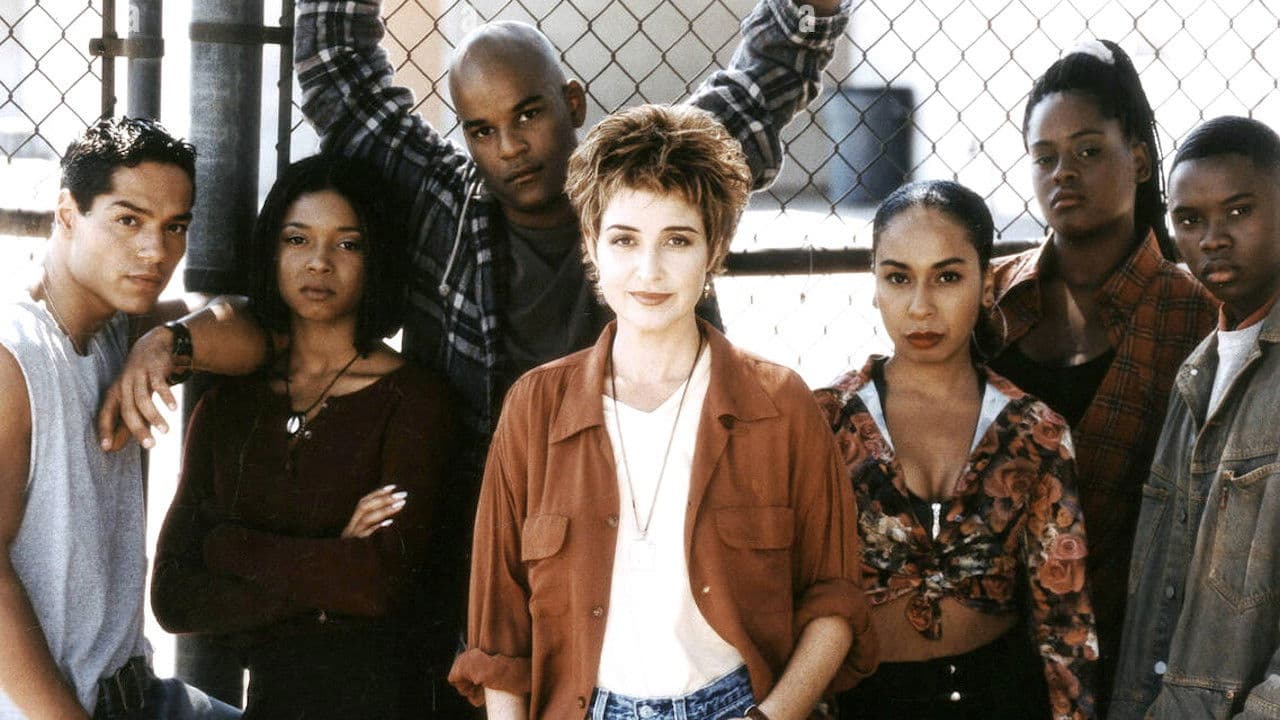
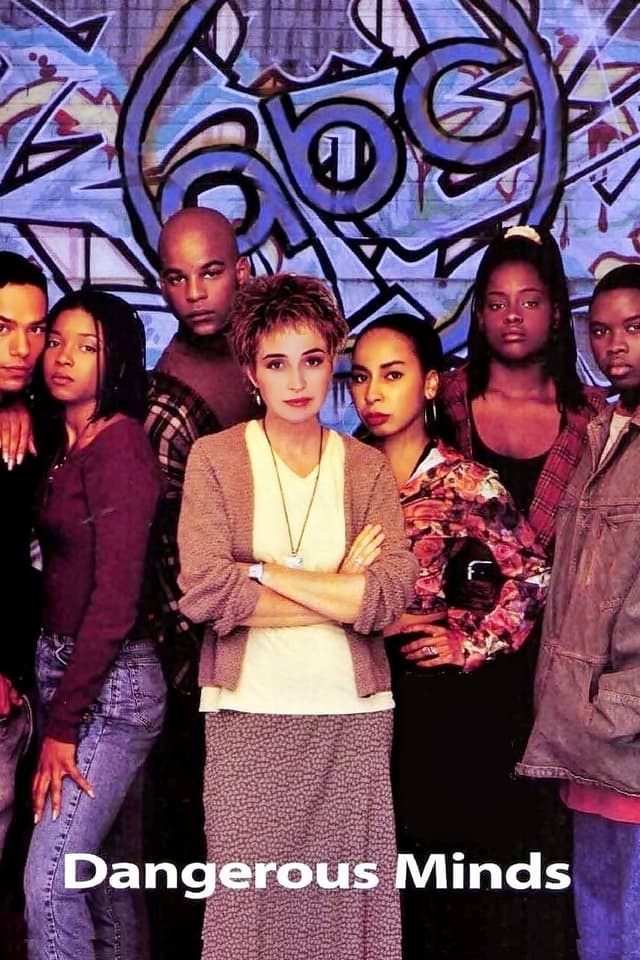
Former Marine LouAnne Johnson lands a teaching job at a Northern California high school where the academic-track Parkmont program places her in a classroom of bright but uncontrollable students from the city's toughest neighborhoods. Combining unconventional discipline with poetry analysis and a candy-bar incentive system, she fights to keep her students engaged and out of the institutional pipeline that everyone around them assumes is inevitable.
What Is the Budget of Dangerous Minds (1995)?
Dangerous Minds, the John N. Smith-directed inspirational-teacher drama based on the LouAnne Johnson memoir My Posse Don't Do Homework, was produced on a reported budget of $23,000,000. Hollywood Pictures, the Disney-owned adult-focused label, financed and distributed the film domestically, with Don Simpson and Jerry Bruckheimer producing as their first project for the Disney umbrella after the partnership exited Paramount.
The budget was modest for a Simpson-Bruckheimer production, the team behind Top Gun ($15,000,000 in 1986) and Bad Boys ($23,000,000 in 1995). Dangerous Minds was deliberately positioned as a smaller, character-driven counter-program to the typical Bruckheimer high-concept action play, with Michelle Pfeiffer as the principal commercial draw and a soundtrack-led marketing strategy anchored by Coolio's "Gangsta's Paradise."
Key Budget Allocation Categories
Dangerous Minds' reported $23,000,000 budget was distributed across several core production areas:
- Above-the-Line Talent: Michelle Pfeiffer, coming off Wolf (1994) and Frankie and Johnny (1991), commanded the largest single line-item at a reported $5,000,000 fee. Pfeiffer also held an executive producer credit. The supporting ensemble of George Dzundza, Courtney B. Vance, Robin Bartlett, and the student cast led by Wade Dominguez worked at scale rates.
- Bay Area Location Shoot: Principal photography took place over twelve weeks in Belmont and San Francisco, with the Carlmont High School and various East Bay locations standing in for the Parkmont High of the screenplay. Bay Area location work added cost relative to a Los Angeles shoot but was non-negotiable given the film's commitment to a specific regional identity.
- Music and Soundtrack: MCA Records paid Hollywood Pictures for soundtrack rights, but the production carried the cost of clearance for original needle drops and the recording of "Gangsta's Paradise," which Coolio wrote and recorded specifically for the film. The Bruckheimer-Simpson team had used a similar soundtrack-anchored marketing strategy on Top Gun and Beverly Hills Cop and replicated the playbook here.
- Production Design: Donald Graham Burt designed the deliberately worn-down classroom and school exteriors, with set dressing chosen to reinforce the contrast between the institutional environment and the personal lives of the students. Burt later won an Oscar for The Curious Case of Benjamin Button.
- Cinematography: Pierre Letarte (The Bay Boy, The Boys of St. Vincent) shot the film in a deliberately desaturated palette to underscore the urban-school setting. Multiple handheld sequences in the classroom added technical complexity to the daily schedule.
- Marketing and Soundtrack Synergy: The Coolio "Gangsta's Paradise" single, released in advance of the film, became the top-selling single of 1995 worldwide and drove substantial cross-marketing value back to the film. The cost of co-producing the song and music video was carried within the production budget.
How Does Dangerous Minds' Budget Compare to Similar Films?
At $23,000,000, Dangerous Minds sat in the mid-range of mid-1990s inspirational-teacher dramas and Michelle Pfeiffer star vehicles:
- Freedom Writers (2007): Budget $21,000,000 | Worldwide $43,924,627. The Hilary Swank adaptation of the same inspirational-teacher template cost roughly the same as Dangerous Minds in nominal dollars and earned less than a quarter of its worldwide gross, illustrating how the soundtrack-anchored marketing strategy that powered Dangerous Minds did not translate to the later film.
- Good Will Hunting (1997): Budget $10,000,000 | Worldwide $225,933,435. The Matt Damon character-study cost less than half of Dangerous Minds and earned almost forty percent more, although it occupied a different demographic position with broader four-quadrant appeal.
- To Sir, with Love (1967): Budget approximately $640,000 | Worldwide approximately $42,000,000. The Sidney Poitier inspirational-teacher template that Dangerous Minds explicitly echoed cost a fraction of the later film in nominal dollars and earned proportionally more, illustrating the durability of the formula across three decades of cinema.
- The Bodyguard (1992): Budget $25,000,000 | Worldwide $411,006,740. The Whitney Houston-anchored romantic thriller cost slightly more than Dangerous Minds and shared the soundtrack-driven marketing model. Both films built their commercial momentum on hit singles and represent peers in the early-1990s music-and-movie crossover playbook.
Dangerous Minds Box Office Performance
Dangerous Minds opened on August 11, 1995 in 1,584 United States theaters, finishing first on its opening weekend with $14,898,000. The film held strongly through August and September against limited family-targeted competition and closed its domestic run with $84,919,401. International performance was strong at approximately $94,000,000, driven by the success of the Coolio single in non-English-language markets, for a worldwide total of $179,519,401.
Against a reported production budget of $23,000,000, the film handily cleared the breakeven threshold. Here is the financial breakdown:
- Production Budget: $23,000,000
- Estimated Prints & Advertising (P&A): approximately $25,000,000 to $30,000,000
- Total Estimated Investment: approximately $48,000,000 to $53,000,000
- Worldwide Gross: $179,519,401
- Net Return: approximately $126,000,000 to $131,000,000 gain
- ROI: approximately 240% to 270% (against total estimated investment)
Dangerous Minds returned approximately $3.50 in worldwide theatrical revenue for every $1 invested, placing it among the most profitable mid-budget Disney releases of 1995. The domestic share of the gross was $84.9 million against an international share of $94.6 million, a relatively even 47/53 split that demonstrated the property's ability to travel beyond the United States, anchored heavily by the global popularity of "Gangsta's Paradise."
The Coolio single sold over five million copies and topped the Billboard Hot 100 for three weeks, generating a marketing tailwind no comparable inspirational-teacher film has replicated. The soundtrack album sold over three million units in the United States alone, further amplifying the theatrical performance and demonstrating the synergy Don Simpson and Jerry Bruckheimer had refined across Top Gun and Beverly Hills Cop.
Dangerous Minds Production History
LouAnne Johnson published her memoir My Posse Don't Do Homework in 1992, drawing on her experience teaching in the Belmont California Academy program that placed teachers with non-traditional backgrounds in classrooms serving high-risk students. Don Simpson and Jerry Bruckheimer acquired film rights in 1993 as their first project for the Disney-owned Hollywood Pictures after their partnership exited Paramount.
Ronny Yu was initially attached to direct but exited the project over creative differences. Canadian filmmaker John N. Smith, who had built his reputation on documentary-inflected dramas including The Boys of St. Vincent, was brought in late in development. Screenwriter Ronald Bass (Rain Man, My Best Friend's Wedding) delivered the shooting draft.
Principal photography took place from January to March 1995 in California, primarily at Carlmont High School in Belmont and various East Bay locations. The production used California state production support and a deliberate San Francisco Bay Area regional identity to anchor the film's sense of place.
Post-production ran through May and June 1995. Coolio recorded "Gangsta's Paradise" in early 1995, sampling Stevie Wonder's "Pastime Paradise" with the songwriter's explicit blessing. The single was released ahead of the film on July 26, 1995, building marketing momentum into the August 11 theatrical opening. Producer Don Simpson died in January 1996, making Dangerous Minds his final completed production.
Awards and Recognition
Dangerous Minds won the MTV Movie Award for Best Movie Song for Coolio's "Gangsta's Paradise" at the 1996 ceremony, with the song also winning the Grammy Award for Best Rap Solo Performance. The single received an additional Grammy nomination for Record of the Year.
The film itself received limited industry awards attention. Michelle Pfeiffer was nominated for the MTV Movie Award for Best Female Performance, and the soundtrack received an American Music Award for Favorite Soundtrack. Dangerous Minds received no Academy Award nominations, an omission that became part of the broader 1995 conversation about Disney's campaigning strategy.
Critical Reception
Dangerous Minds received mixed reviews despite its commercial success. The film holds a 31% approval rating on Rotten Tomatoes based on 36 critic reviews, with a critical consensus that called it "an earnest but predictable entry in the inspirational-teacher subgenre." On Metacritic, the film scored 47 out of 100, indicating mixed or average reviews. Audiences surveyed by CinemaScore gave the film an A-, a notably stronger result than the critical reception suggested.
Critics broadly praised Michelle Pfeiffer's committed performance and the chemistry between her character and the student ensemble but objected to the formulaic structure and what several reviewers identified as a paternalistic framing of the urban-school setting. Roger Ebert gave the film two and a half stars and wrote that the film "operates on a level of feel-good simplicity that earns its emotional moments but never challenges its audience."
The Los Angeles Times' Kenneth Turan called it "a movie that benefits from Pfeiffer's presence more than her presence benefits the movie." The disparity between strong audience reception (A- CinemaScore, $180M worldwide gross) and tepid critical response made Dangerous Minds an early case study in the divergence between professional and popular reception of inspirational-teacher dramas, a pattern that would repeat across Freedom Writers (2007) and The Blind Side (2009).
Frequently Asked Questions
How much did it cost to make Dangerous Minds (1995)?
The reported production budget was $23,000,000. Hollywood Pictures, the Disney-owned adult-focused label, financed and distributed the film, with Don Simpson and Jerry Bruckheimer producing as their first project for the Disney umbrella after their partnership exited Paramount.
How much did Dangerous Minds earn at the box office?
The film grossed $84,919,401 domestically in the United States and approximately $94,600,000 internationally, for a worldwide total of $179,519,401. It opened to $14,898,000 in 1,584 United States theaters on August 11, 1995, finishing first that weekend.
Was Dangerous Minds a true story?
Yes. The film is based on LouAnne Johnson's 1992 memoir My Posse Don't Do Homework, which recounted her experience teaching in the California Academy program that placed teachers with non-traditional backgrounds in classrooms serving high-risk students at Carlmont High School in Belmont, California.
Who directed Dangerous Minds?
John N. Smith directed the film. The Canadian filmmaker had built his reputation on documentary-inflected dramas including The Boys of St. Vincent (1992). He was brought in late in development after Ronny Yu exited the project over creative differences.
How did Gangsta's Paradise relate to Dangerous Minds?
Coolio wrote and recorded "Gangsta's Paradise" specifically for the film, sampling Stevie Wonder's "Pastime Paradise" with the songwriter's explicit blessing. The single, released ahead of the film on July 26, 1995, became the top-selling single of 1995 worldwide, topped the Billboard Hot 100 for three weeks, and drove substantial international marketing value back to the film.
Where was Dangerous Minds filmed?
Principal photography took place from January to March 1995 in California, primarily at Carlmont High School in Belmont and various East Bay locations standing in for the Parkmont High of the screenplay. The film used a deliberate San Francisco Bay Area regional identity to anchor its sense of place.
Who stars in Dangerous Minds?
Michelle Pfeiffer stars as LouAnne Johnson, with George Dzundza as fellow teacher Hal Griffith, Courtney B. Vance as Principal George Grandey, and Robin Bartlett as Ms. Carla Nichols. The student ensemble includes Wade Dominguez as Emilio Ramirez, Bruklin Harris as Callie Roberts, Renoly Santiago as Raul Sanchero, and Marcello Thedford as Cornelius Bates.
How does Dangerous Minds compare to other inspirational-teacher films?
Dangerous Minds cost $23M and grossed $180M worldwide, far outperforming Freedom Writers (2007, $21M budget, $44M worldwide). Compared to To Sir, with Love (1967, ~$640K budget, ~$42M worldwide), the older film returned a higher gross-to-budget ratio in nominal dollars. The soundtrack-driven marketing model also paralleled The Bodyguard (1992, $25M budget, $411M worldwide).
Did Dangerous Minds win any awards?
Coolio's "Gangsta's Paradise" won the MTV Movie Award for Best Movie Song and the Grammy Award for Best Rap Solo Performance, with an additional Grammy nomination for Record of the Year. Michelle Pfeiffer was nominated for the MTV Movie Award for Best Female Performance. The film received no Academy Award nominations.
What did critics think of Dangerous Minds?
The film received mixed reviews despite its commercial success, holding a 31% approval rating on Rotten Tomatoes and a 47 out of 100 score on Metacritic. Audiences gave it an A- CinemaScore. Critics praised Michelle Pfeiffer's performance but objected to the formulaic structure. Roger Ebert gave it two and a half stars.
Filmmakers
Dangerous Minds

Official Trailer
Build your own production budget
Create professional budgets with industry-standard feature film templates. Real-time collaboration, no spreadsheets.