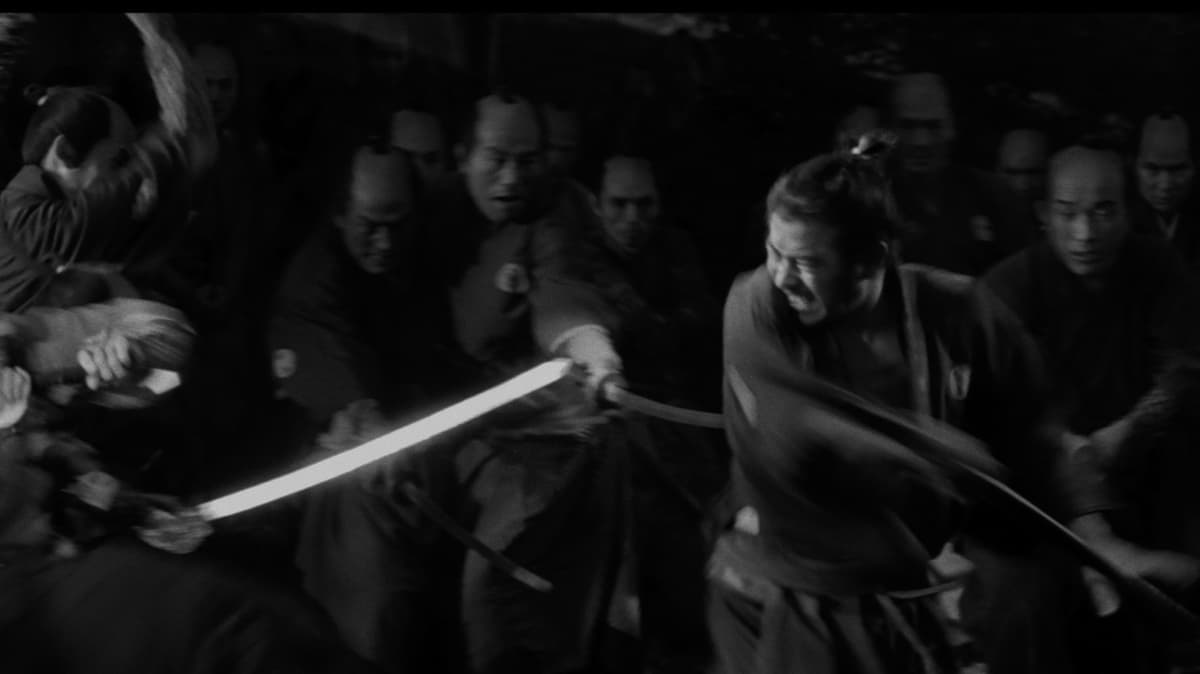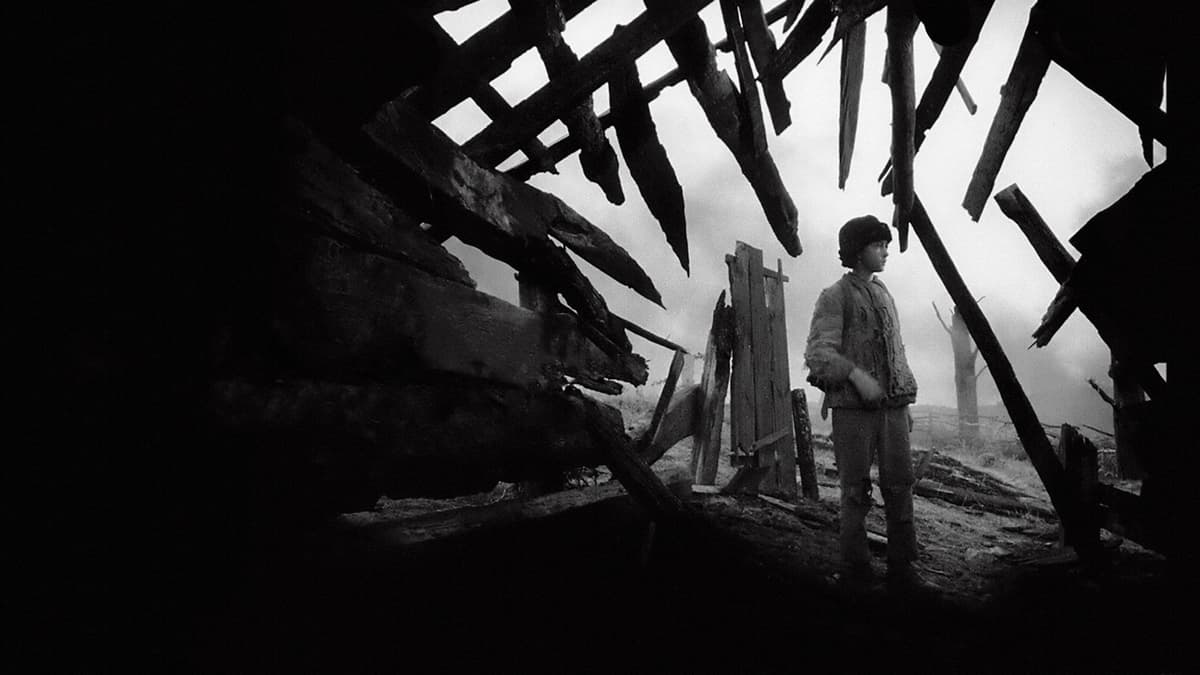
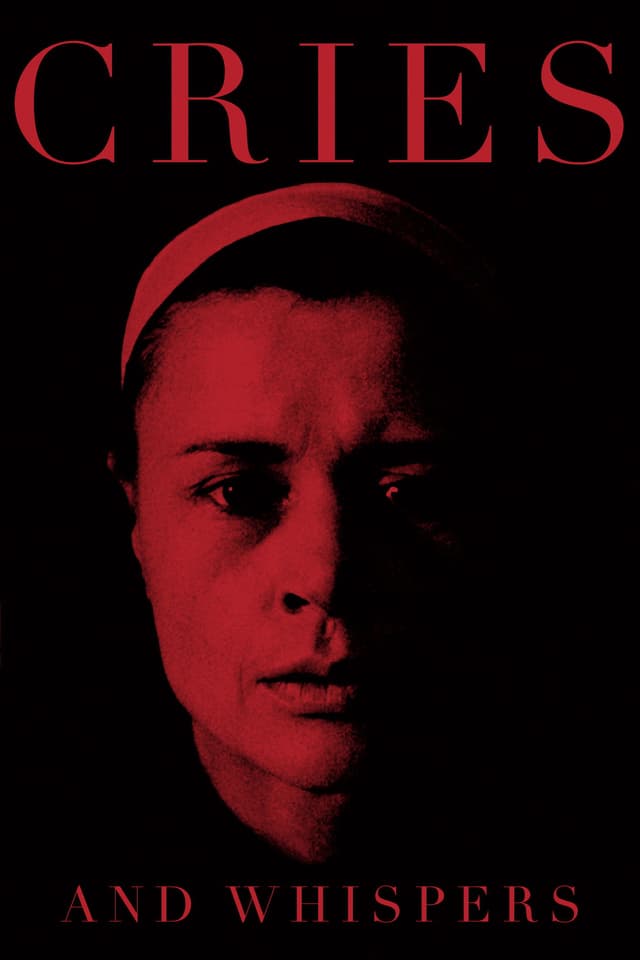
Cries and Whispers Budget
 Drama1h 35m
Updated
Synopsis
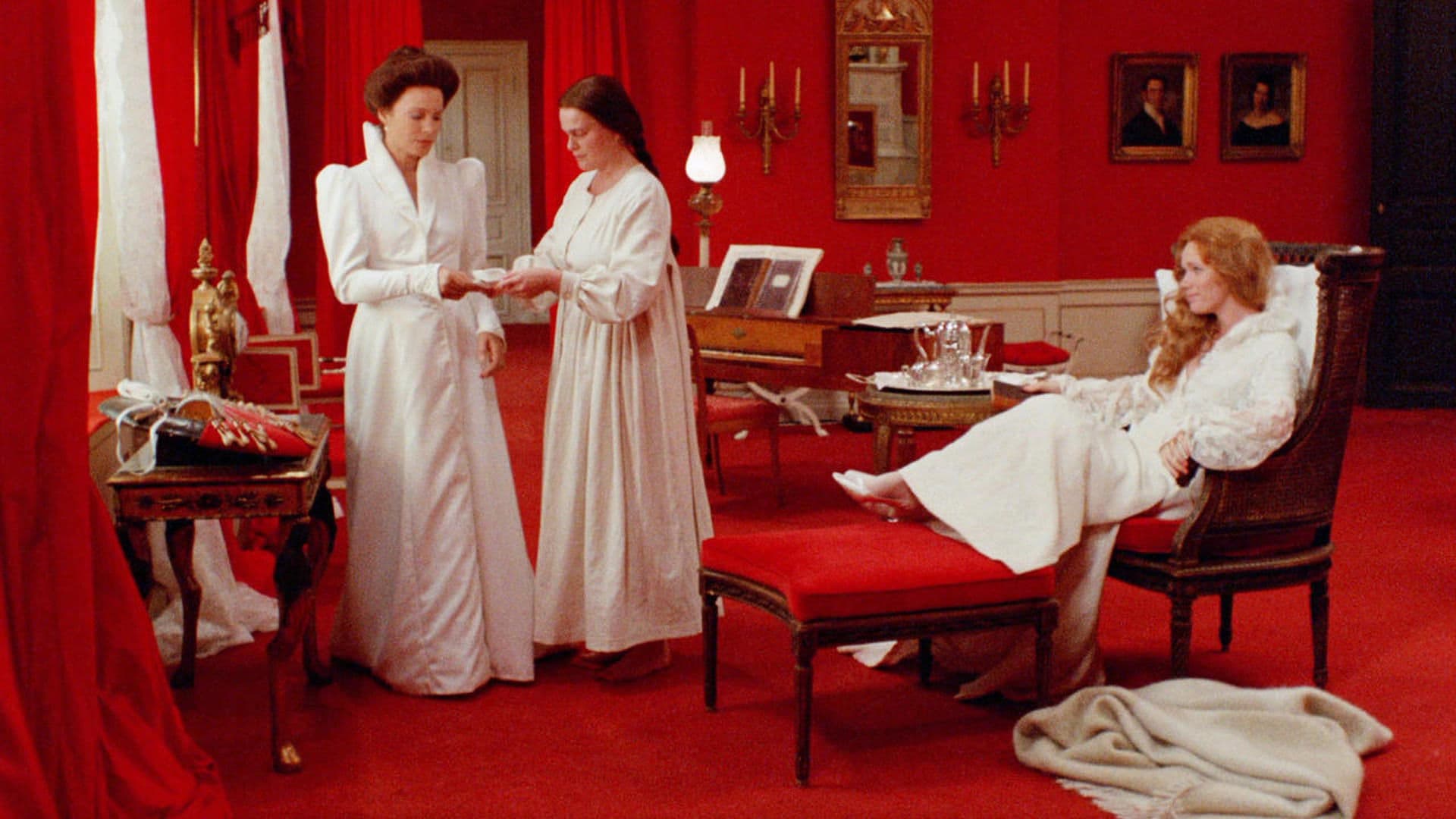
In turn-of-the-century Sweden, cancer-stricken, dying Agnes is visited in her isolated rural mansion by her sisters Karin and Maria. As Agnes' condition deteriorates and pain management becomes increasingly more difficult, fear and revulsion grip the sisters, who seem incapable of empathy, and Agnes' only comfort and solace comes from her maid Anna. As the end draws closer, long repressed feelings of grudging resentment and mistrust cause jealousy, selfishness, and bitterness between the siblings to surface.
What is the budget of Cries and Whispers?
"Cries and Whispers," a drama released in 1972, was directed by Ingmar Bergman and stars Liv Ullmann, Ingrid Thulin. The production budget was $400,000, placing it in the micro-budget range for drama productions of the 1970s.
Key Budget Allocation Categories
While specific budget breakdowns are not publicly available, typical cost drivers for a drama production like this include:
- Above-the-Line Talent: Drama films live or die on the strength of their performances.
- Location Filming & Period Production Design: Authentic locations , whether contemporary or historical , require scouting, permits, travel, lodging, and often significant dressing to match the story's time period.
- Post-Production, Color Grading & Score: The editorial process for dramas is typically longer than genre films, with careful attention to pacing and tone.
- Casting: ! Actor ! Role
What were the major cost factors in Cries and Whispers?
Several factors contributed to the overall production costs of "Cries and Whispers."
- Above-the-Line Talent: Above-the-Line Talent is one of the primary cost drivers in drama productions of this scale.
- Location Filming: Location Filming & Period Production Design is one of the primary cost drivers in drama productions of this scale.
- Post-Production: Post-Production, Color Grading & Score is one of the primary cost drivers in drama productions of this scale.
How Does Cries and Whispers's Budget Compare to Similar Films?
At $400,000, Cries and Whispers sits in the micro-budget range. Here is how it compares to productions with a similar budget:
- Monty Python and the Holy Grail (1975): Budget $400,000, Worldwide Gross $5,763,644
- Napoleon Dynamite (2004): Budget $400,000, Worldwide Gross $46,118,097
- 12 Angry Men (1957): Budget $397,751, Worldwide Gross $4,360,000
- Threads (1985): Budget $420,000
- A Matter of Life and Death (1946): Budget $450,000, Worldwide Gross $1,750,000
The median budget for wide-release drama films in the era ranges from $30 to 80M for mid-budget to $150M+ for tentpoles.
Cries and Whispers Production History
! Actor ! Role When Bergman wrote the screenplay, he intended from the start to cast Liv Ullmann and Ingrid Thulin. He explained his choice of Harriet Andersson for Agnes: "I would very much like to have Harriet, too, since she belongs to this breed of enigmatic women". Ullmann described receiving a 50-page "personal letter" from Bergman describing the story which began, "Dear Friends: We're now going to make a film together.
Principal photography took place from 9 September to 30 October 1971. Nykvist used Eastmancolor film, which reduced graininess and would be the most sensitive to colours. The final, outdoor swing scene was shot early in production so the filmmakers could have sunlight before the darker season set in.
Awards and Recognition
Won 1 Oscar. 22 wins & 12 nominations total
- Academy Award for Best Cinematography: Sven Nykvist (46th Academy Awards)
Frequently Asked Questions
How much did it cost to make Cries and Whispers (1972)?
The production budget was $400,000, covering principal photography, cast and crew salaries, locations, sets, post-production, and music. Marketing and distribution (P&A) costs are estimated at an additional $200,000 - $320,000, bringing the total studio investment to approximately $600,000 - $720,000.
How much did Cries and Whispers (1972) earn at the box office?
Box office figures are not publicly available.
Was Cries and Whispers (1972) profitable?
Insufficient data for a profitability assessment.
What were the biggest costs in producing Cries and Whispers?
The primary cost drivers were above-the-line talent (Liv Ullmann, Ingrid Thulin, Kari Sylwan); talent compensation, authentic period production design, and meticulous post-production.
How does Cries and Whispers's budget compare to similar drama films?
At $400,000, Cries and Whispers is classified as a ultra-low-budget production. The median budget for wide-release drama films in the era ranges from $30 - 80M for mid-budget to $150M+ for tentpoles. Comparable budgets: Monty Python and the Holy Grail (1975, $400,000); Napoleon Dynamite (2004, $400,000); 12 Angry Men (1957, $397,751).
Did Cries and Whispers (1972) go over budget?
There are no widely reported accounts of significant budget overruns for this production. However, studios rarely disclose precise budget overrun figures publicly. The reported production budget reflects the final estimated cost.
What awards did Cries and Whispers (1972) win?
Won 1 Oscar. 22 wins & 12 nominations total.
Who directed Cries and Whispers and who were the key crew members?
Directed by Ingmar Bergman, written by Ingmar Bergman, shot by Sven Nykvist, edited by Siv Lundgren.
Where was Cries and Whispers filmed?
Cries and Whispers was filmed in Sweden. Principal photography took place from 9 September to 30 October 1971. Nykvist used Eastmancolor film, which reduced graininess and would be the most sensitive to colours.
Filmmakers
Cries and Whispers

Official Trailer
Build budgets like this one in Saturation
Start from an industry-standard feature film template, import the schedule and rates you already have, and let the cost report keep itself current as you spend. Real-time collaboration, no spreadsheets.