Clifford the Big Red Dog Budget
Updated
Synopsis
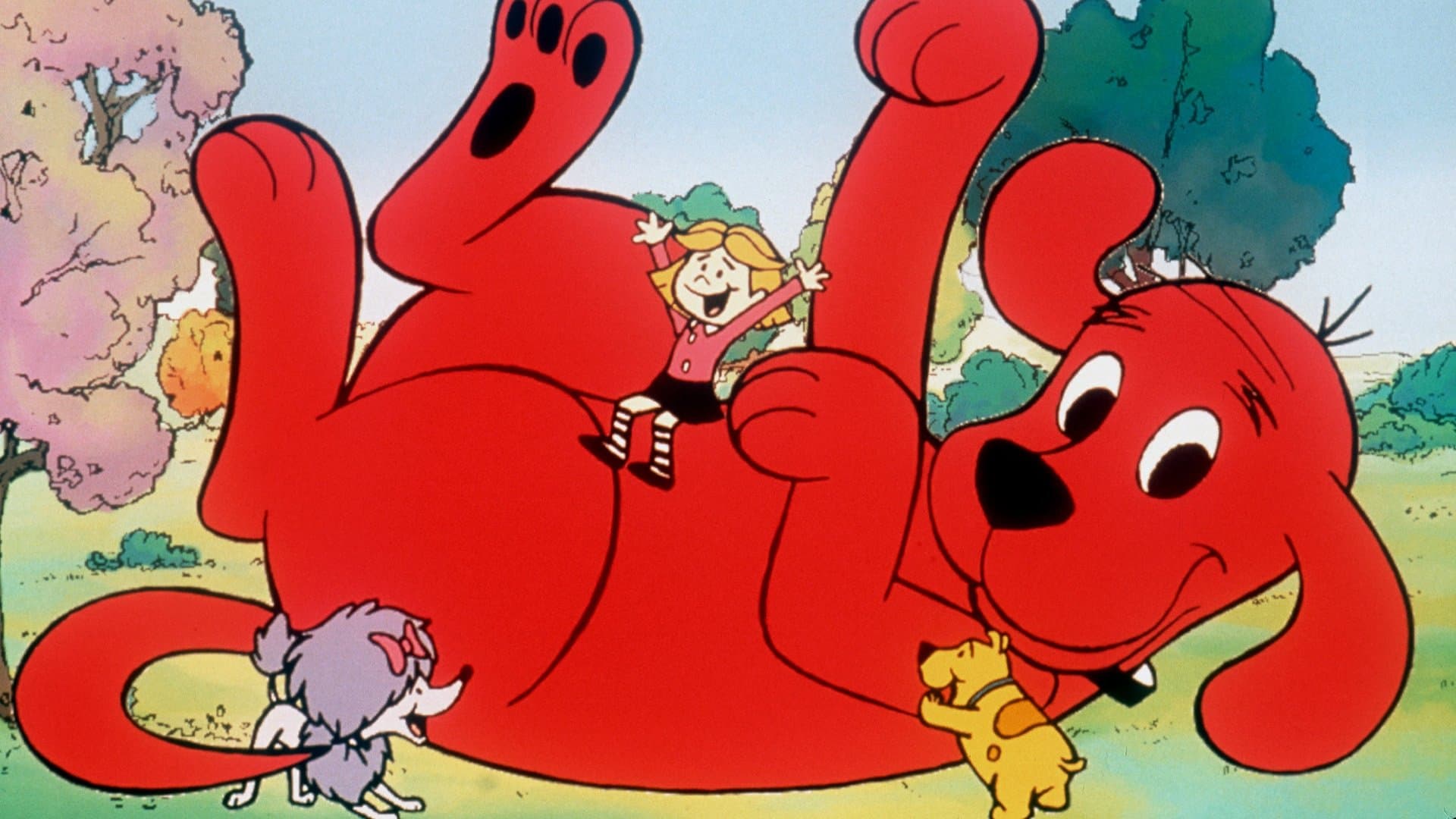
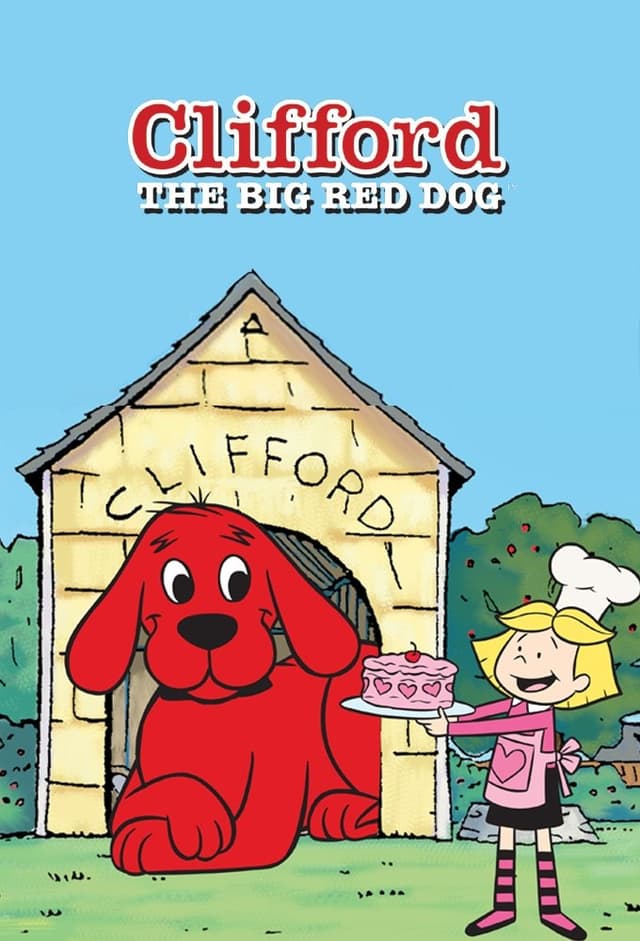
Clifford the Big Red Dog (2000) is the PBS Kids animated television series produced by Scholastic Entertainment, following the adventures of a larger-than-life red dog named Clifford (voiced by John Ritter) and his young owner Emily Elizabeth on Birdwell Island. Adapted from Norman Bridwell's long-running 1963 book series, the show ran for 65 episodes across two seasons from September 2000 to February 2003 and anchored PBS Kids's morning preschool programming block.
What Is the Budget of Clifford the Big Red Dog (2000)?
Clifford the Big Red Dog (2000), the PBS Kids animated television series produced by Scholastic Entertainment and Scholastic Productions, was made on an estimated per-episode budget of approximately $300,000 to $500,000 in 2000 to 2003 US dollar terms across its two-season run. Specific PBS Kids budgets are not publicly disclosed, but the figures align with the standard premium PBS Kids preschool-targeted animated commissioning tariff for the early 2000s. Across 65 broadcast episodes between September 2000 and February 2003, the cumulative production spend is estimated at approximately $20,000,000 to $32,500,000 in period dollars.
The investment reflected PBS Kids's established premium-preschool animation positioning, which had anchored the public-broadcasting children's programming slate since the early 1990s. Scholastic Entertainment had previously produced The Magic School Bus (1994 to 1997) for PBS Kids, providing direct precedent for the Clifford preschool-animation pipeline. The PBS Kids underwriter sponsorship framework underwrote the production through corporate sponsors including PNC Bank, Chick-fil-A, and various educational-foundation grants tied to the network's established literacy-oriented preschool programming mission.
Key Budget Allocation Categories
Clifford's estimated $300,000 to $500,000 per-episode budget broke down across the cost centres typical of premium PBS Kids preschool animation production:
- Voice Cast: John Ritter, the established sitcom and television star (Three's Company, 8 Simple Rules), voiced Clifford and anchored the principal voice cast across the run. Grey DeLisle voiced Emily Elizabeth, with Cree Summer (Cleo), Kel Mitchell (T-Bone), Tom Kenny (additional voices), Robert Costanzo (Mr. Bleakman), and Cam Clarke (Charley) filling out the supporting voice ensemble. Ritter's death in September 2003 followed the conclusion of the second season and affected the franchise's subsequent direction.
- Traditional 2D Animation Production: Big Red Dog Productions Limited and Scholastic Entertainment's animation pipeline used a traditional 2D cel-animation framework consistent with PBS Kids preschool-animation conventions of the early 2000s. The traditional 2D approach absorbed substantial per-episode labor, with animation production handled through Big Red Dog Productions and outsourced overseas animation studios consistent with US preschool-animation production economics of the period.
- Source Property Licensing: Scholastic's pre-existing Norman Bridwell Clifford the Big Red Dog book-series property (first published in 1963 with continuing book sequels across the subsequent decades) anchored the source-property licensing framework. The internal Scholastic Entertainment commissioning structure absorbed the source-property rights cost within the broader Scholastic corporate framework.
- Educational Curriculum Integration: PBS Kids preschool-programming commissioning required substantial educational-curriculum integration, with each episode anchored in a "Big Idea" social-emotional learning theme drawn from the broader PBS Ready to Learn early-literacy and social-emotional learning framework. The educational-consulting line item absorbed a meaningful share of per-episode pre-production cost, with consulting from preschool-development specialists supporting the curriculum-aligned narrative structure.
- Original Music and Theme Song: The recurring Clifford theme song and original orchestral score anchored the brand identity across the run. The music budget covered original composition, full-orchestra recording, and the recurring opening- and closing-sequence theme that became one of the show's defining brand elements across the broader PBS Kids preschool-programming landscape of the early 2000s.
- PBS Kids Network Compliance and Brand Integration: PBS Kids brand identity, Educational Television compliance review, and the Corporation for Public Broadcasting's Ready to Learn programming framework imposed standard PBS-tier compliance and brand-integration costs on the production. The PBS Kids underwriter sponsorship framework imposed additional brand-integration requirements consistent with the network's established preschool-programming sponsorship model.
How Does Clifford the Big Red Dog's Budget Compare to Similar Series?
At an estimated $300,000 to $500,000 per episode, Clifford sat in the standard premium PBS Kids preschool-animation budget tier of the early 2000s. The comparison set illustrates how its production scale stacked up against contemporaneous preschool-animation production:
- The Magic School Bus (1994): Estimated per-episode budget approximately $300,000 to $400,000. Scholastic Entertainment's previous PBS Kids preschool-animation flagship, contemporaneous with Clifford's pre-production window, cost in the same band and provided the direct precedent for the Clifford preschool-animation production framework.
- Arthur (1996): Estimated per-episode budget approximately $400,000 to $500,000. WGBH and Cookie Jar Entertainment's PBS Kids preschool-animation flagship cost in the upper band of the Clifford budget range and ran for over 250 episodes across multiple decades, providing the longest-running PBS Kids preschool-animation peer benchmark.
- Dragon Tales (1999): Estimated per-episode budget approximately $400,000 to $600,000. Sony Pictures Television's PBS Kids preschool-animation series cost in the upper band of the Clifford budget range and ran for 94 episodes, providing the contemporaneous early-2000s PBS Kids preschool-animation peer benchmark.
- Caillou (1997): Estimated per-episode budget approximately $300,000 to $400,000. Cookie Jar Entertainment's PBS Kids preschool-animation series cost in the lower band of the Clifford budget range and ran for over 250 episodes, providing another long-running preschool-animation peer benchmark.
- Bob the Builder (1998): Estimated per-episode budget approximately $400,000 to $600,000. The HIT Entertainment UK stop-motion preschool-animation series, contemporaneous with Clifford, cost in the upper band of the Clifford budget range and represented the contemporaneous stop-motion preschool-animation production alternative to traditional 2D cel animation.
Clifford the Big Red Dog Season Performance and Syndication
Clifford premiered on PBS Kids on September 4, 2000, to strong opening figures and consistent preschool-audience reception across its two-season run. The show was a critical and audience hit across both seasons, anchoring PBS Kids's morning preschool programming block and earning multiple Daytime Emmy Awards across the run. The economic framework across the run breaks down as follows:
- Per-Episode Budget: approximately $300,000 to $500,000 across the two-season run
- Total Series Investment: approximately $20,000,000 to $32,500,000 across 65 episodes
- Network: PBS Kids in the United States; international distribution through Scholastic Entertainment to over 40 territories
- Audience/Ratings: PBS Kids preschool-block audience averaged approximately 2,000,000 to 4,000,000 weekly preschool viewers across the run, consistent with PBS Kids preschool-programming performance
- International Distribution: Scholastic Entertainment sold the series to over 40 territories, with strong UK, Canadian, and Australian preschool-broadcaster placements
- Library/Syndication Value: PBS Kids has continued to broadcast Clifford in recurring rotation, with DVD releases, Scholastic educational catalog placements, and subsequent Amazon Prime Video streaming availability supporting the long-term recoupment
Clifford's commercial logic was PBS Kids-typical for a premium preschool-animation property: a PBS Kids underwriter sponsorship framework that covered most production cost on initial broadcast, with international distribution, Scholastic educational-catalog value, and merchandise licensing compounding the recoupment. The show's 65-episode two-season run was followed by the Clifford's Puppy Days (2003) spin-off series, the Clifford's Really Big Movie (2004) theatrical feature, the Clifford the Big Red Dog (2019 reboot) Amazon Prime Video reboot, and the Clifford the Big Red Dog (2021) live-action Paramount Pictures theatrical feature.
The franchise extension has anchored the cumulative Clifford commercial framework across the subsequent two decades, with the original 2000 PBS Kids series serving as the foundational televisual property that supported the broader franchise expansion. The Norman Bridwell book-series source property continues to anchor Scholastic's preschool educational catalog, with the 2000 PBS Kids series providing the principal televisual brand identity across the franchise framework.
Clifford the Big Red Dog Production History
Clifford the Big Red Dog (2000) was developed by Scholastic Entertainment and Scholastic Productions for PBS Kids, drawing on the Norman Bridwell book-series source property that Scholastic had published since 1963. Bridwell's book series had been a continuing Scholastic preschool catalog mainstay across the late 20th century, providing the established brand identity and emotional-narrative framework on which the PBS Kids televisual adaptation was built.
Scholastic Entertainment's Deborah Forte, who had executive-produced The Magic School Bus (1994 to 1997) for PBS Kids, anchored the executive-production team for Clifford. The PBS Kids commissioning structure required substantial educational-curriculum integration, with each episode anchored in a "Big Idea" social-emotional learning theme drawn from the broader PBS Ready to Learn early-literacy and social-emotional learning framework. The educational-consulting framework supported the curriculum-aligned narrative structure across both seasons.
Casting John Ritter as Clifford in early 2000 brought an established sitcom and television star into the principal voice cast. Ritter's warm vocal presence anchored the title character across the run, with Grey DeLisle as Emily Elizabeth and a supporting voice ensemble of Cree Summer, Kel Mitchell, Tom Kenny, Robert Costanzo, and Cam Clarke filling out the recurring Birdwell Island character framework. Ritter's death in September 2003 followed the conclusion of the second season and affected the franchise's subsequent direction.
Animation production proceeded through Big Red Dog Productions Limited and outsourced overseas animation studios consistent with US preschool-animation production economics of the early 2000s. The traditional 2D cel-animation framework consistent with PBS Kids preschool-animation conventions absorbed substantial per-episode labor across the two-season production. Music and theme-song production proceeded through Scholastic Entertainment's in-house music pipeline, with the recurring Clifford theme song anchoring the brand identity across both seasons.
The second season concluded in February 2003, with the Clifford's Puppy Days (2003) spin-off series following immediately afterward and the Clifford's Really Big Movie (2004) theatrical feature anchoring the franchise extension. The subsequent Clifford the Big Red Dog (2019) Amazon Prime Video reboot and the Clifford the Big Red Dog (2021) live-action Paramount Pictures theatrical feature have continued the franchise across the subsequent two decades.
Awards and Recognition
Clifford the Big Red Dog won multiple Daytime Emmy Awards across its two-season run, including Outstanding Special Class Animated Program in 2002 and 2003. The Daytime Emmy recognition reflected PBS Kids preschool-programming industry standing across the early 2000s, with Clifford competing alongside Arthur, Sesame Street, Mister Rogers' Neighborhood, and the broader PBS Kids preschool-programming slate for the major preschool-animation craft and program-level honors.
The Television Critics Association recognized Clifford in its 2001 Outstanding Achievement in Children's Programming category, with continuing TCA recognition across the run. The Parents' Choice Awards consistently recognized the series in its early-childhood programming categories. The National Education Association and various state-level educational-television associations endorsed the series within the broader Ready to Learn framework that PBS Kids preschool programming served.
Retrospective recognition has continued through subsequent decades. Various PBS Kids preschool-programming retrospective documentation, Scholastic Entertainment corporate communications, and animation-history publications have consistently placed Clifford alongside Arthur, The Magic School Bus, and Sesame Street in the top tier of late-1990s and early-2000s PBS Kids preschool programming. John Ritter's posthumous recognition has continued to anchor the franchise across the subsequent two decades, with multiple Ritter retrospective publications citing his Clifford voice work as one of his defining late-career credits.
Critical Reception
Clifford the Big Red Dog received uniformly positive critical coverage across its two-season run. Television-criticism columns in major US newspapers including The New York Times, Los Angeles Times, and Washington Post praised the series's warm tone, John Ritter's vocal lead performance, the Norman Bridwell source-material adaptation, and the integration of social-emotional learning themes across the narrative framework. The New York Times's 2000 review called the series "a warm, well-judged preschool animation that honors the source material while adding meaningful social-emotional learning content."
Parents' Choice Foundation and Common Sense Media (which launched in 2003 toward the end of the original Clifford run) consistently endorsed the series in their early-childhood-programming recommendations. The broader preschool-television criticism community placed Clifford alongside Arthur, The Magic School Bus, and Sesame Street as one of the defining premium PBS Kids preschool-programming properties of the late 1990s and early 2000s, with the show's warm tone, source-material fidelity, and educational-curriculum integration anchoring the consistent positive critical conversation.
Retrospective critical reappraisal has been overwhelmingly favorable. Multiple "best of PBS Kids" and "best preschool animation" retrospective lists across the subsequent decades have included Clifford in their top tier, with the John Ritter voice performance and the Norman Bridwell source-property adaptation consistently anchoring the retrospective critical appreciation. The 2003 conclusion of the original series and Ritter's death later that same year established the show's emotional resonance as a touchstone of early-2000s preschool-television programming.
Frequently Asked Questions
How much did each episode of Clifford the Big Red Dog (2000) cost to produce?
Estimated per-episode budgets ranged from approximately $300,000 to $500,000 across the two-season run from 2000 to 2003. Specific PBS Kids budgets are not publicly disclosed, but the figures align with the standard premium PBS Kids preschool-targeted animated commissioning tariff for the early 2000s. Scholastic Entertainment produced the series for PBS Kids, with the PBS Kids underwriter sponsorship framework covering most production cost.
How many episodes of Clifford the Big Red Dog (2000) were made?
Clifford the Big Red Dog ran for two seasons spanning 65 broadcast episodes on PBS Kids. The series premiered on September 4, 2000, and concluded in February 2003. The two-season run was followed by the Clifford's Puppy Days (2003) spin-off series and the Clifford's Really Big Movie (2004) theatrical feature.
Who voiced Clifford in the 2000 PBS Kids series?
John Ritter voiced Clifford across the entire two-season run. Ritter was an established sitcom and television star known for Three's Company (1977 to 1984) and 8 Simple Rules (2002 to 2005). His warm vocal presence anchored the title character across the run. Ritter's death in September 2003 followed the conclusion of the second season and affected the franchise's subsequent direction.
Is Clifford the Big Red Dog based on a book?
Yes. Scholastic published Norman Bridwell's Clifford the Big Red Dog book series starting in 1963, with continuing book sequels across the subsequent decades. Bridwell's book series had been a continuing Scholastic preschool catalog mainstay across the late 20th century, providing the established brand identity and emotional-narrative framework on which the 2000 PBS Kids televisual adaptation was built.
Who produced the Clifford the Big Red Dog series?
Scholastic Entertainment and Scholastic Productions produced the series for PBS Kids, with Deborah Forte serving as executive producer. Forte had previously executive-produced The Magic School Bus (1994 to 1997) for PBS Kids, providing direct precedent for the Clifford preschool-animation pipeline. Animation production proceeded through Big Red Dog Productions Limited and outsourced overseas animation studios.
How does the original Clifford series compare to the 2021 live-action film?
The original Clifford the Big Red Dog (2000) PBS Kids animated series ran for 65 episodes across two seasons on a per-episode budget of $300,000 to $500,000. The Clifford the Big Red Dog (2021) live-action Paramount Pictures theatrical feature cost approximately $64,000,000 and grossed $84,800,000 worldwide. The two productions represent the same Norman Bridwell source property across different production formats and decades.
Did Clifford the Big Red Dog win any awards?
Yes. The series won multiple Daytime Emmy Awards across its two-season run, including Outstanding Special Class Animated Program in 2002 and 2003. The Television Critics Association recognized Clifford in its 2001 Outstanding Achievement in Children's Programming category, with continuing TCA recognition across the run. The Parents' Choice Awards consistently recognized the series in its early-childhood programming categories.
Where can I watch Clifford the Big Red Dog (2000)?
PBS Kids has continued to broadcast Clifford in recurring rotation, with DVD releases, Scholastic educational catalog placements, and subsequent Amazon Prime Video streaming availability supporting the long-term distribution. The 2019 Amazon Prime Video reboot exists alongside the 2000 original PBS Kids series on Amazon's streaming platform.
How does Clifford compare to Arthur and The Magic School Bus?
At an estimated $300,000 to $500,000 per episode, Clifford sat in the standard premium PBS Kids preschool-animation budget tier. Arthur (1996) cost approximately $400,000 to $500,000 per episode and ran for over 250 episodes. The Magic School Bus (1994), Scholastic Entertainment's previous PBS Kids preschool-animation flagship, cost approximately $300,000 to $400,000 per episode and ran for 52 episodes.
What did critics think of Clifford the Big Red Dog (2000)?
The series received uniformly positive critical coverage across its two-season run. The New York Times called the series a warm, well-judged preschool animation that honors the source material while adding meaningful social-emotional learning content. The Parents' Choice Foundation and Common Sense Media consistently endorsed the series in their early-childhood-programming recommendations. Retrospective critical reappraisal has been overwhelmingly favorable, with multiple best of PBS Kids and best preschool animation retrospective lists including Clifford in their top tier.
Filmmakers
Clifford the Big Red Dog

Official Trailer
Build budgets like this one in Saturation
Start from an industry-standard feature film template, import the schedule and rates you already have, and let the cost report keep itself current as you spend. Real-time collaboration, no spreadsheets.