Catfish Budget
 Documentary87 minutes
Updated
Synopsis
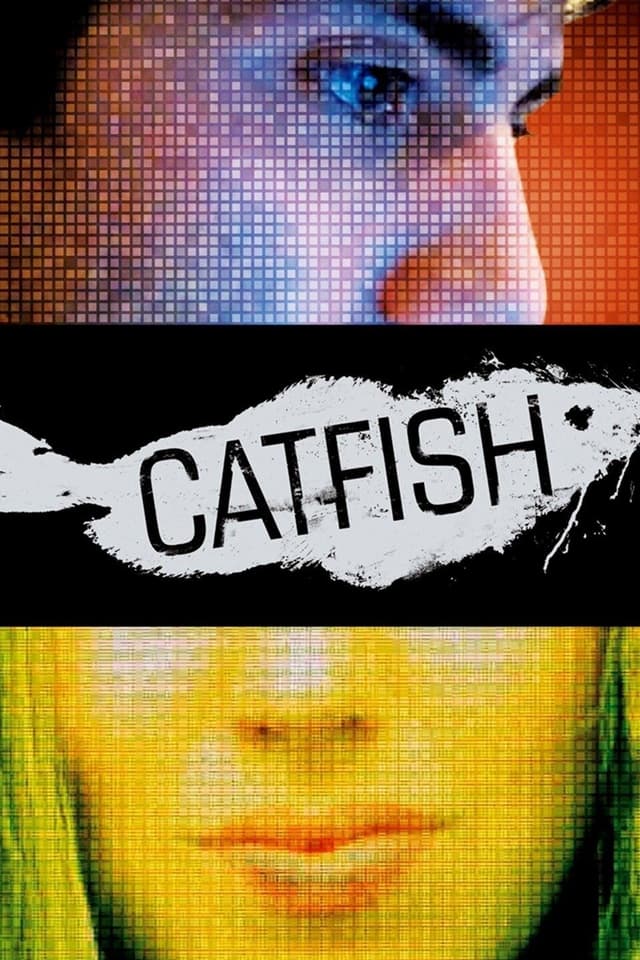
In late 2007, filmmakers Ariel Schulman and Henry Joost sensed a story unfolding as they began to film the life of Ariel's brother, Nev. They had no idea that their project would lead to the most exhilarating and unsettling months of their lives. A reality thriller that is a shocking product of our times, Catfish is a riveting story of love, deception and grace within a labyrinth of online intrigue.
What Is the Budget of Catfish?
Catfish was produced on a budget of approximately $30,000, making it one of the most cost-effective theatrical documentaries of its era. The film was directed by Henry Joost and Ariel Schulman and documents the experience of Ariel's brother Nev Schulman, a New York photographer who develops a Facebook friendship with a Michigan family, including an 8-year-old girl named Abby who sends him paintings of his photographs, and eventually with Abby's older half-sister Megan. When inconsistencies in the family's story begin to accumulate, Nev and his brother Ariel drive to Michigan to find out the truth.
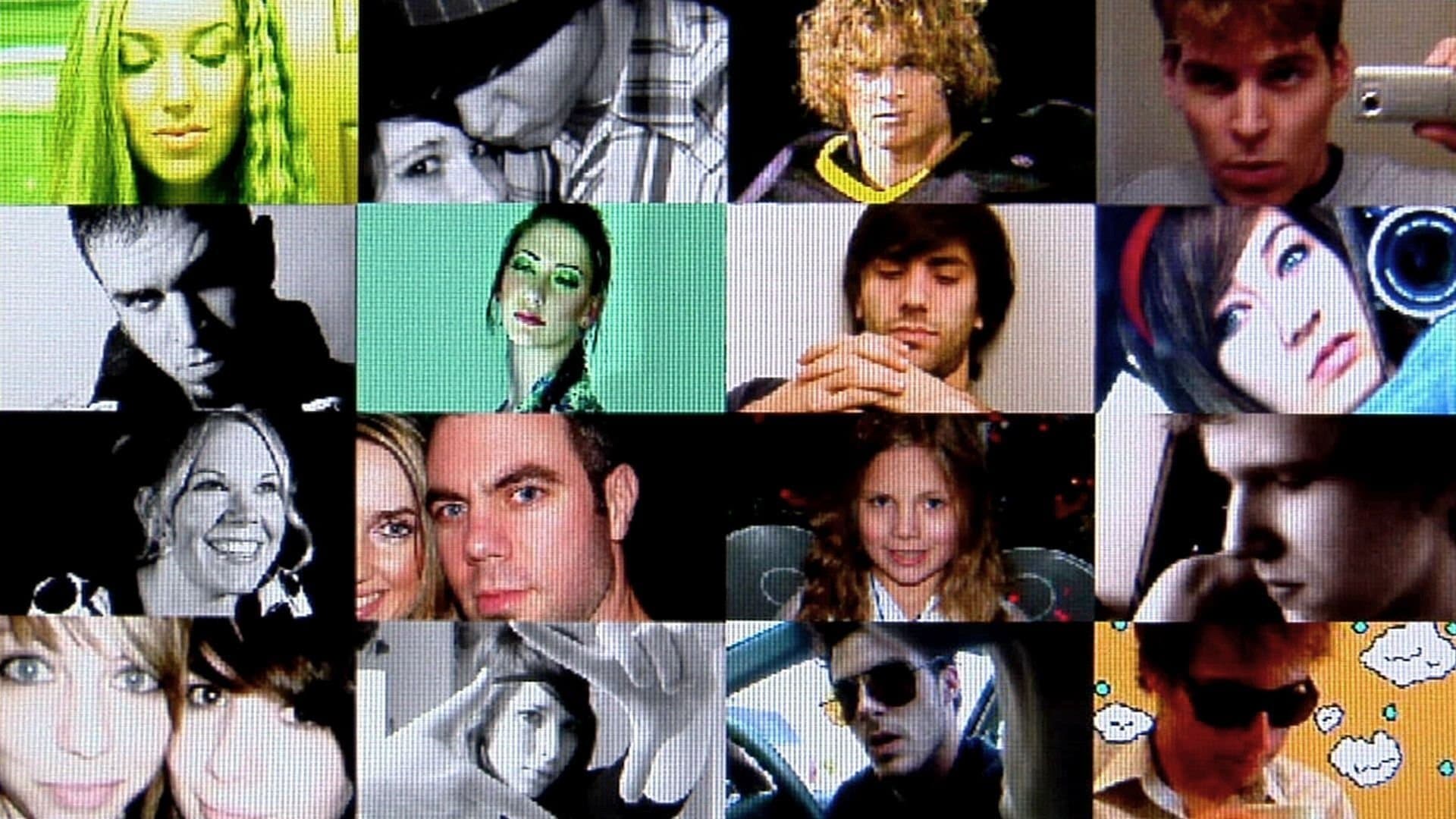
The $30,000 budget covered camera equipment, travel from New York to Michigan, and basic post-production. The film was shot on standard HD consumer cameras and built around the production infrastructure that Ariel Schulman and Henry Joost already had in place as working filmmakers in New York. The Facebook messages, phone calls, and Google Maps searches that document Nev's online relationship with the Michigan family are captured directly from the screen rather than recreated, giving the film its found-footage aesthetic. The film premiered at Sundance in January 2010 and was acquired by Rogue Pictures for $750,000, a 25:1 return on the production investment before theatrical release began.
Key Budget Allocation Categories
- Consumer Camera Equipment and Screen Capture: The film was shot primarily on prosumer HD video cameras available to working documentary filmmakers in 2009. The Facebook interfaces, Google Maps sequences, and phone call recordings that document the relationship between Nev and the Michigan family were captured directly from computer and phone screens rather than reconstructed in post-production. This approach, which gave the film its internet-native visual language, also eliminated the cost of recreating or dramatizing the online relationship.
- New York to Michigan Road Trip Production: The film's climactic act is a road trip from New York to the small Michigan town where the family lives, filmed in real time as Nev, Ariel, and Joost drive through the night toward a destination they approach with increasing uncertainty about what they will find. The road trip was filmed with cameras that Ariel and Joost operated while traveling with Nev, requiring no crew beyond the three men in the car and no location infrastructure beyond the travel costs themselves.
- Directors Henry Joost and Ariel Schulman: Joost and Schulman are credited as co-directors, with Joost handling camera and Schulman as Nev's brother and the film's instigating presence. Joost would go on to direct Paranormal Activity 3 (2011) and Paranormal Activity 4 (2012) for Paramount, and later Nerve (2016) and Viral (2016). Schulman would become the host of the MTV series Catfish: The TV Show, which premiered in 2012 and ran for many seasons using the film's premise of investigating suspicious online relationships.
- Sundance Acquisition by Rogue Pictures: The film premiered at Sundance on January 21, 2010, where it generated significant audience and press reaction. Rogue Pictures, the specialty label of Universal Pictures, acquired the film for approximately $750,000 for US distribution rights. The acquisition price represented a 25:1 multiple on the production cost, illustrating the commercial potential that Sundance platform provides for films with strong story and low production investment.
- Controversy Management and Press Strategy: From the time of its Sundance premiere, Catfish was surrounded by questions about whether the film was genuine or staged. Critics and journalists questioned whether Nev's Facebook relationship and the Michigan family's deception could have been authentic or whether the film was a scripted mockumentary. Rogue Pictures and the filmmakers maintained the film was genuine while refusing to reveal details that would confirm or deny specific aspects of the story. Managing this controversy, which generated significantly more press than the film would otherwise have received, required coordinated communications strategy.
How Does Catfish's Budget Compare to Similar Films?
Catfish's $30,000 budget places it among the lowest-budget Sundance acquisitions ever to receive wide theatrical distribution. Its commercial performance of $3.2 million domestically represents a more than 100:1 return on production investment before accounting for Rogue Pictures' acquisition fee and P&A.
- Paranormal Activity (2007): Budget ~$15K | Worldwide $193.4M. Oren Peli's found-footage horror film, shot in his own house for $15,000 and acquired by Paramount for $350,000 after a Slamdance premiere, became one of the most profitable films in history relative to production cost. Catfish's similar ultra-low-budget aesthetic and Sundance acquisition trajectory placed it in the same cultural moment as found-footage micro-budget filmmaking, though Catfish's documentary form limited its commercial ceiling relative to Paranormal Activity's horror genre mass audience.
- The Blair Witch Project (1999): Budget ~$60K | Worldwide $248.6M. The found-footage horror film that defined the ultra-low-budget theatrical success model was shot for twice what Catfish cost and grossed more than 75 times its domestic performance. The Blair Witch comparison illustrates both the commercial potential of the found-footage documentary aesthetic and the vast difference between horror and documentary as theatrical genres for this type of content.
- I Think We're Alone Now (2008): Budget ~$30K | Limited theatrical. Sean Donnelly's documentary about two obsessive fans of pop singer Tiffany, shot for approximately the same cost as Catfish, found a much smaller theatrical audience through limited distribution. Catfish's Sundance acquisition gave it the distribution infrastructure that most $30,000 documentaries never achieve.
- Stories We Tell (2012): Budget ~$1M | Domestic $1.5M. Sarah Polley's documentary about her own family's secrets, which used mixed media including Super 8 home movies and interviews with family members, spent more than 30 times what Catfish cost and found a smaller domestic theatrical audience. The comparison illustrates how the controversy surrounding Catfish drove commercial performance that a documentary's production investment alone cannot explain.
Catfish Box Office Performance
Catfish opened September 17, 2010, through Rogue Pictures in a limited New York and Los Angeles platform release, expanding nationally through October. The film benefited from the sustained media conversation about whether it was genuine or staged, a controversy that Rogue Pictures' marketing campaign carefully cultivated without resolving. The domestic gross reached $3.2 million across a theatrical run that extended into November. International distribution data is not separately reported for this release.
Against a production budget of approximately $30,000 and Rogue Pictures' acquisition fee of approximately $750,000, plus an estimated $3 million in prints and advertising for the theatrical release, the total investment borne by the distributor was approximately $3.75 million. With theaters retaining roughly 50 percent of gross, Rogue's share of the domestic theatrical gross was approximately $1.6 million, below the distributor's total investment. The film's profitability for Rogue Pictures depended on DVD sales and the long-tail interest generated by the MTV series that launched in 2012.
Box Office Breakdown
Catfish

For every dollar invested in production, Catfish returned approximately $107.95 at the domestic box office, one of the highest production ROI figures in documentary theatrical history. The figure is somewhat misleading because it does not account for the acquisition fee and P&A that Rogue Pictures invested; accounting for those costs, the film returned approximately $0.43 for every dollar of total investment at the distributor level in theatrical alone. The film's true financial legacy was its contribution to the MTV series Catfish: The TV Show, which ran from 2012 and generated licensing revenue that vastly exceeded the theatrical film's returns.
Catfish Production History
Ariel Schulman began filming in 2007 when his brother Nev received a Facebook message from a Michigan girl named Abby who had seen one of his photographs published in a newspaper and wanted to paint it. What began as Ariel documenting an unusual Facebook friendship evolved into a stranger investigation as the family around Abby became more elaborate and more suspicious. Ariel and Henry Joost were already working as collaborative filmmakers, and Ariel made the decision to keep cameras running as Nev's relationship with the family developed.
Over several months, Nev developed a phone and online relationship with Megan, a young woman presented as Abby's older half-sister, who sent him original music recordings and photographs. Inconsistencies began to accumulate: the music Megan claimed to have recorded was traced to other YouTube sources; the photographs of Megan were found to belong to a model named Aleksandra Irina Gluck. The filmmakers decided to drive to Michigan to find out who the family actually was.
The Michigan sequences, filmed in the small town of Ishpeming in the Upper Peninsula, revealed that Angela Wesselman, a middle-aged Michigan housewife and caretaker of developmentally disabled adult stepchildren, had constructed an elaborate network of Facebook personas to manage the relationship with Nev. Abby existed; she was Angela's daughter. Megan did not exist as presented; she was Angela, using photographs of a model and music she had found on YouTube. The film's final sequence shows Nev and Angela's extended conversation about why she constructed the deception.
The film premiered at Sundance on January 21, 2010, where the reception was immediate and the controversy about its authenticity began immediately. Critics who doubted the film's genuineness argued that the filmmakers were too conveniently present with cameras at every turn of the story and that the narrative resolution was too dramatically satisfying to be coincidental. The filmmakers maintained the film was genuine, and Rogue Pictures' marketing campaign used the controversy to sustain press coverage through the theatrical release. The film's tagline, "Don't let anyone tell you what it is," deliberately encouraged audience speculation.
Awards and Recognition
Catfish was not nominated for the Academy Award for Best Documentary Feature, and was not submitted to the documentary branch. The controversy over whether the film was genuine or staged made its classification as a documentary contested in a way that complicated awards eligibility. The film's cultural legacy rested primarily on its contribution to the cultural vocabulary around online deception and on the MTV series it inspired.
The word "catfish," used to describe a person who creates a false online identity to deceive someone into a relationship, entered general usage following the film's release and the subsequent MTV series. This linguistic contribution, documented in the Oxford English Dictionary's inclusion of the term in its current sense, represents a cultural impact that few documentary films achieve. The MTV series Catfish: The TV Show, hosted by Nev Schulman and originally with Max Joseph, premiered on November 12, 2012, and ran for many seasons, applying the film's premise to new cases of suspected online deception submitted by viewers.
Critical Reception
Catfish holds an 80% approval rating on Rotten Tomatoes, with critics broadly praising the film's story and its emotional final act while raising questions about its authenticity and documentary methodology. Metacritic scored it 61 out of 100, indicating mixed to positive reviews. The film's IMDb rating of 7.4 out of 10 reflects a general audience that found it compelling as a story regardless of its contested documentary status.
Critics who praised the film highlighted the emotional complexity of its conclusion, in which the deception that Nev has experienced is revealed to be the product of a woman's loneliness and creative yearning rather than malice, and in which his response is empathy rather than anger. Roger Ebert gave it three and a half stars, focusing on the film's emotional content rather than the authenticity debate: "I find it moving as a portrait of human loneliness and the way people reach out for connection." The New York Times called the ending "affecting."
Critics who were skeptical argued that the authenticity question was not separable from the critical evaluation of the film, because a staged mockumentary and a genuine documentary are fundamentally different works even if they are visually identical. Several critics noted that if the film was staged, its claim to emotional authenticity was fraudulent; if it was genuine, certain structural conveniences remained unexplained. This debate, which the filmmakers never fully resolved, became the film's permanent critical asterisk and the defining characteristic of its reception.
Frequently Asked Questions
How much did Catfish (2010) cost to make?
The production budget was approximately $30,000. Henry Joost and Ariel Schulman self-financed the documentary using consumer-grade digital cameras and laptop editing, making it one of the lowest-budget theatrical documentary breakouts of the early 2010s.
How much did Catfish earn at the box office?
The film grossed $3,236,357 domestically and $1,350,000 internationally, for a worldwide total of approximately $4,600,000. It opened to a strong limited $144,000 on September 17, 2010, before expanding through Rogue Pictures and Universal's specialty distribution arm.
What is Catfish about?
The documentary follows New York photographer Nev Schulman as he builds an online relationship with a young woman named Megan, only to discover that her identity, family, and the surrounding social-media ecosystem have been fabricated by a single individual in rural Michigan.
Who directed Catfish?
Henry Joost and Ariel Schulman co-directed the documentary. The pair later directed Paranormal Activity 3 (2011), Paranormal Activity 4 (2012), Nerve (2016), and Viral (2016), making the leap from documentary to studio genre filmmaking.
Did Catfish coin the term "catfishing"?
Yes. The film's closing monologue about catfish in cod shipments gave rise to the contemporary slang term "catfishing" for online identity deception. The associated MTV series Catfish: The TV Show, hosted by Nev Schulman, premiered in 2012 and ran for ten seasons.
Where was Catfish filmed?
Filming took place in New York City and in rural Ishpeming, Michigan, where the climactic confrontation sequence was shot. The handheld camera approach was driven by the documentary's real-time discovery structure rather than aesthetic preference.
Is Catfish real or staged?
The filmmakers have consistently maintained that the documentary captures real events as they unfolded. Skeptics have questioned the convenient timing of certain on-camera revelations, but no party has publicly contradicted the documented sequence of events.
What did critics think of Catfish?
The film received strong reviews, with an 81% approval rating on Rotten Tomatoes and a 68 out of 100 score on Metacritic. Critics praised the documentary's structural turn from feel-good story to investigative thriller, while some objected to ethical questions about the eventual on-camera confrontation.
Was Catfish profitable?
Yes. Against the approximately $30,000 production budget and an estimated $3,000,000 to $5,000,000 in Rogue Pictures marketing spend, the worldwide gross of approximately $4,600,000 represented a clear theatrical profit. The MTV series spin-off has substantially extended the franchise's aggregate earnings.
How does Catfish compare to other low-budget documentaries?
Catfish ranks among the most profitable documentaries of its era on a percentage-of-budget basis, outperforming Tarnation (2003, $218 budget, $593,000 worldwide on a per-dollar basis but smaller absolute return) and tracking with the indie-doc economics of Senna (2010, $5,000,000 budget, $11,000,000 worldwide).
Official Trailer
Build budgets like this one in Saturation
Start from an industry-standard feature film template, import the schedule and rates you already have, and let the cost report keep itself current as you spend. Real-time collaboration, no spreadsheets.