Batman: Return of the Caped Crusaders Budget
 ActionAnimationAdventureFamilyScience Fiction1h 18m
Updated
Synopsis
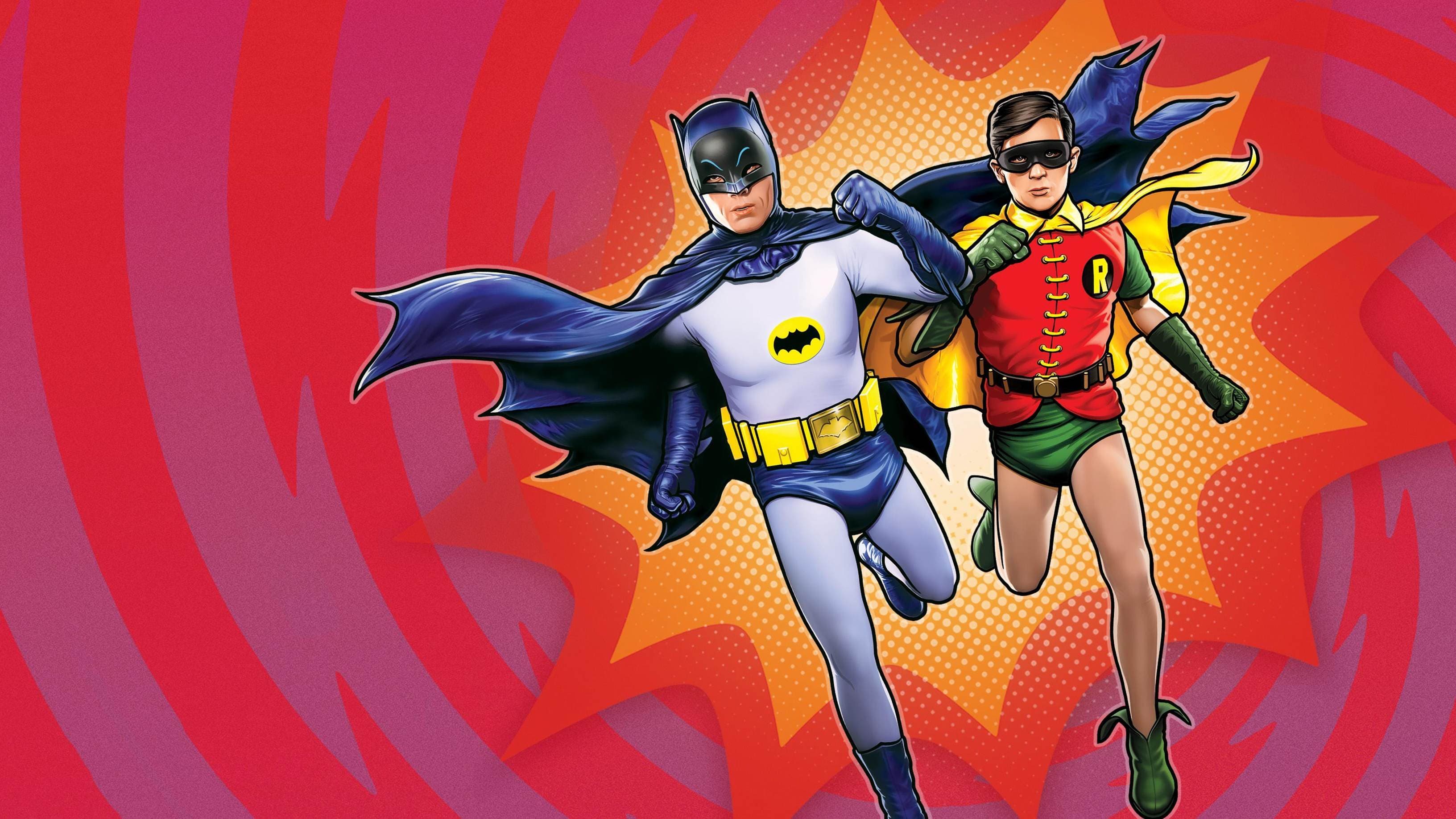
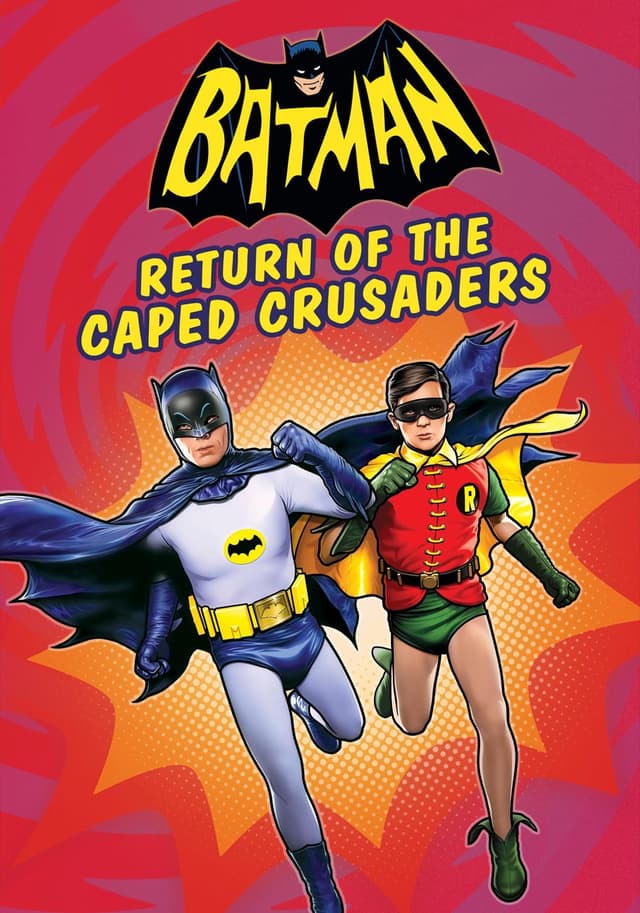
When Catwoman, the Joker, the Penguin, and the Riddler join forces in a Gotham City crime wave, Batman and Robin emerge from the bright, kitsch-coloured world of the 1966 television series to face them once again. As the Dynamic Duo race to thwart the United Underworld's climactic scheme, Catwoman makes Batman a tempting offer that puts his entire mission to the test.
What Is the Budget of Batman: Return of the Caped Crusaders (2016)?
Batman: Return of the Caped Crusaders (2016), directed by Rick Morales and produced by Warner Bros. Animation and DC Entertainment, was produced on a reported budget of approximately $3,500,000. The figure aligns with the broader DC Universe Animated Original Movies (DCUAOM) direct-to-video line, which had established a $3,000,000 to $5,000,000 per-feature budget tier across its 2007 to 2020 output. Warner Home Video distributed the film direct-to-video and via digital platforms on October 11, 2016, with a single limited theatrical screening to coincide with New York Comic Con.
At approximately $3,500,000, the film typified the DCUAOM economics tailored for the direct-to-video and digital-download market. The reported budget covered above-the-line voice talent fees for the original 1966 Batman television series cast (Adam West, Burt Ward, and Julie Newmar), an animation team working at the established Warner Bros. Animation rate, and a year-long production cycle that paid homage to the visual style of the original television series. The film also served as Adam West's final return to the cape and cowl.
Key Budget Allocation Categories
Batman: Return of the Caped Crusaders' reported $3,500,000 budget was distributed across the standard direct-to-video animated allocation:
- Above-the-Line Voice Talent: Adam West, Burt Ward, and Julie Newmar returned to voice their original 1966 Batman television series roles as Batman, Robin, and Catwoman respectively, with each commanding a fee reflecting the nostalgic value of reuniting the original cast. Wally Wingert (Riddler), William Salyers (Penguin), and Jeff Bergman (Joker) took the remaining villain roles at standard animation voice rates. Steven Weber appears in a supporting role.
- Animation Production: The film was animated in the traditional 2D Warner Bros. Animation house style, paying deliberate homage to the visual texture of the original 1966 television series. Animation production was outsourced to Warner Bros. Animation's established partner studios overseas, with character design, key animation, in-betweens, and ink-and-paint work conforming to the DCUAOM cost model.
- Score and Music: The Dynamic Music Partners composer team of Kristopher Carter, Michael McCuistion, and Lolita Ritmanis scored the film, drawing on the iconic Neal Hefti theme from the original 1966 television series. Music licensing for the Hefti theme and the recording of the original underscore at a Los Angeles studio facility represented a meaningful line item for the budget tier.
- Voice Recording and Post-Production: Voice recording sessions took place at Warner Bros. Animation's Burbank facility across 2015 and early 2016. Editorial by Eric Lehman, sound design, dialogue post, music mix, and final mastering were completed in the months leading to the October 2016 release.
- Distribution and Marketing: Warner Home Video handled distribution direct-to-video, on Blu-ray, DVD, and digital platforms, with a single limited theatrical screening to coincide with New York Comic Con on October 6, 2016. The marketing budget supported convention activations, advertising in the broader DC enthusiast community, and home-entertainment retail support across the holiday 2016 release window.
- Royalty Reserves and Source Material Rights: Rights clearances for the 1966 Batman television series, the original Hefti theme, and the likenesses of Adam West, Burt Ward, and Julie Newmar were managed across the production through Warner Bros. Television and the broader DC Entertainment rights ecosystem. These reserves were a notable line item compared to the standard DCUAOM contemporary-continuity productions.
How Does Batman: Return of the Caped Crusaders' Budget Compare to Similar Films?
At approximately $3,500,000, Batman: Return of the Caped Crusaders sits squarely in the DC Universe Animated Original Movies direct-to-video tier. The comparison set illustrates the broader animated-feature spectrum:
- Batman: The Killing Joke (2016): Budget approximately $3,500,000 | Worldwide $4,500,000 (limited theatrical plus home entertainment). Sam Liu's adaptation of the Alan Moore graphic novel operated at an identical budget and received a wider limited theatrical release through Fathom Events earlier in 2016, drawing approximately $4,500,000 in worldwide combined theatrical-and-home-entertainment revenue.
- Justice League: The Flashpoint Paradox (2013): Budget approximately $3,500,000 | Worldwide N/A (home entertainment). Jay Oliva's alternate-timeline animated feature operated at the same DCUAOM budget tier and established the franchise template for the multi-year animated continuity that followed.
- Batman: Mask of the Phantasm (1993): Budget approximately $6,000,000 | Worldwide $5,800,000. Eric Radomski and Bruce Timm's theatrical animated Batman cost approximately 70 percent more than Return of the Caped Crusaders on a full theatrical release and earned a worldwide gross that underperformed expectations at the time.
- Justice League War (2014): Budget approximately $3,500,000 | Worldwide N/A (home entertainment). Jay Oliva's adaptation of the New 52 Justice League: Origin storyline operated at the standard DCUAOM budget and continued the broader animated continuity.
- LEGO Batman Movie (2017): Budget approximately $80,000,000 | Worldwide $312,335,545. Chris McKay's theatrical CGI feature cost more than 22 times Return of the Caped Crusaders on a Warner Bros. Animation theatrical release, illustrating the scale gap between the direct-to-video DCUAOM tier and the studio-tier animated tentpole.
Batman: Return of the Caped Crusaders Box Office Performance
Batman: Return of the Caped Crusaders was released direct-to-video and digital platforms on October 11, 2016, with a single limited theatrical screening to coincide with New York Comic Con on October 6, 2016. Warner Home Video distributed the title across Blu-ray, DVD, and digital purchase platforms in the lead-up to the holiday 2016 home-entertainment season.
Box Office Breakdown
Batman: Return of the Caped Crusaders

The film performed within expectations for the DCUAOM tier on the home-entertainment market. The nostalgic appeal of the reunited 1966 Batman television series cast, combined with the established home-entertainment customer base for the DCUAOM line, supported a strong opening-week Blu-ray and DVD performance and sustained engagement across the holiday 2016 season.
The strategic value to Warner Bros. Animation centered on the franchise extension into 1966-era Batman continuity, the nostalgic-property reactivation around Adam West and Burt Ward, and the catalog supplement to the broader DCUAOM library. The film was followed by a sequel, Batman vs. Two-Face (2017), that paired Adam West and Burt Ward with William Shatner as Two-Face in West's final voice performance before his death.
Batman: Return of the Caped Crusaders Production History
Warner Bros. Animation and DC Entertainment developed Batman: Return of the Caped Crusaders as a tribute and continuation of the 1966 Batman television series, capitalizing on the renewed nostalgia for the property following the 2014 Warner Home Video Blu-ray release of the complete 1966 series. Producer James Tucker, the long-running DCUAOM showrunner, led the development alongside Benjamin Melniker and Michael Uslan, both veteran Batman film producers.
Screenwriters Michael Jelenic and James Tucker delivered a screenplay that consciously honored the visual style, dialogue cadence, narrative tropes, and on-screen text effects ("BAM!" "POW!") of the original television series. The decision to bring back Adam West, Burt Ward, and Julie Newmar to voice their original characters was central to the project's creative and commercial positioning, with the production designed around the reunited principals.
Adam West, then 87 years old, recorded his voice performance across 2015 and 2016 at Warner Bros. Animation's Burbank facility. Burt Ward and Julie Newmar joined the recording sessions, with director Rick Morales overseeing the voice direction. The animation production was outsourced to Warner Bros. Animation's established overseas partner studios, with key animation, in-betweens, and ink-and-paint work conforming to the DCUAOM production schedule across 2015 and early 2016.
The film premiered with a single limited theatrical screening at New York Comic Con on October 6, 2016, followed by the direct-to-video and digital release on October 11, 2016. Adam West and Burt Ward made promotional appearances at New York Comic Con to support the launch. West died on June 9, 2017, having voiced one further appearance in the 2017 sequel Batman vs. Two-Face, completing his lifetime association with the character.
Awards and Recognition
Batman: Return of the Caped Crusaders received modest awards recognition consistent with the DCUAOM direct-to-video animated tier. The film drew an Annie Award nomination in the Best Direct-to-Video / Limited-Theatrical Animated Feature category, and the music team of Kristopher Carter, Michael McCuistion, and Lolita Ritmanis received recognition from the Society of Composers and Lyricists for the score's engagement with the Neal Hefti theme.
The film also drew a Saturn Award nomination for Best Animated Television Movie and a Visual Effects Society Awards nomination in the outstanding animated feature category. The broader awards landscape did not engage with the title at the major industry ceremonies including the Academy Awards. The film's legacy within the awards conversation has centered on its honored role within the broader DCUAOM line and its position as Adam West's penultimate Batman performance.
Critical Reception
Batman: Return of the Caped Crusaders received broadly positive reviews. The film holds a 90 percent approval rating on Rotten Tomatoes based on a sample of 10 critic reviews, with a critical consensus that called it "an affectionate homage" that delivers "exactly what longtime fans of the 1966 series want." The film did not receive a Metacritic score given the limited number of qualifying English-language reviews.
Critics broadly praised the reunion of Adam West, Burt Ward, and Julie Newmar, the screenplay's precise honoring of the 1966 television series tone, and the animation style's deliberate echo of the original era. IGN called the film "a love letter to a foundational era of Batman pop culture," while The Hollywood Reporter wrote that the production "captures the camp register without lapsing into mockery."
A minority of critics objected to the film's reliance on nostalgia at the expense of narrative ambition, with some reviewers suggesting the property lacked the dramatic stakes of the contemporary DCUAOM continuity. The positive critical reception supported strong home-entertainment engagement and supported Warner Bros. Animation's 2017 production of the sequel Batman vs. Two-Face, which continued the partnership through Adam West's final voice performance.
Frequently Asked Questions
How much did it cost to make Batman: Return of the Caped Crusaders (2016)?
The reported production budget was approximately $3,500,000, consistent with the DC Universe Animated Original Movies (DCUAOM) direct-to-video tier. The film was financed by Warner Bros. Animation and DC Entertainment, with distribution handled by Warner Home Video across Blu-ray, DVD, and digital purchase platforms.
How much did Batman: Return of the Caped Crusaders earn at the box office?
The film was released direct-to-video and digital platforms on October 11, 2016, with a single limited theatrical screening at New York Comic Con on October 6, 2016. Warner Home Video has not publicly disclosed home-entertainment revenue, but the film is estimated to have earned approximately $5,000,000 to $8,000,000 across Blu-ray, DVD, and digital purchase platforms.
Was Batman: Return of the Caped Crusaders profitable?
Yes. The film recouped its estimated $3,500,000 production budget across the home-entertainment and digital purchase windows and generated an estimated $0 to $3,500,000 in profit on a multi-window basis. The success supported a 2017 sequel, Batman vs. Two-Face, which continued the partnership with Adam West and Burt Ward through West's final voice performance.
Who directed Batman: Return of the Caped Crusaders?
Rick Morales directed the film, working from a screenplay by Michael Jelenic and James Tucker. Morales is a long-running Warner Bros. Animation director with credits across the DCUAOM line and the broader Warner Bros. Animation television catalog. Tucker, the project's co-writer, served as the long-running DCUAOM showrunner across the line's 2007 to 2020 output.
Did Adam West voice Batman in this film?
Yes. Adam West voiced Batman, reprising his iconic role from the 1966 Batman television series. The film marked one of West's final returns to the role. Burt Ward also returned as Robin, and Julie Newmar returned as Catwoman, reuniting three of the original television series principals for the animated continuation.
Where was Batman: Return of the Caped Crusaders animated?
Voice recording took place at Warner Bros. Animation's Burbank facility across 2015 and early 2016, with director Rick Morales overseeing voice direction. The animation production was outsourced to Warner Bros. Animation's established overseas partner studios for key animation, in-betweens, and ink-and-paint work, consistent with the DCUAOM production model.
Is Batman: Return of the Caped Crusaders connected to the 1966 TV series?
Yes. The film is a deliberate continuation of the 1966 Batman television series, set in the same camp-era continuity and reuniting original cast members Adam West (Batman), Burt Ward (Robin), and Julie Newmar (Catwoman). The animation style, dialogue cadence, narrative tropes, and on-screen text effects ("BAM!" "POW!") all consciously honor the original television series visual language.
Was there a sequel to Batman: Return of the Caped Crusaders?
Yes. The 2017 sequel Batman vs. Two-Face paired Adam West and Burt Ward with William Shatner as Two-Face, continuing the partnership in the 1966-era continuity. The 2017 sequel was Adam West's final voice performance as Batman before his death on June 9, 2017.
What did critics think of Batman: Return of the Caped Crusaders?
The film received broadly positive reviews, with a 90 percent approval rating on Rotten Tomatoes based on a limited sample of 10 critics. Critics praised the reunion of Adam West, Burt Ward, and Julie Newmar, the screenplay's precise honoring of the 1966 television series tone, and the animation style's deliberate echo of the original era.
Did Batman: Return of the Caped Crusaders win any awards?
The film received modest awards recognition, including an Annie Award nomination in the Best Direct-to-Video / Limited-Theatrical Animated Feature category and a Saturn Award nomination for Best Animated Television Movie. It was not nominated at the Academy Awards.
Filmmakers
Batman: Return of the Caped Crusaders

Official Trailer
Build budgets like this one in Saturation
Start from an industry-standard feature film template, import the schedule and rates you already have, and let the cost report keep itself current as you spend. Real-time collaboration, no spreadsheets.