Batman Budget
Updated
Synopsis
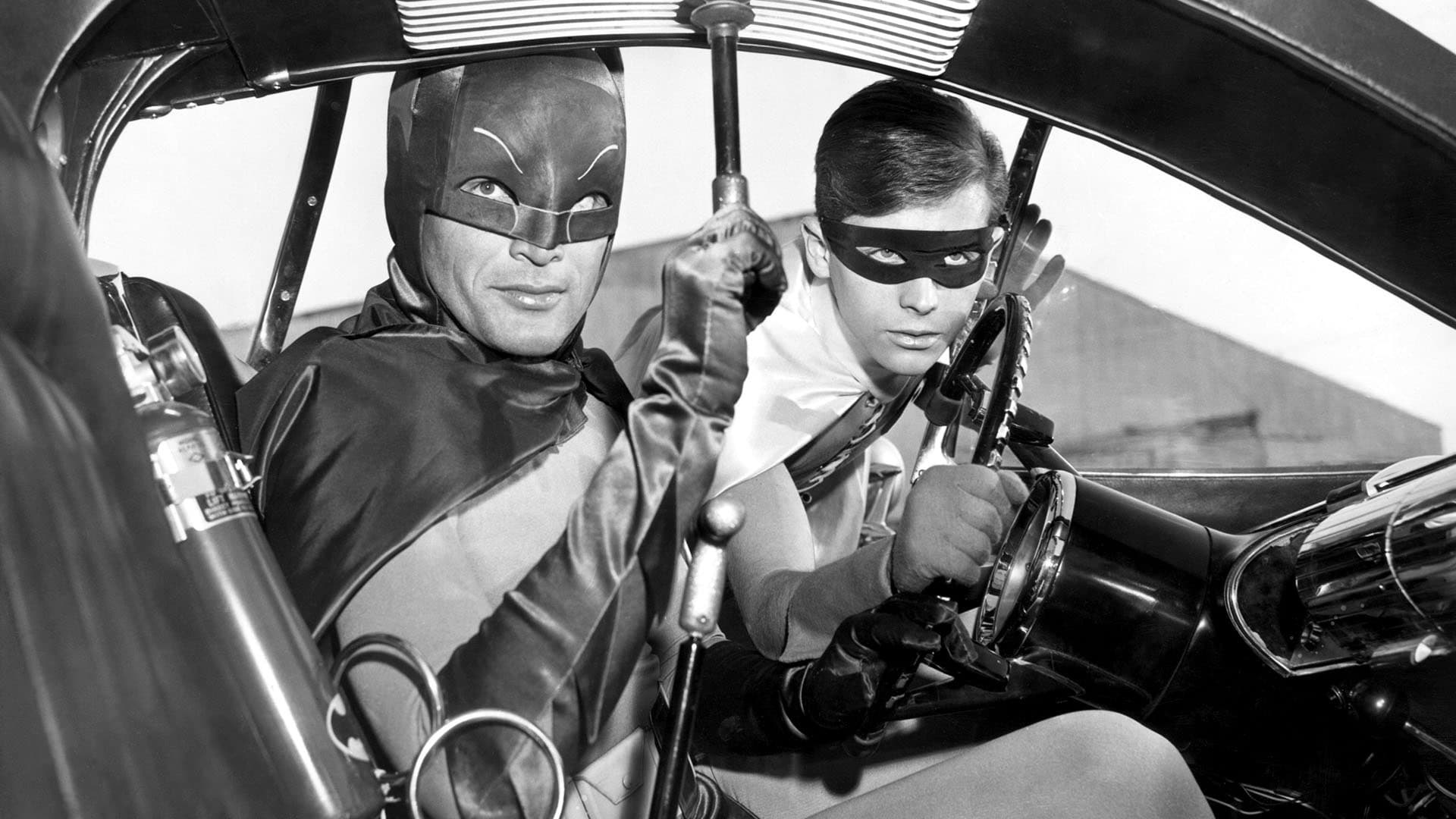
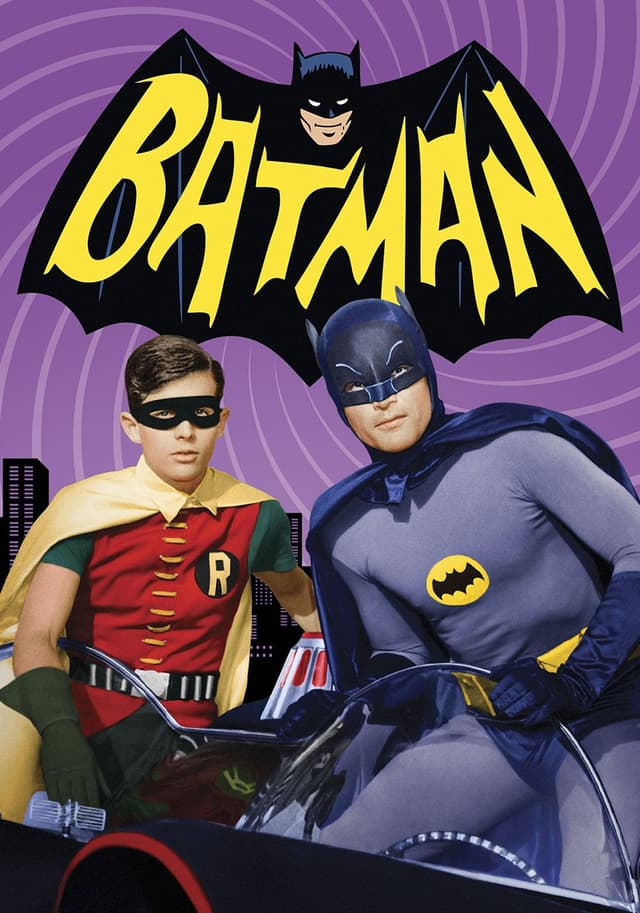
When the Penguin, the Joker, the Riddler, and Catwoman join forces to take over Gotham City and then the world, Batman and Robin must use every gadget at their disposal, including the Batboat and the Batcopter, to stop the United Underworld's plot to use a dehydration ray on the United World Organization Security Council.
What Is the Budget of Batman (1966)?
Batman (1966), the feature-film spin-off of the Adam West ABC television series, was produced on a budget of approximately $1,377,800, equivalent to roughly $13,000,000 in 2026 dollars after inflation. Directed by Leslie H. Martinson and written by series script editor Lorenzo Semple Jr., the film was a 20th Century-Fox release produced by William Dozier through Greenway Productions. It was made between the first and second seasons of the television show, sharing the same cast, crew, and pop-art tone that defined the series.
The relatively modest budget reflected the film's status as a theatrical extension of a successful television property rather than a from-scratch studio tentpole. Roughly half of the budget went toward newly built props and vehicles, including the Batboat, Batcopter, and Batcycle that became signature franchise hardware, with the remainder covering location photography in Los Angeles and a quick six-week shoot timed to the show's production hiatus.
Key Budget Allocation Categories
Batman's $1,377,800 budget was distributed across several core production areas:
- Above-the-Line Talent: Adam West and Burt Ward, the show's established Batman and Robin, returned at their television rates with feature bumps. Cesar Romero (Joker), Burgess Meredith (Penguin), and Frank Gorshin (Riddler) reprised their TV roles, while Lee Meriwether stepped in as Catwoman in place of Julie Newmar, who was unavailable for the feature shoot. William Dozier produced through his Greenway Productions banner.
- Bat-Vehicles and Props: The film introduced the Batboat, Batcopter, and Batcycle alongside the established Batmobile. The Batboat was a customized Glastron speedboat, the Batcopter a leased Bell 47, and the Batcycle a modified Yamaha Catalina 250 with a removable Robin sidecar. These vehicles became some of the most recognized franchise hardware and were reused throughout the second season of the TV show after the film wrapped.
- Location Shooting: Principal photography took place primarily in Los Angeles, with key sequences shot at Marineland of the Pacific, Stearns Wharf in Santa Barbara, the Alameda Naval Air Station, and around the Hollywood Hills. The film's wide location footprint compared with the television show's soundstage-bound style was a deliberate scaling-up that justified the theatrical release.
- Costumes: Costume designer Pat Barto designed new theatrical-grade Batman, Robin, and villain costumes that updated the slimmer-cut television versions for 35mm photography. The Catwoman costume worn by Lee Meriwether was redesigned from the Julie Newmar television version.
- Music: Nelson Riddle, the composer for the television series, scored the feature with an expanded orchestral version of his iconic Batman theme. Original cues, source music for the United Underworld villain meetings, and choral arrangements added to the music line.
- Marketing and Release: 20th Century-Fox positioned the film as a summer family release, opening it on July 30, 1966, between the first and second seasons of the television show. The studio leaned on the TV brand for marketing rather than building an original campaign, allowing the budget to remain modest.
How Does Batman's Budget Compare to Similar Films?
At $1,377,800, Batman (1966) sits in the modest range of mid-1960s studio family pictures. The comparison set illustrates how its budget and commercial outcome related to its contemporaries:
- Batman (1989): Budget $35,000,000 | Worldwide $411,348,924. Tim Burton's Warner Bros. relaunch of the character cost more than 25 times the 1966 film in nominal terms and grossed more than 100 times the worldwide haul.
- Doctor Dolittle (1967): Budget $18,000,000 | Worldwide $9,000,000. The contemporaneous 20th Century-Fox family musical cost nearly 13 times what Batman did and lost money for the studio, illustrating how Batman's modest scale was a savvy bet.
- In Like Flint (1967): Budget $4,500,000 | Worldwide $8,200,000. James Coburn's spy parody offers a closer comparable for a contemporaneous Fox release built around an established character.
- Munster, Go Home! (1966): Budget approximately $750,000 | Worldwide N/A. The Universal Pictures feature spin-off of CBS's The Munsters television show is a direct genre parallel, a movie-from-a-TV-show released in the same window.
Batman Box Office Performance
Batman (1966) opened on July 30, 1966 and earned approximately $3,000,000 in domestic film rentals (the gross figure used in 1966-era distributor accounting), equivalent to a domestic theatrical gross of roughly $3,000,000 in modern terms. Box Office Mojo lists the worldwide total at approximately $3,900,000, with the international portion driven primarily by United Kingdom, Australian, and West German releases.
Box Office Breakdown
Batman

Batman returned approximately $1.36 in theatrical revenue for every $1 invested when measured against total estimated production and marketing spend. The modest theatrical return understates the film's long-term value: in the decades since, it has become a perpetual cable-television fixture, generating ongoing licensing revenue from home video releases, syndication, and Warner Bros. archive sales after the Batman rights consolidated under the studio.
Batman Production History
William Dozier's Greenway Productions had launched the Batman television series on ABC in January 1966 to immediate ratings success, making the property a prime candidate for a theatrical extension. 20th Century-Fox green-lit the feature in April 1966 with principal photography slated for the show's summer production hiatus. Lorenzo Semple Jr., the series script editor and the writer who had codified the show's pop-art tone, delivered the screenplay in early May 1966 with the feature's United Underworld premise built around Joker, Penguin, Riddler, and Catwoman teaming up against the Dynamic Duo.
Principal photography ran from May 31 to July 13, 1966 in Los Angeles. The film's wide location footprint compared with the soundstage-bound television series was a deliberate scaling-up, with key sequences shot at Marineland of the Pacific (the shark sequence), Stearns Wharf in Santa Barbara, the Alameda Naval Air Station, the Cantor estate in Bel Air, and around the Hollywood Hills. Julie Newmar, the television show's Catwoman, was unavailable due to a back injury, and Lee Meriwether was cast in her place for the feature shoot.
The film opened on July 30, 1966 at 252 theaters in North America. Distribution was handled by 20th Century-Fox, which had inherited the Batman feature rights as part of its 1965 deal to produce the television series. The film's release served as a marketing bridge between the first and second seasons of the show, with the new Bat-vehicles introduced in the feature carried over into the second-season production for ongoing use.
Awards and Recognition
Batman (1966) did not receive significant awards recognition at the time of its release. The film was not nominated at the Academy Awards or the Golden Globes, which in 1966 did not typically recognize family-oriented genre features of this scale. The film was also not nominated at the Saturn Awards or the Hugo Awards, both of which were either not yet established or not yet covering theatrical features in this category at the time.
In the decades since, Batman (1966) has been retrospectively recognized as a foundational entry in the live-action Batman canon. The American Film Institute included Adam West's Batman on its lists of memorable screen characters, and the film has been the subject of museum retrospectives, including at the Museum of Modern Art's Adam West tribute screenings after his death in June 2017. The Batman 66 brand has remained commercially active across DC Comics tie-ins, Warner Bros. home video re-releases, and themed merchandise.
Critical Reception
Batman (1966) received mixed reviews on its initial release, with critics divided over whether the film's deliberately camp tone was a strength or a weakness. The film holds an 80% approval rating on Rotten Tomatoes based on 35 critic reviews compiled retrospectively, with a critical consensus that praises the film for its sincere commitment to its pop-art aesthetic.
At the time of release, The New York Times' Bosley Crowther wrote that the film "remains faithful to its source," and Variety praised the production values while flagging the deliberately campy tone as a divisive element. The Los Angeles Times noted the film's appeal to children and to "anyone willing to accept the wink behind the costumed antics."
Critical reassessment in the 1990s and 2000s elevated the film's reputation. Roger Ebert revisited the film favorably in his Great Movies column, praising the deliberate commitment to its tone, and the rise of cult-cinema appreciation cemented Batman (1966) as a foundational pop-art comic-book adaptation. The film is now widely cited as the most aesthetically coherent expression of the Silver Age Batman comics tradition before the character pivoted to the darker tonal register established by Frank Miller and Tim Burton in the following decade.
Frequently Asked Questions
How much did it cost to make Batman (1966)?
The reported production budget was approximately $1,377,800, equivalent to roughly $13,000,000 in 2026 dollars after inflation. The film was produced by William Dozier through Greenway Productions and distributed by 20th Century-Fox, drawing on the established cast and crew of the Adam West ABC television series.
How much did Batman (1966) earn at the box office?
The film grossed approximately $3,000,000 domestically in 1966-era distributor accounting and approximately $3,900,000 worldwide. The international portion was driven primarily by United Kingdom, Australian, and West German theatrical releases timed to coincide with the syndication of the Adam West television series in those markets.
Is Batman (1966) connected to the TV show?
Yes. Batman (1966) is a direct theatrical spin-off of the ABC television series that premiered in January 1966. The film shares the same cast (Adam West, Burt Ward, Cesar Romero, Burgess Meredith, Frank Gorshin), the same producer (William Dozier through Greenway Productions), the same screenwriter (Lorenzo Semple Jr.), and the same composer (Nelson Riddle). The film was shot during the production hiatus between the first and second seasons of the show.
Who directed Batman (1966)?
Leslie H. Martinson directed the film, working from a screenplay by Lorenzo Semple Jr. Martinson was a veteran television director who had directed multiple episodes of the Batman series itself, making him a natural choice for the theatrical extension.
Why did Lee Meriwether play Catwoman instead of Julie Newmar?
Julie Newmar, who played Catwoman on the television series, was unavailable for the feature shoot in summer 1966 due to a back injury sustained during work on another project. Lee Meriwether, a former Miss America (1955), was cast in her place. Newmar returned to the role for the second season of the television show after the feature wrapped.
Where was Batman (1966) filmed?
Principal photography took place primarily in Los Angeles from May 31 to July 13, 1966. Key sequences were shot at Marineland of the Pacific (the shark sequence), Stearns Wharf in Santa Barbara, the Alameda Naval Air Station, the Cantor estate in Bel Air, and around the Hollywood Hills. The Batcopter sequences used a leased Bell 47.
How does Batman (1966) compare to other Batman films?
Batman (1966) cost approximately $1,377,800, a fraction of every subsequent theatrical Batman release. Tim Burton's Batman (1989) cost $35,000,000 and grossed $411,348,924 worldwide. Christopher Nolan's Batman Begins (2005) cost $150,000,000 and grossed $371,853,783 worldwide. The 1966 film remains the only theatrical Batman release shot in a deliberately camp pop-art register.
What vehicles appeared in Batman (1966)?
The film introduced the Batboat, the Batcopter, and the Batcycle alongside the established Batmobile. The Batboat was a customized Glastron speedboat, the Batcopter was a leased Bell 47 helicopter, and the Batcycle was a modified Yamaha Catalina 250 with a removable sidecar for Robin. These vehicles were retained for the second season of the television show.
What did critics think of Batman (1966)?
The film received mixed reviews on initial release, with critics divided over whether the deliberately camp tone was a strength or a weakness. It now holds an 80% approval rating on Rotten Tomatoes from 35 retrospective critic reviews. Critical reassessment in the 1990s and 2000s elevated the film's reputation, with Roger Ebert revisiting it favorably in his Great Movies column.
Did Batman (1966) win any awards?
No. Batman (1966) did not receive significant awards recognition at the time of its release. It was not nominated at the Academy Awards or the Golden Globes, which did not typically recognize family-oriented genre features of this scale in 1966. The film has been retrospectively honored through museum screenings, including at the Museum of Modern Art's Adam West tribute programs after his death in June 2017.
Filmmakers
Batman

Official Trailer
Build budgets like this one in Saturation
Start from an industry-standard feature film template, import the schedule and rates you already have, and let the cost report keep itself current as you spend. Real-time collaboration, no spreadsheets.