Amazing Grace Budget
 MusicDocumentary87 minutes
Updated
Synopsis
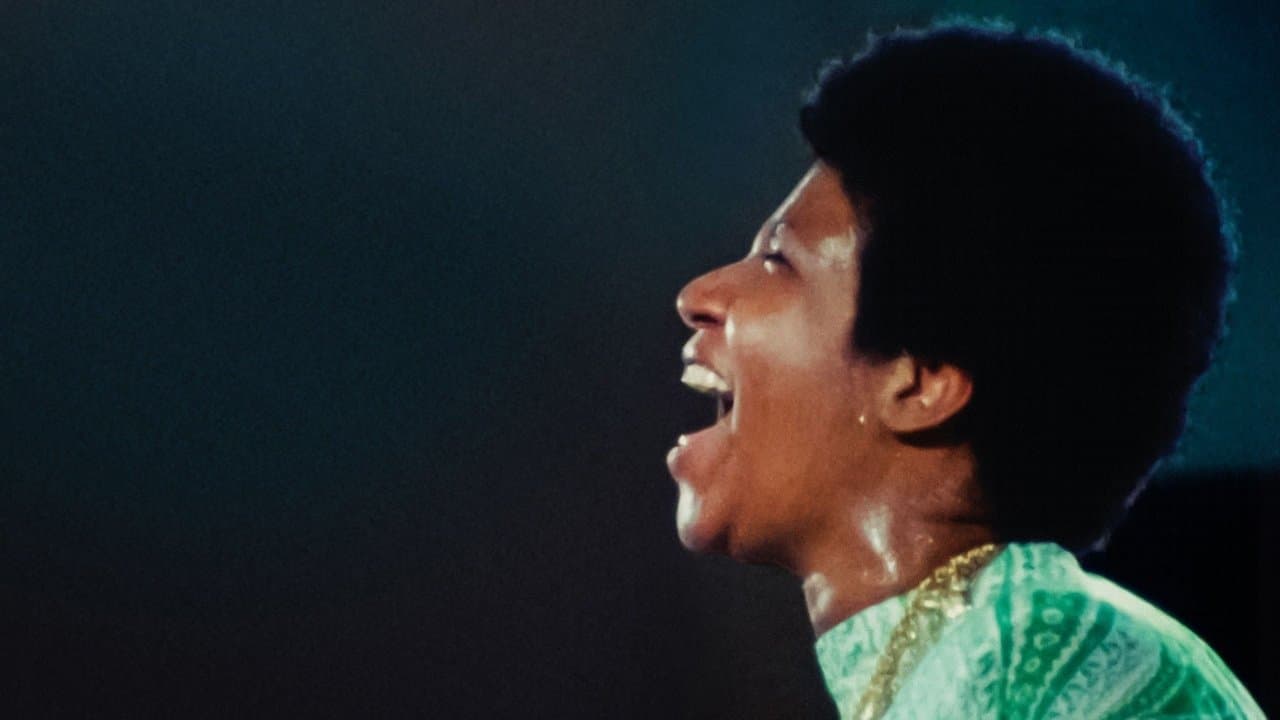
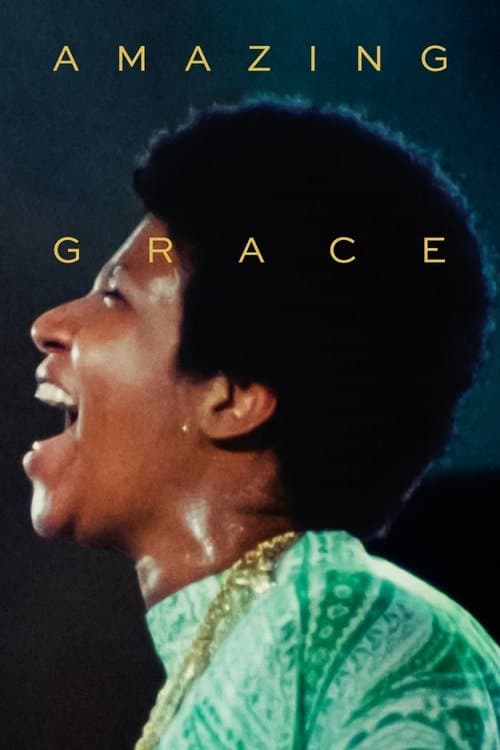
A documentary presenting Aretha Franklin with choir at the New Bethel Baptist Church in Watts, Los Angeles in January 1972.
What Is the Budget of Amazing Grace?
Amazing Grace was assembled from concert footage shot in January 1972 at New Temple Missionary Baptist Church in Los Angeles, where Aretha Franklin recorded what would become her best-selling gospel album of the same name. The theatrical release cost approximately $1 million, covering years of restoration work, audio-visual sync repair, and post-production by director Alan Elliott. The original 1972 footage was shot by Sydney Pollack but had never been released because the sync sound was unusable: Pollack had forgotten to use a clapperboard, making it impossible to align picture with audio using the technology of the era.
The restoration budget of roughly $1 million is distinct from the original 1972 production cost, which was underwritten by Atlantic Records as part of the live recording session. Elliott spent years developing the digital methods needed to synchronize Pollack's 16mm footage with the multitrack audio recordings. A&E Networks acquired the restoration and licensed it to Neon for US theatrical distribution, with A24 later involved in international distribution. The film's legal costs were substantial: Aretha Franklin blocked the film's release for over a decade, arguing she had not consented to theatrical exhibition of footage she believed was for personal use only.
Key Budget Allocation Categories
- Audio-Visual Sync Restoration: Sydney Pollack shot the 1972 sessions with multiple 16mm cameras but failed to use a clapperboard to mark sync points. Digital analysis of the footage, frame by frame, against the original multitrack recordings from Atlantic Records was required to align picture and sound. Alan Elliott developed proprietary software and techniques over multiple years to accomplish the synchronization, which formed the core technical challenge and primary cost of the restoration.
- Legal Costs and Clearances Over a Decade: Aretha Franklin filed legal action to block the film's release multiple times between 2008 and 2018. Elliott and his partners had to establish the legal basis for releasing the footage over Franklin's objections, arguing that her manager at the time had authorized filming. The legal costs of fighting and eventually resolving this dispute over ten years represented a significant and unusual production expense with no equivalent in standard documentary filmmaking.
- 35mm Print Production and Theatrical Post-Production: Once the sync problem was solved and the legal path cleared, the restored footage was finished for theatrical exhibition including color grading, sound mixing for cinema playback, and creation of distribution prints. The original 16mm footage was upscaled and grain-matched for modern theatrical presentation, a post-production process that required specialized colorist work to make the 1972 footage look its best without removing its period character.
- Archival Research and Historical Context: The film required research into the January 1972 recording sessions, the participants visible in the footage (including Mick Jagger and Charlie Watts of the Rolling Stones, who attended both sessions), and the cultural context of Aretha Franklin's return to gospel after years of secular R&B success. This archival work informed the editorial choices that shaped the final theatrical cut.
- Neon Theatrical Distribution Campaign: Neon, the boutique distributor that released the film in November 2018 following Franklin's death in August, invested in a theatrical marketing campaign timed to capitalize on the outpouring of tributes to Franklin. The campaign positioned Amazing Grace as both a concert document and a memorial, targeting art house audiences and older Black American audiences who had personal connections to the original 1972 album.
How Does Amazing Grace's Budget Compare to Similar Films?
Amazing Grace's $1 million restoration budget is comparable to other archival concert film restorations and well below the cost of newly produced music documentaries. Its commercial performance, generating $6 million worldwide against a $1 million restoration cost, was exceptional for the format.
- Summer of Soul (2021): Budget ~$2M | Worldwide $6.5M. Questlove's documentary about the 1969 Harlem Cultural Festival, also assembled from decades-old forgotten footage, spent approximately twice the Amazing Grace restoration budget and found a comparable worldwide theatrical gross. Both films benefited from the combination of extraordinary original footage, a significant cultural moment, and distribution by boutique labels with strong art house positioning.
- I Am Not Your Negro (2016): Budget ~$1.5M | Worldwide $7.2M. Raoul Peck's documentary essay on James Baldwin, assembled from archival footage and Baldwin's unfinished manuscript, found a slightly larger worldwide gross than Amazing Grace with a comparable production investment. Both films demonstrate that archival-driven documentaries about African American cultural icons can consistently find audiences in the $5-8 million worldwide range from boutique theatrical distribution.
- Gimme Shelter (1970): Budget ~$500K | Worldwide estimated $15M+. The Rolling Stones concert documentary covering the 1969 Altamont free concert, including the stabbing death of Meredith Hunter on camera, was produced at much lower cost and found a much larger audience due to the sensational circumstances it documented. Amazing Grace, which documents a joyful and spiritually transcendent musical event, attracted a different and more targeted audience.
- What Happened, Miss Simone? (2015): Budget ~$1M | Netflix release. The Academy Award-winning Nina Simone documentary, directed by Liz Garbus, bypassed theatrical for Netflix, making a direct box office comparison unavailable. Amazing Grace's theatrical approach generated the credibility and critical attention that the Neon release strategy required, demonstrating that art house theatrical release remained viable for music archival documentaries with exceptional source material.
Amazing Grace Box Office Performance
Amazing Grace opened November 23, 2018, through Neon in a limited New York and Los Angeles release, expanding nationally in December. Aretha Franklin had died on August 16, 2018, and the film's release timing was calibrated to the wave of tribute coverage that followed her death. The domestic gross reached $3.9 million across an extended run through early 2019. International markets, where A24 handled distribution, added approximately $2.1 million for a worldwide total of approximately $6 million.
Against a restoration and post-production budget of approximately $1 million and an estimated $1 million in prints and advertising across the US and international theatrical releases, the total investment was approximately $2 million. With theaters retaining roughly 50 percent of gross, the distributors' share of the worldwide theatrical gross was approximately $3 million, comfortably covering the total investment. The film's profitability was assured by its low restoration cost and the outpouring of critical support following Franklin's death.
Box Office Breakdown
Amazing Grace

For every dollar invested in restoration, Amazing Grace returned approximately $6.00 at the worldwide box office. Accounting for P&A, the film returned $1.50 for every dollar of total investment, a strong result for a boutique theatrical release with no stars, no narrator, and subject matter that might have seemed too niche in a different cultural moment. Franklin's death transformed the film from a legal and commercial curiosity into a memorial document, and the timing of its release maximized that value.
Amazing Grace Production History
The story of Amazing Grace begins not in 2018 but in January 1972, when Atlantic Records organized two nights of live recording at New Temple Missionary Baptist Church in the Watts neighborhood of Los Angeles. Aretha Franklin had requested to record a live gospel album, returning to the church music she had grown up singing before her career in secular R&B. Atlantic assigned producer Jerry Wexler to the sessions, which also featured the Southern California Community Choir directed by Reverend James Cleveland.
Sydney Pollack, then best known as the director of They Shoot Horses, Don't They? (1969), was hired to film the sessions on 16mm. Pollack brought a crew and multiple cameras to both nights of the recording, capturing the music and the congregation including, famously, Mick Jagger and Charlie Watts of the Rolling Stones watching from the audience. The album released from these sessions became the best-selling gospel album of all time and the highest-selling live album of Franklin's career. The film was never completed because Pollack had forgotten to use clapperboards, making audio synchronization impossible with the technology available in 1972.
The footage sat in a vault for over thirty years until Alan Elliott, a producer, obtained rights to the material and began developing digital methods to solve the sync problem. Elliott's team analyzed the footage frame by frame against the original multitrack recordings, using mouth movements, instrument strikes, and ambient sound cues to build sync points across hours of material. After years of work, the sync problem was solved and Elliott assembled a theatrical cut. Aretha Franklin then sought a court injunction to block release, arguing she had not consented to theatrical exhibition. The legal battle lasted from approximately 2008 until Franklin's death in August 2018.
Franklin's estate did not contest the release after her death, and Neon moved quickly to bring the film to theaters in November 2018. The critical reception was immediate and overwhelming: the film was on virtually every major publication's list of the best films of 2018 within weeks of its release. It expanded from its initial New York and Los Angeles platform to national and international distribution through the early months of 2019.
Awards and Recognition
Amazing Grace earned a 99% approval rating on Rotten Tomatoes, one of the highest scores ever recorded for a documentary feature, and a Metacritic score of 99 out of 100. The film appeared on virtually every major publication's list of the best films of 2018, including The New York Times, The New Yorker, Sight and Sound, and Rolling Stone. It was named one of the best films of the year by the National Society of Film Critics, the New York Film Critics Circle, and the Los Angeles Film Critics Association.
The film was not eligible for the Academy Award for Best Documentary Feature because it had been filmed in 1972 and released in 2018, falling outside the standard eligibility parameters for original documentary works. The Academy's documentary committee declined to create a special eligibility exception. This exclusion was widely criticized as a procedural failure that prevented one of the most acclaimed films of the year from competing for the award its critical reception would have made it a strong favorite to win.
Critical Reception
Amazing Grace holds a 99% approval rating on Rotten Tomatoes and a Metacritic score of 99 out of 100, making it one of the most universally acclaimed documentary films in the history of both publications. The film's IMDb rating of 8.1 out of 10 reflects a more general audience that found it deeply moving, though some viewers without prior knowledge of Franklin or gospel music found the film less immediately accessible than its critical reputation suggested.
Critics across publications described the film as a direct encounter with one of the greatest vocal performances ever captured on camera. Franklin's performance of 'Amazing Grace' at the climax of the second night's recording, during which even Mick Jagger was visibly moved and Reverend James Cleveland wept openly, was cited by dozens of critics as among the most powerful moments they had seen in a theater. The New York Times called it 'a once-in-a-lifetime film experience.'
Critics also wrote extensively about the film's historical dimension: the footage captures Aretha Franklin in January 1972 at the intersection of the civil rights movement, the Black Power era, the gospel tradition, and the secular soul music world she had conquered. The congregation visible in the footage, the choir directed by Reverend James Cleveland, and the physical space of New Temple Missionary Baptist Church in Watts all contribute to a document that transcends its status as a concert film. Many critics argued that Amazing Grace was not merely a great documentary but one of the essential American cultural records of the twentieth century.
Frequently Asked Questions
How much did Amazing Grace (2018) cost to make?
The total cost was approximately $5,000,000, including the production budget for the original 1972 concert footage and decades of subsequent legal, restoration, and post-production work to finally bring the film to theaters. Neon handled distribution.
How much did Amazing Grace earn at the box office?
The film grossed $4,452,266 domestically and $600,000 internationally, for a worldwide total of approximately $5,100,000. It opened to a strong limited $123,000 on April 5, 2019 at New York's Film Forum before expanding gradually through the spring.
What is Amazing Grace about?
The documentary is the concert film of Aretha Franklin's January 1972 two-night recording of her gospel album Amazing Grace at the New Temple Missionary Baptist Church in Los Angeles. The album became the best-selling gospel album of all time.
Why did Amazing Grace take so long to release?
The original 1972 footage, shot by Sydney Pollack, suffered from a sync-sound failure that made conventional editing impossible. Producer Alan Elliott eventually used digital tools to repair the audio sync in 2008, but Aretha Franklin successfully blocked the release through legal action until her August 2018 death.
Who appears in Amazing Grace?
The film features Aretha Franklin in performance, supported by the Reverend James Cleveland, the Southern California Community Choir under Alexander Hamilton, and Aretha's backing band. Mick Jagger and Charlie Watts appear in the audience on the second night.
Who directed Amazing Grace?
Sydney Pollack directed the original 1972 concert film footage. Alan Elliott completed the film for the 2018 release. Pollack, the celebrated director of Tootsie (1982) and Out of Africa (1985), is credited posthumously.
Where was Amazing Grace filmed?
The concert and the film were both captured at the New Temple Missionary Baptist Church in the Watts neighborhood of Los Angeles on January 13 and 14, 1972. Aretha Franklin performed in front of a live congregation, with Pollack's film crew capturing the two-night recording session.
What did critics think of Amazing Grace?
The film received exceptional reviews, with a 98% approval rating on Rotten Tomatoes and an 89 out of 100 score on Metacritic. Critics universally praised Aretha Franklin's performance and called the long-delayed release one of the great concert films ever made.
Did Amazing Grace win any awards?
The film won the Critics' Choice Documentary Award for Best Music Documentary and the Cinema Eye Honors Award for Outstanding Music Documentary. It was widely considered a snub for Academy Award Best Documentary Feature.
Where can I stream Amazing Grace?
The film is available on Hulu and the Criterion Channel, which produced a high-definition transfer with extensive supplementary materials. It is also available for digital purchase on Amazon Prime Video, Apple TV, and Google Play.
Official Trailer
Build budgets like this one in Saturation
Start from an industry-standard feature film template, import the schedule and rates you already have, and let the cost report keep itself current as you spend. Real-time collaboration, no spreadsheets.