Alice in the Cities Budget
Updated
Synopsis
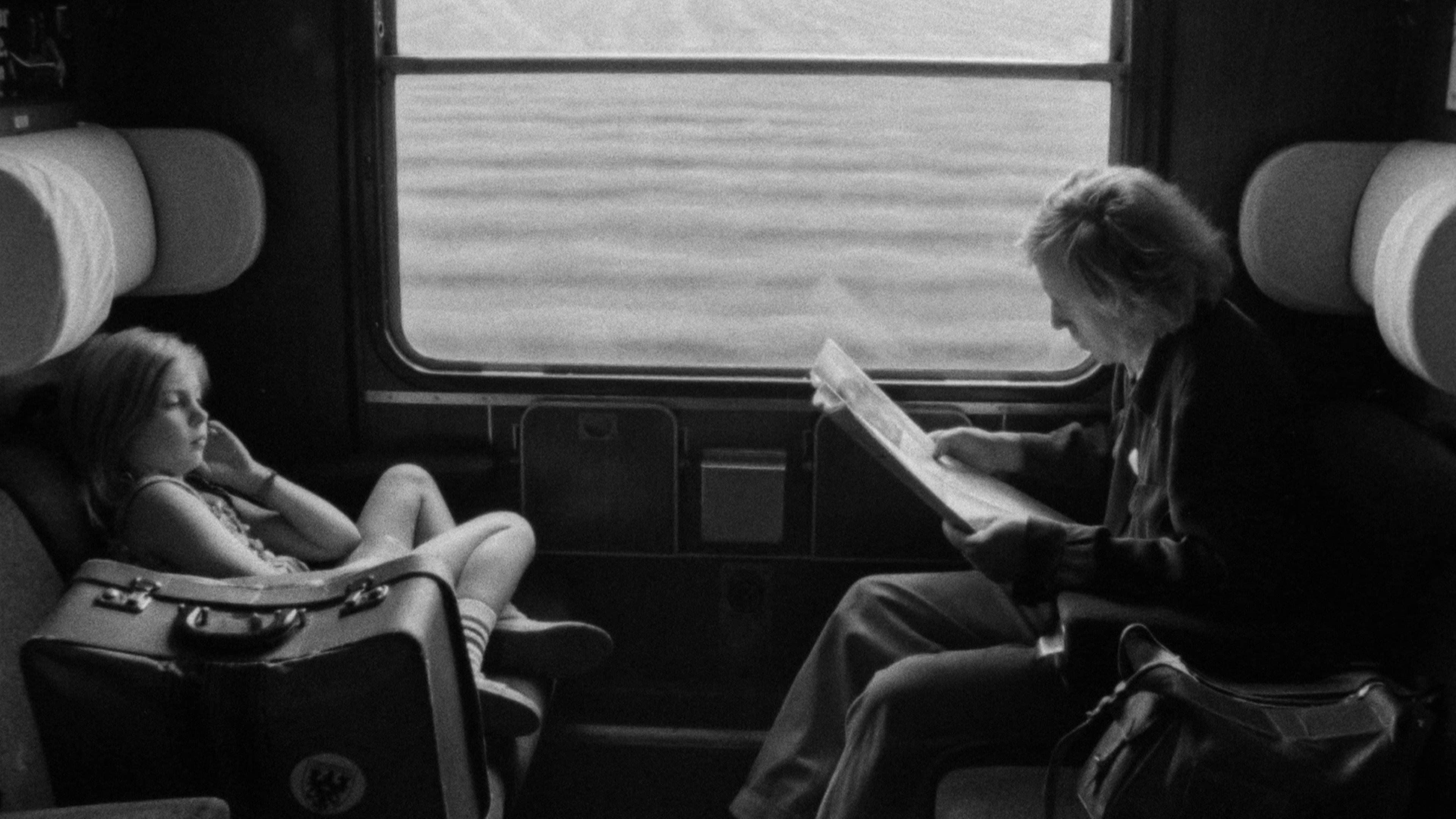
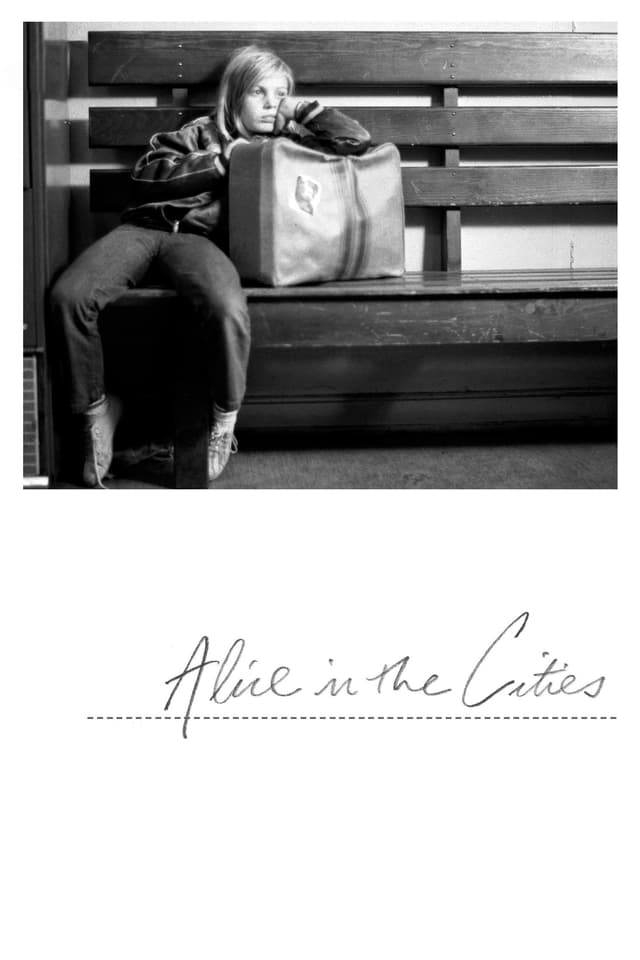
German journalist Philip Winter has a case of writer's block when trying to write an article about the United States. He decides to return to Germany, and while trying to book a flight, encounters a German woman and her nine year old daughter Alice doing the same. The three become friends (almost out of necessity) and while the mother asks Winter to mind Alice temporarily, it quickly becomes apparent that Alice will be his responsibility for longer than he expected. After returning to Europe, the innocent friendship between Winter and Alice grows as they travel together through various European cities on a quest for Alice's grandmother.
What is known about the production of Alice in the Cities?
"Alice in the Cities," a drama released in 1974, was directed by Wim Wenders and stars Rüdiger Vogler, Yella Rottländer. The production budget has not been publicly disclosed, though Filmverlag der Autoren, WDR, Wim Wenders Stiftung produced the film, making it a notable entry in the drama landscape whose financial details remain private.
Key Budget Allocation Categories
While specific budget breakdowns are not publicly available, typical cost drivers for a drama production like this include:
- Production: According to Wenders, Alice in the Cities, his fourth feature-length film, came at a major turning point when he was deciding whether to remain a filmmaker.
- Music & Score: The film was scored by the German band Can.
What were the major cost factors in Alice in the Cities?
Several factors contributed to the overall production costs of "Alice in the Cities."
- Production: Production is one of the primary cost drivers in drama productions of this scale.
- Music: Music & Score is one of the primary cost drivers in drama productions of this scale.
Alice in the Cities Production History
The film was scored by the German band Can. When interviewed about the experience, Can's Irmin Schmidt stated that it was recorded by him, Michael Karoli, and Jaki Liebezeit, and that they were not able to see the film before recording the music. Instead, Wenders, who was very short on time, told them the film's story and then let them know what would and would not work as they came up with ideas and recorded, all over the course of one session.
Awards and Recognition
1 win & 1 nomination total
Critical Reception
Alice in the Cities won the Best Film award at the German Film Critics Association Awards.
Frequently Asked Questions
How much did it cost to make Alice in the Cities (1974)?
The production budget has not been publicly disclosed.
How much did Alice in the Cities (1974) earn at the box office?
Box office figures are not publicly available.
Was Alice in the Cities (1974) profitable?
Insufficient data for a profitability assessment.
What were the biggest costs in producing Alice in the Cities?
Specific cost breakdowns are not publicly available.
How does Alice in the Cities's budget compare to similar drama films?
Without a confirmed budget, comparison is not possible.
Did Alice in the Cities (1974) go over budget?
There are no widely reported accounts of significant budget overruns for this production. However, studios rarely disclose precise budget overrun figures publicly. The reported production budget reflects the final estimated cost.
What awards did Alice in the Cities (1974) win?
1 win & 1 nomination total.
Who directed Alice in the Cities and who were the key crew members?
Directed by Wim Wenders, written by Veith von Fürstenberg, Wim Wenders, shot by Robby Müller, with music by Irmin Schmidt, edited by Peter Przygodda.
Where was Alice in the Cities filmed?
Alice in the Cities was filmed in Germany.
Filmmakers
Alice in the Cities

Official Trailer
Build budgets like this one in Saturation
Start from an industry-standard feature film template, import the schedule and rates you already have, and let the cost report keep itself current as you spend. Real-time collaboration, no spreadsheets.