Andrei Rublev Budget
 DramaHistory3h 3m
Updated
Synopsis
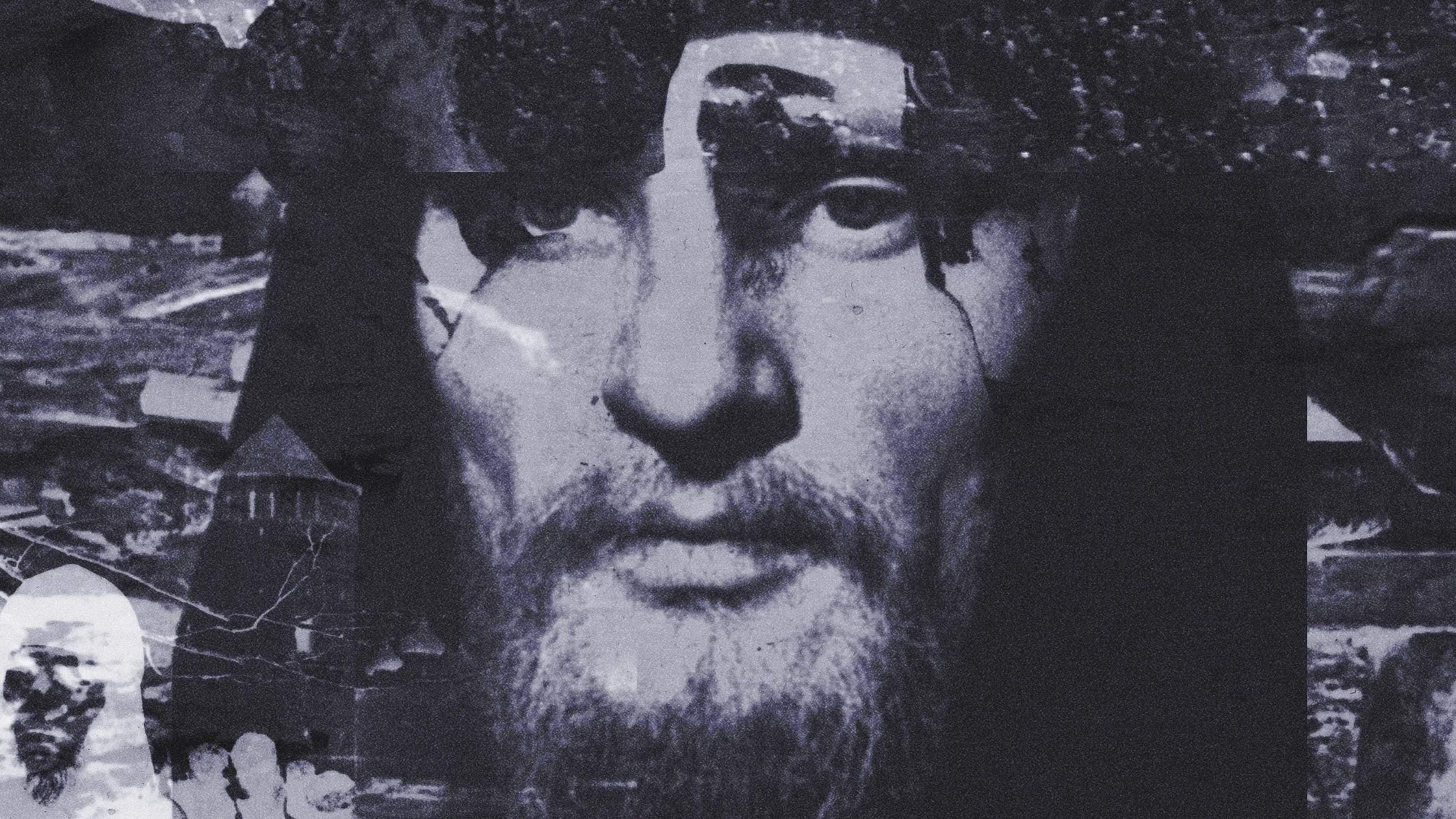
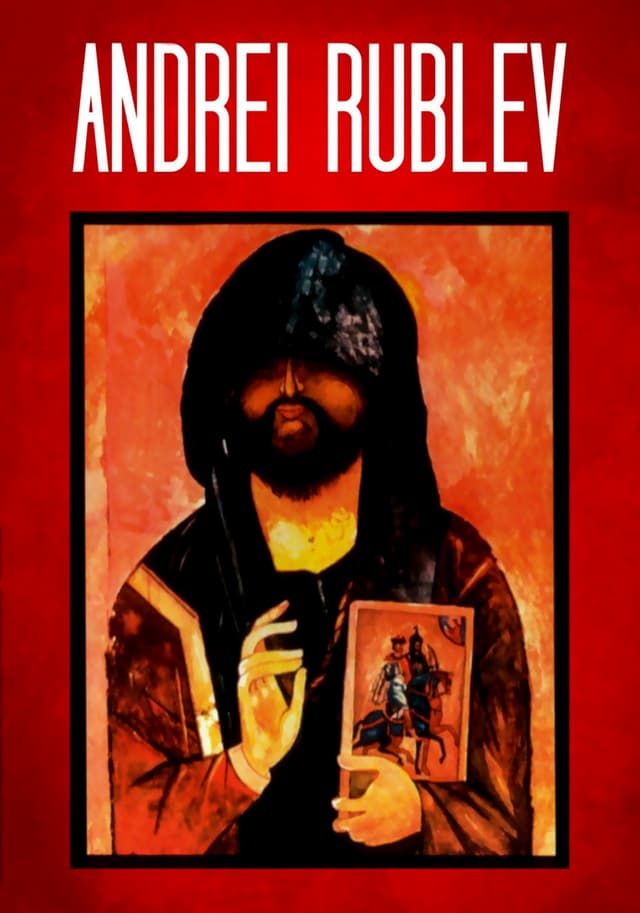
Andreiv Rublev charts the life of the great icon painter through a turbulent period of 15th Century Russian history, a period marked by endless fighting between rival Princes and by Tatar invasions.
What is the budget of Andrei Rublev?
"Andrei Rublev," a drama released in 1966, was directed by Andrei Tarkovsky and stars Anatoliy Solonitsyn, Ivan Lapikov. The production budget was $1,300,000, placing it in the micro-budget range for drama productions of the 1960s.
Key Budget Allocation Categories
While specific budget breakdowns are not publicly available, typical cost drivers for a drama production like this include:
- Above-the-Line Talent: Drama films live or die on the strength of their performances.
- Location Filming & Period Production Design: Authentic locations , whether contemporary or historical , require scouting, permits, travel, lodging, and often significant dressing to match the story's time period.
- Post-Production, Color Grading & Score: The editorial process for dramas is typically longer than genre films, with careful attention to pacing and tone.
- Casting: Tarkovsky cast Anatoly Solonitsyn for the role of Andrei Rublev.
What were the major cost factors in Andrei Rublev?
Several factors contributed to the overall production costs of "Andrei Rublev."
- Above-the-Line Talent: Above-the-Line Talent is one of the primary cost drivers in drama productions of this scale.
- Location Filming: Location Filming & Period Production Design is one of the primary cost drivers in drama productions of this scale.
- Post-Production: Post-Production, Color Grading & Score is one of the primary cost drivers in drama productions of this scale.
How Does Andrei Rublev's Budget Compare to Similar Films?
At $1,300,000, Andrei Rublev sits in the micro-budget range. Here is how it compares to productions with a similar budget:
- The Celebration (1998): Budget $1,300,000
- The Last Picture Show (1971): Budget $1,300,000, Worldwide Gross $29,133,000
- Drive My Car (2021): Budget $1,300,000, Worldwide Gross $15,356,046
- Mustang (2015): Budget $1,300,000, Worldwide Gross $5,300,000
- Nine Queens (2000): Budget $1,300,000, Worldwide Gross $12,413,888
The median budget for wide-release drama films in the era ranges from $30 to 80M for mid-budget to $150M+ for tentpoles.
Andrei Rublev Box Office Performance
"Andrei Rublev" earned $124,189 domestically and $24,173 worldwide at the box office. Against a production budget of $1,300,000, the film faced challenges in theatrical release. Home video, streaming, and ancillary revenue may have contributed to its overall performance.
A film typically needs to earn approximately twice its production budget to cover marketing and distribution costs. For "Andrei Rublev," that break-even threshold was roughly $2,600,000. With worldwide earnings of $24,173, the film did not reach break-even in theatrical release.
Box Office Breakdown
Andrei Rublev

At -98.1%, "Andrei Rublev" did not recoup its production budget through theatrical release alone.
Andrei Rublev Production History
Tarkovsky cast Anatoly Solonitsyn for the role of Andrei Rublev. At this time Solonitsyn was an unknown actor at a theater in Sverdlovsk. According to Tarkovsky everybody had a different image of the historical figure of Andrei Rublev, thus casting an unknown actor who would not remind viewers of other roles was his favoured approach.
According to Johnson, filming did not begin until April 1965, one year after approval of the script, with J. Hoberman reporting an earlier date of September 1964 for the start of filming in his film essay for the Criterion collection release of the film. The initial budget was 1.6 million Rbls, but it was cut several times to one million roubles (In comparison, Sergei Bondarchuk's War and Peace had a budget of eight and half million roubles).
Awards and Recognition
4 wins & 1 nomination total
Frequently Asked Questions
How much did it cost to make Andrei Rublev (1966)?
The production budget was $1,300,000, covering principal photography, cast and crew salaries, locations, sets, post-production, and music. Marketing and distribution (P&A) costs are estimated at an additional $650,000 - $1,040,000, bringing the total studio investment to approximately $1,950,000 - $2,340,000.
How much did Andrei Rublev (1966) earn at the box office?
Andrei Rublev grossed $124,189 domestic, $-100,016 international, totaling $24,173 worldwide.
Was Andrei Rublev (1966) profitable?
The film did not break even theatrically, earning $24,173 against an estimated $3,250,000 needed. Ancillary revenue may have improved the picture.
What were the biggest costs in producing Andrei Rublev?
The primary cost drivers were above-the-line talent (Anatoliy Solonitsyn, Ivan Lapikov, Mykola Hrynko); talent compensation, authentic period production design, and meticulous post-production.
How does Andrei Rublev's budget compare to similar drama films?
At $1,300,000, Andrei Rublev is classified as a micro-budget production. The median budget for wide-release drama films in the era ranges from $30 - 80M for mid-budget to $150M+ for tentpoles. Comparable budgets: The Celebration (1998, $1,300,000); The Last Picture Show (1971, $1,300,000); Drive My Car (2021, $1,300,000).
Did Andrei Rublev (1966) go over budget?
There are no widely reported accounts of significant budget overruns for this production. However, studios rarely disclose precise budget overrun figures publicly. The reported production budget reflects the final estimated cost.
What was the return on investment (ROI) for Andrei Rublev?
The theatrical ROI was -98.1%, calculated as ($24,173 − $1,300,000) ÷ $1,300,000 × 100. This measures gross revenue against production budget only - it does not account for P&A or exhibitor shares.
What awards did Andrei Rublev (1966) win?
4 wins & 1 nomination total.
Who directed Andrei Rublev and who were the key crew members?
Directed by Andrei Tarkovsky, written by Andrei Konchalovsky, Andrei Tarkovsky, shot by Vadim Yusov, with music by Vyacheslav Ovchinnikov, edited by Olga Shevkunenko, Tatyana Egorycheva.
Where was Andrei Rublev filmed?
Andrei Rublev was filmed in Soviet Union. According to Johnson, filming did not begin until April 1965, one year after approval of the script, with J. Hoberman reporting an earlier date of September 1964 for the start of filming in his film essay for the Criterion collection release of the film.
Filmmakers
Andrei Rublev

Official Trailer
Build budgets like this one in Saturation
Start from an industry-standard feature film template, import the schedule and rates you already have, and let the cost report keep itself current as you spend. Real-time collaboration, no spreadsheets.