A Face in the Crowd Budget
Updated
Synopsis
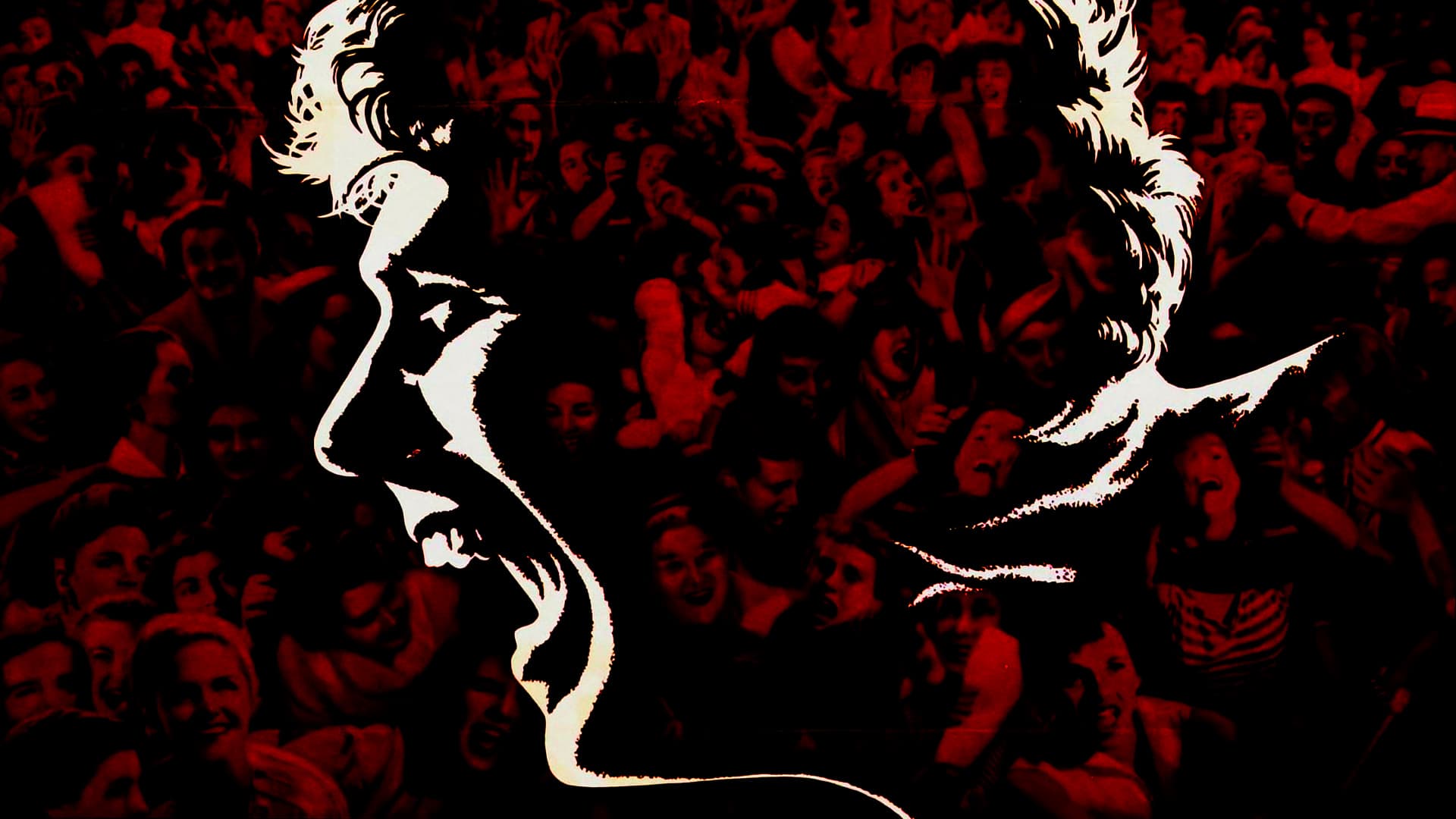
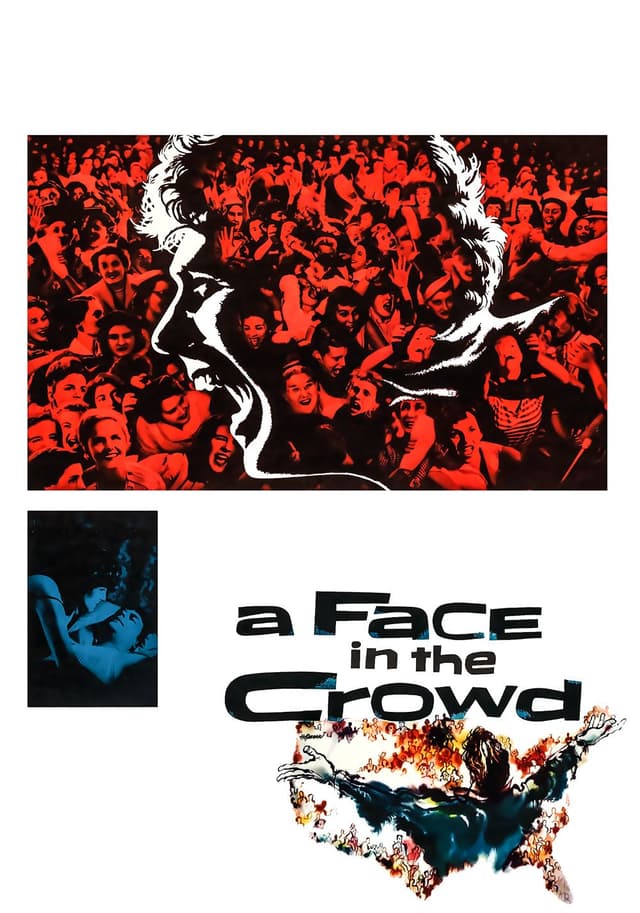
"A Face in the Crowd" charts the rise of a raucous hayseed named Lonesome Rhodes from itinerant Ozark guitar picker to local media rabble-rouser to TV superstar and political king-maker. Marcia Jeffries is the innocent Sarah Lawrence girl who discovers the great man in a back-country jail and is the first to fall under his spell.
What is known about the production of A Face in the Crowd?
"A Face in the Crowd," a drama released in 1957, was directed by Elia Kazan and stars Andy Griffith, Patricia Neal. The production budget has not been publicly disclosed, though Newtown Productions, Warner Bros. Pictures produced the film, making it a notable entry in the drama landscape whose financial details remain private.
Key Budget Allocation Categories
While specific budget breakdowns are not publicly available, typical cost drivers for a drama production like this include:
- Development: The film was produced under the working title of The Arkansas Traveler, Schulberg had stated that a conversation with friend Will Rogers Jr., son of Will Rogers,who was known for earthy anecdotes and folksy style,had inspired him to create the Lonesome Rhodes story.
- Casting: In April 1956, columnist Walter Winchell wrote that Andy Griffith was due to leave the cast of his Broadway show No Time for Sergeants at the end of July, vacation for a month and begin shooting the film.
- Filming & Locations: Location shooting occurred in Memphis, Piggott, Arkansas and Poplar Bluff, Missouri, where the fair and baton-twirling competition scenes were filmed.
- Music & Score: A stage musical version of A Face in the Crowd directed by Kwame Kwei-Armah began a run at the Young Vic in London on September 10, 2024.
What were the major cost factors in A Face in the Crowd?
Several factors contributed to the overall production costs of "A Face in the Crowd."
- Development: Development is one of the primary cost drivers in drama productions of this scale.
- Casting: Casting is one of the primary cost drivers in drama productions of this scale.
- Filming: Filming & Locations is one of the primary cost drivers in drama productions of this scale.
A Face in the Crowd Production History
The film was produced under the working title of The Arkansas Traveler, Schulberg had stated that a conversation with friend Will Rogers Jr., son of Will Rogers,who was known for earthy anecdotes and folksy style,had inspired him to create the Lonesome Rhodes story. The younger Rogers stated that his "father was so full of shit, because he pretends he's just one of the people, just one of the guys". Director Elia Kazan and Schulberg based the character of Lonesome Rhodes on Arthur Godfrey, as well as on Billy Graham and Huey Long..
In April 1956, columnist Walter Winchell wrote that Andy Griffith was due to leave the cast of his Broadway show No Time for Sergeants at the end of July, vacation for a month and begin shooting the film. Kazan and Schulberg spent much of July and August in Memphis and in Arkansas.
Location shooting occurred in Memphis, Piggott, Arkansas and Poplar Bluff, Missouri, where the fair and baton-twirling competition scenes were filmed. The Poplar Bluff scenes involved 5,000 extras paid $1 per hour, 380 dogs and baton twirlers and musicians from six high school bands from Arkansas and Missouri. Remick spent two weeks in Piggott with a teenage baton twirler to improve her twirling skill and local accent, although a double was utilized for several baton-twirling scenes.
Awards and Recognition
1 win & 1 nomination total
Critical Reception
In a contemporary review for The New York Times, critic Bosley Crowther called A Face in the Crowd a "sizzling and cynical exposure" and wrote: Lonesome Rhodes, the two-faced hero, is pretty much the whole show, and what he symbolizes in society is barely hinted,or discreetly overlooked. ... Everyone condescends to him,in the script of Mr. Schulberg, that is,instead of taking positive positions that would better represent reality. ...
Frequently Asked Questions
How much did it cost to make A Face in the Crowd (1957)?
The production budget has not been publicly disclosed.
How much did A Face in the Crowd (1957) earn at the box office?
Box office figures are not publicly available.
Was A Face in the Crowd (1957) profitable?
Insufficient data for a profitability assessment.
What were the biggest costs in producing A Face in the Crowd?
Specific cost breakdowns are not publicly available.
How does A Face in the Crowd's budget compare to similar drama films?
Without a confirmed budget, comparison is not possible.
Did A Face in the Crowd (1957) go over budget?
There are no widely reported accounts of significant budget overruns for this production. However, studios rarely disclose precise budget overrun figures publicly. The reported production budget reflects the final estimated cost.
What awards did A Face in the Crowd (1957) win?
1 win & 1 nomination total.
Who directed A Face in the Crowd and who were the key crew members?
Directed by Elia Kazan, written by Budd Schulberg, shot by Gayne Rescher, Harry Stradling Sr., with music by Tom Glazer, edited by Gene Milford.
Where was A Face in the Crowd filmed?
A Face in the Crowd was filmed in United States of America. Location shooting occurred in Memphis, Piggott, Arkansas and Poplar Bluff, Missouri, where the fair and baton-twirling competition scenes were filmed. The Poplar Bluff scenes involved 5,000 extras paid $1 per hour, 380 dogs and baton twirlers and musicians from six high school bands from Arkansas and Missouri.
Filmmakers
A Face in the Crowd

Official Trailer
Build budgets like this one in Saturation
Start from an industry-standard feature film template, import the schedule and rates you already have, and let the cost report keep itself current as you spend. Real-time collaboration, no spreadsheets.