Saturation - Shot in Idaho: Napoleon Dynamite

Idaho Film Tax Credit

Idaho Film Tax Credit

No Active Program

No Active Program

Incentive:

None

Minimum Spend:
N/A

Minimum Spend: N/A

Annual Cap: N/A

Project Cap: N/A

Apply for Incentive

More Info:

Idaho Film Tax Incentive: Current Status

Idaho does not have an active film tax incentive program as of 2026. The state has no state-sponsored cash rebate, transferable tax credit, or refundable production credit specific to the film or television industry. Productions choosing Idaho do so based on location value, lower operating costs, and logistical reasons rather than financial incentives from the state government.

Idaho Commerce, the state's economic development agency, does not list a film production incentive among its programs. The Idaho Film Office, which operates as a production support and location assistance resource, helps productions navigate permitting and location access but does not administer a financial incentive program.

Idaho's Filming History and Context

Idaho has attracted a modest but consistent volume of production over the decades, primarily for its natural landscape. The state's diverse terrain, including the Snake River Plain, Sawtooth Mountains, Craters of the Moon volcanic fields, Hells Canyon, and Sun Valley ski country, provides settings that are genuinely difficult to replicate elsewhere. Outdoor adventure content, nature documentaries, and productions requiring mountainous western settings have historically used Idaho as a location.

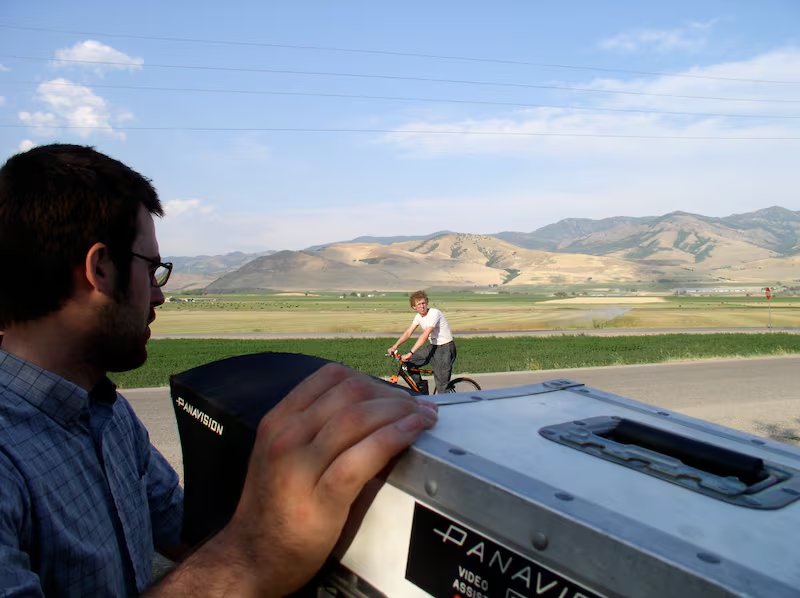
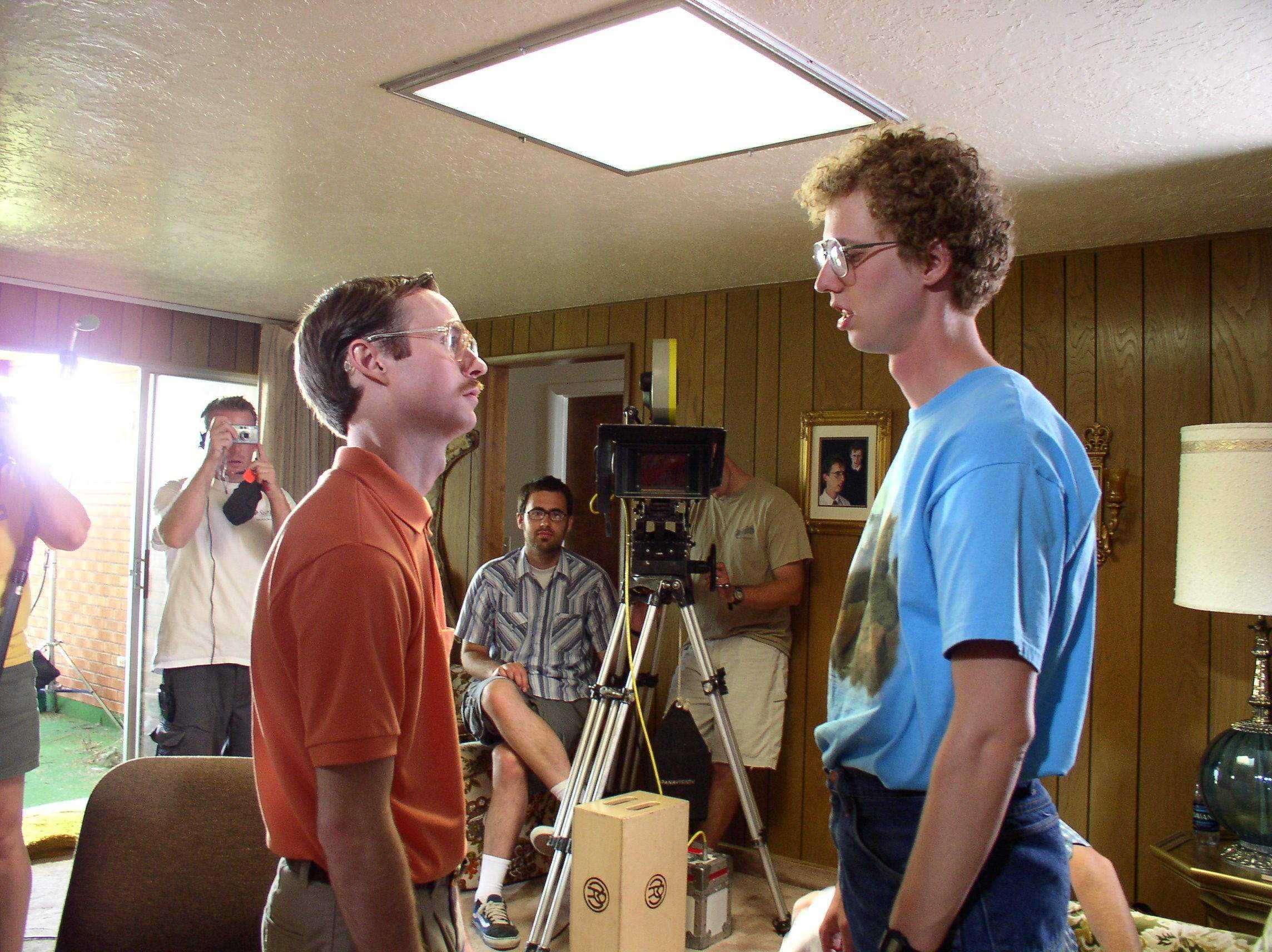
Major productions that have filmed in Idaho include "Napoleon Dynamite" (2004, shot in Preston and southeastern Idaho), several outdoor reality television series, and documentary projects. The state has also served as a stand-in for other locations when its terrain or architecture closely matches a needed setting.

The absence of a financial incentive has consistently limited Idaho's ability to compete for larger productions that have flexibility in choosing a state. A feature film that could shoot in Idaho or Montana, for example, would find Montana's available incentives (when funded) a significant advantage. Idaho's cost-competitiveness is real for productions that specifically need Idaho locations, but the state has not positioned itself as an incentive destination.

Why Idaho Has Not Enacted Film Incentives

Idaho's political and fiscal environment has historically been skeptical of industry-specific tax incentives. The state has a tradition of broad-based, low-rate taxation rather than targeted credits for specific industries. Legislative efforts to establish film incentive programs have been introduced occasionally but have not gained sufficient support to pass.

Economic arguments against film incentives, including evidence from other states that the credits are costly relative to permanent job creation, have resonated in Idaho's legislature. The state has generally prioritized business incentives that create long-term, year-round employment in manufacturing, technology, and agriculture rather than the project-based, transient employment model of film production.

Idaho Commerce does offer the Tax Reimbursement Incentive (TRI), a performance-based credit for companies creating new qualifying jobs in Idaho. This general business incentive is not film-specific and requires substantial permanent job creation that does not fit the production company model, so it is not practically relevant to most film and television productions.

What Productions Do Instead

Productions that want Idaho locations but need to manage incentive eligibility use several approaches:

Neighboring state incentives for crew-intensive sequences. Montana has offered a film incentive when funded, and both Washington and Oregon have established production incentive programs. Productions that can complete their interior sequences, studio work, or crew-intensive days in one of these states while limiting Idaho activity to the specific location footage they need can optimize incentive returns.

Sun Valley and outdoor production commercial arrangements. Sun Valley, Ketchum, and the surrounding area have established themselves as production destinations for outdoor luxury content, advertising, and commercial productions. Local vendors in this market have developed pricing structures that accommodate commercial production budgets even without state incentives.

Location-specific value proposition. For productions where Idaho's specific landscapes are irreplaceable to the story, the location value itself justifies the absence of incentives. A documentary about Idaho's wilderness areas or a drama set in a specific Idaho community requires the real location regardless of the incentive structure.

Lower overall production costs. Idaho's cost of living and local crew and vendor rates are lower than in major production hubs. While this does not replace a financial incentive, it partially offsets the disadvantage relative to states that offer both incentives and lower costs.

Idaho Filming Locations

Idaho's location portfolio includes several settings with strong production appeal:

Sawtooth Mountains. The Sawtooth Range near Stanley offers dramatic alpine scenery, pristine lakes, and wilderness settings that have been used for outdoor commercial photography, adventure documentaries, and recreation content. The area is remote but accessible via highway from Twin Falls or Sun Valley.

Snake River Plain. The broad flat Snake River valley floor, with the river canyon cutting through basalt lava fields, provides a distinctive high desert landscape. The Twin Falls area's Perrine Bridge and Shoshone Falls are visually distinctive locations with established commercial filming histories.

Sun Valley and Ketchum. This resort town in the Wood River Valley has world-class ski and outdoor amenities, historic downtown architecture, and a track record of hosting high-end commercial productions for fashion, automotive, and outdoor lifestyle brands.

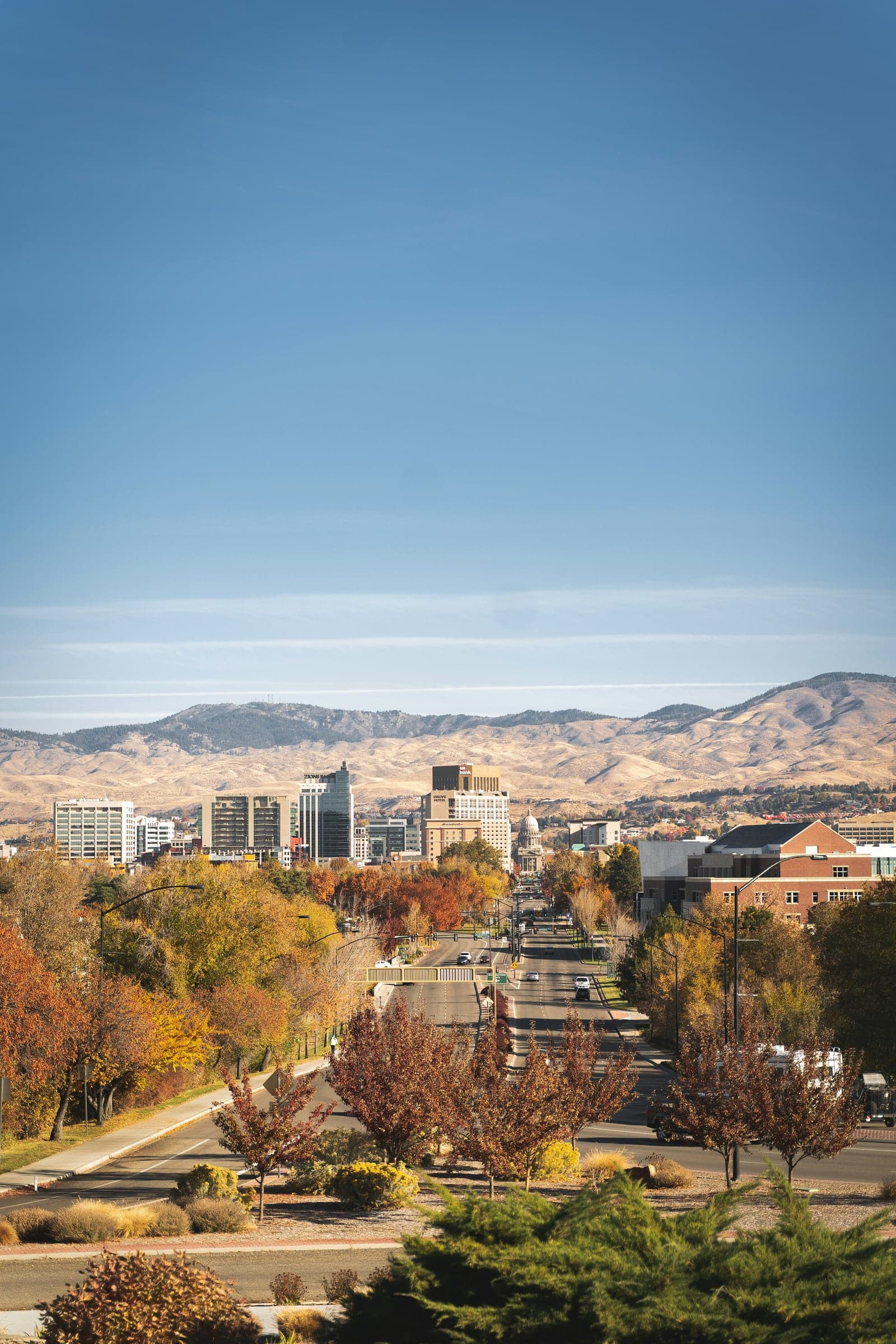
Boise. Idaho's capital and largest city has a walkable downtown core with the kind of mid-size city architecture and character that works for productions seeking authentic non-coastal urban settings. The Boise River Greenbelt and the foothills above the city provide accessible outdoor settings near urban infrastructure.

Craters of the Moon National Monument. This volcanic landscape on the Snake River Plain has an otherworldly quality suited to science fiction, post-apocalyptic, or extraterrestrial settings. The national monument is administered by the National Park Service, requiring commercial filming permits through the park's permit office.

Hells Canyon. North America's deepest river gorge on the Idaho-Oregon border provides dramatic vertical terrain accessible primarily by river or air. Productions using Hells Canyon typically require river guide services and specialized logistics.

Permitting in Idaho

Idaho's permitting landscape varies significantly by land ownership:

  • State lands: Idaho Department of Lands administers permits for filming on state endowment lands. The process is relatively streamlined for most commercial filming activities.

  • National forests: The U.S. Forest Service administers permits for filming in Idaho's national forests, including the Sawtooth, Payette, Boise, Nez Perce-Clearwater, and others. Processing times vary by district and season; applications should be submitted 30 to 60 days before planned filming.

  • National parks and monuments: National Park Service permits are required for Craters of the Moon, City of Rocks, and other NPS units. Commercial filming fees apply and vary by the scope of the production.

  • BLM lands: The Bureau of Land Management administers filming permits for federal lands outside national forests and parks, including much of the Snake River corridor and high desert areas.

  • Private lands: No state permit required for filming on private property with owner permission, but local municipal permits may be needed for street closures or other public activity in incorporated areas.

The Idaho Film Office (commerce.idaho.gov) provides location scouting assistance and can help productions identify the correct permitting agency for specific locations. The office does not charge for location assistance services.

Managing Idaho Production Budgets

Without a financial incentive to recover a portion of production costs, Idaho productions depend entirely on careful budgeting and cost management. Saturation's cloud-based production budgeting software gives production accountants and line producers real-time visibility into every cost category from pre-production through wrap.

For Idaho productions that split their shoot across multiple states, including neighboring states with active incentives, Saturation's split-location budget tracking keeps state-qualified expenditures separate from Idaho-only costs, ensuring the final accounting is clean and that the production maximizes its return in whichever states do offer incentive programs.

Future Outlook for Idaho Film Incentives

As of early 2026, there is no active legislation moving through the Idaho Legislature to establish a film production incentive. The state's political environment remains broadly skeptical of industry-targeted tax preferences, though advocates in the production and tourism industries continue to make the case that a modest, well-structured incentive could attract production spending without creating the fiscal risk that has plagued larger programs in other states.

Productions planning Idaho activity over the next several years should assume no state financial incentive will be available during that period and plan budgets accordingly. If legislation emerges, the Idaho Film Office website (commerce.idaho.gov/film) would be the first official source for program details and application information.

Idaho Film Office:

Applying for the credit?

Get Free Template

Use our budget template to add qualified expenses to the proper chart of accounts as required by the state.

Check out other states incentives: