Widows Budget
Updated
Synopsis
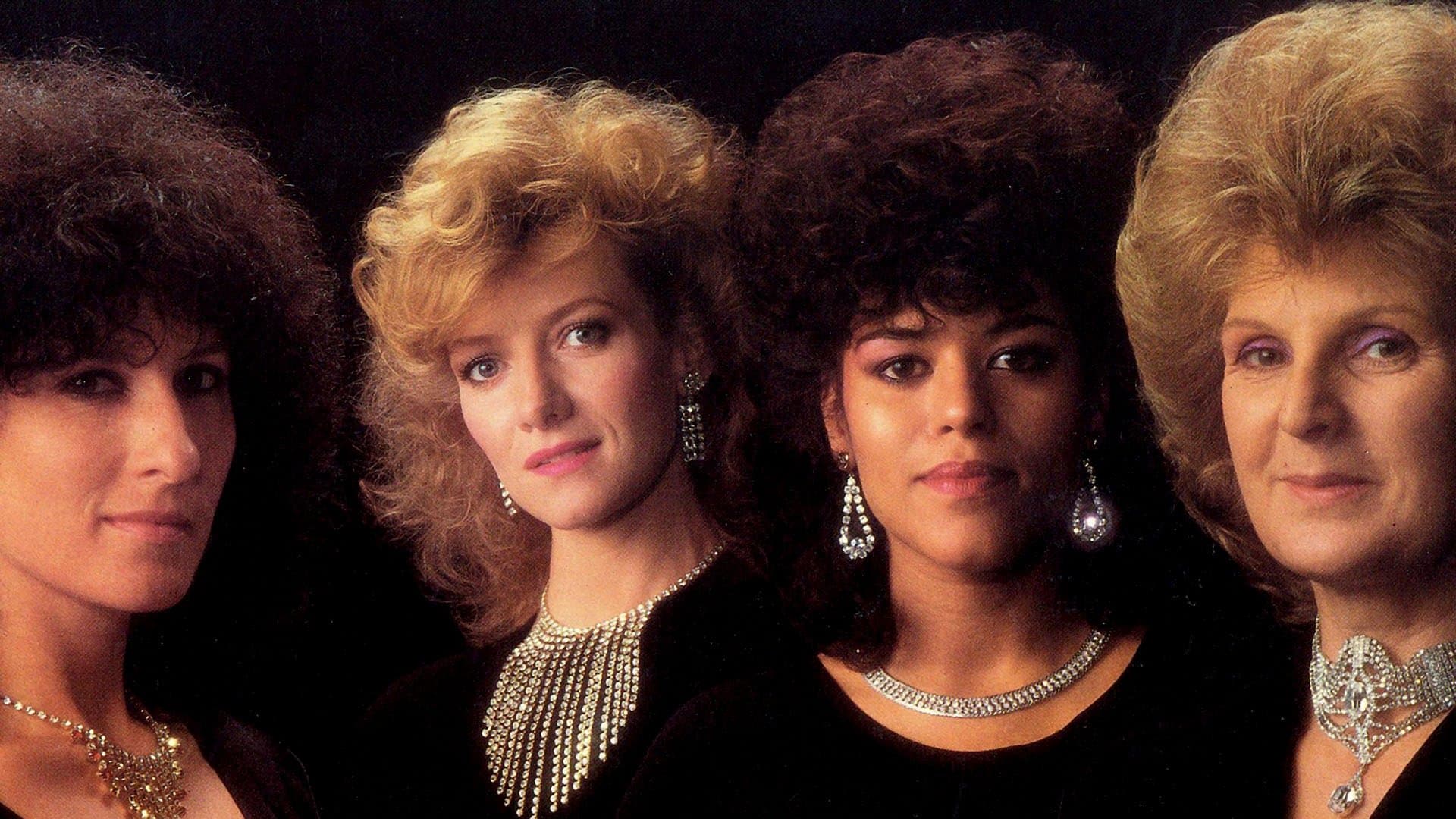
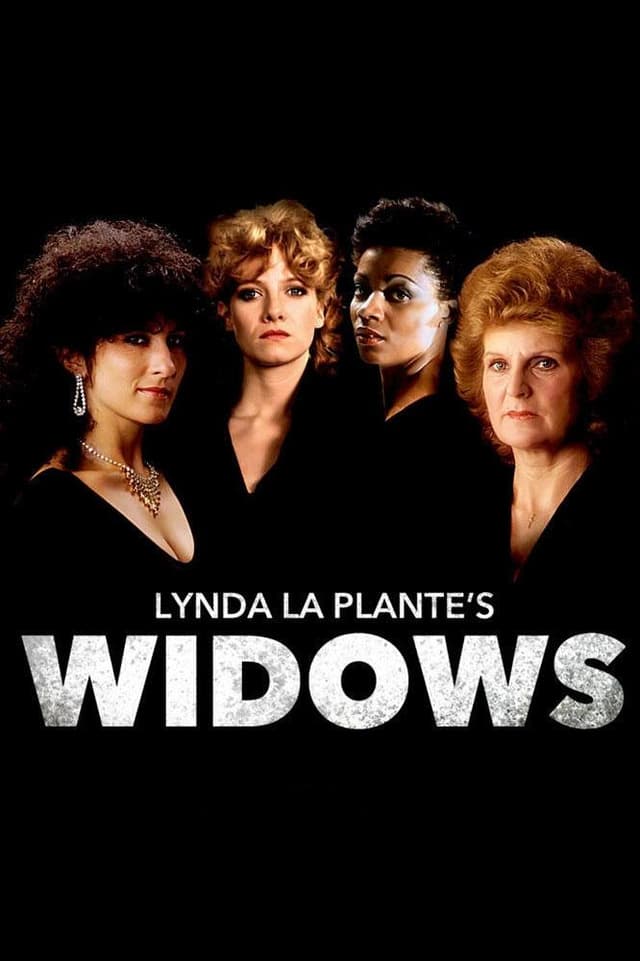
Widows (1983) follows Dolly Rawlins (Ann Mitchell) and three fellow widows of armed robbers killed during a botched heist as they carry out the same robbery their husbands had been planning, using their husbands' notebook plans to evade both rival London criminals and Detective Inspector Resnick's pursuit. The six-part ITV crime drama, written by Lynda La Plante and produced by Euston Films for Thames Television under executive producer Verity Lambert, premiered on ITV on 16 March 1983 and was followed by the 1985 sequel Widows 2 and the 1995 spin-off She's Out.
What Is the Budget of Widows (1983)?
Widows (1983), the British ITV crime drama written by Lynda La Plante and produced by Euston Films for Thames Television, was made on an estimated per-episode budget of approximately £200,000 to £300,000, or roughly $300,000 to $450,000 in 1983 US dollar terms. Across the original six-episode 1983 series and the subsequent six-episode 1985 sequel (Widows 2), the cumulative production spend is estimated at approximately $4,000,000 to $5,500,000 in period dollars. Specific ITV and Thames Television budgets from the early 1980s are not publicly disclosed, but the figures align with the upper band of British ITV-network primetime drama economics of the period.
Euston Films, the Thames Television feature-film and prestige-drama subsidiary led by executive producer Verity Lambert (the founding producer of Doctor Who in 1963 and an industry-shaping British television figure), positioned Widows in its top-tier drama slot. The series was Lynda La Plante's first television commission, written after her early career as an actress on the National Theatre and BBC drama, and the show fundamentally established La Plante as the leading British female crime-drama writer of the late twentieth century. The investment reflected Euston Films' confidence in La Plante's premise: four widows of armed robbers killed during a botched heist who carry out the same heist their husbands had planned.
Key Budget Allocation Categories
Widows' per-episode spend broke down across the cost centres typical of an early-1980s British ITV primetime drama, with several show-specific items reflecting its action and crime premise:
- Above-the-Line Cast: Ann Mitchell (Dolly Rawlins), Maureen O'Farrell (Linda Perelli), Fiona Hendley (Shirley Miller), Eva Mottley (Bella O'Reilly), and supporting cast Stephanie Fayerman (Audrey Withey), David Calder (Detective Inspector Resnick), Maurice O'Connell, and Paul Jesson commanded standard British ITV drama rates. The four widow leads, particularly Ann Mitchell's Dolly Rawlins anchor performance, established the show's ensemble core.
- London Location Production: Principal photography across London locations including East End streets, dockland warehouses, the Underground network, residential interiors, and motorway depots. The practical London location work absorbed substantial weekly production cost relative to a studio-bound ITV drama of the same period.
- Heist Sequence Action Choreography: The series's climactic heist sequence required dedicated stunt coordination, vehicle action choreography, weapons handling, and pyrotechnics support. The heist budget was the single largest action-sequence line item and was central to the show's commercial appeal as a female-led crime drama.
- Period Production Design: Production design covered the four widow households (each reflecting a distinct working-class to middle-class London social tier), the police investigation offices, the bank and depot interiors used in the heist, and the various nighttime exteriors. The art-department work absorbed standard ITV drama tier weekly cost.
- Original Music: Composer Stanley Myers wrote the title theme and underscore, with the show's distinctive synthesizer-led 1980s score reflecting the contemporary ITV drama aesthetic. The music budget was modest relative to the BBC drama benchmarks of the period.
- Camera and Lighting Package: The show was shot on 16mm film, the standard British primetime drama format of the period, with a contained camera and lighting package proportional to an early-1980s ITV drama production model.
- Thames Television Studio Integration: Studio interior work was completed at Thames Television's Teddington Studios, with the show benefiting from the integrated Thames in-house production support across pre-production, principal photography, and post-production. The integrated studio model reduced per-episode overhead relative to fully independent production.
- Editing and Delivery: Picture editing, sound, and ITV-network delivery ran through Thames Television's in-house post pipeline. The post workload was proportional to a six-episode primetime ITV drama, with standard delivery timelines for the autumn 1983 broadcast slot.
How Does Widows' Budget Compare to Similar Productions?
At an estimated £200,000 to £300,000 per episode, Widows sat in the upper band of early-1980s British ITV drama and well above standard BBC daytime or ITV daytime production. The comparison set illustrates how its production scale stacked up:
- The Sweeney (1975): Estimated per-episode budget approximately £150,000 to £200,000 ($350,000 to $475,000 in 1975 dollars). Euston Films and Thames Television's earlier flagship London-set crime drama operated at a similar tariff to Widows in adjusted dollars, anchored by similar London location production and similar action-sequence demands.
- Minder (1979): Estimated per-episode budget approximately £150,000 to £200,000 ($300,000 to $400,000 in 1979 dollars). Euston Films' subsequent London-set crime comedy operated at a comparable tariff to Widows, illustrating the consistent Euston Films production economics across the late 1970s and early 1980s.
- Auf Wiedersehen, Pet (1983): Estimated per-episode budget approximately £200,000 ($300,000 in 1983 dollars). Central Independent Television's ITV-network builders-abroad drama hit a similar tariff to Widows in the same 1983 broadcast year, illustrating the standard ITV drama band of the period.
- The Jewel in the Crown (1984): Estimated per-episode budget approximately £400,000 to £500,000 ($600,000 to $750,000 in 1984 dollars). Granada Television's lavish India-set Raj period drama cost roughly twice as much per episode as Widows, with substantially larger location production demands and a much larger ensemble cast.
- Hill Street Blues (1981): Estimated per-episode budget approximately $1,000,000 (1981 dollars). MTM Enterprises's NBC police drama, frequently mentioned alongside Widows as an early-1980s ensemble crime drama touchstone, cost roughly two to three times more per episode, reflecting the standard gap between US network drama and British ITV drama in the period.
Widows Season Performance and Syndication
Widows premiered on ITV on 16 March 1983 to strong opening ratings of approximately 12,500,000 to 15,000,000 UK overnight viewers, making it one of the highest-rated ITV dramas of the year. The economic framework across the run breaks down as follows:
- Per-Episode Budget: approximately $300,000 to $450,000 across the 1983 series (six episodes) and 1985 sequel Widows 2 (six episodes)
- Total Series Investment: approximately $4,000,000 to $5,500,000 across 12 total episodes
- Network: ITV in the United Kingdom (Wednesday primetime slot in 1983); A&E and PBS in the United States; broadcast in over 30 international territories
- Audience/Ratings: season-one premiere drew approximately 12,500,000 to 15,000,000 UK overnight viewers across the six-episode run; season-two 1985 figures held the audience in the 10,000,000 to 12,000,000 range
- International Distribution: Thames Television and Euston Films sold the show to over 30 international territories across the 1980s and 1990s; the series remains in active home-video and streaming catalogue rotation
- Library/Syndication Value: continues to perform as a Thames Television catalogue title; available on ITVX in the UK and on various international streaming partners
The original 1983 series and the 1985 sequel Widows 2 together comprise the core La Plante / Euston Films Widows franchise. A subsequent 1995 spin-off series, She's Out (also written by La Plante and produced by Cinema Verity / Carlton Television), continued Dolly Rawlins's narrative across an additional six-episode run. The Steve McQueen-directed 2018 Hollywood feature adaptation Widows, written by Gillian Flynn, brought the franchise full-circle to a major-studio cinematic production.
Widows Production History
Lynda La Plante, then a working actress at the National Theatre and on BBC and ITV drama, developed Widows as a deliberate response to what she perceived as the lack of substantial female lead roles in British crime drama. La Plante wrote the six-part screenplay in 1981 to 1982 and pitched the project to Euston Films executive producer Verity Lambert. Lambert, a defining figure in British television since her founding production of Doctor Who in 1963, immediately commissioned the series for the Thames Television ITV-network primetime slot.
Pre-production began in 1982. Director Ian Toynton was attached to direct the first series. Lambert and Toynton cast Ann Mitchell as Dolly Rawlins, the widow of the gang leader Harry Rawlins, after Mitchell's earlier work in The Cheaters (1960) and various BBC drama. The supporting widow leads, Maureen O'Farrell (Linda Perelli), Fiona Hendley (Shirley Miller), and Eva Mottley (Bella O'Reilly), were cast across late 1982. David Calder joined as Detective Inspector George Resnick, the police investigator pursuing the widows across the series.
Principal photography for the original 1983 series ran across late 1982 and early 1983 on practical London locations and at Thames Television's Teddington Studios. The climactic heist sequence, filmed across multiple London dockland and warehouse locations, anchored the production schedule and absorbed the largest single action-sequence budget. The series premiered on ITV on 16 March 1983 and ran across six weekly Wednesday primetime episodes through 20 April 1983.
The 1985 sequel Widows 2 was commissioned on the strength of the original series's ratings and critical reception. La Plante wrote the second six-episode series with returning leads Ann Mitchell, Maureen O'Farrell, and Fiona Hendley (Eva Mottley had tragically died in February 1985 before production), and the sequel followed the surviving widows' attempts to recover the heist money from their husbands' Spanish hideaway. Widows 2 broadcast on ITV across spring 1985. The 1995 spin-off She's Out, written by La Plante for Cinema Verity / Carlton Television, completed the original-trilogy continuation of Dolly Rawlins's narrative.
Awards and Recognition
Widows received significant British television industry recognition. The original 1983 series was nominated for the British Academy Television Award for Best Drama Series or Serial at the 1984 BAFTA Television Awards. Ann Mitchell's lead performance as Dolly Rawlins received Royal Television Society and BAFTA recognition, and the show became one of the highest-rated and most discussed ITV dramas of the early 1980s.
Retrospective canonisation has been substantial. The British Film Institute's 2000 ranking of the 100 Greatest British Television Programmes placed Widows in the top tier. The show has been frequently cited in retrospective coverage of female-led crime drama as a defining series that established the template for subsequent productions including Lynda La Plante's own Prime Suspect (1991), Helen Mirren's Helen Mirren as Jane Tennison, and the broader 1990s and 2000s wave of female-led British crime drama. Steve McQueen's 2018 Hollywood feature adaptation, written by Gillian Flynn, anchored a renewed wave of critical attention to the original 1983 series.
Critical Reception
Widows received broadly positive reviews on its 1983 ITV broadcast and was a major British television event of the year. The Times in 1983 called the show "a serious, propulsive, and notably feminist take on the British crime drama," and The Daily Telegraph praised Ann Mitchell's "controlled, magnetic" lead performance as Dolly Rawlins. The Guardian's Nancy Banks-Smith called the show "the most surprising and refreshing piece of British television drama of the year."
The show's critical reception was anchored by its deliberate inversion of crime drama gender conventions: rather than positioning the four widows as victims awaiting rescue or revenge, La Plante structured the screenplay as a heist procedural with the widows as competent operational protagonists carrying out the criminal enterprise their husbands had been planning. The deliberate feminist framing has been frequently cited in subsequent retrospective coverage as a defining moment in British female-led crime drama.
Retrospective reappraisal has been overwhelmingly positive. The Radio Times's 2010 ranking of the greatest ITV dramas of all time placed Widows in the top 10. The BFI's 2000 ranking of the 100 Greatest British Television Programmes placed the show in the top tier. The 2018 Steve McQueen feature adaptation, written by Gillian Flynn and starring Viola Davis, Michelle Rodriguez, Elizabeth Debicki, and Cynthia Erivo, anchored renewed critical attention to the original 1983 series and confirmed Widows's status as a foundational text of female-led British crime drama.
Frequently Asked Questions
How much did Widows (1983) cost to produce?
Estimated per-episode budget approximately £200,000 to £300,000 (roughly $300,000 to $450,000 in 1983 US dollar terms). Specific ITV and Thames Television budgets from the early 1980s are not publicly disclosed, but the figures align with the upper band of British ITV-network primetime drama economics of the period. Cumulative production spend across the 1983 series and 1985 sequel Widows 2 is estimated at approximately $4,000,000 to $5,500,000 in period dollars.
Who created Widows (1983)?
Lynda La Plante, then a working actress at the National Theatre and on BBC and ITV drama, wrote Widows as her debut television commission. La Plante developed the six-part screenplay in 1981 to 1982 as a deliberate response to what she perceived as the lack of substantial female lead roles in British crime drama. Euston Films executive producer Verity Lambert commissioned the series for the Thames Television ITV-network primetime slot.
Is Widows (1983) the same as the 2018 Steve McQueen film?
The 2018 Hollywood feature Widows, directed by Steve McQueen and written by Gillian Flynn, is an adaptation of the 1983 ITV series. The McQueen film transplants the premise from London to Chicago and stars Viola Davis, Michelle Rodriguez, Elizabeth Debicki, and Cynthia Erivo. Both productions share the core premise of widows of armed robbers carrying out the same heist their husbands had been planning.
Who stars in Widows (1983)?
Ann Mitchell stars as Dolly Rawlins, the widow of gang leader Harry Rawlins. Maureen O'Farrell plays Linda Perelli, Fiona Hendley plays Shirley Miller, and Eva Mottley plays Bella O'Reilly. David Calder plays Detective Inspector George Resnick, the police investigator pursuing the widows. The four widow leads anchor the show's ensemble core.
How many seasons and episodes of Widows are there?
Two series of six episodes each aired on ITV, for a total of 12 episodes. The original Widows ran from 16 March to 20 April 1983 (six episodes). The sequel Widows 2 ran across spring 1985 (six episodes). A 1995 spin-off series, She's Out, also written by Lynda La Plante and produced by Cinema Verity / Carlton Television, continued Dolly Rawlins's narrative across an additional six-episode run.
Where was Widows (1983) filmed?
Principal photography for the original 1983 series ran across late 1982 and early 1983 on practical London locations and at Thames Television's Teddington Studios. London location work included East End streets, dockland warehouses, the Underground network, residential interiors, and motorway depots. The climactic heist sequence was filmed across multiple London dockland and warehouse locations.
What was the rating of Widows (1983)?
Widows premiered on ITV on 16 March 1983 to strong opening ratings of approximately 12,500,000 to 15,000,000 UK overnight viewers, making it one of the highest-rated ITV dramas of the year. The 1985 sequel Widows 2 held the audience in the 10,000,000 to 12,000,000 range across its six-episode run.
How does Widows compare to other British crime dramas?
At approximately £200,000 to £300,000 per episode, Widows sat in the upper band of early-1980s British ITV drama, at price parity with Euston Films stablemates The Sweeney (1975) and Minder (1979). The Jewel in the Crown (1984), Granada Television's lavish India-set Raj period drama, cost roughly twice as much per episode. NBC's Hill Street Blues (1981), frequently mentioned alongside Widows as an early-1980s ensemble crime drama touchstone, cost roughly two to three times more per episode.
Did Widows (1983) win any awards?
The original 1983 series was nominated for the British Academy Television Award for Best Drama Series or Serial at the 1984 BAFTA Television Awards. Ann Mitchell's lead performance as Dolly Rawlins received Royal Television Society and BAFTA recognition. The BFI's 2000 ranking of the 100 Greatest British Television Programmes placed Widows in the top tier, and Radio Times's 2010 ranking of the greatest ITV dramas of all time placed the show in the top 10.
Where can I watch Widows (1983)?
The original 1983 series and the 1985 sequel Widows 2 are available on ITVX in the United Kingdom. Various international streaming partners and home-video releases provide access in other territories. The show has remained in active catalogue rotation since its original broadcast and is frequently cited in retrospective coverage of female-led British crime drama.
Filmmakers
Widows

Official Trailer
Build budgets like this one in Saturation
Start from an industry-standard feature film template, import the schedule and rates you already have, and let the cost report keep itself current as you spend. Real-time collaboration, no spreadsheets.