We Summon the Darkness Budget
 HorrorThriller1h 31m
Updated
Synopsis
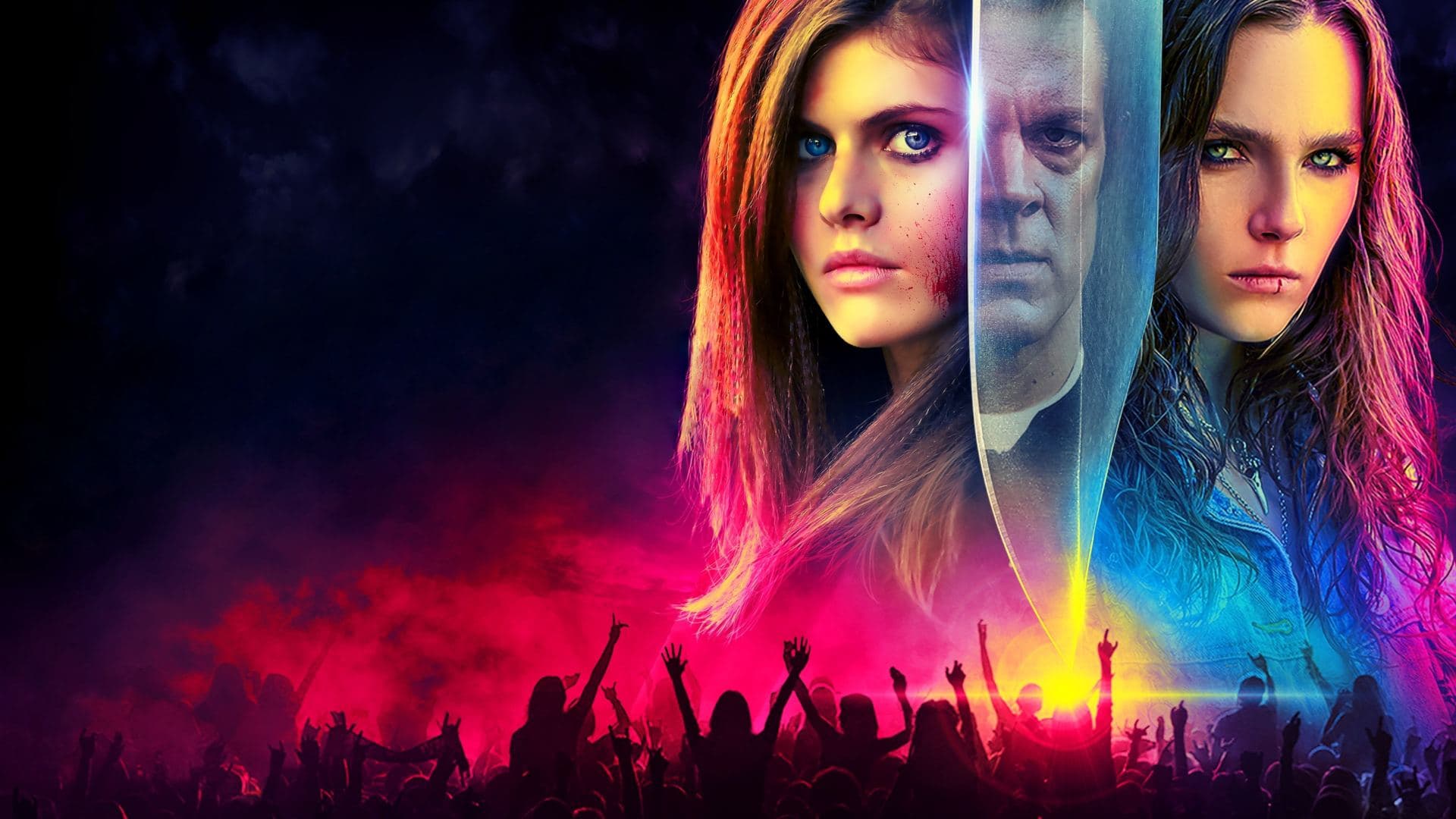
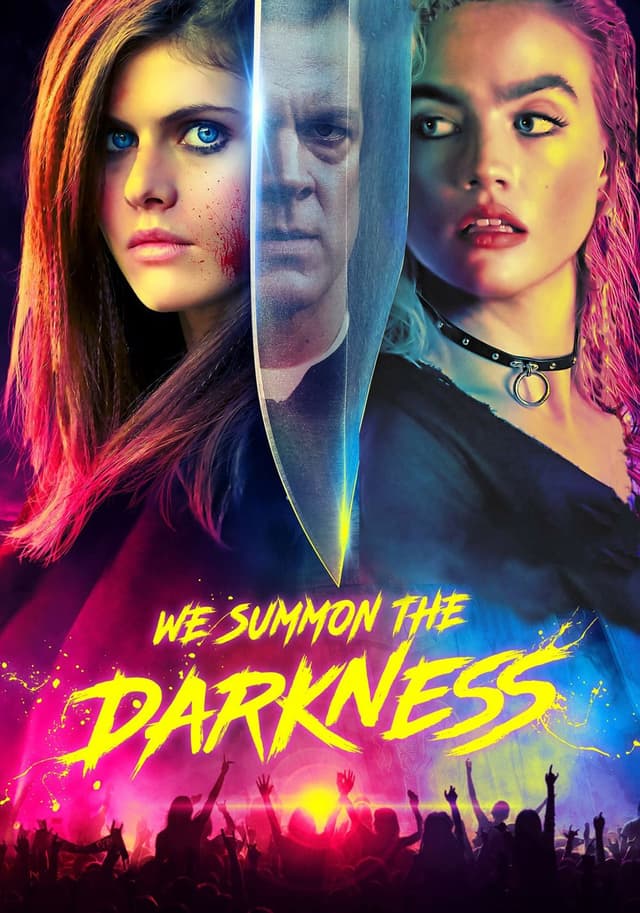
In 1988, three young women road-trip to a heavy-metal concert and pick up three local guys for an after-party at a remote farmhouse. As news of satanic-cult murders spreads across the Midwest, the night descends into a violent game of bait and switch, with each side trying to convince itself of who the predators in the room really are.
What Is the Budget of We Summon the Darkness (2020)?
We Summon the Darkness (2020), directed by Marc Meyers, was produced on an estimated budget of approximately $5,000,000. The figure was not publicly disclosed by the producers but is consistent with the broader independent horror financing tier in which Goldrush Entertainment, Phiphen Pictures, and Vincent Newman Entertainment operated. Saban Films acquired North American distribution rights ahead of the 2019 production wrap and handled the limited theatrical and digital release on April 10, 2020.
At approximately $5,000,000, We Summon the Darkness typified the contemporaneous Saban Films independent horror tier: a recognizable scream-queen lead in Alexandra Daddario (Texas Chainsaw 3D, San Andreas), a single-location Winnipeg-based shoot, a deliberate 1988 period setting that required compact production design rather than elaborate effects, and a hybrid digital-and-limited-theatrical release strategy that prioritized PVOD and home-entertainment revenue. The production also drew on Daddario's producer credit, with the actor taking a fee structure that combined acting and producing compensation.
Key Budget Allocation Categories
We Summon the Darkness' estimated $5,000,000 budget covered a tight independent horror allocation:
- Above-the-Line Talent: Alexandra Daddario, post-True Detective and San Andreas, took the lead at a streaming-era indie-horror rate alongside a producer fee. Maddie Hasson (Impulse) and Amy Forsyth (CODA) filled out the female trio at rising-talent rates. Johnny Knoxville (Jackass) took a supporting role as the evangelical pastor at a featured-cameo bracket. Director Marc Meyers, post-My Friend Dahmer (2017), took a feature-director rate consistent with the indie-horror tier.
- Manitoba Location Shoot: Principal photography took place in and around Winnipeg, Manitoba in early 2019, with the city doubling for Midwestern American settings. The Manitoba Film and Video Production Tax Credit and the Manitoba Production Services Tax Credit programs provided substantial refundable credits on qualified Canadian labor and services, anchoring the production's below-the-line economics.
- Production Design and 1988 Period Detail: Production designer Daniel Boxer anchored the film's 1988 period aesthetic on a contained budget, with practical farmhouse interiors, period-correct heavy-metal concert exteriors, and 1980s vehicles dressed across the compact shoot. Costume designer Patti Henderson worked across the film's 1980s wardrobe, with multiple character-specific changes that defined the visual contrast between the three female and three male principals.
- Music Licensing and Score: The soundtrack relied on era-appropriate heavy-metal needle drops cleared at the independent-feature rate. The music licensing budget supported the central concert sequence and the broader 1988-era sonic palette. Composer Timothy Williams provided the original underscore alongside the licensed tracks.
- Practical Effects and Stunts: The film's violent set pieces relied heavily on practical effects, with limited digital augmentation. Stunt coordinator Bobby Z and a small effects team handled the on-set practical work, with squib effects, blood gags, and choreographed combat across the contained farmhouse interior environment.
- Post-Production and Distribution Delivery: Editing by Phillip J. Bartell, sound design, color grading, and the original score recording were completed in Los Angeles across the second half of 2019. Saban Films handled the North American limited theatrical and digital release on April 10, 2020, with the originally planned April 10 theatrical opening coincidentally landing in the early weeks of the COVID-19 theatrical shutdown.
How Does We Summon the Darkness' Budget Compare to Similar Films?
At approximately $5,000,000, We Summon the Darkness sits in the contemporaneous independent horror tier alongside other Saban Films and equivalent specialty releases:
- Ready or Not (2019): Budget approximately $6,000,000 | Worldwide $57,615,491. Matt Bettinelli-Olpin and Tyler Gillett's Samara Weaving-led wedding-night horror operated at a similar budget on a wider theatrical release through Fox Searchlight and earned more than 11 times its budget worldwide.
- The Babysitter (2017): Budget approximately $4,000,000 | Worldwide N/A (Netflix). McG's Samara Weaving-led horror comedy operated at roughly 80 percent of We Summon the Darkness' budget on a Netflix streaming-exclusive release and earned a strong audience engagement metric.
- You're Next (2011): Budget approximately $1,000,000 | Worldwide $26,888,894. Adam Wingard's Sharni Vinson-led home-invasion horror operated at one fifth of We Summon the Darkness' budget and earned approximately 27 times its production cost worldwide through Lionsgate, illustrating the upside ceiling for the genre on a theatrical release.
- Tragedy Girls (2017): Budget approximately $4,000,000 | Worldwide $108,663. Tyler MacIntyre's Brianna Hildebrand-Alexandra Shipp comedy-horror operated at approximately 80 percent of We Summon the Darkness' budget on a limited theatrical release and built a cult home-entertainment following.
- Mandy (2018): Budget approximately $6,000,000 | Worldwide $1,468,962. Panos Cosmatos' Nicolas Cage-led psychedelic horror operated at a comparable budget on a deliberate art-house limited theatrical release and built strong critical and cult home-entertainment momentum.
We Summon the Darkness Box Office Performance
We Summon the Darkness opened in a limited North American theatrical release and simultaneously on PVOD platforms on April 10, 2020, through Saban Films. The release coincided with the early weeks of the COVID-19 theatrical shutdown, which collapsed the planned modest theatrical footprint and shifted the recoupment math entirely toward the digital-purchase and home-entertainment cycle.
Box Office Breakdown
We Summon the Darkness

We Summon the Darkness' theatrical gross was effectively zero given the April 2020 theatrical shutdown. The film's recoupment cycle depended entirely on the PVOD launch through Saban Films' digital partners (Amazon, iTunes, Vudu, and Google Play), where the film performed within the Saban Films category benchmark for hybrid genre releases of the period. The combined home-entertainment and international rollout extended through 2020 and into 2021, with the streaming pickup contributing additional revenue through the multi-window cycle.
The strategic value to Saban Films centered on the strong Alexandra Daddario brand association, the broader 1980s heavy-metal-horror category that delivered consistent home-entertainment engagement, and the catalog supplement to the Saban Films horror line. The film's strong digital purchase performance during the early COVID-19 weeks reflected the contemporaneous shift in consumer behavior away from theatrical and toward at-home premium genre programming.
We Summon the Darkness Production History
Screenwriter Alan Trezza developed the We Summon the Darkness script through the late 2010s, drawing on the 1980s Satanic Panic moral-panic moment that animated American suburban anxieties around heavy metal music and youth culture. The script circulated through the independent-horror development ecosystem and was acquired by Goldrush Entertainment in 2018 for production.
Director Marc Meyers, fresh off the critically acclaimed My Friend Dahmer (2017), came aboard in 2018 on the strength of his ability to deliver psychologically textured genre material on a contained budget. Alexandra Daddario, post-True Detective and San Andreas, took the lead and a producer credit in late 2018. Maddie Hasson, Amy Forsyth, and Johnny Knoxville rounded out the principal cast through early 2019.
Principal photography took place in and around Winnipeg, Manitoba in early 2019, with the city doubling for Midwestern American settings. The Manitoba Film and Video Production Tax Credit and the Manitoba Production Services Tax Credit programs provided substantial refundable credits on qualified Canadian labor and services, anchoring below-the-line economics. The shoot encompassed a central farmhouse location, a Winnipeg concert venue standing in for the heavy-metal show, and surrounding Manitoba exteriors used for the road-trip narrative beats.
Post-production was completed across the second half of 2019 in Los Angeles, with Saban Films acquiring North American distribution rights ahead of the production wrap. The originally planned April 10, 2020 theatrical opening coincidentally landed in the early weeks of the COVID-19 theatrical shutdown, which shifted the recoupment math toward the PVOD and home-entertainment windows that followed.
Awards and Recognition
We Summon the Darkness received modest awards recognition consistent with the independent-horror specialty tier. The film drew Fangoria Chainsaw Award consideration in the supporting actress and original screenplay categories. The broader awards landscape did not engage with the title at the major industry ceremonies.
The film's legacy within the awards conversation has centered on the strong Alexandra Daddario performance and on the screenplay's engagement with the 1980s Satanic Panic moment. The film was not nominated at the Academy Awards, BAFTA Film Awards, Saturn Awards, or Independent Spirit Awards. Its broader cultural footprint has been concentrated within the contemporary horror-genre community rather than the mainstream awards conversation.
Critical Reception
We Summon the Darkness received mixed-to-positive reviews. The film holds a 51 percent approval rating on Rotten Tomatoes based on 49 critic reviews, with a critical consensus that called it "more of a wicked twist on a familiar premise than the genre overhaul one might hope for." On Metacritic, the film scored 49 out of 100, indicating mixed or average reviews.
Critics broadly praised Alexandra Daddario's lead performance and the screenplay's twist-based structural choice, which reframes the audience's sympathies partway through the running time. The Hollywood Reporter's Jordan Mintzer called Daddario "the film's genuine asset," while Variety's Owen Gleiberman wrote that the screenplay "delivers a more clever genre setup than the contemporary indie-horror norm."
Critics objected to the screenplay's reliance on familiar Satanic Panic motifs, the underbaked Johnny Knoxville subplot, and the conventional third-act structural beats. The mixed critical reception did not impede the film's PVOD and home-entertainment performance, which exceeded Saban Films' internal benchmarks for the category and supported the film's sustained presence in streaming-era horror programming through 2021 and beyond.
Frequently Asked Questions
How much did it cost to make We Summon the Darkness (2020)?
The production budget was not publicly disclosed but is estimated at approximately $5,000,000, consistent with the contemporaneous Saban Films independent horror tier. The film was produced by Goldrush Entertainment, Phiphen Pictures, and Vincent Newman Entertainment, with Saban Films handling North American distribution.
How much did We Summon the Darkness earn at the box office?
The film grossed minimal theatrical revenue (under $100,000) because its April 10, 2020 opening coincided with the COVID-19 theatrical shutdown. Recoupment shifted entirely to the PVOD launch through Saban Films' digital partners, where the film performed within the company's category benchmark for hybrid genre releases of the period.
Was We Summon the Darkness profitable?
The film's recoupment depended on the PVOD and home-entertainment cycle that followed the collapsed theatrical opening. The combined digital purchase, home-entertainment, international, and subsequent streaming windows are estimated to have delivered a break-even to modest profit on the multi-window basis, against the estimated $5,000,000 production budget plus marketing.
Who directed We Summon the Darkness?
Marc Meyers directed the film, working from a screenplay by Alan Trezza. Meyers previously directed the critically acclaimed My Friend Dahmer (2017), which established his ability to deliver psychologically textured genre material on a contained budget.
Where was We Summon the Darkness filmed?
Principal photography took place in and around Winnipeg, Manitoba in early 2019, with the city doubling for Midwestern American settings. The Manitoba Film and Video Production Tax Credit and the Manitoba Production Services Tax Credit programs provided substantial refundable credits on qualified Canadian labor and services, anchoring the production's below-the-line economics.
Who stars in We Summon the Darkness?
The film stars Alexandra Daddario, Maddie Hasson, and Amy Forsyth as the three road-tripping women, with Logan Miller, Keean Johnson, and Austin Swift as the three local guys. Johnny Knoxville appears in a supporting role as the evangelical pastor. Daddario also produced through her producer fee structure.
Is We Summon the Darkness based on a true story?
No. We Summon the Darkness is an original screenplay by Alan Trezza. The film draws on the broader 1980s Satanic Panic moral-panic moment that animated American suburban anxieties around heavy metal music and youth culture, but the specific narrative and characters are entirely fictional.
How does We Summon the Darkness compare to other indie horror films?
We Summon the Darkness' estimated $5,000,000 budget sits in the lower-mid independent horror tier. Ready or Not (2019) operated at $6,000,000 and grossed $57,615,491 worldwide, demonstrating the upside ceiling. The Babysitter (2017) operated at $4,000,000 and earned strong Netflix engagement. You're Next (2011) at $1,000,000 set the genre's lower-budget benchmark.
What did critics think of We Summon the Darkness?
The film received mixed-to-positive reviews, with a 51 percent approval rating on Rotten Tomatoes from 49 critics and a 49 out of 100 Metacritic score indicating mixed or average reviews. Critics praised Alexandra Daddario's lead performance and the twist-based structural choice but objected to familiar Satanic Panic motifs and conventional third-act beats.
Did We Summon the Darkness win any awards?
The film received modest awards recognition, including Fangoria Chainsaw Award consideration in the supporting actress and original screenplay categories. It was not nominated at the major industry ceremonies, including the Academy Awards, BAFTA Film Awards, Saturn Awards, or Independent Spirit Awards.
Filmmakers
We Summon the Darkness

Official Trailer
Build budgets like this one in Saturation
Start from an industry-standard feature film template, import the schedule and rates you already have, and let the cost report keep itself current as you spend. Real-time collaboration, no spreadsheets.