Underground Budget
Updated
Synopsis
The lives of three people entwine in Beijing's Underground City.
What Is the Budget of Underground (2016)?
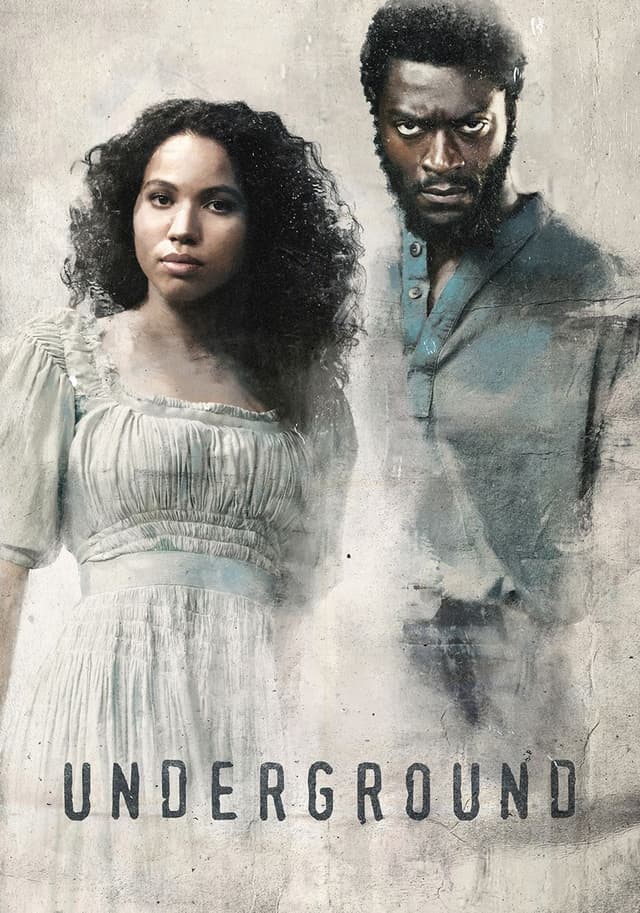
Underground, the WGN America drama series about the Underground Railroad, carried a production budget of approximately $5 million per episode, a significant commitment for a cable network that had not previously produced scripted drama at that scale. The show debuted on March 9, 2016, and ran for two seasons totaling 20 episodes before being cancelled in May 2017. At $5 million per episode across two seasons, the total production investment was approximately $100 million, making it one of the most expensive original series in WGN America's history and a substantial bet on prestige television for a network better known for syndicated programming.
Key Budget Allocation Categories
The Underground budget reflected the demands of a period drama set in the antebellum American South, requiring extensive location work, large-scale set construction, and a substantial cast of both leads and supporting players.
- Period Production Design: Recreating plantation Georgia in the 1850s required constructing working plantation sets, period-accurate slave quarters, and authentic interior spaces. Season 1 filmed in Baton Rouge, Louisiana, and Season 2 moved to Savannah, Georgia, both requiring significant location fees and set dressing costs.
- Costume and Wardrobe: Period-accurate costuming for a large ensemble cast across antebellum settings required dedicated period costume designers and large wardrobe budgets. Costume design received specific industry recognition for its authenticity.
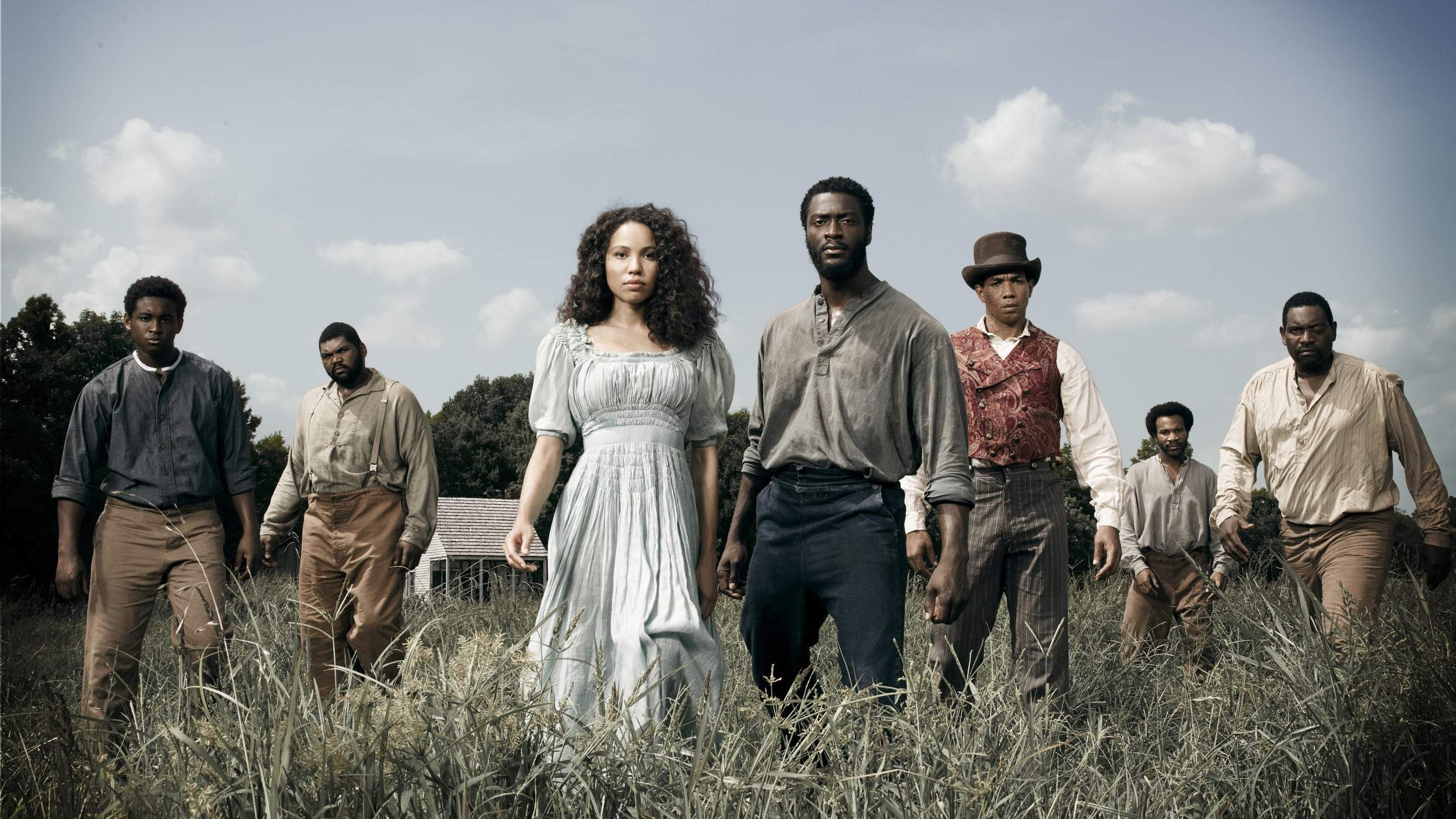
- Ensemble Cast Salaries: The series featured a large principal cast including Aldis Hodge, Jurnee Smollett-Bell, Christopher Meloni, Alano Miller, and Amirah Vann, with corresponding salaries and a significant number of recurring guest performers.
- Music Licensing and Original Score: Underground became known for its anachronistic use of contemporary music, including hip-hop and R&B tracks by artists including John Legend (an executive producer) and Kanye West, layered over period imagery. Licensing costs for this approach were notable.
- Stunt and Action Coordination: Escape sequences, chase scenes, and confrontations between freedom-seeking enslaved people and slave catchers required specialized stunt coordination across both seasons.
How Does Underground's Budget Compare to Similar Productions?
Underground operated in the mid-range of prestige cable drama during a period when network television was rapidly escalating production costs. Its $5 million per episode budget positioned it above standard cable drama but below the premium tier commanded by HBO.
- The Underground Railroad (2021): Budget estimated $50 to $65 million for 10 episodes | Amazon Prime Video. Barry Jenkins's adaptation of the Colson Whitehead novel covered similar historical terrain with a significantly larger per-episode investment, reflecting the premium streaming arms race that had accelerated since Underground's cancellation.
- Roots (2016 miniseries): Budget approximately $5 million per episode | History Channel. The remake aired in 2016 alongside Underground's first season, covering similar antebellum subject matter at comparable per-episode cost, offering a direct market comparison.
- Hell on Wheels (2011): Budget approximately $3 million per episode | AMC. Another period drama set in the 19th century American frontier, it spent less per episode while maintaining similar production ambitions, reflecting AMC's tighter budget structure compared to WGN.
- Westworld Season 1 (2016): Budget approximately $10 million per episode | HBO. The premium comparison that WGN was measured against by critics: Westworld's per-episode cost was double Underground's, illustrating the financial chasm between basic cable and HBO-level prestige production.
Underground Season Performance
Underground's Season 1 premiere on March 9, 2016, drew 2.3 million total viewers in time-shifted viewing, the highest-rated scripted series premiere in WGN America's history and the sixth-highest-rated scripted cable drama premiere of that television season. The show ranked fifth among all scripted series premieres on cable that year among adults 25 to 54. Season 2 opened on March 8, 2017, to 1.1 million viewers in live viewing, reflecting the normal audience erosion that follows most cable series into their second year.
- Production Budget (per episode): approximately $5,000,000
- Total Production Investment: approximately $100,000,000 across 20 episodes
- Season 1 Premiere Viewers: 2.3 million total (time-shifted), 1.4 million live
- Season 2 Premiere Viewers: 1.1 million live
- Syndication: OWN (Oprah Winfrey Network) acquired rebroadcast rights in 2020, extending the series' audience reach.
- Return on Investment: Insufficient public data. The series was cancelled before a third season despite strong critical reception, primarily because Tribune Media's planned acquisition by Sinclair Broadcasting raised concerns that the conservative buyer would not support the show's subject matter.
The cancellation came on May 30, 2017, less than three months after Season 2 premiered. Creators Misha Green and Joe Pokaski were in development on a planned third season when the announcement was made. The circumstances, a politically motivated corporate cancellation of a critically praised series about slavery and freedom, generated significant press coverage and fan protest.
Underground Production History
Underground was created by Misha Green and Joe Pokaski, who pitched WGN America on a drama that approached the Underground Railroad not as a solemn historical lesson but as a propulsive thriller with the rhythms of a heist or an escape film. John Legend joined as an executive producer before the pilot was filmed, lending the project both credibility and a distinctive musical sensibility. The pilot was ordered in 2015 and went into production in Louisiana, with the show runner team assembling a writers room that was majority women and majority people of color, an unusual configuration for American network television at the time.
The casting of Aldis Hodge as Noah and Jurnee Smollett-Bell as Rosalee anchored the series with two leads who brought physical intensity and emotional range to roles that required them to carry scenes of extreme duress as well as quieter moments of connection. Christopher Meloni joined as the morally ambiguous slave catcher August Pullman, and Alano Miller gave the most discussed performance of Season 2 as Cato, a character whose allegiances shifted across multiple seasons in ways that provoked active debate among viewers.
Season 2 relocated production from Baton Rouge to Savannah, Georgia, which offered more diverse period architecture and a different visual texture. The season expanded its scope to include Harriet Tubman as a character, played by Aisha Hinds in what critics widely identified as one of the strongest performances of the television year. The show was developing narrative threads that were cut short when the cancellation arrived.
Awards and Recognition
Underground received significant awards attention during its two-season run, though it was largely shut out of major Emmy recognition despite an aggressive For Your Consideration campaign from WGN America.
- NAACP Image Award Nomination: Outstanding Drama Series, 2017.
- Writers Guild of America Nomination: Outstanding Dramatic Series, 2017.
- Critics' Choice Award Nomination: Best Drama Series and Best Supporting Actress (Jurnee Smollett-Bell), 2017.
- Gracie Award: Outstanding Series (Drama), recognizing the show's representation of women in front of and behind the camera.
- Television Critics Association Nomination: Outstanding Achievement in Drama, 2016.
Critical Reception
Underground received strong critical reviews across both seasons, with Season 1 earning a 93% approval rating on Rotten Tomatoes based on 73 reviews. Season 2 achieved a 100% rating on Rotten Tomatoes, with an average score of 7.7 out of 10. Metacritic awarded the series a score of 72 out of 100, indicating generally favorable reviews.
The Hollywood Reporter called the series "visceral and deeply felt." Variety praised the show's refusal to soften or sentimentalize the violence of slavery while maintaining narrative momentum. Aisha Hinds's portrayal of Harriet Tubman in Season 2 drew near-universal praise, with multiple critics calling it Emmy-caliber work that the Television Academy's nomination committee inexplicably overlooked. The cancellation, coming despite this critical momentum, was widely described as one of the more senseless network decisions of the 2010s television era.
Frequently Asked Questions
How much did it cost to make Underground (2016)?
The production budget has not been publicly disclosed.
How much did Underground (2016) earn at the box office?
Box office figures are not publicly available.
Was Underground (2016) profitable?
Insufficient data for a profitability assessment.
What were the biggest costs in producing Underground?
Specific cost breakdowns are not publicly available.
How does Underground's budget compare to similar drama films?
Without a confirmed budget, comparison is not possible.
Did Underground (2016) go over budget?
There are no widely reported accounts of significant budget overruns for this production. However, studios rarely disclose precise budget overrun figures publicly. The reported production budget reflects the final estimated cost.
Who directed Underground and who were the key crew members?
Directed by Unknown, with music by Raphael Saadiq, Laura Karpman.
Where was Underground filmed?
Underground was filmed in United States of America.
Filmmakers
Underground

Official Trailer
Build budgets like this one in Saturation
Start from an industry-standard feature film template, import the schedule and rates you already have, and let the cost report keep itself current as you spend. Real-time collaboration, no spreadsheets.