Reds Budget
 DramaHistoryRomance3h 15m
Updated
Synopsis
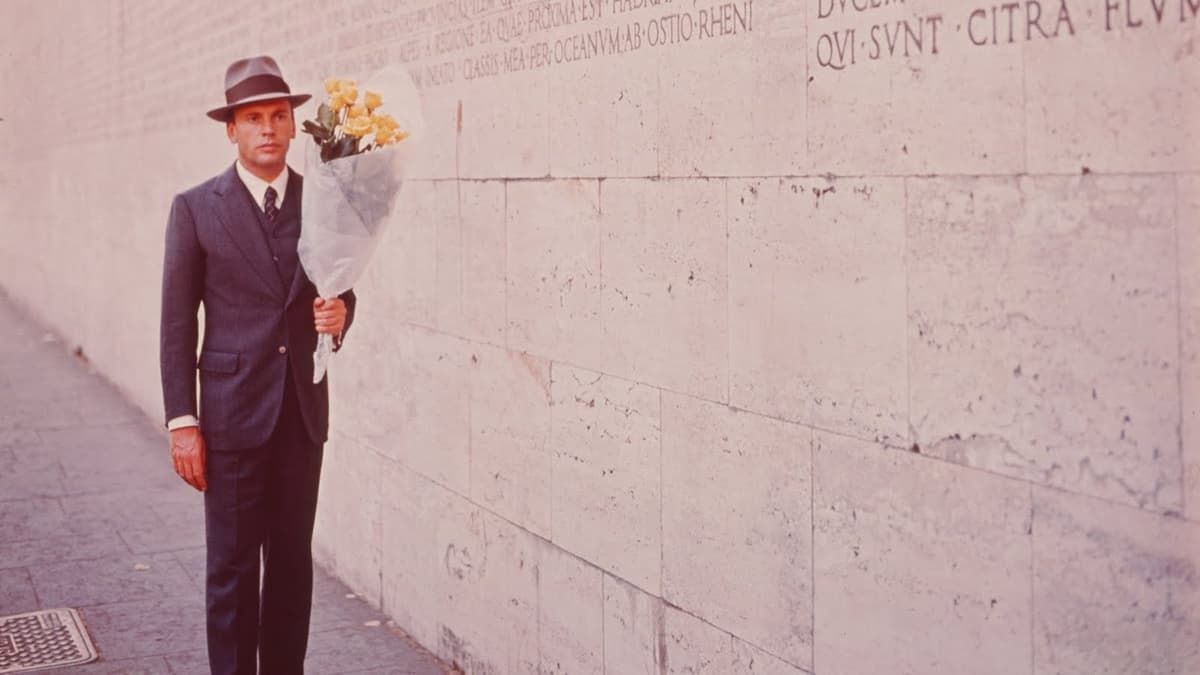
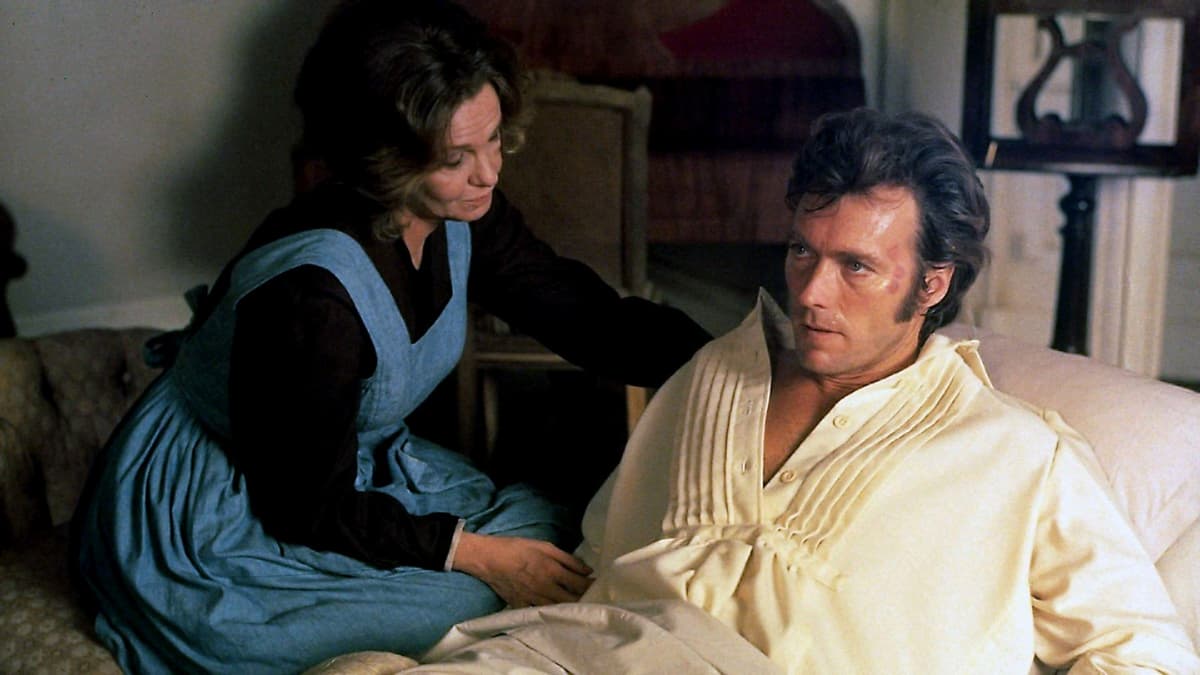
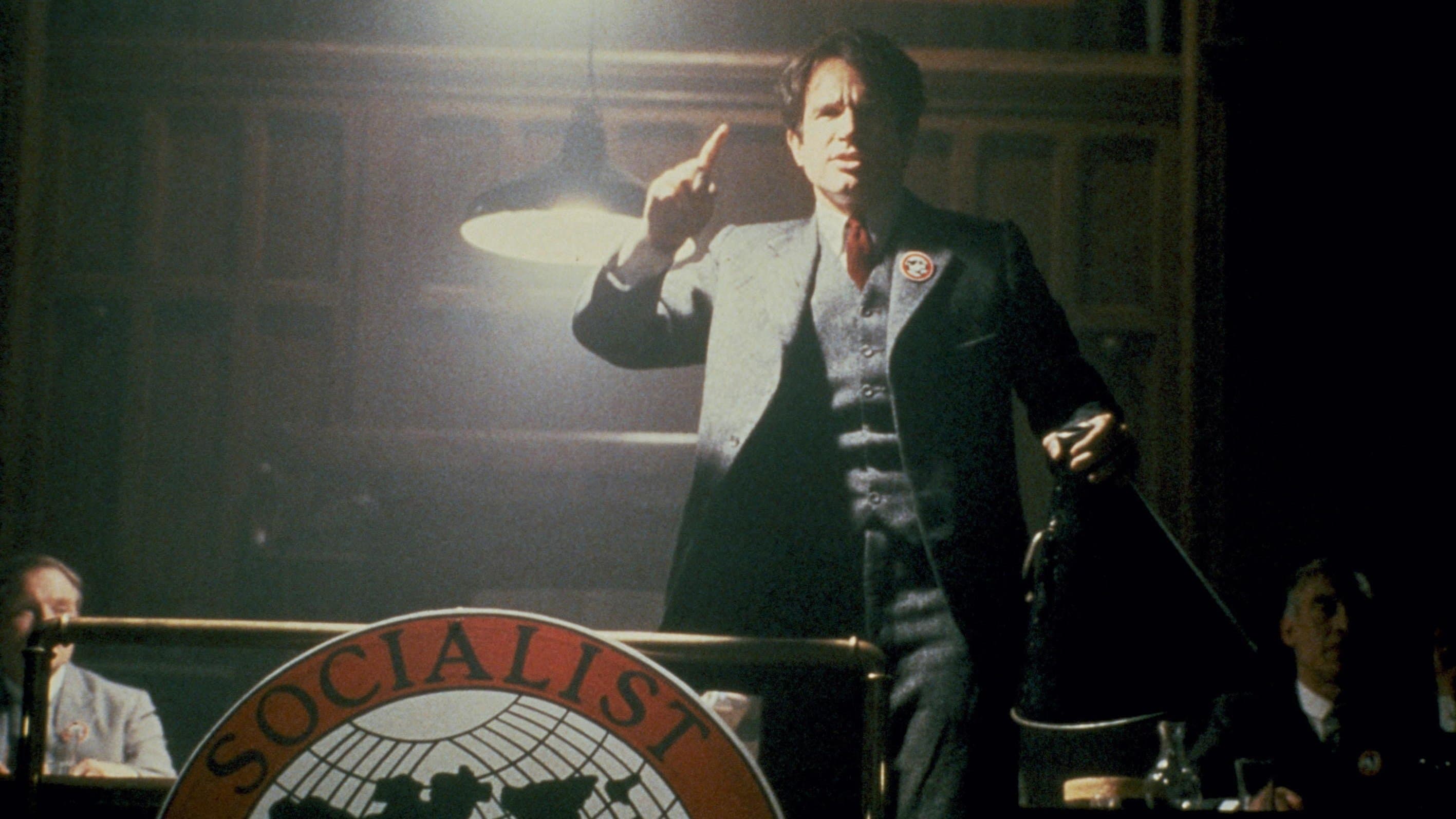
Reds tells the story of John Reed, an American journalist and committed radical who covered the 1917 October Revolution in Russia and authored the firsthand account "Ten Days That Shook the World." The film traces Reed's love affair with the writer Louise Bryant, his circle in Greenwich Village and Provincetown, and his political journey from American socialism into the early years of the Soviet experiment, intercut with documentary interviews with elderly witnesses who knew the period firsthand.
What Is the Budget of Reds (1981)?
Reds (1981), directed, produced, co-written by, and starring Warren Beatty, was produced on a reported budget of $32,000,000, an enormous sum for a three-and-a-half-hour historical drama about the American journalist and communist John Reed. Paramount Pictures financed and distributed the film, betting on Beatty's post-Heaven Can Wait clout and the marquee pairing with Diane Keaton, Jack Nicholson, Edward Herrmann, and Maureen Stapleton to justify a runtime, subject, and political sensibility that ran against every commercial instinct of the early Reagan era.
Adjusted for inflation, the budget translates to roughly $110,000,000 in 2026 dollars, placing Reds among the most expensive auteur passion projects ever greenlit by a major studio. The film's long production schedule, a shooting calendar that stretched across the United Kingdom, Finland, and Spain, and Beatty's well-documented insistence on dozens of takes per scene all combined to push the negative cost well above what Paramount had initially expected to spend.
Key Budget Allocation Categories
Reds' $32,000,000 negative cost was distributed across several core production areas:
- Above-the-Line Talent: Warren Beatty took a producer, director, co-writer, and star fee package, while Diane Keaton, Jack Nicholson, Edward Herrmann, and Maureen Stapleton commanded compensation reflecting their Annie Hall, Cuckoo's Nest, and Airport era visibility. Co-writer Trevor Griffiths and consulting writer Elaine May, brought in for uncredited polishes, also drew significant fees.
- International Location Shoot: Principal photography spanned the United Kingdom, Finland, and Spain, with extensive location work standing in for Petrograd, Moscow, Provincetown, Greenwich Village, and the Russian countryside. Cast and crew travel, lodging across three countries, freight of period production design, and large local labor pools drove the location budget higher than any equivalent American studio shoot of the era.
- Period Production Design and Costume: Production designer Richard Sylbert built and dressed period New York, Portland, Provincetown, and revolutionary Russia, including Bolshevik rally interiors, the Smolny Institute, and tsarist-era railway carriages. Costume designer Shirley Russell oversaw thousands of period costumes for crowd scenes including the Petrograd street sequences shot in Helsinki.
- Cinematography by Vittorio Storaro: Italian cinematographer Vittorio Storaro, fresh off Apocalypse Now, used naturalistic available-light staging, candlelit interiors, and snow exteriors at scale. His approach required extensive grip and electric infrastructure on every location and would eventually win the film one of its three Academy Awards.
- The Witnesses Documentary Tier: Beatty interviewed 32 elderly witnesses to the period, including writers Henry Miller, Rebecca West, and Adela Rogers St. Johns, plus activists and former Wobblies. The interviews were shot on 16mm over multiple years, transferred, and intercut throughout the picture as Greek-chorus testimony, a parallel production track that added years and cost to the schedule.
- Score and Music: Stephen Sondheim contributed the original songs, including arrangements of period standards such as "I Don't Want to Play in Your Yard," with Dave Grusin scoring the orchestral material. Recording, orchestration, and source-music licensing of period American and Russian revolutionary songs added a meaningful music line item.
- Extended Shooting Schedule and Reshoots: Principal photography ran from August 1979 through early 1981 with extensive reshoots and pickups. Beatty's working method, sometimes 50 or more takes per setup, kept stages and locations standing far longer than industry norms and pushed the carrying costs of cast holds and crew labor well above the original plan.
- Post-Production and Editing: Editors Dede Allen and Craig McKay assembled a 195-minute final cut from millions of feet of footage including the Witnesses interviews. Color timing, optical effects for period inserts, and the integration of documentary and dramatized material required an unusually long post-production window for a 1981 release.
How Does Reds' Budget Compare to Similar Films?
At $32,000,000, Reds sits among the most ambitious historical biopics and prestige epics of its era. The comparison set illustrates how Beatty's passion project measured against the era's great-man-of-history canon:
- Heaven Can Wait (1978): Budget $15,000,000 | Worldwide $98,800,000. Beatty's previous directorial effort cost less than half of Reds and earned roughly two and a half times more worldwide, demonstrating how dramatically he leveraged that commercial goodwill to bankroll a far less commercial follow-up.
- Lawrence of Arabia (1962): Budget $15,000,000 | Worldwide $70,000,000. David Lean's desert epic, the structural and tonal touchstone for Reds, cost half as much in nominal dollars but represented an even larger gamble for Columbia in 1962. Both films marry a single ambitious protagonist to a continent-scale historical event.
- Gandhi (1982): Budget $22,000,000 | Worldwide $127,800,000. Richard Attenborough's biopic of the Indian independence leader released the year after Reds, won the Best Picture Oscar that Reds was widely tipped to win, and out-grossed Reds worldwide by roughly four to one against a smaller budget.
- Bulworth (1998): Budget $30,000,000 | Worldwide $29,200,000. Beatty's later political satire, in which he again directed, produced, co-wrote, and starred, cost roughly the same in nominal dollars and grossed less than Reds, confirming the recurring commercial ceiling of his director-driven political features.
- Dances with Wolves (1990): Budget $22,000,000 | Worldwide $424,200,000. Kevin Costner's directorial debut, the closest later analogue of a star vanity epic that returned the bet, earned more than ten times its budget worldwide and won the Best Picture Oscar that Reds had been positioned for nine years earlier.
- Ragtime (1981): Budget $32,000,000 | Worldwide $14,900,000. Milos Forman's adaptation of the E.L. Doctorow novel released the same year, cost the same as Reds, and grossed less than half, making 1981 a brutal year for star-driven, turn-of-the-century historical Americana.
Reds Box Office Performance
Reds opened on December 4, 1981, in a limited Los Angeles and New York run before expanding wide, ultimately playing through the 1982 awards season. Domestic theatrical gross reached $40,382,659 in North America, a respectable result for a 195-minute political drama about American communists in the Reagan era but well below the threshold Paramount needed to clear on a $32,000,000 negative cost.
Against the reported production budget, the film needed approximately $80,000,000 to $90,000,000 in worldwide gross to reach theatrical profitability when accounting for marketing and distribution costs. Here is the financial breakdown:
Box Office Breakdown
Reds

Reds returned approximately $0.81 in theatrical revenue for every $1 invested when measured against total estimated production and marketing spend, ending its first-run release as a clear theatrical loss for Paramount. The studio largely recouped its investment over subsequent decades through home video, cable, and television licensing, alongside the prestige value of twelve Academy Award nominations and three wins, which kept Reds in critical conversation long after its theatrical run ended.
Internationally, the film performed unevenly. European markets that were more receptive to a sympathetic treatment of American radicals delivered a meaningful share of the worldwide haul, while Cold War tensions and the film's subject matter limited bookings in some territories. The runtime, which forced exhibitors to play one fewer screening per day than a standard feature, also capped revenue at every domestic and international site.
Reds Production History
Warren Beatty first encountered John Reed's 1919 firsthand account "Ten Days That Shook the World" as a young actor and spent more than a decade developing it as a film. He acquired rights to Reed and Louise Bryant's writings, brought British playwright Trevor Griffiths in to draft an early script in the mid-1970s, then took over substantial rewrites himself with uncredited contributions from Elaine May and Robert Towne. The project was greenlit at Paramount in 1978 on the strength of Beatty's Heaven Can Wait performance and his Bonnie and Clyde producer credit.
Casting Diane Keaton as Louise Bryant brought Beatty's longtime romantic and creative partner into the lead role of the leftist writer and reporter who married John Reed and traveled with him to Petrograd. Jack Nicholson signed on as playwright Eugene O'Neill, Bryant's lover during her separations from Reed. Edward Herrmann played Max Eastman of The Masses magazine, Maureen Stapleton played anarchist Emma Goldman, and Paul Sorvino played Communist Party leader Louis Fraina. Beatty also assembled the Witnesses tier, recording dozens of interviews with elderly Americans who had known Reed, Bryant, or the broader Greenwich Village radical scene, including Henry Miller, Rebecca West, and Adela Rogers St. Johns.
Principal photography began in August 1979 in the United Kingdom, where studio stages at Twickenham and locations across London and the south of England doubled for early-twentieth-century New York interiors and the Provincetown shoreline. The unit then relocated to Finland for extended exterior shooting in Helsinki, where the city's preserved Tsarist-era architecture stood in for Petrograd's 1917 streets and revolutionary crowd scenes. Spain provided rural exteriors and a steam-railway sequence, with location work spanning Andalusian countryside and period-friendly stations.
Beatty's working method, which routinely required 40 to 80 takes per setup and prized exhaustive coverage over efficiency, kept the shoot in motion well into 1981. Vittorio Storaro's cinematography embraced naturalistic available light and candlelit interiors, demanding extensive grip and electric infrastructure on every location. Diane Keaton later spoke publicly about the punishing schedule and Beatty's perfectionism, and Jack Nicholson described the long shoot as the most demanding production he had ever joined. Reshoots and pickups extended into the spring of 1981, with the film locked just months ahead of the December release.
Post-production was equally exhaustive. Editors Dede Allen and Craig McKay cut a 195-minute feature from millions of feet of dramatic and documentary footage, interweaving the Witnesses interviews as a recurring chorus that contextualized Reed's political journey. Stephen Sondheim contributed original songs and period arrangements, with Dave Grusin scoring the orchestral material. Paramount, which had been openly nervous about the runtime and subject for months, ultimately released Reds in a roadshow-style limited run in December 1981 before expanding nationwide in February 1982.
Awards and Recognition
Reds received 12 Academy Award nominations, the highest total of any 1981 film, and won 3 Oscars at the 54th Academy Awards ceremony held in March 1982. Warren Beatty won Best Director, Maureen Stapleton won Best Supporting Actress for her performance as Emma Goldman, and Vittorio Storaro won Best Cinematography. The film lost Best Picture, Best Actor (Beatty), Best Actress (Diane Keaton), Best Supporting Actor (Jack Nicholson), and most other major categories to On Golden Pond and Chariots of Fire.
The remaining nominations recognized Best Original Screenplay (Beatty and Trevor Griffiths), Best Art Direction (Richard Sylbert and Michael Seirton), Best Costume Design (Shirley Russell), Best Film Editing (Dede Allen and Craig McKay), and Best Sound. The film also earned Beatty a Directors Guild of America Award for Best Director, an honor that often anticipates the Academy's Best Director winner. At the Golden Globes, Reds won Best Director for Beatty and was nominated in five additional categories including Best Motion Picture Drama.
Maureen Stapleton, then 56, used her Oscar acceptance to thank everyone she had ever met, a moment that became one of the more frequently quoted Oscar speeches of the 1980s. Reds was also nominated for the BAFTA Award for Best Film and Best Direction and won the Kansas City Film Critics Circle Award for Best Film. The film was selected for preservation in the United States National Film Registry by the Library of Congress in 2008, recognizing its cultural, historical, and aesthetic significance.
Critical Reception
Reds received broadly enthusiastic reviews on release, with critics praising its scale, formal ambition, and the unusual integration of documentary Witnesses footage into a sweeping romantic biopic. The film holds a 92% approval rating on Rotten Tomatoes based on retrospective and contemporary critic reviews, with a critical consensus that calls it "an ambitious, intelligent, sweeping epic of the Russian Revolution and the radical American journalist who lived through it." On Metacritic, the film carries a 78 out of 100 score, indicating generally favorable reviews.
Roger Ebert awarded Reds four stars and called it "a magnificent film, a love story not only between two people but between Reed and a moment in history, between Beatty and his own filmmaking ambition." Vincent Canby of The New York Times wrote that the film "moves with such command and confidence that we accept its conventions even when they border on the operatic," and singled out Maureen Stapleton's Emma Goldman as one of the great supporting performances of the era. Pauline Kael of The New Yorker offered a more divided notice, admiring Storaro's photography and the Witnesses device while questioning the romantic core of the Beatty-Keaton relationship.
The critical consensus has only deepened over time. Sight & Sound polled Reds onto multiple all-time lists, and the American Film Institute included Beatty's direction in its retrospective surveys of the New Hollywood era. Modern reassessments by The Guardian, Variety, and Slate frame Reds as the last fully successful Old Left epic produced by a major Hollywood studio, a passion project that reached an audience scale unimaginable for comparable contemporary historical biopics about leftist subjects. The combination of 12 Oscar nominations, the Best Director win, and decades of critical reappraisal have established Reds as the defining work of Beatty's directing career.
Frequently Asked Questions
How much did it cost to make Reds (1981)?
The reported production budget was $32,000,000, an enormous sum for a three-and-a-half-hour historical drama in 1981. Paramount Pictures financed and distributed the film, with Warren Beatty serving as producer, director, co-writer, and lead actor on what became one of the most expensive auteur passion projects ever greenlit by a major studio.
How much did Reds earn at the box office?
Reds grossed $40,382,659 worldwide, the bulk of it from its North American theatrical release across late 1981 and 1982. Against a $32,000,000 production budget and an estimated $15,000,000 to $20,000,000 in prints and advertising costs, the film ended its first-run release as a clear theatrical loss for Paramount.
Did Reds make a profit?
No. Reds returned approximately $0.81 in worldwide theatrical gross for every $1 invested when measured against total estimated production and marketing spend, an approximate negative 23% return. Paramount eventually recouped most of its investment over subsequent decades through home video, cable, and television licensing, along with the prestige value of twelve Academy Award nominations and three wins.
Who directed Reds (1981)?
Warren Beatty directed the film, his second feature as director after Heaven Can Wait (1978). He also produced, co-wrote the screenplay with British playwright Trevor Griffiths, and starred as John Reed. Beatty won the Academy Award for Best Director at the 54th Academy Awards.
Where was Reds filmed?
Principal photography took place across the United Kingdom, Finland, and Spain from August 1979 through early 1981. The United Kingdom shoot included Twickenham Studios stages and London locations, Helsinki provided Tsarist-era architecture standing in for 1917 Petrograd, and Spain hosted rural exteriors and a steam-railway sequence. The international production avoided shooting any of the film in the United States, despite the story's American setting for its first half.
How many Oscars did Reds win?
Reds won 3 Academy Awards from 12 nominations at the 54th Academy Awards ceremony held in March 1982. Warren Beatty won Best Director, Maureen Stapleton won Best Supporting Actress for her performance as Emma Goldman, and Vittorio Storaro won Best Cinematography. The film lost Best Picture to Chariots of Fire and lost Best Actor, Best Actress, and Best Supporting Actor.
What is Reds (1981) about?
Reds tells the story of John Reed, an American journalist and radical who covered the 1917 October Revolution in Russia and authored the firsthand account Ten Days That Shook the World. The film traces Reed's love affair with writer Louise Bryant, his Greenwich Village and Provincetown circle, and his political journey from American socialism into the early years of the Soviet experiment.
What are the Witnesses interviews in Reds?
Warren Beatty interviewed 32 elderly witnesses to the period, including writers Henry Miller, Rebecca West, and Adela Rogers St. Johns, along with activists and former Industrial Workers of the World members. The interviews were shot on 16mm over several years and intercut throughout the picture as Greek-chorus testimony that contextualized Reed's political journey, a parallel production track that added years and significant cost to the schedule.
How does Reds compare to Heaven Can Wait and Bulworth?
Beatty's three director-driven star vehicles span 20 years and increasing political ambition. Heaven Can Wait (1978) cost $15,000,000 and grossed $98,800,000 worldwide. Reds (1981) cost $32,000,000 and grossed $40,382,659. Bulworth (1998) cost $30,000,000 and grossed $29,200,000. Reds is the only one of the three to win a Best Director Oscar, while Heaven Can Wait remains the highest-grossing of the three.
What did critics think of Reds?
Reds received broadly enthusiastic reviews, with a 92% approval rating on Rotten Tomatoes and a 78 out of 100 score on Metacritic. Roger Ebert awarded the film four stars and called it "a magnificent film," while Vincent Canby of The New York Times praised its operatic confidence and Maureen Stapleton's supporting performance. The film was selected for preservation in the United States National Film Registry in 2008.
Filmmakers
Reds

Official Trailer
Build budgets like this one in Saturation
Start from an industry-standard feature film template, import the schedule and rates you already have, and let the cost report keep itself current as you spend. Real-time collaboration, no spreadsheets.