The Sword of Doom Budget
Updated
Synopsis
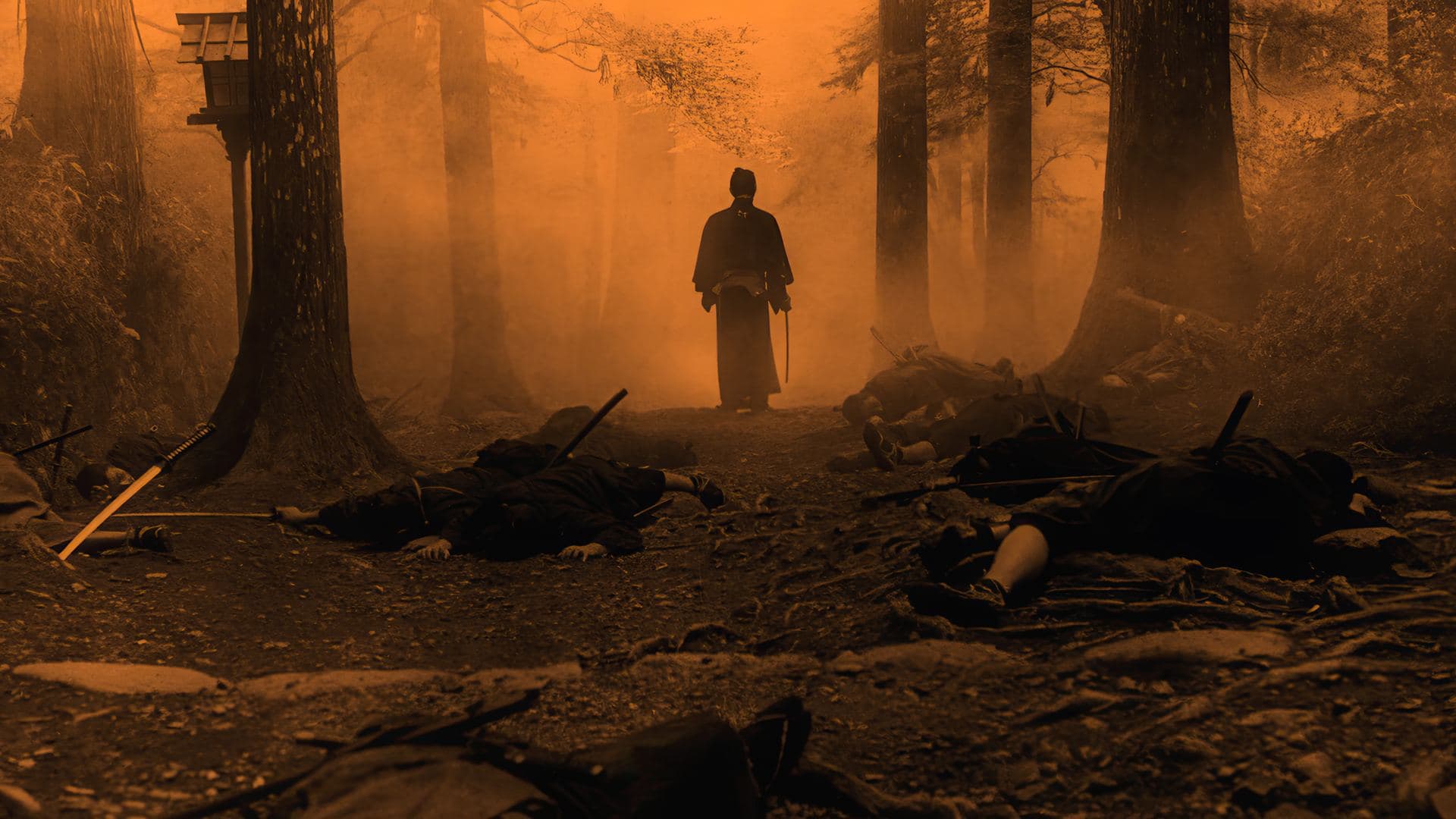
A nihilistic master swordsman, Ryunosuke Tsukue, leaves a trail of corpses across late Edo-period Japan, killing without conscience and driven by a violent inner emptiness. As his unmoored bloodlust catches up with him, he is hunted both by the brother of a man he murdered in a tournament and by his own deteriorating psyche.
What Is the Budget of The Sword of Doom (1966)?
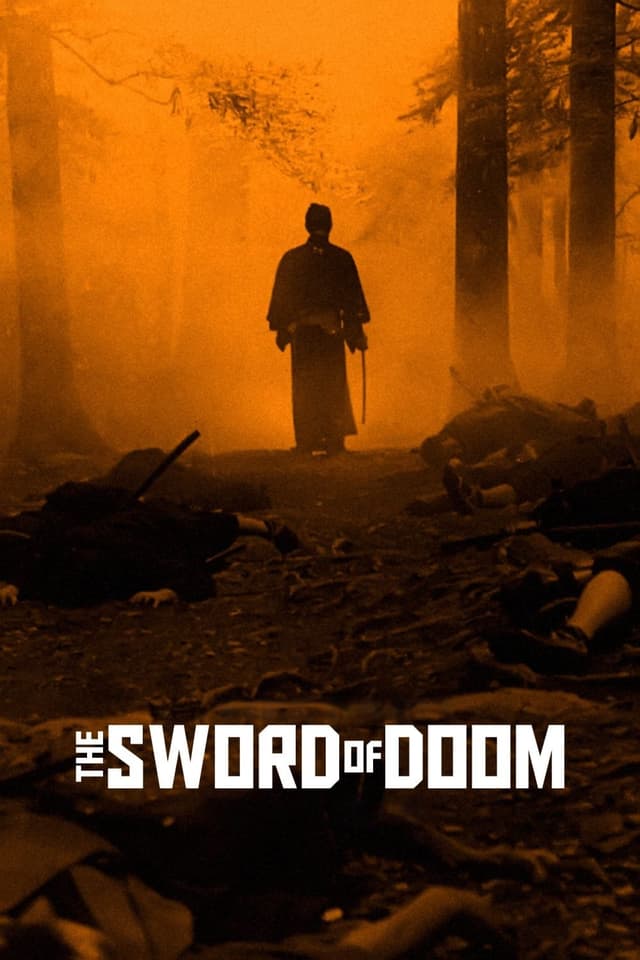
The Sword of Doom (1966), directed by Kihachi Okamoto and produced by Toho and Takarazuka Eiga, is a Japanese chambara film whose original production budget was not publicly disclosed at the time and has not been published in the decades since. The film was made within the Toho studio system at the peak of Japanese genre production, with all the cost advantages of an in-house pipeline: contract talent, studio-owned standing sets, and an existing distribution apparatus through Toho's domestic and Toho International export divisions.
Industry historical estimates for major Toho period genre productions of this era cluster in the 100,000,000 to 200,000,000 yen range, equivalent to roughly $280,000 to $560,000 in 1966 US dollars. The Sword of Doom's scale, length (119 minutes), and star casting (Tatsuya Nakadai, Toshiro Mifune, Yuzo Kayama) place it in the upper portion of that bracket, though the precise figure remains undisclosed and may not be retrievable from extant Toho archival records.
Key Budget Allocation Categories
Toho's studio-system economics distributed the production cost across these core areas:
- Above-the-Line Talent: Tatsuya Nakadai, then at the height of his career after Harakiri (1962) and Kwaidan (1964), headlined as Ryunosuke Tsukue under a contract-player arrangement with Toho-affiliated production. Toshiro Mifune appeared in a substantial supporting role as the master swordsman Shimada Toranosuke, his fee almost certainly commanding the largest single line item. Yuzo Kayama and Michiyo Aratama rounded out the principal cast.
- Studio Sets and Costumes: The Toho lot at Setagaya housed standing late-Edo period sets that were redressed for the film's temple, dojo, inn, and street locations. Costumes drew on Toho's extensive period wardrobe stock built up across decades of jidaigeki production, with bespoke construction reserved for principal-character pieces.
- Sword Choreography and Stunt Work: Choreographer Yoshio Sugino designed the film's extended sword sequences, including the climactic 30-minute action set piece in which Nakadai's character slaughters dozens of attackers in a confined shoji-walled inn. Stunt-double work, breakaway set pieces, and squib effects added meaningful cost above standard dialogue scenes.
- Cinematography: Hiroshi Murai shot the film in widescreen black-and-white Tohoscope, with elaborate handheld and tracking camera work for the climactic massacre. The Tohoscope anamorphic process required specific lens packages and added complexity in framing and lighting.
- Score and Sound Design: Composer Masaru Sato (Yojimbo, Sanjuro) provided the unsettling, dissonant score that anchors the film's nihilist mood. Sato's score blended traditional Japanese instrumentation with modernist orchestral textures.
- Post-Production and Final Cut: Editing by Yoshitami Kuroiwa and the film's extended snowbound prologue and inn-massacre finale required substantial assembly time. The film's deliberately abrupt ending, originally intended to be the first installment of a three-film series that was never produced, was finalized in late 1965 ahead of a February 1966 Japanese theatrical release.
How Does The Sword of Doom's Budget Compare to Similar Films?
Among the major chambara releases of the mid-1960s, The Sword of Doom sits in the upper tier of Toho studio-system samurai productions. Useful comparison points:
- Yojimbo (1961): Budget undisclosed but estimated at roughly 100,000,000 yen | Worldwide successful at home and a Western export hit. Akira Kurosawa's Toshiro Mifune samurai film is the era's defining commercial chambara, produced on a comparable studio-system basis.
- Sanjuro (1962): Budget undisclosed | Worldwide a Toho commercial hit. Kurosawa's Yojimbo sequel was produced in the same scale bracket and exported widely through Toho International.
- Harakiri (1962): Budget undisclosed | Worldwide a Cannes Special Jury Prize winner. Masaki Kobayashi's Shochiku samurai tragedy, also starring Tatsuya Nakadai, is the closest comparison for prestige-tier samurai filmmaking of the period.
- Sword of the Beast (1965): Budget undisclosed | Worldwide a domestic hit. Hideo Gosha's Shochiku samurai film was made on a tighter program-picture budget than The Sword of Doom, in keeping with Shochiku's contract-player economics.
- Samurai Rebellion (1967): Budget undisclosed | Worldwide a critical hit. Kobayashi's follow-up samurai film, again starring Mifune, was produced through Toho on a comparable scale and represents the immediate stylistic peer to The Sword of Doom.
The Sword of Doom Box Office Performance
The film opened in Japan on February 25, 1966 and was a commercial success for Toho in its domestic theatrical window. Specific opening-week or run-total box office figures are not publicly available; Toho did not maintain the detailed weekly box office tracking that became standard in later decades, and contemporaneous trade reporting in Kinema Junpo and other industry press focused on critical assessment rather than gross.
Against an estimated $280,000 to $560,000 production budget in 1966 dollars, the film's domestic theatrical run and subsequent re-release income through Toho's repertory programming would have been more than sufficient for recoupment. The closest available financial framing:
Box Office Breakdown
The Sword of Doom

The film was acquired for US theatrical release by Toho International and ran in art-house and Asian-cinema specialty venues in major American cities through 1966 and 1967, including a Carnegie Hall Cinema engagement. International theatrical revenue was modest by Hollywood standards but added meaningful incremental income to the Japanese theatrical take.
The film's longest commercial life has been on home video. Criterion released a definitive Blu-ray and DVD edition in 2005, which has remained in continuous catalog distribution. Streaming licensing through Criterion Channel, HBO Max (at various windows), and international rights deals has provided long-tail revenue that has continued to generate income on the original Toho investment for nearly six decades.
The Sword of Doom Production History
The screenplay by Shinobu Hashimoto adapted only the first portion of Kaizan Nakazato's sprawling 41-volume serialized novel Daibosatsu Toge (Great Bodhisattva Pass), published in installments from 1913 to 1941. The novel had been adapted for screen multiple times before, most notably in a 1957 to 1959 trilogy directed by Tomu Uchida and starring Chiezo Kataoka, and Toho's 1966 version was envisioned from the start as the first chapter of a planned three-film series.
Production took place at Toho's Setagaya studio lot in Tokyo, with the film's exterior snowbound prologue shot at Akagi-jinja shrine and elsewhere on practical winter location. The shooting schedule extended through the second half of 1965, with Tatsuya Nakadai and Toshiro Mifune coordinating around their other contract commitments at the studio.
All principal photography took place in Japan under standard Toho contract economics: the production drew on the studio's standing sets, contract crew, and on-staff music, sound, and editorial departments to manage costs. Yoshio Sugino, a master kendo practitioner, coordinated the sword work in conjunction with the principal cast, who had each undergone extensive period martial-arts training as part of their Toho contracts.
The film's notoriously abrupt ending, freezing on a midfight image of Nakadai's character in mid-slaughter, was always intended as a transition to a second installment. The second and third films were never produced; trade reporting at the time attributed the discontinuation variously to studio politics, to the commercial calculation that Nakadai's character had become too unsympathetic to sustain a sequel, and to the broader collapse of the Japanese studio system in the late 1960s.
Awards and Recognition
The Sword of Doom was nominated at the 1967 Kinema Junpo Awards, the most prestigious Japanese critics' honor, and received recognition in Kinema Junpo's decade-end best-of lists. Tatsuya Nakadai's performance was widely cited in 1966 year-end critical roundups as one of the year's strongest, though it did not win the Kinema Junpo or Mainichi Best Actor awards that year.
Internationally, the film did not enter the major Western festival or awards circuit at the time of its release. Its critical reputation has grown substantially in the decades since, with retrospective appearances at Cannes Classics, the Venice Film Festival classics sidebar, and major international cinematheque programming. The film is now widely recognized as one of the defining works of 1960s Japanese genre cinema.
Critical Reception
The Sword of Doom has achieved canonical status in retrospective critical reception. The film holds a 96% approval rating on Rotten Tomatoes based on 24 reviews (almost all of them retrospective or Criterion-era), and contemporary Western critics regularly cite it as among the finest chambara films of the 1960s. Sight & Sound included the film in its 2012 critics' poll of the greatest films of all time, and the BFI ranked it in its 2010 list of the 100 greatest Japanese films.
Contemporary 1966 Japanese critics in Kinema Junpo, Eiga Hyoron, and the major newspaper film columns gave the film strong reviews while noting its narrative open-endedness and its nihilist tone. The retrospective Western critical conversation has focused on the film's remarkable choreography (particularly the climactic 30-minute inn-massacre sequence), Tatsuya Nakadai's blank-eyed performance, and the film's structural and tonal influence on later filmmakers including Quentin Tarantino, Takashi Miike, and the Lone Wolf and Cub film series.
Roger Ebert wrote in his 2005 reappraisal that the film "stares unblinking into the void in a way that few samurai movies dare," and Pauline Kael, in her contemporary 1966 review for The New Yorker, called it "the most disturbing samurai film of recent memory, and easily the most beautifully made." The film's enduring critical reputation and continued availability on Criterion's repertory and streaming platforms have secured its place in the chambara canon.
Frequently Asked Questions
How much did it cost to make The Sword of Doom (1966)?
Toho did not publicly disclose the production budget, and the precise figure has not been published in the decades since. Industry historical estimates for major Toho period genre productions of this era cluster in the 100,000,000 to 200,000,000 yen range, equivalent to roughly $280,000 to $560,000 in 1966 US dollars.
How much did The Sword of Doom earn at the box office?
Specific box office figures are not publicly available. The film was a commercial success for Toho in its domestic Japanese theatrical run and was acquired for US theatrical release by Toho International. Detailed weekly box office tracking was not standard practice in the Japanese film industry in 1966.
Who directed The Sword of Doom?
Kihachi Okamoto directed the film. Okamoto was a Toho contract director whose other credits include Samurai Assassin (1965), Sword of Doom (this film), Kill! (1968), and the war epic Japan's Longest Day (1967). His chambara work is known for its dark tone and visual precision.
Who stars in The Sword of Doom?
Tatsuya Nakadai stars as Ryunosuke Tsukue, the nihilist master swordsman. Toshiro Mifune appears in a substantial supporting role as the master swordsman Shimada Toranosuke, with additional principal performances by Yuzo Kayama, Michiyo Aratama, Yoko Naito, and Tadao Nakamaru.
Is The Sword of Doom based on a book?
Yes. The screenplay by Shinobu Hashimoto adapted only the first portion of Kaizan Nakazato's sprawling 41-volume serialized novel Daibosatsu Toge (Great Bodhisattva Pass), originally published in installments from 1913 to 1941. The novel had been adapted multiple times before, including a 1957 to 1959 trilogy.
Why does The Sword of Doom end so abruptly?
The film was conceived from the start as the first installment of a planned three-film series. The ending, freezing on a mid-fight image of Tatsuya Nakadai's character mid-slaughter, was intended as a transition to a second film. The sequels were never produced, attributed variously to studio politics and the broader collapse of the Japanese studio system in the late 1960s.
Where was The Sword of Doom filmed?
The film was shot in Japan in the second half of 1965. Interior work was based at Toho's Setagaya studio lot in Tokyo, with the snowbound exterior prologue shot at Akagi-jinja shrine and elsewhere on practical winter location.
What did critics think of The Sword of Doom?
Contemporary 1966 Japanese critics in Kinema Junpo and the major newspaper film columns gave the film strong reviews. Retrospective Western critical reception has been highly favorable, with a 96% approval rating on Rotten Tomatoes based on 24 reviews and inclusion in Sight & Sound's 2012 critics' poll of the greatest films of all time.
Did The Sword of Doom win any awards?
The film was nominated at the 1967 Kinema Junpo Awards and received recognition in Kinema Junpo's decade-end best-of lists. It did not enter the major Western festival or awards circuit at the time of its release, though it has since been programmed at Cannes Classics and the Venice Film Festival classics sidebar.
Where can I watch The Sword of Doom today?
The film is available on Blu-ray and DVD via the Criterion Collection, which released a definitive restored edition in 2005. Streaming availability has shifted between Criterion Channel, HBO Max, and various international rights holders over the years. It is regularly programmed at art-house cinematheques and repertory venues.
Filmmakers
The Sword of Doom

Official Trailer
Build budgets like this one in Saturation
Start from an industry-standard feature film template, import the schedule and rates you already have, and let the cost report keep itself current as you spend. Real-time collaboration, no spreadsheets.