The Servant Budget
Updated
Synopsis
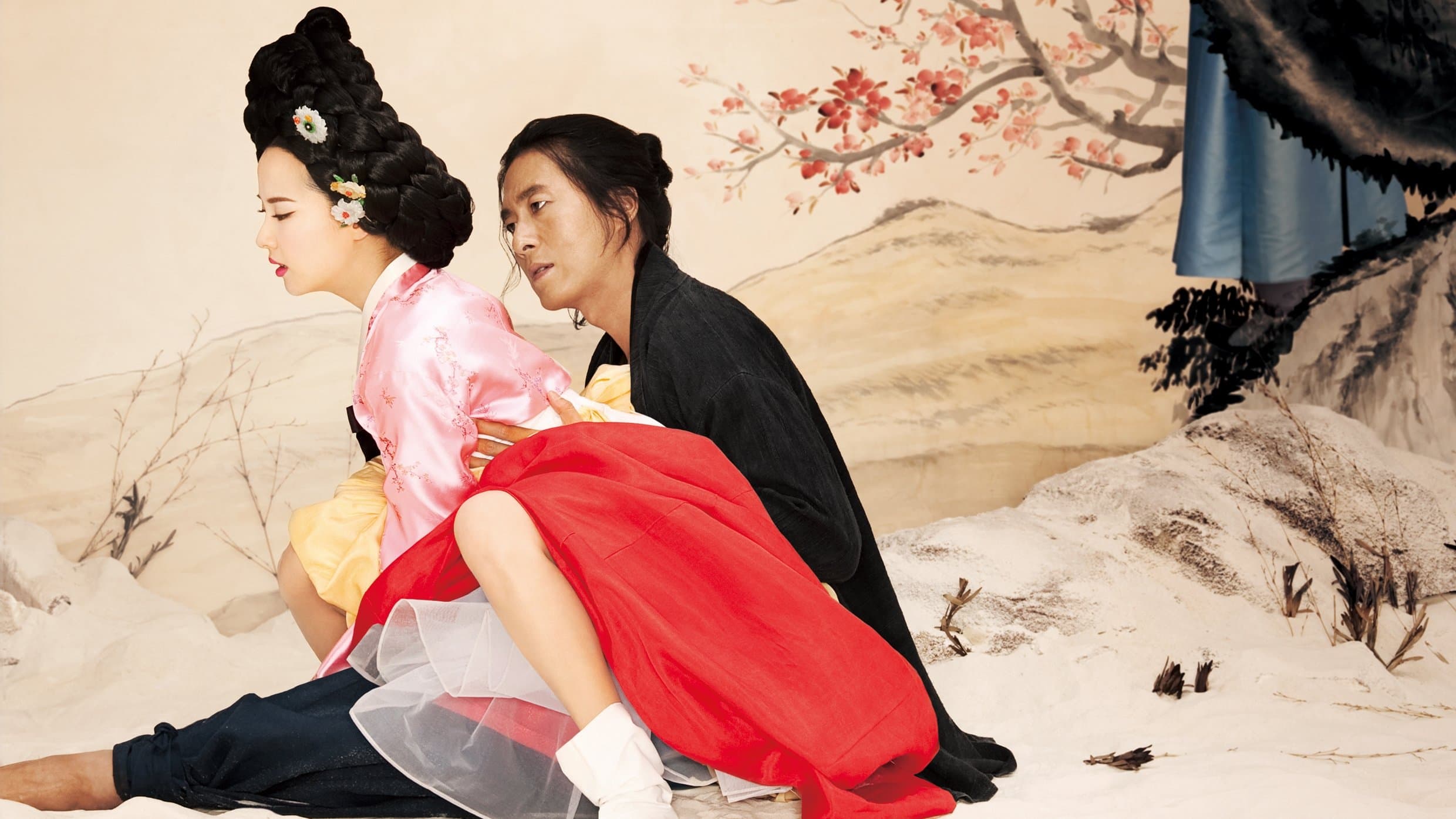
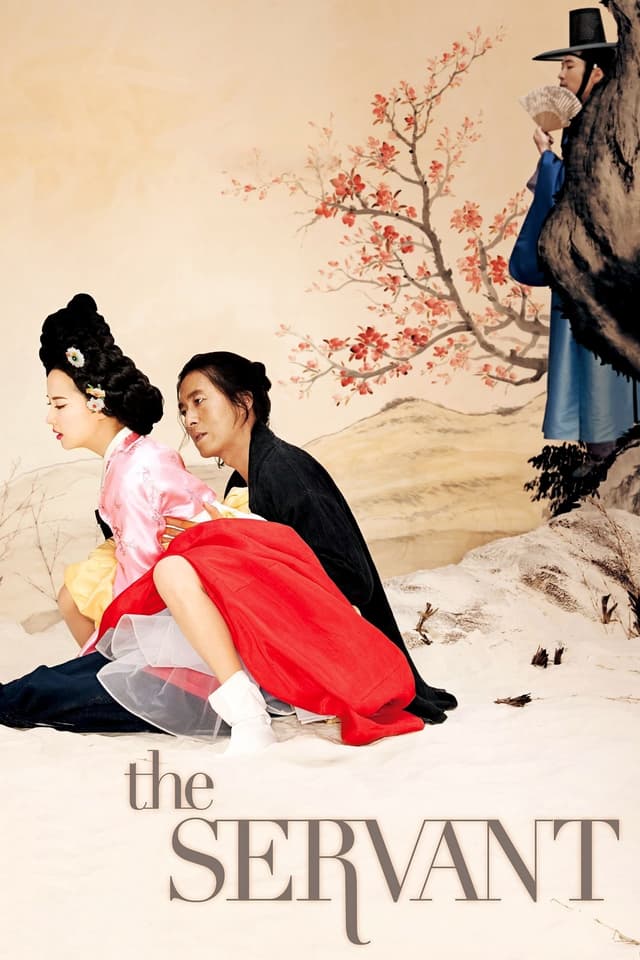
In Joseon-dynasty Korea, the servant Bangja becomes infatuated with Chunhyang, the daughter of a courtesan and the beloved of his noble master Mongryong. As class, lust, and loyalty collide, Bangja confronts the limits of his social station and the dangerous space between desire and rebellion.
What Is the Budget of The Servant (2010)?
The Servant (Bangja Jeon, 2010), directed by Kim Dae-woo and produced by Barunson E&A and Sio Film for CJ Entertainment distribution, was reportedly produced on a budget of approximately $7,000,000 (8 billion Korean won), placing it in the upper tier of Korean theatrical features of its release year. The erotic period drama reimagined the canonical Korean folk tale of Chunhyangga (the love story between the noble Mongryong and the courtesan's daughter Chunhyang) from the perspective of Bangja, the servant of the original tale's romantic male lead.
The project was Kim Dae-woo's follow-up to his 2008 erotic period drama Forbidden Quest (Eumranseosaeng), and continued his focus on the sexual undercurrents of Korean classical literature and Joseon-dynasty social hierarchy. The production reunited Kim Dae-woo with cinematographer Kim Young-min and an established Korean-feature crew capable of executing the Joseon-period costuming and production design at the scale the screenplay demanded.
Key Budget Allocation Categories
The Servant budget broke down across these primary line items:
- Above-the-Line Talent: Kim Joo-hyuk (Like for Likes, Confidential Assignment) headlined as the servant Bangja. Jo Yeo-jeong, fresh off her breakout role in Park Chan-wook's Thirst (2009) and several years ahead of her career-defining work in Parasite (2019), played Chunhyang. Ryu Seung-bum filled out the principal triangle as Mongryong. The Korean leading-cast quotes sat at established mid-tier-feature rates appropriate to the budget level.
- Joseon-Period Production Design: The Joseon-dynasty setting required extensive period-correct production design, including hanok (traditional Korean architecture) location work, hanbok costuming for the principal cast and supporting players, and prop work covering everything from period furniture to musical instruments. Production designer Kim Sang-man's work represented a meaningful share of the budget.
- Costume Department: The hanbok wardrobe for the noble, courtesan, and servant classes required dozens of bespoke garments executed to Joseon-period historical accuracy. The intimate-scene wardrobe also required period-correct undergarments and partial-disrobing wardrobe pieces that drove additional costume-department spend.
- Cinematography: Cinematographer Kim Young-min shot the film in a polished classical register with extensive use of natural-light interiors, candlelight, and traditional Korean garden exteriors. The visual approach drew on Korean New Wave traditions established by filmmakers like Im Kwon-taek and Park Chan-wook while pushing toward the erotic-drama-specific sensuality the script required.
- Music Score: Composer Mok Yeong-jin (Memories of Murder, The Quiet Family) scored the film with traditional Korean instrumentation and orchestral textures. The pansori-traditional musical lineage of the source material required careful integration of period-authentic Korean classical music alongside the original score.
- Editing and Post: Editor Kim Sang-bum (the Park Chan-wook regular through Oldboy, The Handmaiden, and Decision to Leave) and Kim Jae-beom assembled the film. The Park Chan-wook-adjacent post-production team helped position the film within the prestige register of Korean period drama.
How Does The Servant's Budget Compare to Similar Films?
The Servant sits in the upper-mid tier of Korean theatrical period dramas. The comparison set:
- The Handmaiden (2016): Budget $8,575,000 | Worldwide $38,000,000. Park Chan-wook's prestige Korean erotic period drama operates in the same budget bracket and shares the editing department (Kim Sang-bum and Kim Jae-beom), providing the closest stylistic and personnel comparison.
- Memories of Murder (2003): Budget $2,800,000 | Worldwide $9,000,000. Bong Joon-ho's breakthrough Korean thriller demonstrates the lower budget tier Korean theatrical features of the prior decade operated within, and offers context for The Servant's relative upscale positioning.
- Forbidden Quest (2008): Budget approximately $5,000,000 | Worldwide $10,300,000. Kim Dae-woo's prior erotic period drama is the closest stylistic and authorial sibling, illustrating how the director scaled up from one project to the next.
- Parasite (2019): Budget $11,363,000 | Worldwide $258,773,000. Bong Joon-ho's Palme d'Or and Best Picture winner provides outlier benchmark context, and reunited Jo Yeo-jeong with the Korean cinema mainstream after several lower-profile roles following The Servant.
The Servant Box Office Performance
The Servant opened in South Korea on June 3, 2010, grossing approximately $13,300,000 (15 billion won) across approximately 2.96 million domestic admissions over its theatrical run, making it one of the top 20 domestic-release performers of 2010. The film had limited international theatrical release, primarily in territories with established Korean-cinema distribution channels.
The financial breakdown:
Box Office Breakdown
The Servant

The Servant returned approximately $1.10 to $1.30 in theatrical revenue for every $1 invested, making it a modest commercial success for CJ Entertainment. The film's subsequent home video and SVOD performance, while not publicly disclosed, contributed additional revenue to the overall recoupment. The 2.96 million domestic admissions placed the film among the top-tier Korean-period-drama releases of 2010 and confirmed Kim Dae-woo's commercial standing in the genre.
The Servant Production History
Development began at Barunson E&A around 2008 following Kim Dae-woo's commercial breakthrough with Forbidden Quest. The director developed the screenplay himself, drawing on the classical Korean pansori narrative Chunhyangga while inverting its point of view to center the servant Bangja rather than the noble Mongryong. Principal photography took place in South Korea across 2009 and early 2010, primarily at preserved Joseon-period hanok locations and on stage builds in South Korea, with the production benefiting from established Korean-feature production infrastructure.
Casting brought together established Korean leading actors at a transitional period in each performer's career. Kim Joo-hyuk anchored the cast as Bangja, with Jo Yeo-jeong taking on Chunhyang in the immediate aftermath of her Park Chan-wook Thirst breakthrough. Ryu Seung-bum, a Park Chan-wook regular, played Mongryong. The pre-production period included extensive period-movement training, including hanbok-wearing rehearsals and traditional Korean dance and music coaching.
Post-production was completed in early 2010, with the film released on June 3, 2010 in South Korea. CJ Entertainment's distribution leveraged the existing Forbidden Quest audience expectations while marketing the project as a more ambitious literary reinterpretation than a pure erotic-genre exercise. The film subsequently traveled to selected international festivals including the Pusan (now Busan) International Film Festival.
Awards and Recognition
The Servant received Korean national awards attention. Jo Yeo-jeong won the Best New Actress award at the 47th Grand Bell Awards (Korea's national film prize) and the Buil Film Awards. The film also received nominations for Best Costume Design and Best Art Direction at the Grand Bell Awards. Kim Joo-hyuk received scattered Best Actor nominations at minor Korean trade awards.
The film did not break through internationally at major festival circuits or international awards programs, a common outcome for mid-tier Korean theatrical features of the period that did not have the Park Chan-wook or Bong Joon-ho directorial brand to anchor international distribution. Jo Yeo-jeong's Best New Actress recognition was widely understood at the time as the launching pad for what subsequently became one of the more prominent Korean acting careers of the following decade.
Critical Reception
The Servant received mixed-to-positive reviews. The film holds limited international critic coverage outside Korean-specialty outlets. Korean trade press, including Cine21 and Hankyoreh, generally praised the production design and Jo Yeo-jeong's lead performance while noting the screenplay's shifts between erotic-drama, social-satire, and tragic-romance registers as a structural challenge. IMDb user ratings average 6.1 out of 10 based on approximately 4,500 user ratings, indicating moderately positive audience response.
Cine21 awarded the film three out of five stars and praised Kim Dae-woo's "confident genre filmmaking" while noting that the cumulative effect of the multiple-register screenplay falls short of the canonical Chunhyangga literary tradition. The Korea Times praised the cinematography and costume design while flagging the third-act tonal shift toward melodrama. Variety's Derek Elley, in one of the few major Western-trade reviews, called the film "a handsomely mounted Korean period erotic drama that delivers on its premise without breaking new ground."
The film has subsequently been retrospectively reassessed as a meaningful entry in Korean erotic-period-drama tradition that bridged the Forbidden Quest moment and the later Park Chan-wook Handmaiden achievement. Jo Yeo-jeong's career trajectory from The Servant through her supporting work in numerous Korean television and film projects and her eventual cultural-moment-defining performance in Parasite (2019) has anchored the film's long-term cultural footprint more firmly than its initial reception suggested.
Frequently Asked Questions
How much did it cost to make The Servant (2010)?
The reported production budget was approximately $7,000,000 (8 billion Korean won), placing it in the upper tier of Korean theatrical features of its release year.
Is The Servant (2010) the same as the 1963 Joseph Losey film?
No. The 1963 The Servant, starring Dirk Bogarde and directed by Joseph Losey, is an unrelated British film. The 2010 The Servant, also known as Bangja Jeon, is a Korean erotic period drama directed by Kim Dae-woo that reinterprets the classical Korean Chunhyangga folk tale.
How much did The Servant (2010) earn at the box office?
The film grossed approximately $13,300,000 (15 billion Korean won) across approximately 2.96 million domestic admissions in South Korea, making it one of the top 20 domestic-release performers of 2010. International theatrical release was limited.
Who directed The Servant (2010)?
Kim Dae-woo directed and wrote the film. Kim Dae-woo previously directed the 2008 erotic period drama Forbidden Quest (Eumranseosaeng), and continued his focus on the sexual undercurrents of Korean classical literature and Joseon-dynasty social hierarchy.
Who stars in The Servant (2010)?
Kim Joo-hyuk stars as the servant Bangja, Jo Yeo-jeong stars as Chunhyang, and Ryu Seung-bum stars as Mongryong. Jo Yeo-jeong won Best New Actress at the Grand Bell Awards (Korea's national film prize) for the performance, several years before her career-defining work in Parasite (2019).
What is The Servant (2010) about?
The film reinterprets the canonical Korean folk tale Chunhyangga from the perspective of Bangja, the servant of the original tale's romantic male lead. In Joseon-dynasty Korea, Bangja becomes infatuated with Chunhyang, the daughter of a courtesan and the beloved of his noble master Mongryong, leading to a collision of class, lust, and loyalty.
Where was The Servant (2010) filmed?
Principal photography took place in South Korea across 2009 and early 2010, primarily at preserved Joseon-period hanok locations and on stage builds. The production benefited from established Korean-feature production infrastructure.
Did The Servant (2010) win any awards?
Jo Yeo-jeong won the Best New Actress award at the 47th Grand Bell Awards (Korea's national film prize) and the Buil Film Awards. The film also received nominations for Best Costume Design and Best Art Direction at the Grand Bell Awards.
How does The Servant compare to The Handmaiden?
Park Chan-wook's The Handmaiden (2016) operates at a comparable budget level ($8,575,000) and shares editors (Kim Sang-bum and Kim Jae-beom) with The Servant. The Handmaiden earned $38,000,000 worldwide against The Servant's $13,300,000, with the difference attributable to The Handmaiden's stronger international festival momentum and Park Chan-wook's established global directorial profile.
What did critics think of The Servant (2010)?
Reviews were mixed-to-positive. Korean trade press praised the production design and Jo Yeo-jeong's lead performance while noting the screenplay's shifts between erotic-drama, social-satire, and tragic-romance registers. IMDb user ratings average 6.1 out of 10. Variety called it "a handsomely mounted Korean period erotic drama that delivers on its premise without breaking new ground."
Filmmakers
The Servant

Official Trailer
Build budgets like this one in Saturation
Start from an industry-standard feature film template, import the schedule and rates you already have, and let the cost report keep itself current as you spend. Real-time collaboration, no spreadsheets.